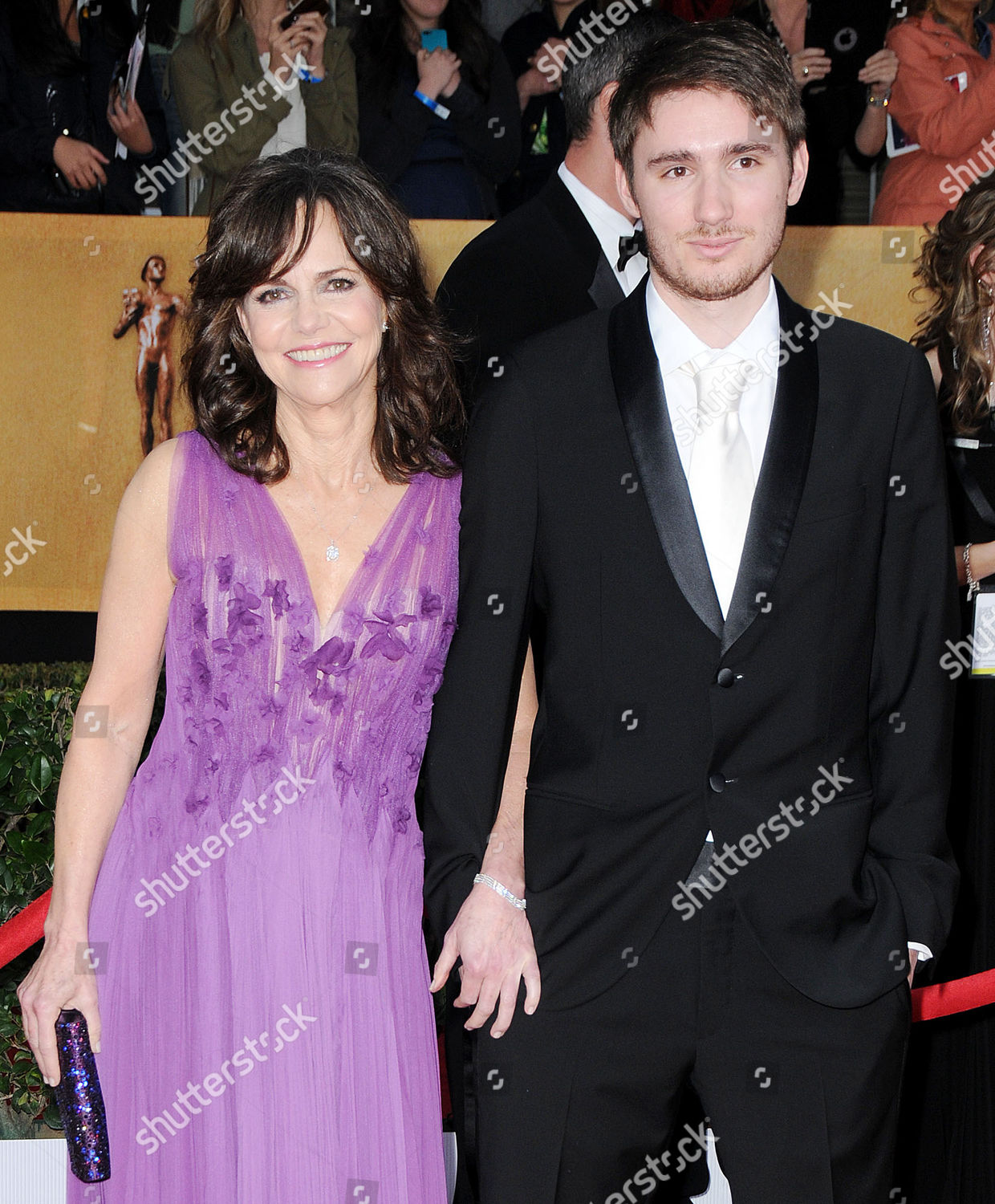
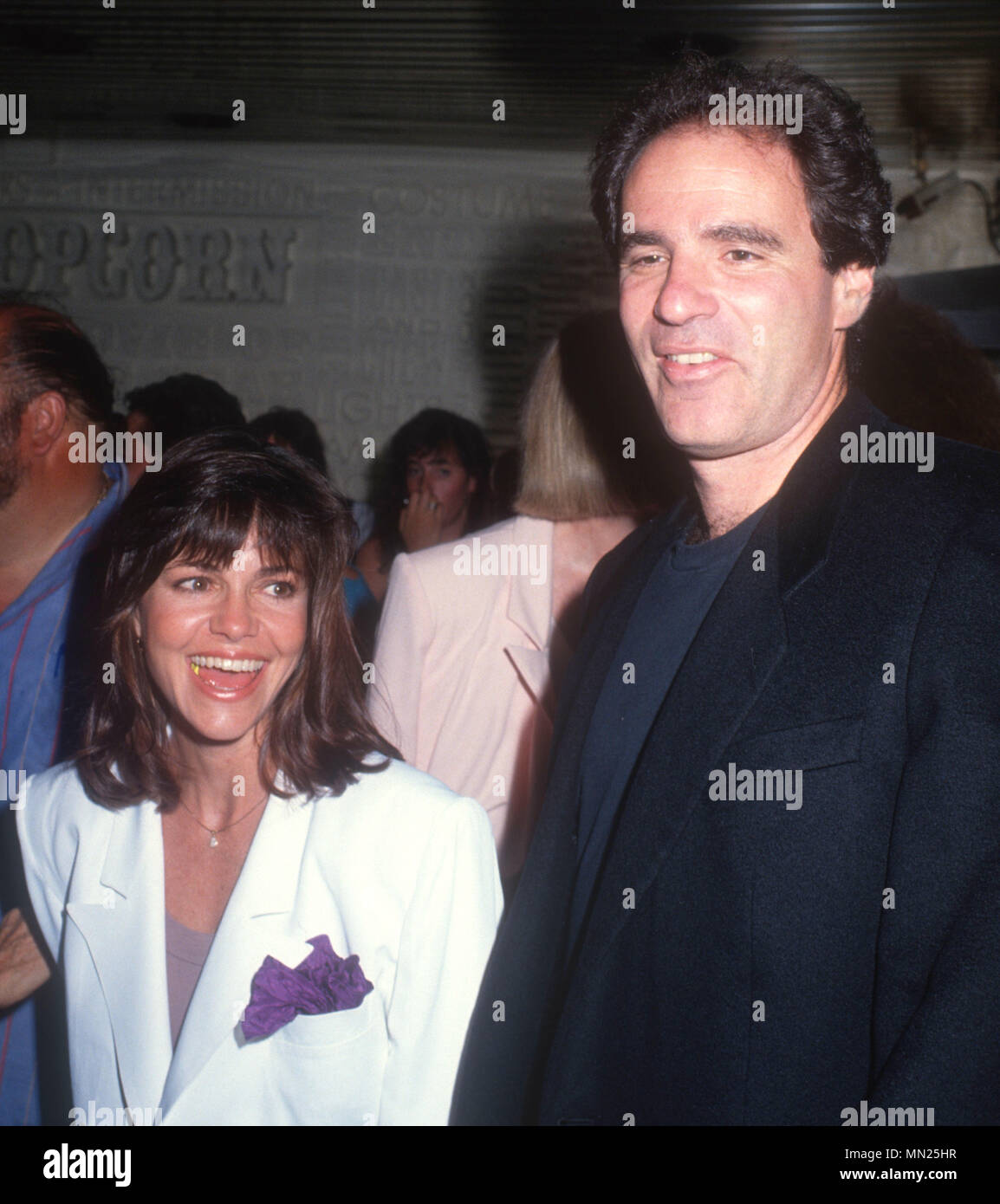
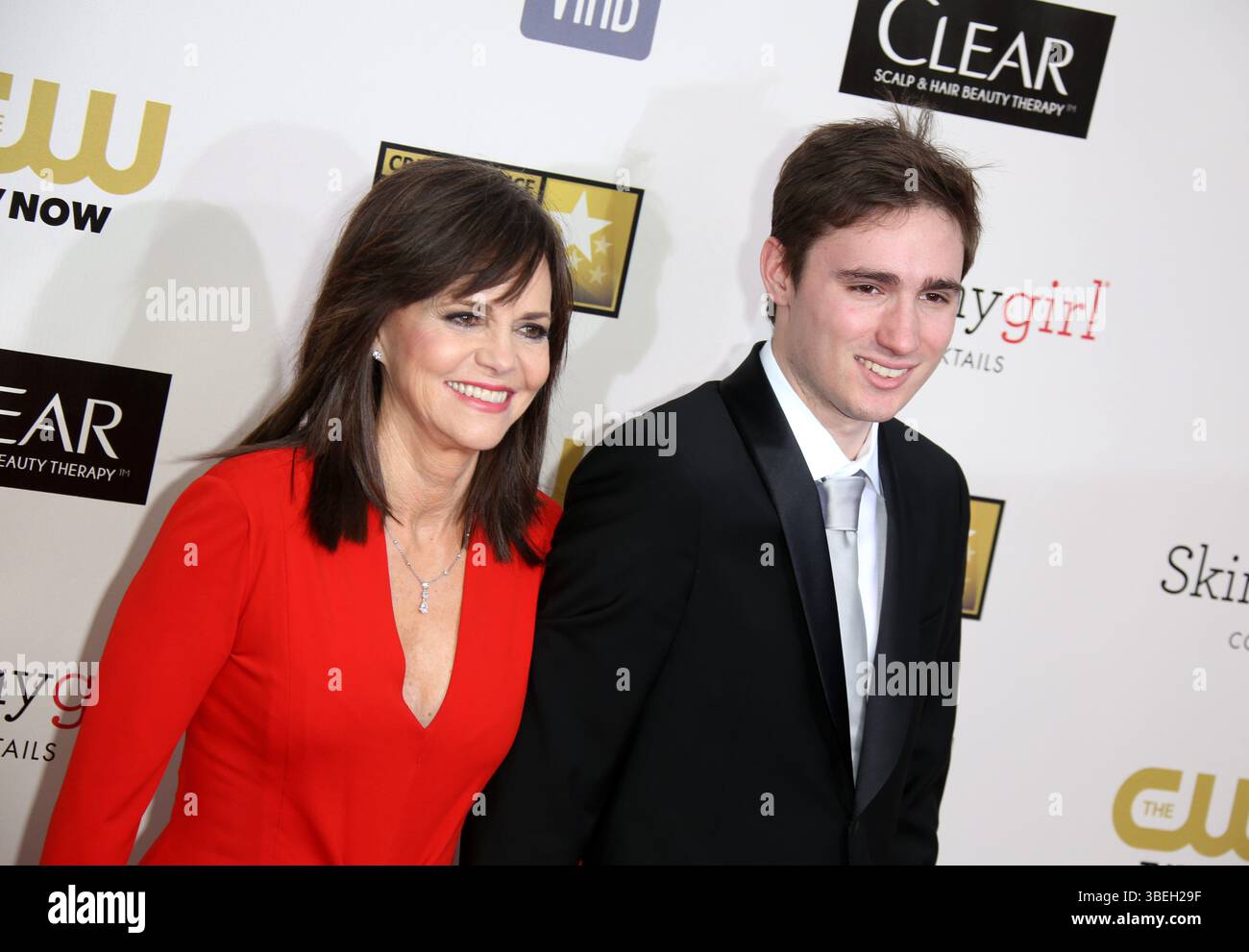
The professional and personal union of producer Alan Greisman and Academy Award-winning actress Sally Field represents a pivotal chapter in late 20th-century Hollywood. Through their production company, Fogwood Films, they navigated the complexities of the studio system to create character-driven narratives that blended humor with profound social commentary, leaving an indelible mark on American cinema.
In the landscape of 1980s and early 1990s Hollywood, few partnerships were as creatively synergistic as that of Alan Greisman and Sally Field. Married in 1984, the duo did not merely share a domestic life; they forged a professional alliance that empowered Field to transition from a sought-after leading lady to a formidable producer and creative force. This partnership was defined by a shared commitment to stories that explored the human condition through the lens of comedy, drama, and industry satire.
The Genesis of a Hollywood Powerhouse
The mid-1980s was a transformative era for Sally Field. Having already secured two Academy Awards for Best Actress (Norma Rae in 1979 and Places in the Heart in 1984), she was at the zenith of her acting career. However, like many women in the industry at the time, she sought greater control over the material she brought to the screen. Enter Alan Greisman, a producer with a keen eye for commercial viability and a reputation for nurturing talent.
Greisman’s background in production provided the structural support Field needed to launch Fogwood Films. Unlike many "vanity" production companies of the era, Fogwood was designed to be a functional, high-output entity. Greisman brought his experience from projects like Being There and Fletch to the table, while Field provided the star power and a refined sense of narrative depth. Together, they navigated the shifting tides of major studios like Columbia Pictures and TriStar, ensuring that their projects maintained a specific creative integrity.
Fogwood Films: A New Paradigm for Actress-Led Production
The creation of Fogwood Films was a strategic move that predated the modern era of actress-led production houses, such as Reese Witherspoon’s Hello Sunshine or Margot Robbie’s LuckyChap. In the 1980s, the concept of an actress producing her own vehicles was still relatively rare and often met with skepticism by male-dominated executive suites.
Greisman served as the stabilizing force in these business negotiations. His role was to handle the logistical, financial, and contractual hurdles, allowing Field to focus on script development and performance. Their collaboration was characterized by a "quality over quantity" approach. They didn't just want to make movies; they wanted to make movies that mattered to Field’s evolution as an artist. This period saw the development of projects that moved away from the "plucky survivor" archetype Field had mastered, moving instead toward complex, sometimes flawed, and deeply urban characters.
Major Collaborative Milestones: Punchline and Soapdish
To understand the Greisman-Field legacy, one must examine the two pillars of their collaborative output: Punchline (1988) and Soapdish (1991). These films represent the pinnacle of their professional synchronization.
Punchline (1988): Redefining Stand-Up Drama
Punchline was a risky project that delved into the gritty, often desperate world of stand-up comedy. Field played Lilah Krytsick, a housewife struggling to break into the comedy circuit, opposite Tom Hanks. Greisman’s production emphasized authenticity, famously requiring the actors to perform real stand-up sets in front of live audiences to capture genuine reactions.
The film was more than a comedy; it was a psychological study of ambition and the cost of the spotlight. Greisman’s ability to secure a significant budget for a drama about the mechanics of humor was a testament to his prowess as a producer. Field’s performance, supported by the environment Greisman helped build, showed a darker, more obsessive side of her acting range that had previously been untapped.
Soapdish (1991): A Masterclass in Satire
If Punchline was a serious look at comedy, Soapdish was a comedic look at the "serious" world of daytime television. Produced by Greisman and starring Field as the neurotic soap opera queen Celeste Talbert, the film remains a cult classic. It served as a blistering satire of the entertainment industry, ego, and the aging process in Hollywood.
The production of Soapdish required a delicate balance of slapstick and sharp wit. Greisman assembled an ensemble cast—including Kevin Kline, Robert Downey Jr., and Whoopi Goldberg—that thrived under the chaotic energy of the script. The film’s legacy in 2026 is its status as one of the most accurate, albeit exaggerated, depictions of behind-the-scenes television culture.
The Production Philosophy of Alan Greisman
Alan Greisman’s contribution to the partnership extended beyond just being "the producer." His philosophy centered on the idea that the producer’s job is to protect the director's and lead actor's vision from the dilution that often happens during studio interference.
Greisman was known for:
- Talent Insulation: Creating a "buffer" between the creative team and the financial backers.
- Narrative Discipline: Ensuring that even in broad comedies like Fletch (which he produced independently of Field), the story remained grounded in a character’s specific logic.
- High-Concept Execution: Taking complex ideas—like the existential crisis of an aging soap star—and making them accessible to a global audience.
In the context of his work with Field, Greisman acted as a curator of her talent. He recognized that her greatest strength was her vulnerability, and he sought out scripts that allowed her to weaponize that vulnerability in new ways.
Navigating the Industry and the Fogwood Era
The partnership also had to navigate the "Studio Wars" of the late 80s. During this time, mergers and acquisitions were changing the face of Hollywood. Fogwood Films had to remain agile. Greisman was instrumental in securing a multi-picture deal at a time when such deals were becoming increasingly restrictive.
The legacy of Fogwood is not just in the films that were made, but in the projects that were championed. They spent years developing stories about historical women and social issues, many of which paved the way for future biographical dramas. Their work helped establish a blueprint for how a high-profile marriage could successfully double as a high-functioning business unit, though the pressures of the industry eventually took a toll on their personal relationship.
Comparing the Major Collaborative Works
The following table highlights the key differences and impacts of the primary films produced during the Greisman-Field partnership.
| Feature | Punchline (1988) | Soapdish (1991) | A Dangerous Woman (1993) |
|---|---|---|---|
| Primary Genre | Comedy / Drama | Satire / Farce | Romantic Drama |
| Field's Role | Lilah Krytsick (Lead) | Celeste Talbert (Lead) | Martha Horgan (Lead) |
| Greisman's Role | Producer | Producer | Producer |
| Core Theme | The obsession of art | Industry ego/Identity | Social isolation/Truth |
| Critical Legacy | Praised for realism in comedy | Cult classic for satire | Noted for intense performance |
| Box Office Status | Moderate success | Solid commercial hit | Independent/Art-house appeal |
The Personal and Philanthropic Legacy
While Greisman and Field divorced in 1993, their legacy continued through their shared commitment to their son, Sam Greisman, and their mutual respect in the industry. In the years following their split, both continued to influence Hollywood in distinct ways.
Sally Field’s later career, including her acclaimed roles in Lincoln and Brothers & Sisters, was built on the foundation of the producing power she established during the Greisman years. Alan Greisman continued to produce significant works, including the 2007 hit The Bucket List, which echoed the themes of mortality and friendship found in his earlier collaborations.
From the perspective of 2026, the Greisman-Field partnership is viewed as a bridge between the old studio system and the modern era of creator-led content. They proved that "prestige" acting and "commercial" producing were not mutually exclusive, but rather two sides of the same coin.
Influence on Modern Actress-Producers
Today’s stars who run their own production companies often cite the pioneers of the 80s and 90s as their inspiration. The Greisman-Field model showed that a producer’s primary value is in identifying the specific "voice" of the star and building a fortress around it. Their legacy is felt in every project where a female lead has a seat at the executive table.
FAQs
Were Alan Greisman and Sally Field married when they made Soapdish?
Yes, they were married during the production and release of Soapdish. They married in 1984 and remained together until their divorce was finalized in 1993. This period was the most prolific for their joint company, Fogwood Films.
What was the name of the production company owned by Sally Field and Alan Greisman?
Their production company was called Fogwood Films. It was established to give Field more creative control over her projects and was responsible for several notable films in the late 80s and early 90s.
Did Alan Greisman produce films without Sally Field?
Absolutely. Alan Greisman has an extensive career as an independent producer. Some of his most notable works outside of his partnership with Field include the Chevy Chase classic Fletch (1985), the Academy Award-nominated Being There (as associate producer), and the 2007 film The Bucket List starring Jack Nicholson and Morgan Freeman.
How many children do Sally Field and Alan Greisman have together?
They have one son together, Sam Greisman, born in 1987. Sam has since become a writer and director, continuing the family’s creative legacy. Sally Field also has two sons, Peter and Eli Craig, from her previous marriage to Steven Craig.
Is Soapdish considered their most successful collaboration?
Financially and in terms of enduring popularity, Soapdish is often cited as their most successful collaboration. While Punchline received significant critical attention for its performances, Soapdish has maintained a vibrant "cult" status and is frequently studied for its masterful use of ensemble comedy and satire.
Exploring the Greisman-Field Filmography
For those looking to understand the evolution of Hollywood production, viewing the Fogwood Films catalog is highly recommended. Start with Soapdish to see the height of their collaborative energy, and follow it with Punchline to appreciate the dramatic risks they were willing to take. These films offer a masterclass in how to balance star power with sophisticated storytelling—a legacy that remains relevant for filmmakers and audiences alike in 2026.