The Alan Dale Captain America ultimate fan creation story refers to a high-fidelity digital narrative and fan-led "what-if" project that reimagines veteran actor Alan Dale in the role of an elder Steve Rogers or an alternate-timeline Captain America. While Dale officially appeared in the Marvel Cinematic Universe (MCU) as Councilman Rockwell in Captain America: The Winter Soldier, this fan-created story leverages his authoritative screen presence to explore a legacy-driven version of the iconic hero that never made it to the big screen.
The Genesis of a Fan Legend: Alan Dale’s MCU Connection
To understand the "ultimate fan creation story," one must first look at Alan Dale’s established history within the Marvel framework. In 2014’s Captain America: The Winter Soldier, Dale portrayed Councilman Rockwell, a member of the World Security Council. Though his screen time was limited, fans of the actor—known for his commanding roles in Lost, 24, and Neighbours—immediately began speculating on his character’s deeper history.
The fan creation story gained momentum when digital artists and narrators began questioning: What if Rockwell was more than a politician? In many fan-fictional circles and high-end digital edits, Rockwell is reimagined as a "Sleeper Super Soldier" or a version of Steve Rogers who had been living in the shadows since the 1950s. This "ultimate" story serves as a bridge between the canonical MCU and a gritty, noir-inspired alternate history where Dale represents the weight of decades of covert service.
The narrative often focuses on the "Man on the Wall" concept from Marvel Comics, where a hidden protector watches over Earth. By casting Dale—who naturally embodies the "Elder Statesman" archetype—fans created a narrative layer that adds gravity to the existing MCU lore, transforming a minor council member into a cornerstone of a secret super-soldier program.
Structural Breakdown of the "Ultimate" Fan Narrative
The "ultimate fan creation story" is not a single video but a collaborative body of work including deepfake "concept trailers," serialized fan fiction, and high-resolution digital art. By 2026, these creations have become increasingly sophisticated, often utilizing generative AI to place Dale in the classic scale-mail suit.
The story typically follows a specific three-act structure:
- The Hidden History: The narrative begins in the post-WWII era, suggesting that Steve Rogers (reimagined as Dale) did not simply retire but assumed the identity of Rockwell to dismantle Hydra from within the political system.
- The Winter Soldier Conflict: The story re-contextualizes the events of 2014. When Rockwell is threatened by Alexander Pierce, the fan creation suggests he was mere seconds away from revealing his super-soldier abilities to save the other council members.
- The Legacy Pass: In the final act, this version of Captain America meets the "modern" Steve Rogers (Chris Evans), providing a mentor-like guidance that mirrors the relationship between an old soldier and his younger self.
This structure allows fans to explore themes of aging, political compromise, and the burden of secrets—themes that are often touched upon in the comics but rarely explored with the specific gravitas that an actor of Alan Dale’s caliber provides.
Technical Evolution: Creating High-Fidelity Fan Media in 2026
In 2026, the technical barriers to creating the "ultimate fan story" have significantly lowered, allowing creators to produce studio-quality visuals. The Alan Dale Captain America project is a prime example of how modern tools are used to breathe life into fan-casting dreams.
Advanced Digital Toolsets
Creators typically use Unreal Engine 5 (or the 2026 equivalent) for environment rendering, combined with high-fidelity face-swapping technology. To make Dale look like a younger Captain America for flashback scenes, fans employ "De-aging" neural networks that analyze his performances from the late 1980s.
Voice Synthesis and Ethics
One of the most striking elements of the Alan Dale fan creation is the use of AI-driven voice cloning. By training models on Dale’s extensive filmography, creators can generate new dialogue that captures his distinctive baritone. This has sparked significant discussion within the fan community regarding the ethics of likeness rights, leading many creators to include disclaimers and operate under strict non-commercial guidelines to honor the actor’s professional standing.
Procedural Suit Design
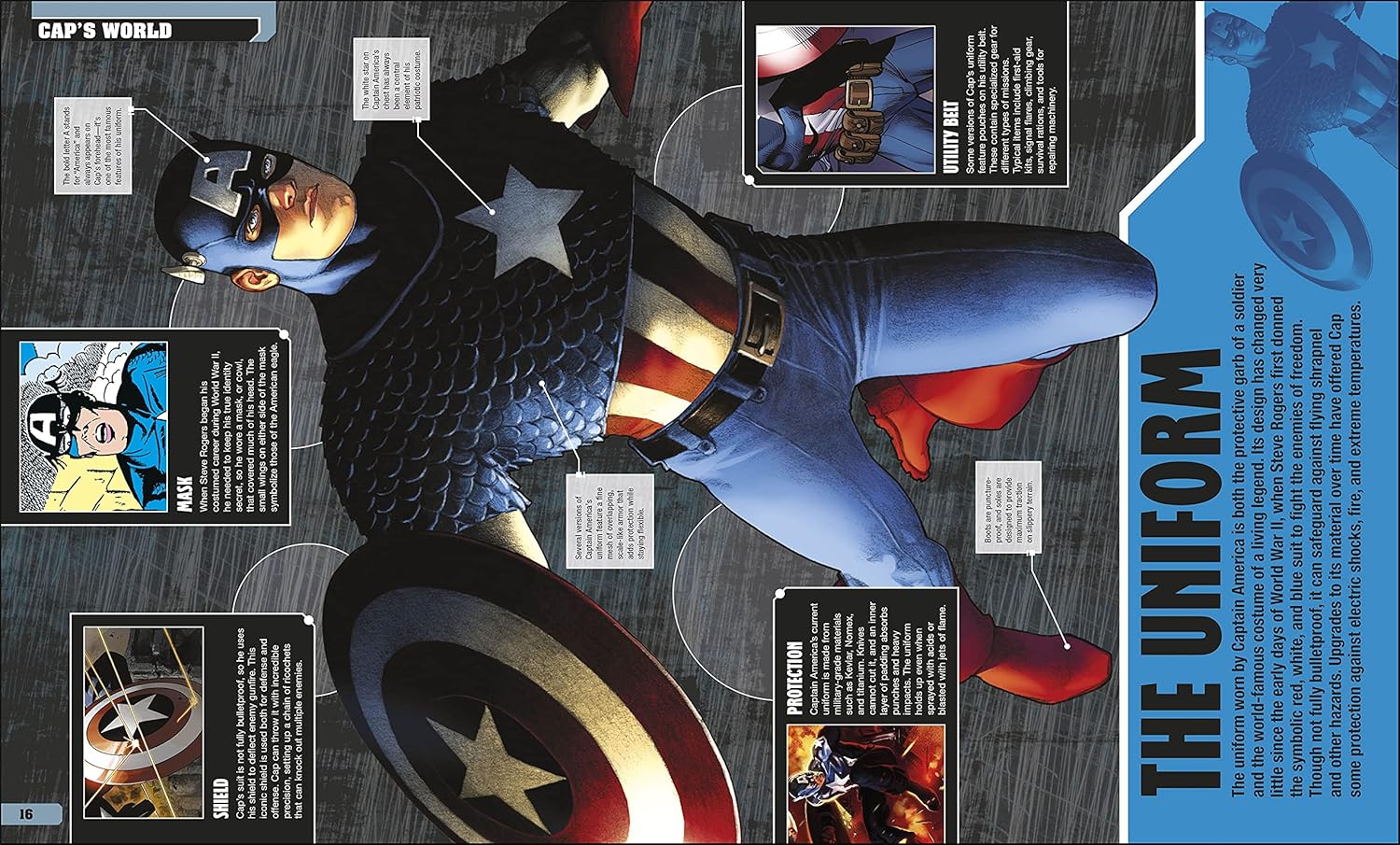
In this fan story, the Captain America suit is often a hybrid of the 1940s tactical gear and the modern stealth suit. Digital artists use procedural textures to add "wear and tear," suggesting a suit that has been used in classified missions for over fifty years. This level of detail is what elevates the project from a simple "meme" to an "ultimate creation."
Comparison: The "Rockwell" Captain America vs. The MCU Steve Rogers
The following table highlights the key differences between the canonical portrayal of Captain America and the version presented in the Alan Dale fan creation story.
| Feature | MCU Steve Rogers (Canon) | Alan Dale "Rockwell" Version (Fan Creation) |
|---|---|---|
| Primary Identity | Steve Rogers | Councilman Rockwell / "Old Man" Rogers |
| Operational Era | 1940s, then 2011–2023 | Continuous covert service (1945–Present) |
| Personality | Idealistic, stubborn, transparent | Pragmatic, secretive, politically savvy |
| Suit Design | Vibrant red, white, and blue | Muted "Shadow" colors with heavy armor |
| Main Conflict | Fighting external threats (Thanos, Hydra) | Fighting internal systemic corruption |
| Narrative Role | The frontline leader | The hidden architect and mentor |
The Cultural Impact of Fan-Led Multiverse Stories
The rise of the Alan Dale Captain America story reflects a broader shift in how audiences consume media in 2026. The concept of a "Multiverse" is no longer just a plot point in movies; it is a playground for the audience.
Fan creations like this serve as a form of "community canon." While Marvel Studios may not officially recognize Councilman Rockwell as a version of Steve Rogers, the sheer volume of high-quality fan content creates a secondary layer of enjoyment for viewers. It allows fans to fix perceived "missed opportunities"—such as the lack of screen time for a talented veteran actor like Dale—and provides a more complex, mature take on superheroism.
Furthermore, these projects act as a portfolio for aspiring directors and digital artists. Several creators involved in the early "Dale-Cap" edits have since been scouted by major VFX houses, proving that the "ultimate fan creation" is a legitimate entry point into the entertainment industry.
Challenges and Legal Considerations for Fan Creators
While the "Alan Dale Captain America" story is a testament to creativity, it exists in a complex legal gray area. Navigating the intersection of copyright law and fan expression is a primary concern for the creators involved.
- Likeness Rights: Actors generally have rights over how their image is used. While Dale’s role in the MCU makes him a public figure in that context, using AI to make him "star" in a new narrative requires careful navigation of "fair use" and transformative work principles.
- Marvel/Disney Policies: Disney has historically been protective of its IP. However, they often tolerate fan creations that do not monetize the content directly. The "ultimate" story survives because it is a labor of love shared on community platforms rather than a sold product.
- Platform Moderation: In 2026, many video-sharing platforms have integrated automated tools to detect AI-generated likenesses. Creators must often verify that their work is a "parody" or "fan tribute" to avoid automated takedowns.
To mitigate these risks, the most successful fan creators maintain transparent communication with their audience, clearly labeling all content as "Unofficial Fan-Made Heritage Projects" and avoiding any use of official Marvel branding or logos in a way that suggests endorsement.
How to Access the Alan Dale Fan Creation Content
If you are looking to dive into this specific fan universe, there are several key places where the community thrives:
- Fan-Edit Databases: Websites dedicated to "fan-cuts" often host the full-length reimagined versions of The Winter Soldier that incorporate Dale’s expanded backstory.
- Digital Art Portals: Search for "Old Man Rockwell" or "Legacy Cap Dale" on major art portfolio sites to find high-resolution suit designs and concept art.
- Creative Writing Archives: Several long-form "Alternative History" scripts exist that detail the year-by-year covert operations of this version of the character.
Common Mistakes to Avoid When Engaging with Fan Stories
When exploring the Alan Dale Captain America story, it is important to distinguish between "fan canon" and "official canon." A common mistake is citing these fan-created backstories in official MCU discussions. Remember that while these stories are highly detailed, they are not recognized by Marvel Studios.
Additionally, when sharing this content, always credit the original digital artists and writers. The "ultimate" nature of the story comes from the thousands of hours of unpaid labor provided by the community; ensuring they receive recognition helps keep the fan-creation ecosystem healthy.
Why This Specific Creation Went Viral
The reason the Alan Dale story resonated more than other fan castings (like Nathan Fillion as Green Lantern) is the inherent mystery of the MCU's World Security Council. The Council was always a shadowy group, and Dale’s ability to project "hidden depths" made the transition to a secret Captain America feel plausible. It didn't just feel like a random choice; it felt like a discovery of something that was "hidden in plain sight."
FAQ: Understanding the Alan Dale Captain America Phenomenon
Is Alan Dale officially playing Captain America in any upcoming Marvel movie?
As of 2026, there is no official confirmation from Marvel Studios that Alan Dale will take on the mantle of Captain America. His role remains Councilman Rockwell within the established MCU canon. The "Alan Dale Captain America" story is entirely a fan-driven project, albeit one with exceptionally high production values that can make it appear official to the casual observer.
Why did fans choose Alan Dale for this specific reimagining?
The choice was driven by a combination of his authoritative acting style and his existing presence in The Winter Soldier. Fans noted his resemblance to the "Old Man Rogers" seen at the end of Avengers: Endgame and felt that his character, Rockwell, was underutilized. This led to the creative "re-interpretation" of his role as a hidden super-soldier.
How are the visuals for these fan stories created?
Creators use a suite of modern tools including Deepfake technology for facial replacement, Unreal Engine for cinematic environments, and AI-assisted de-aging filters. These tools allow fans to overlay Alan Dale’s likeness onto existing Captain America action sequences or create entirely new scenes from scratch.
Is the "Alan Dale Captain America" story a book or a movie?
It is a multi-media "fan creation," meaning it exists as a collection of short films, digital art series, and fan-written scripts. There is no single "movie" you can buy in a theater; instead, it is a decentralized narrative spread across various fan platforms and social media channels.
Can I contribute to the Alan Dale fan creation story?
Yes, the nature of fan-led stories is collaborative. Most communities centered around this narrative welcome new digital art, "what-if" scripts, and video edits. However, most groups maintain a "non-commercial" rule to avoid legal issues with Disney and the actor’s estate or representatives.
Next Steps for Fans of the Alternate Captain America Narrative
If you are captivated by the Alan Dale Captain America ultimate fan creation story, your next step should be to explore the community-driven "Legacy Timelines." These are curated collections of fan-edits and lore documents that organize the disparate parts of the story into a cohesive chronological history.
For those interested in the technical side, researching "Deepfake Ethics in 2026" or "Unreal Engine Cine-Camera tutorials" will provide the foundational skills needed to contribute your own chapters to this evolving legend. Whether you view it as a simple "what-if" or a profound reimagining of a beloved hero, the Alan Dale story stands as a testament to the power of a dedicated fan base to expand a universe far beyond the limits of the original script.