Planning an Alabama travel itinerary involves navigating a rich tapestry of historical landmarks, diverse ecological landscapes ranging from Appalachian foothills to Gulf Coast beaches, and a vibrant culinary and cultural scene. Organizing a successful trip requires a clear understanding of regional attractions, optimal seasonal timing, regional transportation networks, and specific logistical prerequisites for visitors exploring the state.
Understanding the Alabama Travel Landscape
The state of Alabama offers a distinct geographic and cultural division that shapes visitor itineraries. Travelers typically encounter three primary regions: North Alabama, characterized by the Appalachian Mountains, Tennessee River valleys, and aerospace history in Huntsville; Central Alabama, dominated by the state capital, civil rights historical sites, and the rolling Piedmont; and South Alabama, featuring the historic port city of Mobile and the white-sand beaches of the Gulf Coast along Baldwin and Mobile counties.
Navigating these distinct zones effectively requires an appreciation of distances and transit times. While major interstates such as I-65 running north-to-south and I-20 running east-to-west facilitate efficient movement between major urban centers, secondary highways are often necessary to access state parks, rural historical monuments, and remote recreational areas. Visitors should factor in the humid subtropical climate, which brings hot, high-humidity summers and mild winters, making spring (March through May) and autumn (September through November) the most comfortable periods for outdoor exploration and historical sightseeing.
Essential Preparation and Logistics
A well-structured Alabama travel plan begins with verifying logistical requirements, accommodations, and transit infrastructure. While the state does not enforce specialized entry requirements for domestic travelers, international visitors must adhere to standard U.S. customs and entry protocols governed by federal authorities. Renting a car is almost universally recommended for travelers outside of downtown Birmingham or Mobile, as public transit networks between cities are limited.
Accommodations range from historic bed-and-breakfasts in antebellum districts to modern boutique hotels, state park cabins, and coastal resorts. Securing lodging well in advance is critical during peak seasons, particularly during coastal spring break periods, major college football weekends in autumn, and annual cultural festivals. Travelers should also account for local toll roads or bridge fees in specific coastal municipalities, ensuring that digital payment methods or cash are readily available.
Regional Highlights and Primary Attractions
Each geographic zone in Alabama provides unique cultural and recreational assets that draw specific categories of visitors. The table below outlines the primary regions, key attractions, and recommended trip durations for planning purposes.
| Region | Primary Attractions | Ideal Trip Duration | Main Visitor Activities |
|---|---|---|---|
| North Alabama | U.S. Space & Rocket Center, Little River Canyon, Cathedral Caverns | 3–4 Days | Hiking, aerospace exploration, cave tours |
| Central Alabama | Birmingham Civil Rights National Monument, Rosa Parks Museum, Cheaha State Park | 2–3 Days | Civil rights history, museum touring, hiking |
| South Alabama | USS Alabama Battleship Memorial Park, Gulf Shores beaches, Dauphin Island | 4–5 Days | Coastal recreation, military history, wildlife viewing |
North Alabama serves as a hub for scientific heritage and natural topography. Huntsville houses the U.S. Space & Rocket Center, showcasing authentic space exploration hardware, including Saturn V rockets. Nearby, natural formations like Cathedral Caverns State Park and the Tennessee River offer extensive opportunities for subterranean exploration and freshwater recreation.
Central Alabama centers heavily on historical education and civil rights heritage. Montgomery and Birmingham feature pivotal landmarks from the American Civil Rights Movement, including the 16th Street Baptist Church, the Civil Rights Institute, and the National Memorial for Peace and Justice. Additionally, Cheaha State Park in Cleburne County offers the highest elevation in the state, featuring panoramic views from the southern end of the Appalachian Mountain chain.
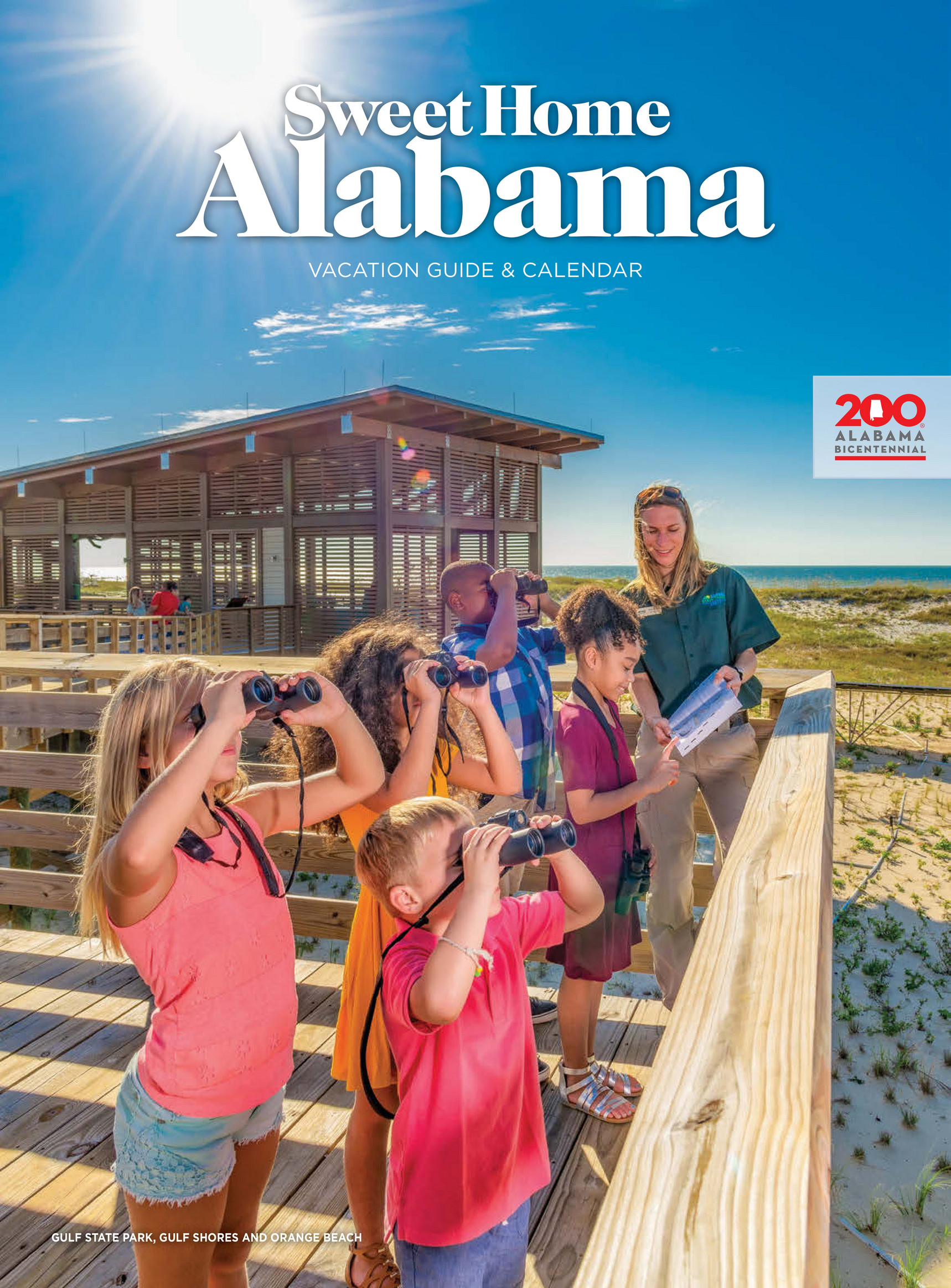
South Alabama transitions the landscape toward maritime history and subtropical coastlines. Mobile hosts the USS Alabama Battleship Memorial Park, where visitors can tour World War II naval vessels and vintage aircraft. Further south, the 32 miles of public coastline along Gulf Shores and Orange Beach provide ecological preserves, deep-sea fishing charters, and Gulf of Mexico access.
Budgeting and Cost Considerations for Visitors
Financial planning for an Alabama trip varies significantly based on seasonal demand and geographic location. Coastal destinations during peak summer months experience elevated lodging rates, whereas urban exploration in central and northern regions remains relatively stable throughout the year.
- Lodging: Standard hotel accommodations average between $90 and $160 per night, while coastal resorts and peak-season rentals frequently exceed $250 to $400 per night. State park cabins and campsites offer cost-effective alternatives ranging from $30 to $120 per night.
- Dining: Culinary travel, particularly sampling authentic southern barbecue and Gulf seafood, ranges from casual diner pricing ($10–$20 per meal) to upscale dining experiences in Birmingham and Mobile ($50+ per person).
- Transportation: Fuel costs align with or sit slightly below national averages. Rental car rates fluctuate based on pickup location, with major airports like Birmingham-Shuttlesworth International (BHM) and Huntsville International (HSV) offering competitive inventories.
Common Mistakes to Avoid When Planning Your Itinerary
Navigating a trip to a geographically diverse state like Alabama requires avoiding several frequent logistical missteps. Underestimating travel distances between the northern mountain terrain and southern coastal beaches is a primary error; driving from Huntsville to Gulf Shores spans approximately six hours across the central corridor.
Another common oversight involves ignoring the operational schedules of historical museums and state parks, many of which operate on reduced hours or close on specific days during non-peak seasons. Furthermore, travelers frequently overlook the impact of collegiate athletic events; home games for major universities in Tuscaloosa and Auburn cause immediate, widespread hotel sell-outs and severe traffic congestion throughout surrounding counties months in advance.
Frequently Asked Questions About Alabama Travel
What is the best time of year to visit Alabama?
Spring (March through May) and autumn (September through November) offer the most favorable weather conditions for Alabama travel. Temperatures during these shoulder seasons remain moderate, avoiding the intense humidity and high heat of July and August while providing ideal conditions for outdoor recreation and historical touring.
Do I need to rent a car to travel around Alabama?
Renting a car is strongly recommended for most itineraries. While rideshare services and limited public transit operate within major urban centers like Birmingham and Montgomery, visiting state parks, historic trails, coastal beaches, and rural attractions requires personal or rental automotive transport.
Are reservations required for state park cabins and campgrounds?
Reservations are heavily advised and often mandatory for weekends and holiday periods. Popular state parks such as Gulf State Park, Cheaha State Park, and DeSoto State Park book out months in advance for cabins, RV hookups, and primitive campsites, particularly during peak autumn foliage and summer vacation windows.
What are the main culinary specialties to try in Alabama?
Visitors should sample regional staples including authentic pit-smoked barbecue served with white Alabama barbecue sauce, Gulf-caught shrimp and oysters along the southern coast, and traditional southern meat-and-three cafeteria plates. The state also features a rapidly expanding fine-dining scene led by James Beard Award-winning chefs in Birmingham.
How accessible are historical civil rights sites for self-guided tours?
Most civil rights landmarks in Birmingham, Montgomery, and Selma feature structured visitor centers with self-guided or docent-led tour options. Visitors should allocate at least a full day in each city to properly engage with the museums, memorials, and walking trails without rushing the educational experience.
Tailoring Your Next Steps
Begin your final planning phase by identifying your primary travel motivation—whether focused on coastal recreation, historical education, or mountain hiking—and map out your route using major interstate corridors. Verify operating hours for specific institutional museums, secure lodging well ahead of major seasonal events, and check official state tourism portals for up-to-date regional guides, safety bulletins, and local calendar updates.