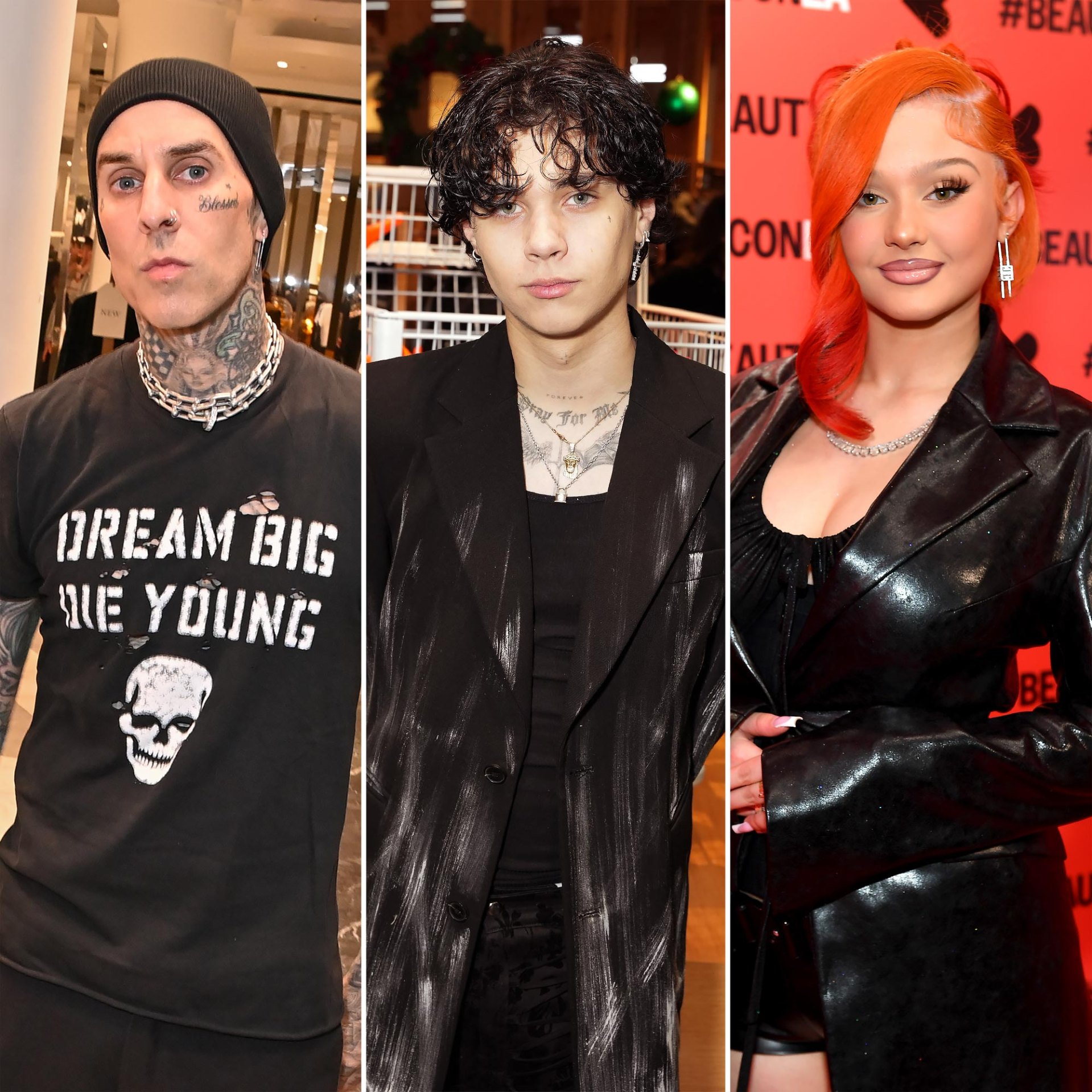
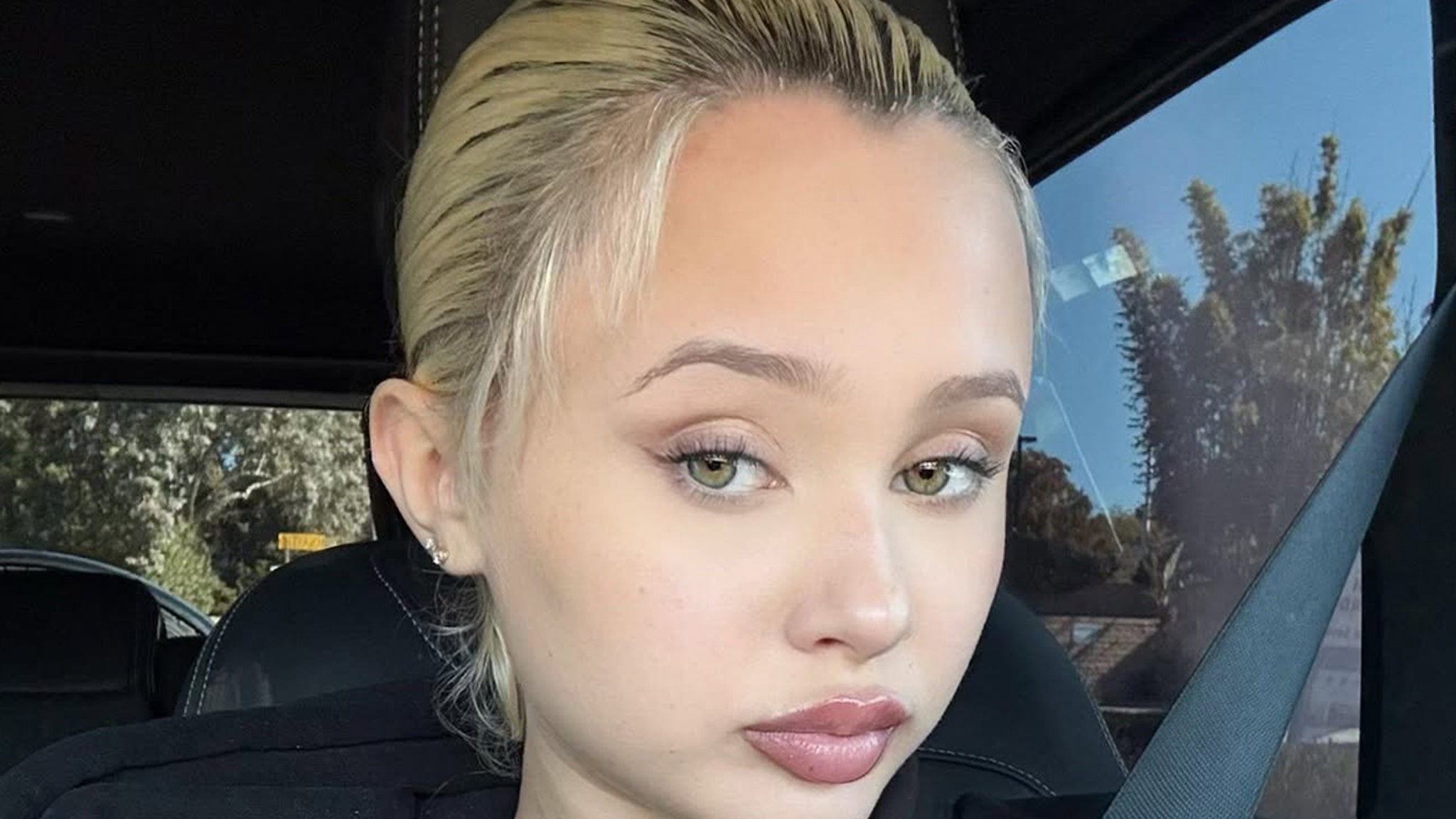
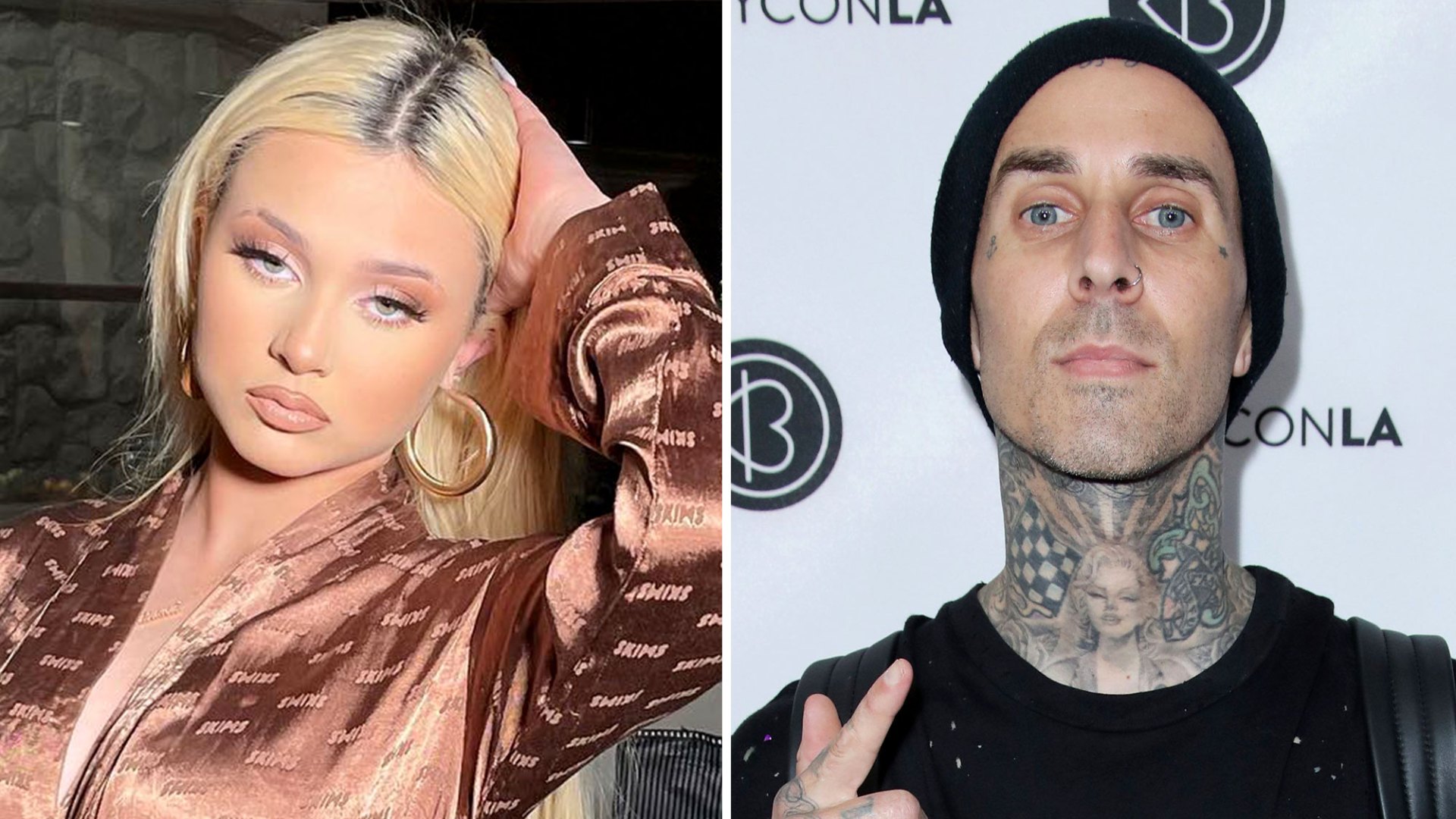
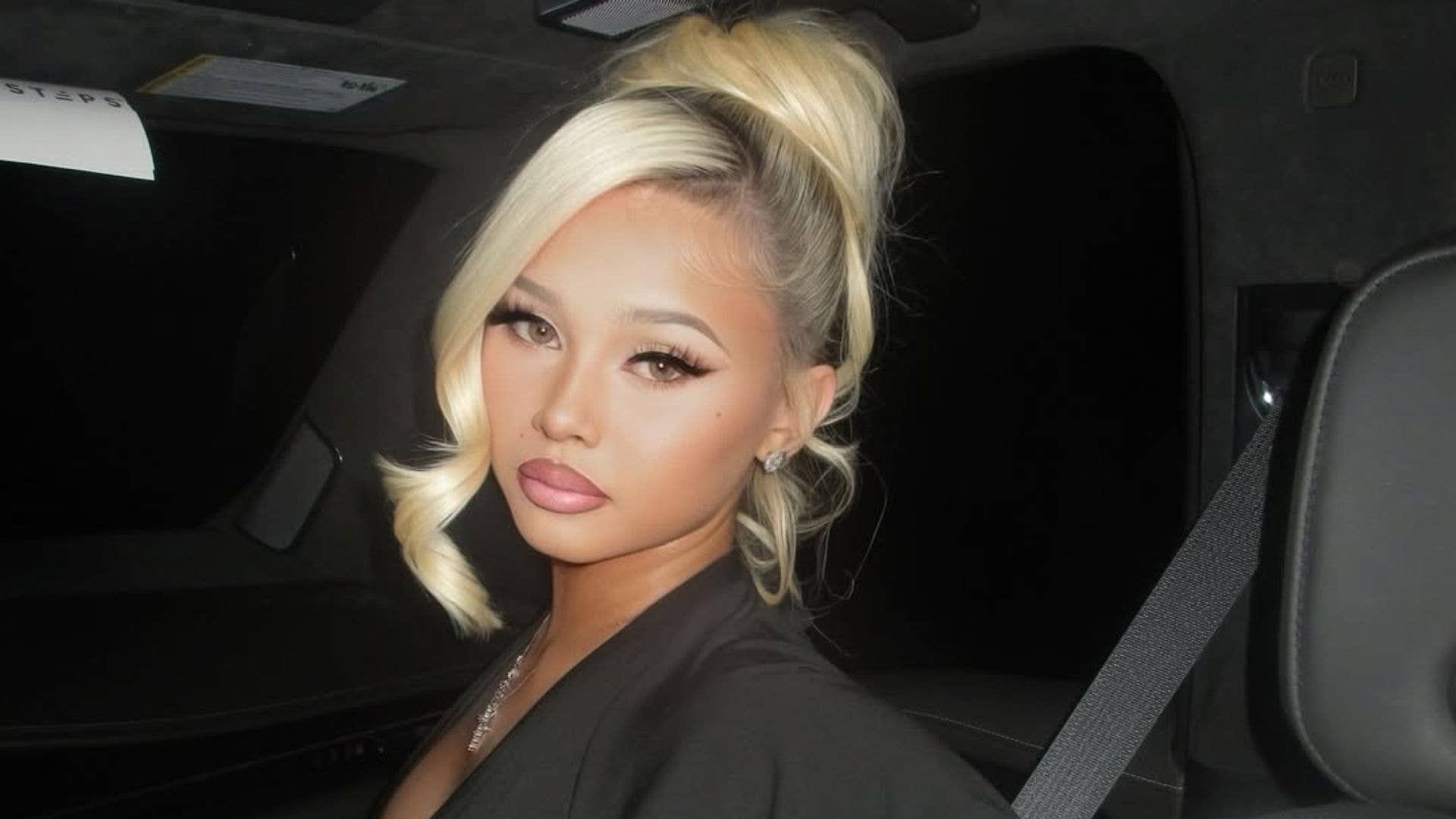
The public curiosity surrounding Alabama Barker at age 15 centers on her growing prominence as a celebrity offspring, navigating digital media platforms, and managing early public exposure. This period marked a significant phase of heightened media attention regarding her lifestyle, public appearances, and social media presence, reflecting broader conversations about youth in the entertainment industry.
Tracing the Background and Celebrity Lineage of Alabama Barker
Alabama Luella Barker was born into the public eye as the daughter of prominent musician Travis Barker, the renowned drummer for blink-182, and former beauty queen Shanna Moakler. Because of her family's established status in the entertainment and reality television landscape, media organizations and digital platforms have closely tracked her milestones from an early age.
When digital coverage highlights specific ages—such as fifteen—it frequently coincides with a transition into more active personal branding, independent social media curation, and public appearances. Unlike earlier generations of celebrity children who were largely shielded by their parents until adulthood, contemporary teenagers often manage public profiles across platforms like TikTok and Instagram. This digital participation invites both widespread follower engagement and intense scrutiny from media outlets that aggregate social media posts into dedicated photo galleries and biographical stories.
The Role of Social Media in Shaping the 15-Year-Old Narrative
At age 15, Alabama Barker’s digital footprint expanded significantly as she utilized short-form video apps and photo-sharing platforms to express her personal style, makeup preferences, and fashion choices. Her online activity often served as the primary source material for entertainment publications tracking her daily life.
| Platform Feature | Typical Content at Age 15 | Public Reception & Media Impact |
|---|---|---|
| High-fashion outfits, professional photo shoots, lifestyle imagery | Frequently analyzed by fashion blogs for teen trends and brand associations. | |
| TikTok | Lip-syncing videos, dance trends, collaborations with family members | Generated rapid viral reach, driving mainstream entertainment news coverage. |
| Live Streams | Casual interactions with followers, makeup tutorials, Q&A sessions | Provided unfiltered glimpses into daily life, occasionally sparking media commentary. |
The intersection of youth culture and high-visibility digital platforms creates a unique dynamic. When a teenager with millions of followers posts content, media aggregators often compile these updates into retrospective photo features and narrative summaries. This cycle transforms ordinary adolescent self-expression into formalized public entertainment news.
Examining Media Ethics and the Scrutiny of Celebrity Minors
The extensive coverage of minors in the entertainment industry raises significant questions regarding digital privacy, ethical journalism, and child protection standards. Publications that compile exclusive photo galleries or narrative features about teenagers must navigate the boundaries between public curiosity and the protection of minors.
Psychologists and media analysts frequently note that growing up under a microscope can accelerate public maturity while placing psychological pressures on developing adolescents. For Alabama Barker, navigating public commentary, critique from online users, and tabloid interest required a resilient approach to digital boundaries. While her family's involvement in reality television provided early media literacy, the independent management of social media at age 15 introduced distinct challenges regarding public perception versus private reality.
The Evolution of Teen Stardom in the Digital Era
The nature of celebrity status has undergone a fundamental transformation over the past decade. Traditional pathways to fame—such as acting in television programs or releasing music—are now frequently preceded or supplemented by organic digital influence. At age 15, Alabama Barker exemplified this shift by cultivating an independent audience before launching formal artistic or commercial ventures.
This modern trajectory means that exclusive stories and photo features function less as traditional journalistic exposés and more as curated digital scrapbooks. Entertainment journalists track shifts in aesthetic choices, brand alignments, and familial dynamics, piecing together a narrative from publicly available data points. Consequently, the public fascination with a fifteen-year-old's life reflects a broader cultural obsession with the children of icons and how they construct their own identities within the digital sphere.
Frequently Asked Questions
Who are Alabama Barker's parents?
Alabama Barker is the daughter of Travis Barker, the drummer for the rock band blink-182, and Shanna Moakler, an actress, model, and former Miss USA. Both parents have a long history in the public eye, which has contributed to continuous media interest in their children.
Why did media coverage peak around Alabama Barker at age 15?
At age 15, her activity on platforms like TikTok and Instagram increased significantly, coinciding with her expanding public profile, distinct fashion evolution, and frequent appearances alongside her family during high-profile events.
How do platforms handle media coverage of celebrity minors?
Mainstream outlets generally focus on public social media posts, red carpet appearances, and authorized family statements. However, the line between aggressive tabloid tracking and standard entertainment journalism remains a subject of ongoing ethical discussion regarding minors.
What kind of content did Alabama Barker share online during this period?
Her digital output primarily consisted of fashion photography, beauty and makeup tutorials, lifestyle updates, and participation in viral social media dance and music trends.
How does growing up online impact public figures at a young age?
Early digital exposure provides opportunities for personal branding and creative expression, but it also exposes minors to intense public scrutiny, unsolicited commentary, and the challenge of maintaining privacy during formative teenage years.
Navigating Public Digital Archives Responsibly
For researchers, media analysts, and observers examining the digital footprint of public figures, approaching historical archives requires maintaining a distinction between confirmed biographical milestones and speculative tabloid narratives. When reviewing content related to the formative years of young media personalities, prioritizing verified statements from primary sources helps ensure an accurate understanding of their career trajectories and personal development within the modern entertainment ecosystem.