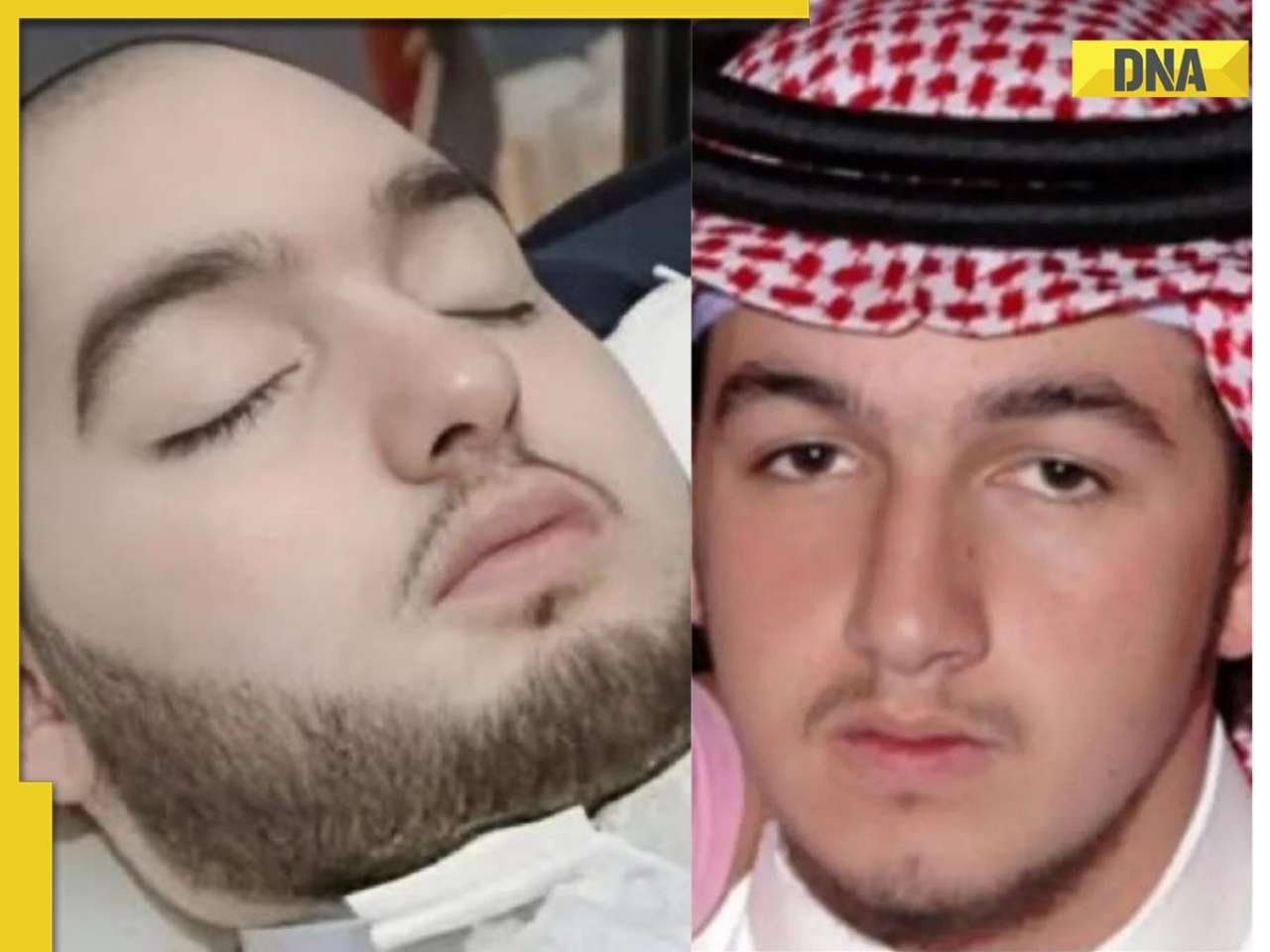
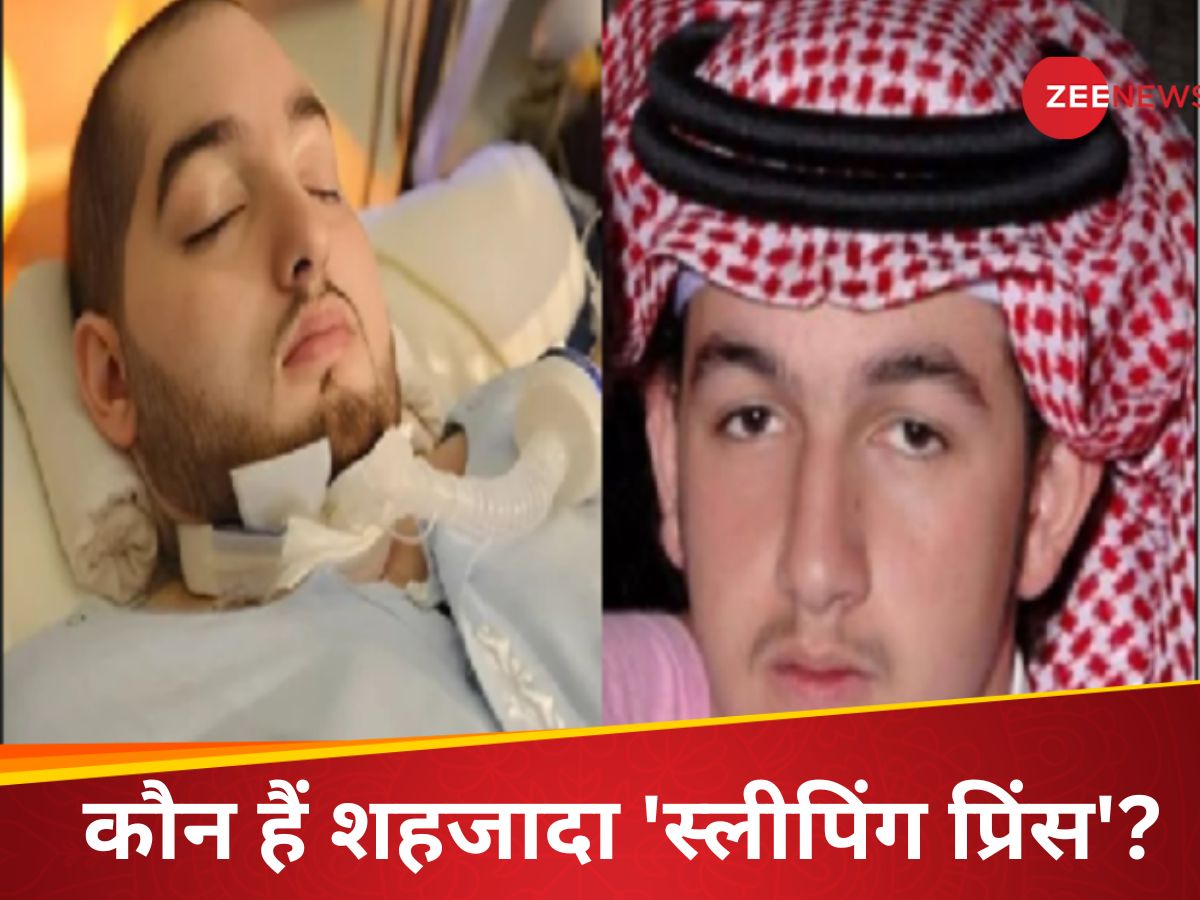
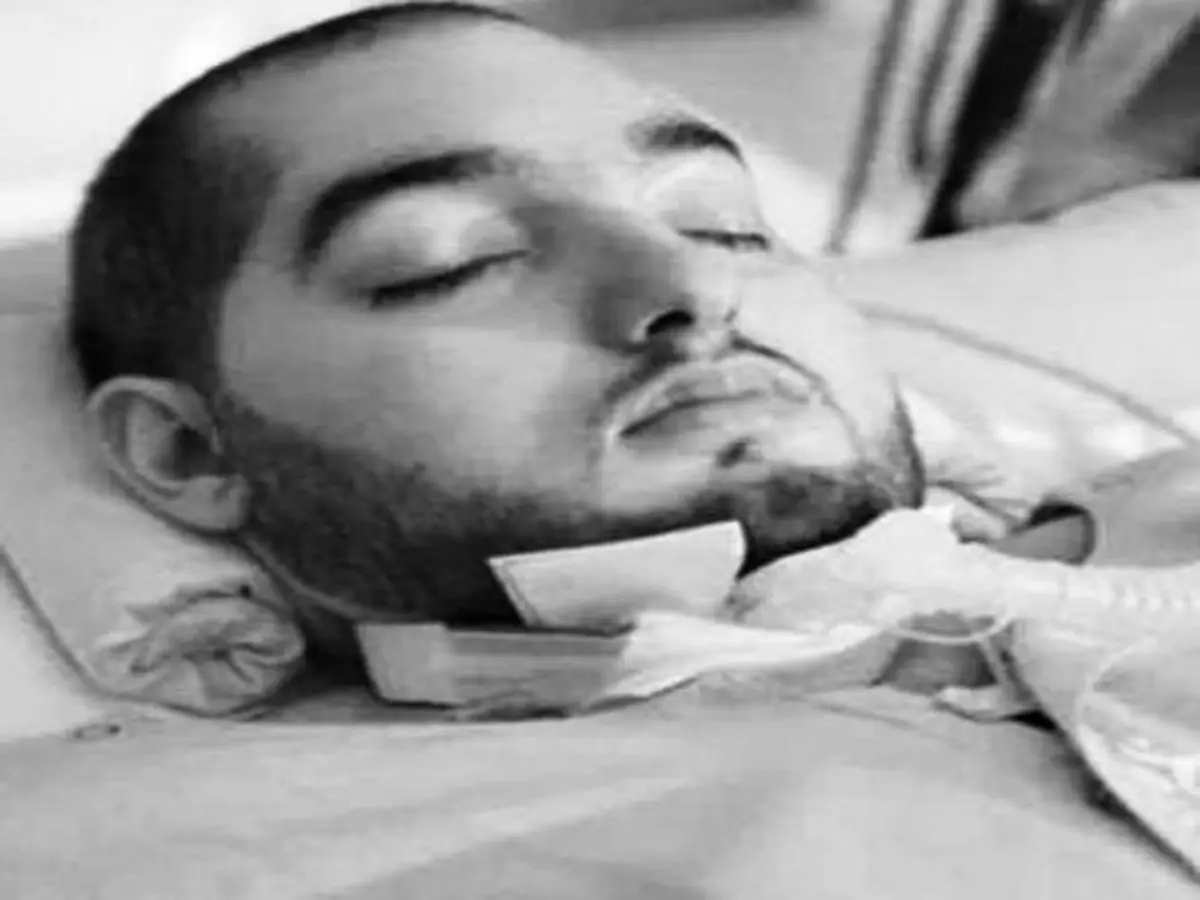
Prince Al Waleed bin Khaled bin Talal Al Saud, widely known as the "Sleeping Prince," remains under continuous medical supervision at a specialized hospital in Riyadh following a catastrophic car accident in 2005. Decades after the initial trauma that left him in a prolonged coma, public interest persists regarding his medical status, technological interventions, and family updates. While occasional unverified reports or social media rumors surface suggesting subtle physical movements, official medical evaluations continue to categorize his condition as a stable, persistent vegetative state without significant recovery breakthroughs.
Understanding the Background of the 2005 Tragic Accident
The historical events leading to the prolonged hospitalization of Prince Al Waleed bin Khaled bin Talal date back to a devastating vehicular collision in 2005. At the time of the incident, the Prince was a student at a military college in the United Kingdom. During a visit back to his home country, a high-impact traffic accident occurred, resulting in severe cranial trauma and massive internal bleeding.
Emergency medical responders transported him immediately to a local facility where neurosurgeons performed critical stabilization procedures. Despite immediate surgical intervention to relieve intracranial pressure, the extensive loss of oxygen and primary brain tissue damage plunged the young royal into an unresponsive state. The severity of the trauma precluded standard neurological recovery, establishing the clinical foundation for what would become a decades-long medical journey managed by an intensive home and hospital care team.
Medical Status, Life Support, and Specialized Care Protocols
Managing a patient in a persistent vegetative state for over two decades requires advanced, continuous medical infrastructure. Prince Al Waleed resides in a dedicated room equipped with advanced intensive care unit (ICU) technology in Riyadh, overseen by a rotating team of specialized physicians, neurologists, and respiratory therapists.
Nutritional delivery is maintained through percutaneous endoscopic gastrostomy (PEG) tubes, ensuring consistent caloric and fluid intake. Physical therapists perform daily passive range-of-motion exercises to prevent joint contractures, muscle atrophy, and circulatory stasis. Respiratory support is calibrated to maintain adequate oxygenation while minimizing ventilator dependency, though mechanical assistance remains essential for airway management.
| Medical Intervention | Primary Purpose | Maintenance Frequency |
|---|---|---|
| Enteral Nutrition (PEG Tube) | Direct delivery of essential nutrients and fluids | Continuous / Scheduled daily feeds |
| Passive Physical Therapy | Prevention of muscle atrophy and joint contractures | Multiple sessions daily |
| Mechanical Ventilation | Support and regulation of respiratory function | Continuous monitoring |
| Neurological Monitoring | Assessment of vital signs and brain stem reflexes | Continuous electronic telemetry |
Analyzing Recent Updates Versus Viral Social Media Rumors
Public speculation regarding the Prince’s recovery frequently surges across global social media platforms, including X (formerly Twitter) and TikTok. These viral waves typically follow shared video clips showing minor physical reactions, such as a finger twitch or a subtle head movement.
Medical experts and family members, notably his father Prince Khaled bin Talal, have repeatedly addressed these viral claims. Neurologists emphasize that such movements are frequently involuntary spinal reflexes or myoclonic jerks rather than indicators of conscious awareness or cognitive recovery. While the family remains hopeful, maintaining a stance of spiritual patience and emotional resilience, official medical updates from attending specialists confirm that no fundamental neurological reversal of the coma has occurred.
The Role and Persistence of Prince Khaled bin Talal
Prince Khaled bin Talal Al Saud, the father of the patient, has maintained an unwavering commitment to his son's care for more than twenty years. Eschewing recommendations from various international medical boards to withdraw life support, Prince Khaled has consistently expressed a steadfast belief in divine intervention.
His ongoing advocacy highlights broader discussions surrounding the ethics of prolonged life support, medical resource allocation, and familial decision-making in chronic vegetative states. Prince Khaled frequently shares updates during religious holidays and family gatherings, serving as the primary public conduit for verified information regarding his son's condition.
Medical Ethics and the Reality of Persistent Vegetative States
The prolonged hospitalization of Prince Al Waleed serves as a prominent case study in medical ethics, particularly concerning the boundaries of neuro-intensive care. Medical literature defines a persistent vegetative state as a condition wherein patients exhibit complete absence of behavioral evidence for self or environmental awareness, despite having preserved autonomic functions such as spontaneous breathing, sleep-wake cycles, and stable blood pressure.
Ethical frameworks vary significantly across global jurisdictions regarding long-term ventilation and artificial nutrition. In Islamic bioethics, preservation of life remains a fundamental tenet, which heavily influences the family's decision to continue comprehensive life-sustaining measures. Neurological specialists continue to study long-term survival cases like this to better understand the physiological resilience of the human body under intensive clinical management.
Frequently Asked Questions
What is the current medical condition of Prince Al Waleed bin Khaled?
Prince Al Waleed bin Khaled remains in a stable, persistent vegetative state at a specialized medical facility in Riyadh. He receives continuous life support, nutritional assistance through a feeding tube, and physical therapy to manage his physical condition, with no confirmed neurological recovery.
How long has the Sleeping Prince been in a coma?
The Prince has been in a coma since suffering a severe traumatic brain injury in a car accident in 2005. As of 2026, this spans a period of over two decades of continuous medical observation and care.
Are recent viral videos showing recovery accurate?
Viral social media videos claiming the Prince has woken up or shown conscious movement are generally unverified or misinterpret involuntary reflexes as purposeful actions. Attending medical professionals and family members have clarified that these movements do not represent a return to consciousness.
Who pays for the specialized medical care of Prince Al Waleed?
The medical care is sustained through the resources of the Saudi royal family, specifically spearheaded by his father, Prince Khaled bin Talal, who finances the dedicated ICU-level infrastructure and specialized nursing staff required for his round-the-clock care.
Can patients in a persistent vegetative state recover after decades?
While extremely rare, isolated cases of delayed recovery from a prolonged vegetative state exist in medical literature, usually involving minimally conscious states rather than true persistent vegetative states. However, attending specialists have not indicated any such neurological transition in this specific case.
Summary of Ongoing Care and Next Actions
For observers seeking verified updates regarding Prince Al Waleed bin Khaled bin Talal, relying on official statements from the family or recognized Saudi news agencies remains the only reliable approach. Medical monitoring continues uninterrupted at his Riyadh facility, guided by continuous clinical evaluation, family dedication, and specialized nursing protocols. Further developments will depend entirely on unpredicted neurological shifts or formal medical bulletins issued by his attending care team.