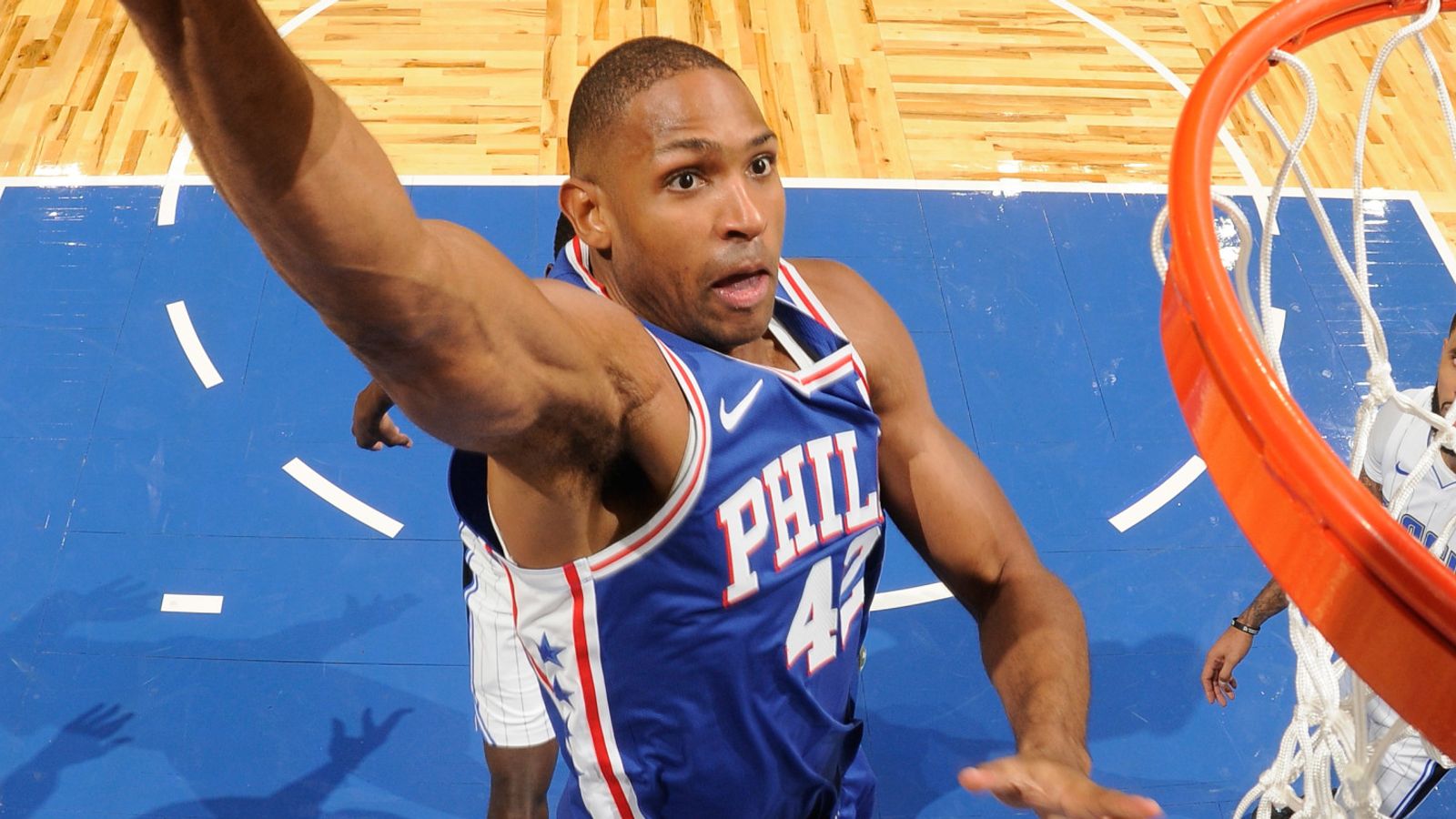
Al Singleton built a durable career as a professional American football linebacker, playing multiple seasons in the National Football League (NFL) after a standout collegiate career at Temple University. Understanding his financial profile, career earnings, and personal biography involves examining professional sports contracts, defensive performance metrics, and post-athletic transitions within the business of professional football.
Early Life and Collegiate Background at Temple University
Al Singleton established the foundation of his athletic career during his formative years and his time at Temple University. Born in the United States, Singleton developed his physical conditioning and defensive acumen through high school competition before earning a spot on the Temple Owls football squad. Operating primarily as a linebacker, he demonstrated the speed, tackling discipline, and coverage capabilities that scouts look for at the collegiate level.
During his tenure in Philadelphia, Singleton became a fixture on the defensive side of the ball for the Owls. His collegiate statistics reflected consistent production against formidable NCAA competition, allowing him to gain recognition from NFL talent evaluators. College football players who transition to the professional ranks typically rely on their combine performances, pro-day measurements, and game tape from programs like Temple to secure selection or free-agent opportunities in the NFL. Singleton's collegiate trajectory highlighted a strong work ethic and a fundamental understanding of defensive schemes, prerequisites for longevity in professional sports.
Professional Football Career and NFL Journeys
The professional career of Al Singleton spans several years in the NFL, where he earned a reputation as a reliable contributor, core special teams player, and versatile defensive linebacker. Breaking into the National Football League requires navigating a highly competitive landscape where roster spots are fiercely contested annually. Singleton’s journey through the professional ranks saw him engage with multiple franchises, adapting to different coaching staffs, playbook terminologies, and positional assignments.
In the NFL, linebackers are tasked with stopping the run, dropping into pass coverage, and rushing the opposing quarterback. Singleton performed these duties across various team environments, contributing both as a starter and as a rotational piece who could excel in defensive sub-packages. Special teams play often serves as the primary vehicle for players to secure long-term roster stability, and Singleton's contributions in this area extended his tenure in the league. Evaluating a player of Singleton's era involves recognizing that career earnings and professional status are heavily dictated by the ability to remain healthy and adaptable across multiple contract cycles.
Analyzing Al Singleton Career Earnings
Estimating the career earnings of a professional athlete like Al Singleton requires evaluating the standard salary structures of the NFL eras in which he played. Professional football contracts in the late 1990s and 2000s differed significantly from modern valuations, influenced by prior collective bargaining agreements (CBAs), rookie wage scales, and the steady growth of television and media rights revenues.
Athletes generally earn income through base salaries, signing bonuses, roster bonuses, and performance incentives. For a player with Singleton's career span, total earnings reflect a combination of standard veteran minimum salaries and mid-level multi-year agreements. While superstar quarterbacks and elite pass rushers command tens of millions of dollars annually, career earnings for dependable linebackers and special teams contributors typically range in the low-to-mid millions over the course of several active seasons. These figures are gross earnings before agent fees, union dues, federal, state, and local taxes, and ongoing personal training or management expenses.
| Career Phase | Approximate Timeline | Primary Role & Contract Type | Financial & Career Characteristics |
|---|---|---|---|
| Collegiate Era | Late 1990s | NCAA Student-Athlete (Temple University) | Unpaid athletic participation under NCAA amateurism rules; earned athletic development and platform for professional scouting. |
| Professional Entry | Late 1990s / Early 2000s | Rookie / Reserve Contracts | Entry-level base salaries, minimal signing bonuses, and rigorous competition to secure active 53-man roster status. |
| Veteran Tenure | 2000s | Rotational Linebacker / Special Teams | Stabilized earnings through veteran minimums or short-term incentive-laden contracts across multiple NFL franchises. |
| Post-NFL Transition | Post-Retirement | Private Citizen / Professional Career | Shift away from professional sports income toward private enterprise, coaching, or personal financial management. |
Financial Portfolio and Net Worth Estimates
Public estimates of professional athletes' net worth often involve considerable speculation due to the private nature of personal finance, investments, real estate holdings, and tax liabilities. While media outlets and biographical databases frequently publish figures regarding Al Singleton's net worth, these numbers should be interpreted as generalized approximations rather than audited financial statements.
A realistic assessment of a former NFL player's net worth considers gross career earnings minus taxation, agent commissions, and lifestyle expenditures, offset by disciplined asset accumulation. Many professional athletes preserve and grow their wealth through conservative investments in real estate, small businesses, equities, and retirement portfolios. Conversely, without proper financial advisory guidance, the transition out of professional sports can present financial challenges given the relatively short duration of an athletic career. For Singleton, financial stability post-retirement depends on effective capital allocation and career paths pursued after hanging up the cleats.
Post-Football Life and Legacy
The transition away from active competition marks a significant milestone for any professional athlete. Once an NFL career concludes, individuals must pivot toward new professional endeavors, leveraging the discipline, leadership, and resilience forged on the gridiron. Whether moving into coaching, corporate management, entrepreneurship, or community leadership, former professional football players utilize their platform to build sustainable second acts.
Al Singleton's legacy within professional football is defined by the grit required to sustain a career in the most competitive sports league in the world. Reaching the NFL from a collegiate program like Temple University and maintaining a multi-year presence demonstrates exceptional athletic capability. Beyond financial metrics and career earnings statistics, Singleton's story reflects the dedication shared by hundreds of professional athletes who form the backbone of the sport.
Frequently Asked Questions About Al Singleton
What teams did Al Singleton play for during his NFL career?
Al Singleton played as a linebacker in the National Football League, spending time with professional franchises during an active career that spanned multiple seasons in the late 1990s and 2000s. Roster movements and practice squad stints are common for players of this era, reflecting the high turnover rate across NFL organizations.
What was Al Singleton's college football background?
Singleton played collegiate football at Temple University in Philadelphia, Pennsylvania. As a member of the Temple Owls, he developed his skills at the linebacker position, logging substantial playing time against Division I competition and earning the attention of professional scouts.
How are Al Singleton's career earnings calculated?
Career earnings estimates for players from Singleton's era are derived from historical NFL salary data, archived contract records, and standard compensation baselines established by collective bargaining agreements. These figures represent gross football-related income before taxes, agent fees, and professional expenses.
What factors influence the net worth of a former NFL linebacker?
A former player's net worth is shaped by total career earnings, longevity in the league, intelligent post-career financial planning, investment returns, and real estate management. Because financial records are private, published net worth figures are estimates rather than verified account balances.
Why is player longevity important in professional football?
Longevity directly impacts career earnings and pension eligibility. In the NFL, players must accrue specific credited seasons to qualify for the league's retirement and health benefits, making multi-year career survival a crucial factor for long-term financial security.
How do former NFL players transition after retirement?
Retiring from professional sports requires athletes to pivot into new careers, such as business ownership, private enterprise, coaching, media, or corporate roles. Many former players rely on the leadership and teamwork skills developed during their playing days to navigate this transition successfully.
Next Steps for Sports Research and Financial Literacy
Evaluating the biographies and financial histories of professional athletes provides valuable insight into the economics of modern sports. For researchers, sports historians, and fans interested in player valuation, the most accurate data is sourced through official league archives, sports analytics databases, and verified financial disclosures. Understanding the reality behind athletic careers emphasizes the importance of financial literacy, long-term asset planning, and career diversification long after the final whistle blows.