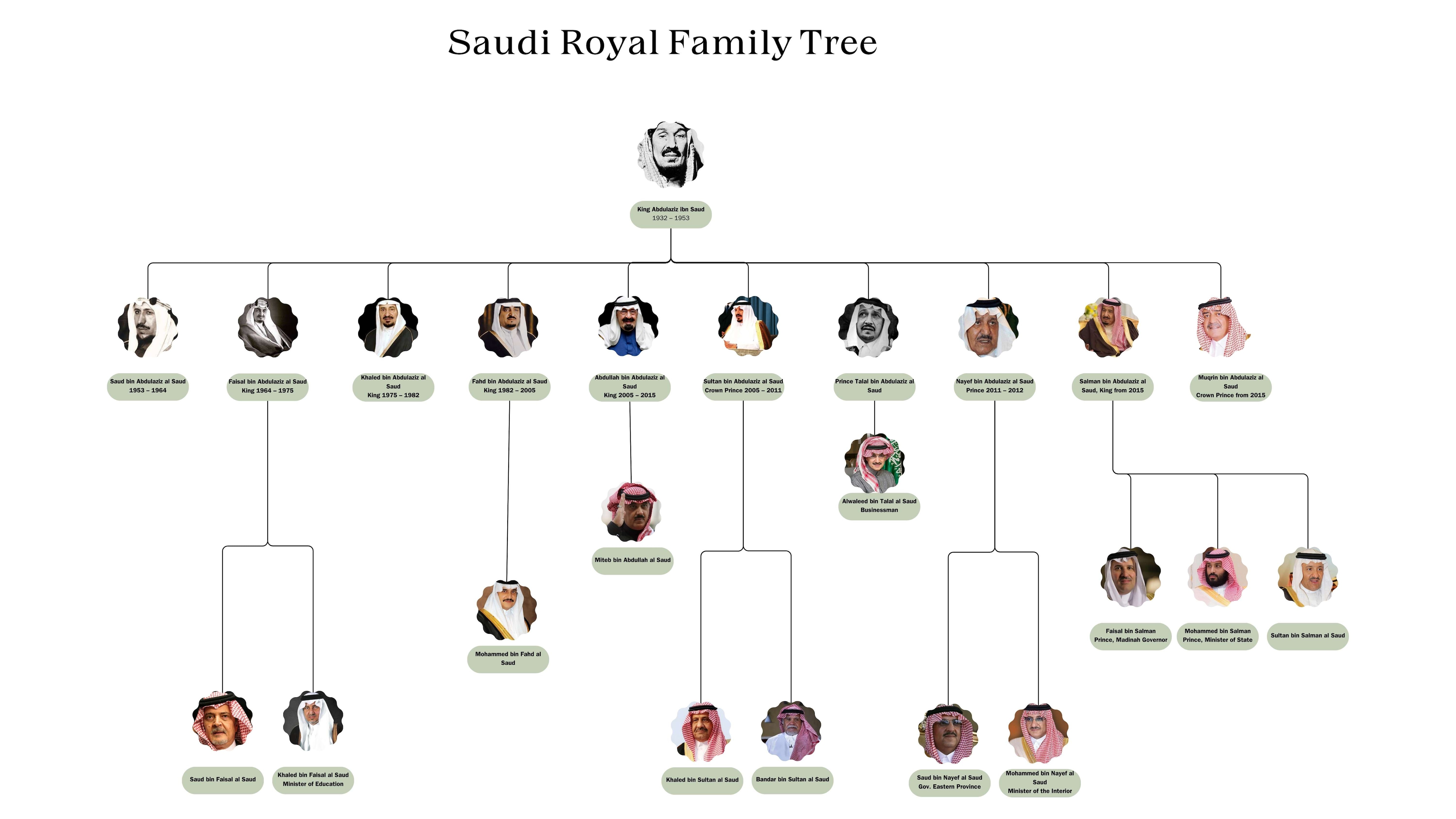
The Al Saud family is the ruling royal family of Saudi Arabia, exercising absolute monarchical authority since the kingdom's modern founding in 1932 by King Abdulaziz. Comprising tens of thousands of members with branches descending from historical leaders, the family maintains centralized control over the nation's political, economic, and religious institutions while navigating modernizing reforms and global geopolitical shifts.
Origins and Historical Evolution of the Al Saud Dynasty
The history of the Al Saud family traces back to the central Arabian region of Najd, specifically the oasis town of Diriyah. In 1744, Muhammad bin Saud, the ruler of Diriyah, formed a historic alliance with the religious reformer Muhammad ibn Abd al-Wahhab. This pact fused temporal political authority with a strict interpretation of Islamic law, providing the ideological momentum for the First Saudi State.
Throughout the 18th and 19th centuries, the dynasty faced repeated challenges, including military incursions by the Ottoman Empire and rival regional factions such as the Al Rashid dynasty. Despite losing control of Riyadh and enduring periods of exile in Kuwait, the Al Saud family systematically reclaimed its territories.
The turning point of the modern era occurred in 1902, when Abdul Rahman’s son, Abdulaziz—later known internationally as Ibn Saud—captured Riyadh with a small band of loyal followers. Over the next three decades, Abdulaziz consolidated control over the Hejaz, Al-Hasa, and Asir regions, culminating in the official proclamation of the Kingdom of Saudi Arabia in September 1932. This consolidation transformed a fragmented tribal landscape into a unified centralized state anchored by dynastic rule.
Succession Dynamics and the Allegiance Council
Governance within Saudi Arabia is tied directly to the internal structure of the Al Saud family, particularly the mechanism of royal succession. Historically, the throne passed horizontally from King Abdulaziz to his sons. Following the death of King Abdulaziz in 1953, the monarchy was held sequentially by his sons: Saud, Faisal, Khalid, Fahd, Abdullah, and the current monarch, Salman.
Recognizing that generational progression would eventually exhaust the pool of Abdulaziz's direct sons, the late King Abdullah instituted structural reforms to formalize succession for future generations. In 2006, the Allegiance Council (Hay'at al-Bay'ah) was established. This body comprises senior princes representing various branches of the Al Saud family.
| Governance Body | Primary Function | Membership Criteria |
|---|---|---|
| The Council of Ministers | Executes domestic and foreign policy, drafts regulations, and manages state ministries. | Appointed by the King; traditionally includes senior royal family members and civilian technocrats. |
| The Allegiance Council | Votes on the selection of the Crown Prince and determines succession protocols. | Composed of surviving sons and prominent grandsons of King Abdulaziz. |
| The Royal Court (Al-Diwan) | Manages direct communication between the monarch, royal family members, and the public. | Appointed administrative officials, advisors, and high-ranking royal secretaries. |
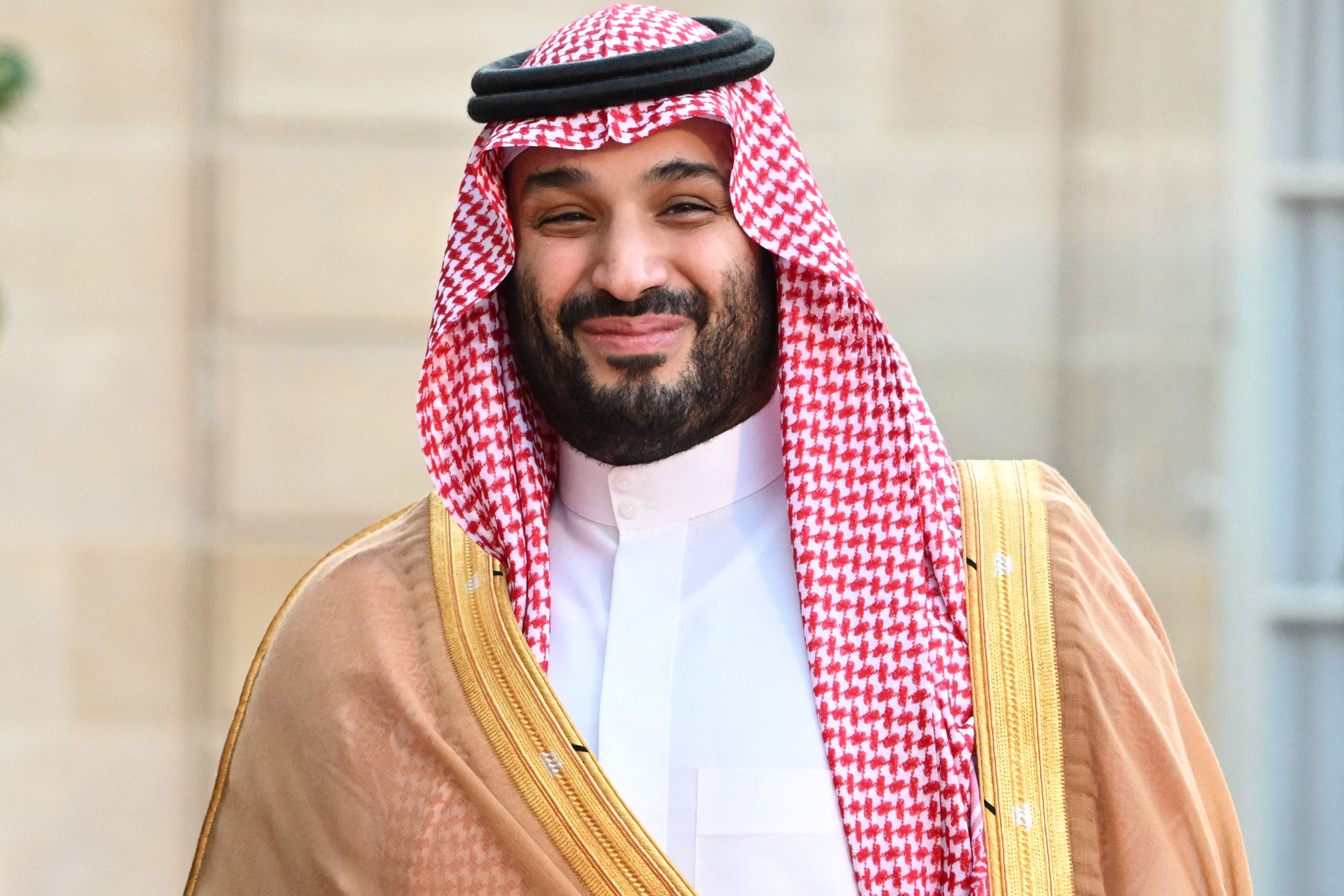
The council is designed to ensure a smooth transition of power and prevent internal factionalism. In 2017, this evolving transition framework shifted toward a generational generational pivot when King Salman elevated his son, Mohammed bin Salman, to the position of Crown Prince, shifting the line of succession to the grandsons of King Abdulaziz.
Political Architecture and State Ministries
The administrative footprint of the Al Saud family extends across all major levers of the Saudi state. Unlike constitutional monarchies where royal families hold symbolic status, members of the Al Saud family occupy critical cabinet positions and security commands, shaping both strategic planning and day-to-day governance.
Key ministerial portfolios have historically remained within the royal household. The Ministry of Defense, the Ministry of the Interior, and the National Guard are traditionally led by senior princes. This concentration of security portfolios ensures loyalty among armed forces and protects the central government from internal destabilization.
Concurrently, the state has integrated non-royal technocrats into specialized portfolios such as finance, economy, energy, and foreign affairs. This dual-track governance structure balances traditional royal oversight with professionalized bureaucratic management, a necessity for administering complex national infrastructure, healthcare systems, and economic diversification initiatives.
Economic Influence and the Public Investment Fund
The wealth and economic influence of the Al Saud family are intrinsically linked to the national economy of Saudi Arabia, particularly through the stewardship of petroleum reserves and state-directed capital investments. For decades, state revenue generated by the state-owned oil enterprise, Saudi Aramco, formed the foundation of both national budgets and royal stipends allocated to members of the extended family.
In the 21st century, the economic paradigm has evolved through the Public Investment Fund (PIF). Led by Crown Prince Mohammed bin Salman, the PIF serves as the primary sovereign wealth fund driving Saudi Arabia’s economic transformation. The fund channels capital into megaprojects, technology sectors, renewable energy, and global financial markets.
| Economic Pillar | Core Objective | Primary Funding Source / Mechanism |
|---|---|---|
| Saudi Aramco | Sustains national hydrocarbon production and provides core government revenue. | Oil and gas extraction, refining, and international petrochemical sales. |
| Public Investment Fund (PIF) | Finances domestic megaprojects and diversifies sovereign assets globally. | State asset transfers, international debt issuance, and investment returns. |
| Vision 2030 Projects | Reduces national dependency on oil through tourism, manufacturing, and technology. | Public-private partnerships, foreign direct investment, and PIF capital. |
This economic strategy aims to insulate the nation's financial stability from fluctuations in global oil markets while modernizing infrastructure through initiatives categorized under the Vision 2030 framework.
Social Reforms and Modernization Under Vision 2030
The domestic agenda of the Al Saud leadership has undergone profound structural shifts under the Vision 2030 initiative. Historically characterized by strict conservative social norms enforced by religious authorities, the kingdom has introduced sweeping legal, cultural, and social reforms designed to align the country with global standards of commerce and tourism.
Key changes include the curtailment of powers previously held by the religious police (Mutawwa), the legalization of public entertainment, the expansion of women’s rights—notably the lifting of the ban on female drivers—and the establishment of mixed-gender public spaces. These measures are intended to foster a domestic entertainment industry, attract foreign talent, and encourage female participation in the national workforce.
While these reforms have modernized the public sphere, they have been accompanied by strict crackdowns on political dissent. The leadership has maintained a centralized, top-down approach to social change, ensuring that all modernization initiatives are directed and controlled exclusively by the state apparatus rather than through grassroots political reform.
Frequently Asked Questions About the Al Saud Family
How many members are in the Al Saud family?
The Al Saud family is estimated to comprise tens of thousands of members. This total includes descendants of King Abdulaziz as well as collateral branches stemming from his ancestors and siblings, spanning multiple generations across various social and economic strata.
Who is the current head of the Al Saud family?
The head of the Al Saud family is King Salman bin Abdulaziz Al Saud, who has reigned as the King of Saudi Arabia and Custodian of the Two Holy Mosques since January 2015.
How is the Crown Prince chosen in Saudi Arabia?
The Crown Prince is selected through a combination of royal decree and consultation with the Allegiance Council. The council, established in 2006, evaluates candidates nominated by the monarch to ensure consensus among senior royal branches regarding the line of succession.
What is the relationship between the Al Saud family and the clergy?
Historically, the Al Saud family has maintained a symbiotic relationship with the religious establishment, rooted in the 18th-century pact with Muhammad ibn al-Wahhab. While religious conservatism remains a cultural pillar, contemporary leadership has reduced the institutional autonomy of clerical authorities to implement broad social and economic reforms.
How does the Al Saud family fund its operations?
The family's historical funding stems from state allocations linked to national hydrocarbon revenues. Modern administrative spending is managed through the Royal Court and state budgets, distinct from the sovereign wealth and private holdings managed by individual princes or state investment vehicles.
Strategic Next Steps for Studying Saudi Governance
Researchers, analysts, and observers examining the Al Saud family and modern Saudi governance should consult primary sources such as official announcements from the Saudi Press Agency, regulatory documents from the Ministry of Foreign Affairs, and economic reports published by the Public Investment Fund. Monitoring legislative updates via the official gazette, Umm al-Qura, provides precise documentation of royal decrees, structural appointments, and statutory changes as the kingdom continues its long-term development trajectory.