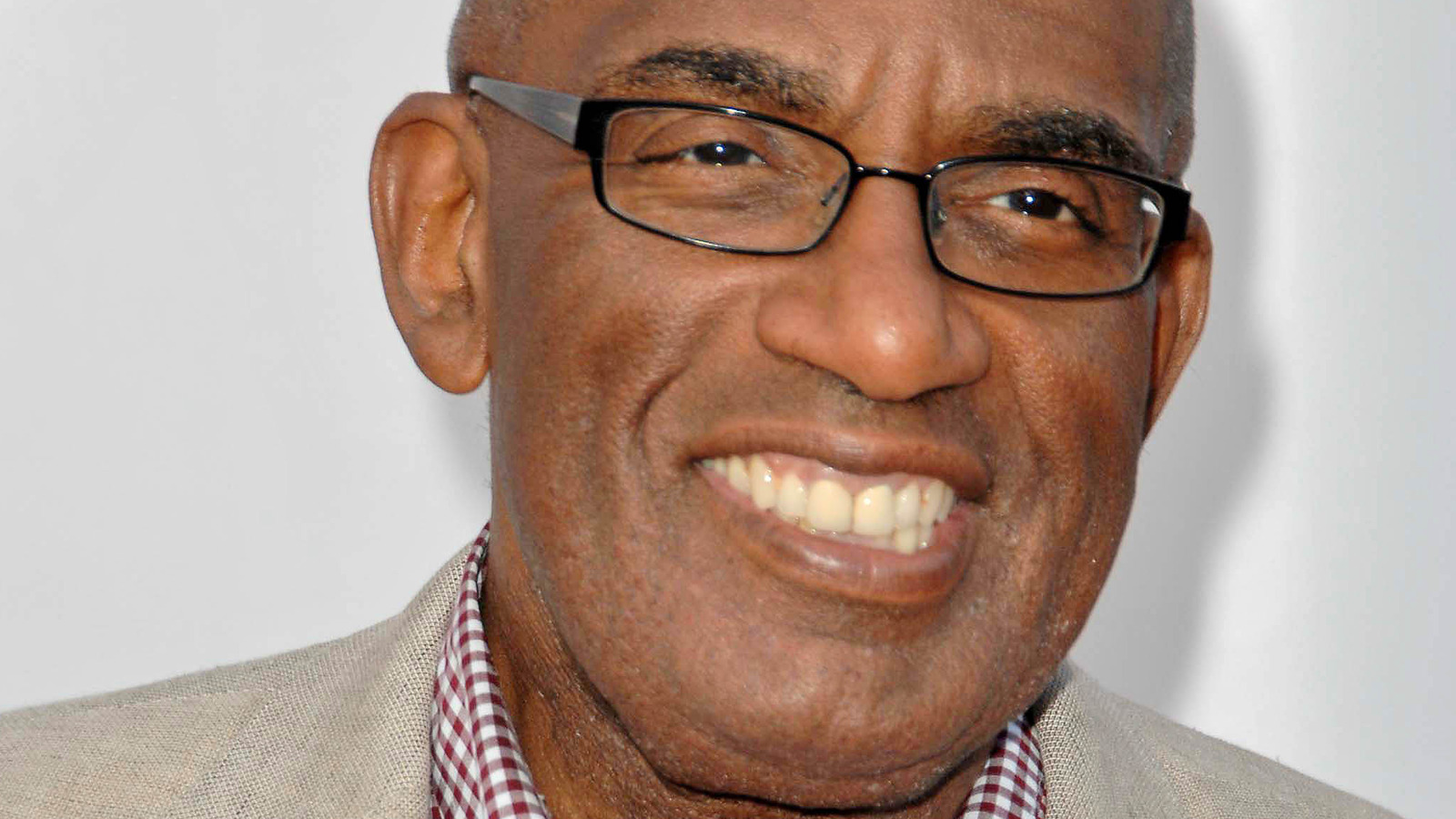
Al Roker’s decades-long public weight loss journey has captured widespread attention, reflecting a continuous evolution driven by significant health challenges, a bariatric surgical procedure, and a permanent shift toward disciplined nutrition and consistent physical activity. His experience highlights the realities of managing chronic weight management in the public eye while addressing major medical hurdles like knee replacements, back surgeries, and a frightening battle with blood clots.
To understand Al Roker’s health transformation, it is necessary to examine the foundational medical interventions he underwent, his dietary and fitness strategies, and how he maintains these lifestyle changes over time. Rather than representing a quick fix, his journey illustrates the long-term commitment required to sustain weight loss, especially when complicated by aging and unexpected health crises.
Origins of the Journey: Early Public Struggles and Bariatric Surgery
For decades, the beloved Today show meteorologist and anchor struggled with his weight while working a demanding, high-visibility media schedule. Like many individuals facing severe, treatment-resistant obesity, Roker realized that conventional diet and exercise programs alone were insufficient to achieve sustainable results. After years of public fluctuations, he made a definitive medical choice that altered the trajectory of his health.
In 2002, Roker underwent gastric bypass surgery. At the time, bariatric surgery was still heavily stigmatized and rarely discussed openly by television personalities. Choosing transparency, Roker documented the decision, explaining that his health and his family were the primary motivators. The procedure successfully restricted his stomach capacity, forcing a radical reduction in portion sizes and fundamentally altering how his body processed food.
However, as medical experts emphasize, bariatric surgery is not a permanent cure for obesity on its own; it is a powerful physiological tool. Roker’s initial success in losing over 150 pounds proved that the surgical intervention worked, but it also set the stage for the ongoing behavioral and dietary discipline required to prevent weight regain in the decades that followed.
Nutrition and Daily Dietary Adaptations
Following gastric bypass surgery, Roker’s relationship with food underwent a permanent structural transformation. Because his stomach could no longer process large volumes of food, he had to shift his focus entirely to nutrient density, protein intake, and portion control.
High-protein, low-carbohydrate eating plans became the cornerstone of his daily routine. Lean proteins such as fish, poultry, and eggs help preserve muscle mass while providing sustained satiety, which is crucial for individuals who have undergone restrictive procedures. Simultaneously, Roker has frequently spoken about minimizing processed sugars, refined carbohydrates, and high-calorie beverages—items that can easily bypass the physical restrictions of bariatric surgery through calorie-dense liquids or soft foods.
Maintaining these dietary parameters requires constant vigilance, meal planning, and an awareness of emotional eating triggers. Roker’s approach demonstrates that long-term weight management is less about temporary deprivation and more about adopting a permanent, sustainable dietary identity that accommodates a smaller gastrointestinal capacity.
Integrating Fitness and Managing Physical Constraints
Physical activity has played a vital role in Al Roker’s health journey, though it has frequently been tested by significant orthopedic and medical challenges. Regular cardiovascular exercise and strength training are essential components of maintaining metabolic rate and functional mobility, particularly as individuals age.
Over the years, Roker has incorporated walking, low-impact cardio, and light resistance work into his schedule. However, his fitness regimen has had to adapt to numerous physical hurdles. He has undergone multiple joint replacement surgeries, including knee replacements and hip procedures, as well as complex back surgery. Navigating these recovery periods required close collaboration with physical therapists and medical professionals to maintain activity levels without exacerbating joint strain or risking injury.
| Health Milestone / Intervention | Approximate Era / Date | Primary Impact on Health Journey |
|---|---|---|
| Gastric Bypass Surgery | 2002 | Provided the foundational physiological reset, resulting in an initial weight loss of over 150 pounds. |
| Orthopedic Surgeries (Knees/Hips) | Various (2000s–2010s) | Required adaptive physical therapy routines to maintain mobility despite joint degradation and arthritis. |
| Prostate Cancer Diagnosis & Treatment | 2020 | Highlighted the importance of routine oncological screenings and shifted focus toward holistic longevity. |
| Blood Clot Hospitalization | Late 2022 | Necessitated a temporary leave from television, emphasizing the critical balance between activity, rest, and vascular health. |
Major Health Crises and Resilience
Al Roker’s weight loss and fitness journey cannot be separated from his broader medical history. While weight management significantly reduced his risk factors for conditions like type 2 diabetes and heart disease, he faced unexpected health emergencies that tested his overall physical resilience.
In late 2020, Roker publicly shared that he had been diagnosed with aggressive prostate cancer. He underwent successful surgery to remove his prostate and caught the disease early due to routine health screenings. This experience expanded his public health advocacy, encouraging men—particularly Black men, who face statistically higher risks of prostate cancer—to prioritize regular preventative medical check-ups.
Just two years later, in late 2022, Roker faced another life-threatening medical event when he developed blood clots in his legs that traveled to his lungs, causing pulmonary embolisms. This emergency led to a multi-week hospital stay and a prolonged absence from the Today show. Managing recovery from major vascular events while maintaining a demanding career required careful medical management, blood-thinner compliance, and a gradual return to physical activity. These events underscore the reality that physical transformation does not render an individual immune to acute medical crises; rather, baseline health resilience often aids in recovery.
Lessons and Takeaways from Al Roker’s Transformation
Al Roker’s multi-decade health journey offers several practical lessons for anyone navigating significant lifestyle changes or long-term weight management:
- Medical Intervention as a Tool: Bariatric surgery is a clinical procedure that requires lifelong dietary compliance and behavioral adaptation rather than serving as an overnight solution.
- Resilience Through Setbacks: Chronic health issues, joint surgeries, and acute medical emergencies require flexible adaptation rather than abandoning health goals entirely.
- Proactive Preventative Care: Early detection of conditions like prostate cancer highlights the necessity of regular diagnostic screenings alongside weight-focused health metrics.
- Consistency Over Perfection: Sustaining weight loss over two decades requires daily choices centered on portion awareness, balanced nutrition, and appropriate physical movement.
By remaining transparent about both his successes and his vulnerabilities, Al Roker has reframed the public conversation around aging, obesity, and health recovery, proving that sustainable wellness is an ongoing, lifelong process.