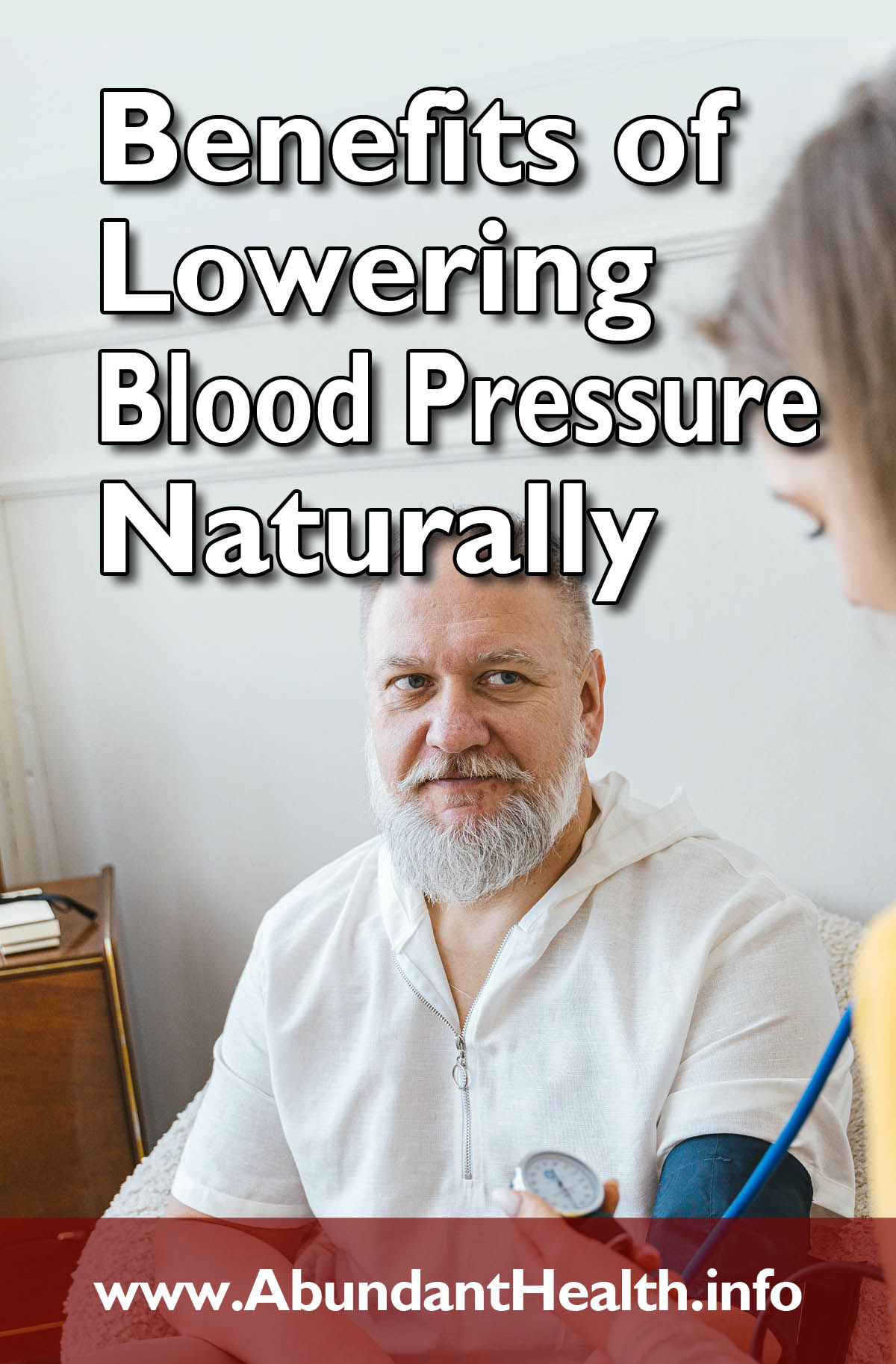
Al Roker's public health journey with prostate cancer, blood clots, and cardiovascular health highlights how high-profile figures navigate chronic conditions while maintaining demanding lifestyles. Managing hypertension naturally involves comprehensive lifestyle interventions such as sodium reduction, regular physical activity, stress management, and dietary adjustments that support long-term cardiovascular health.
Understanding Hypertension and the Al Roker Health Narrative
Hypertension, commonly known as high blood pressure, is a pervasive medical condition where the force of blood against artery walls remains consistently too high. Often termed the "silent killer," elevated blood pressure frequently presents no immediate physical symptoms while silently damaging arterial linings, stressing the heart, and increasing the lifetime risk of stroke, myocardial infarction, and kidney failure. When public figures like television anchor Al Roker share their personal health battles—ranging from knee and back surgeries to severe blood clots—it brings widespread public attention to the importance of proactive cardiovascular management.
While medical interventions and pharmacological treatments are standard components of care for many patients, a parallel focus on natural management strategies has gained significant traction. Individuals seeking to emulate a resilient lifestyle often look toward holistic adjustments that complement prescribed therapies. Understanding that blood pressure fluctuates based on immediate stress, hydration, and sodium intake allows individuals to take an active role in monitoring and stabilizing their vascular health.
Core Pillars of Natural Blood Pressure Management
Controlling hypertension without relying solely on pharmaceutical escalation requires addressing the root physiological drivers of elevated vascular resistance. Medical guidelines established by organizations like the American Heart Association emphasize lifestyle modification as a primary therapeutic line of defense for individuals with prehypertension or Stage 1 hypertension.
Dietary modification remains the cornerstone of natural management. The Dietary Approaches to Stop Hypertension (DASH) eating plan serves as an evidence-based framework, prioritizing whole foods rich in potassium, calcium, and magnesium. These minerals help blunt the hypertensive effects of sodium. Concurrently, restricting daily sodium intake to recommended thresholds—typically under 2,300 milligrams, or ideally 1,500 milligrams for high-risk adults—prevents excess fluid retention and subsequent vascular strain.
Beyond diet, regular aerobic exercise strengthens the myocardium, enabling the heart to pump blood with less effort and lower force on the arteries. Incorporating moderate physical activity, such as brisk walking, cycling, or swimming, for at least 150 minutes per week yields measurable reductions in both systolic and diastolic pressure.
Dietary Strategies and the DASH Approach in Practice
Implementing a heart-healthy diet requires deliberate meal planning and label reading to identify hidden sources of sodium and processed additives. The DASH diet emphasizes specific food groups that work synergistically to improve endothelial function and vascular elasticity.
| Food Category | Recommended Daily/Weekly Intake | Primary Mechanism of Action |
|---|---|---|
| Vegetables & Fruits | 4 to 5 servings per day each | High potassium content promotes sodium excretion and relaxes blood vessel walls. |
| Whole Grains | 6 to 8 servings per day | Provides dietary fiber, which helps regulate cholesterol levels and systemic inflammation. |
| Low-Fat Dairy | 2 to 3 servings per day | Supplies bioavailable calcium and protein associated with modest blood pressure reduction. |
| Lean Meats & Fish | Limited portions; focus on fish | Omega-3 fatty acids reduce arterial inflammation and improve lipid profiles. |
| Nuts, Seeds, & Legumes | 4 to 5 servings per week | Delivers magnesium and healthy fats that support metabolic and vascular health. |
Transitioning to this eating pattern involves gradual substitutions rather than restrictive deprivation. Replacing refined white bread with whole-grain alternatives, choosing fresh or frozen produce over canned varieties packed in sodium solutions, and utilizing herbs and spices instead of salt for seasoning ensures long-term dietary compliance.
The Vital Role of Stress Reduction and Sleep Hygiene
Chronic psychological stress triggers the continuous release of cortisol and adrenaline, hormones that constrict blood vessels and accelerate heart rate, temporarily or persistently elevating blood pressure. Developing robust stress-management protocols is therefore essential for anyone aiming to thrive despite cardiovascular vulnerabilities.
Mindfulness meditation, controlled breathing exercises, and progressive muscle relaxation activate the parasympathetic nervous system, counteracting the "fight or flight" response. Even dedicating ten to fifteen minutes daily to focused diaphragmatic breathing can stimulate the vagus nerve, promoting systemic vasodilation and lower blood pressure readings.
Furthermore, sleep hygiene is an unappreciated pillar of blood pressure control. Adults who consistently experience fewer than seven hours of restorative sleep per night face an elevated risk of chronic hypertension. Sleep apnea, a common condition marked by repeated pauses in breathing during sleep, places intense stress on the cardiovascular system and must be diagnosed and treated using continuous positive airway pressure (CPAP) or oral appliance therapy to safeguard arterial health.
Monitoring, Medical Collaboration, and Setting Realistic Milestones
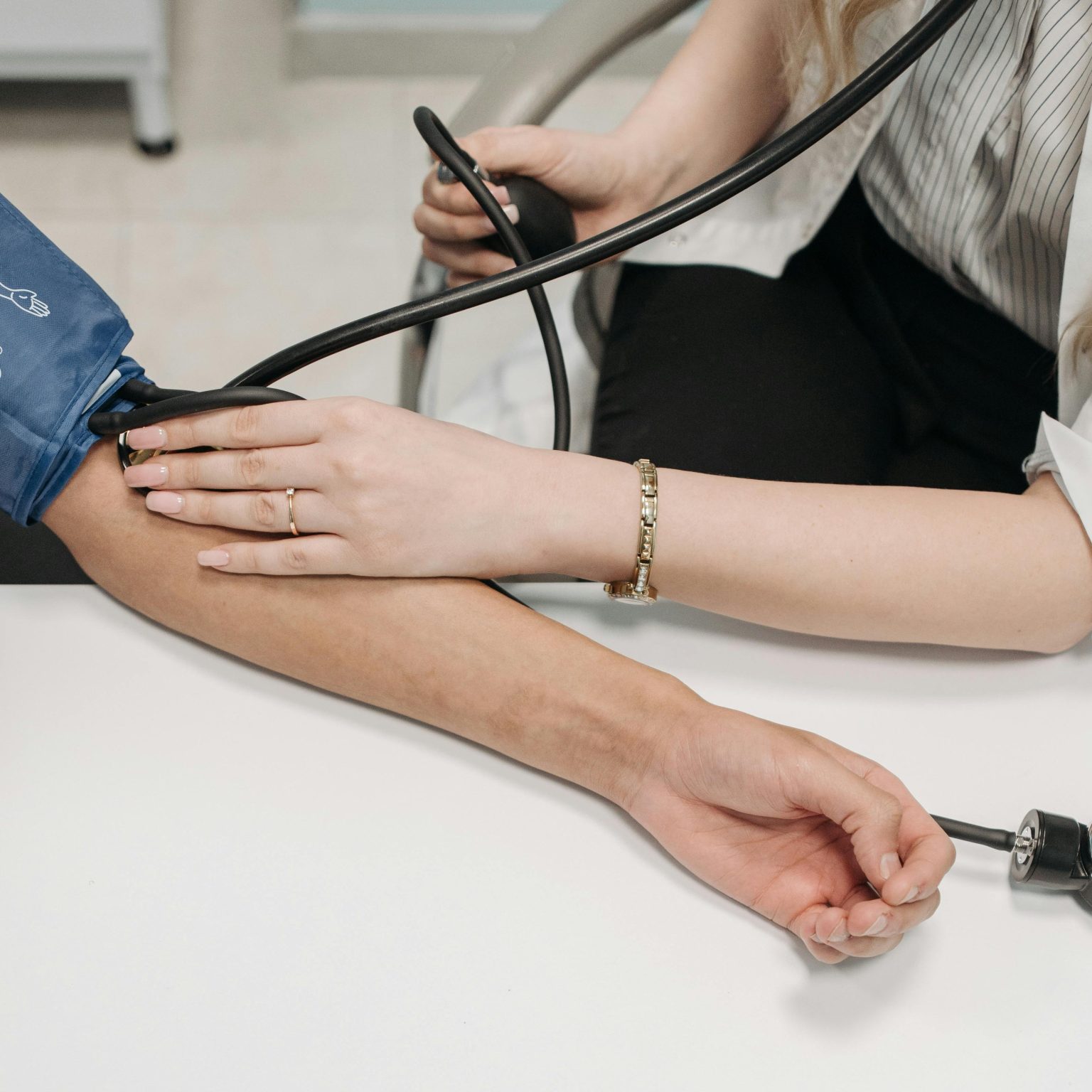
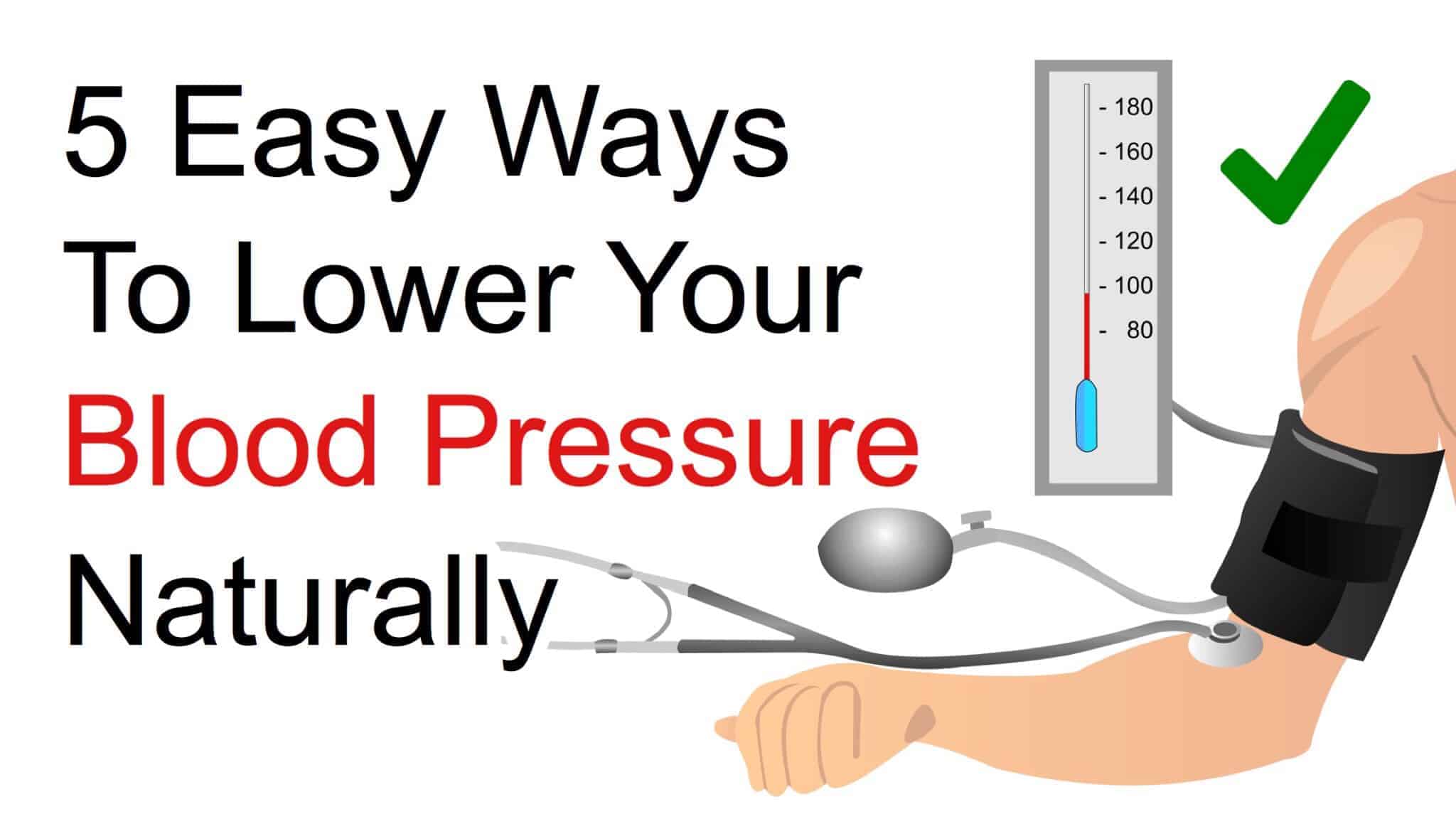
Successfully managing hypertension naturally requires meticulous self-monitoring and open communication with healthcare professionals. Home blood pressure monitoring empowers individuals to track trends, evaluate the efficacy of lifestyle modifications, and identify triggers that cause acute spikes.
- Acquire a validated monitor: Purchase an automated upper-arm cuff device verified for clinical accuracy by organizations such as the American Medical Technology or the Hypertension Canada validation program.
- Establish a consistent routine: Measure blood pressure twice daily—once in the morning before eating or taking medications, and once in the evening—in a quiet room after resting quietly for five minutes.
- Maintain a detailed log: Record systolic and diastolic figures, pulse rate, time of day, and contextual notes regarding stress, caffeine intake, or physical activity.
- Schedule regular clinical reviews: Bring the documented log to routine medical appointments to review data trends with a physician before making major adjustments to health regimens.
It is vital to recognize that natural management does not replace medical supervision. Individuals diagnosed with hypertension must collaborate closely with their primary care physician or cardiologist. Discontinuing prescribed medications abruptly can precipitate hypertensive crises, strokes, or cardiac events. Lifestyle changes should be integrated as complementary therapies under professional guidance.
Frequently Asked Questions
Can hypertension be completely reversed through natural methods alone?
While some individuals with mild, early-stage hypertension can normalize their blood pressure entirely through aggressive lifestyle changes, many others require a combination of natural strategies and ongoing medical therapy. Success depends on genetic predisposition, baseline health status, and adherence to dietary and exercise protocols.
How quickly can lifestyle changes lower blood pressure?
Modest reductions in blood pressure can occur within a few weeks of adopting a low-sodium diet and starting regular aerobic exercise. However, sustained, long-term improvements typically require maintaining these habits consistently for three to six months to achieve full vascular adaptation.
Is sodium the only dietary factor that affects blood pressure?
No, while sodium is a primary driver, inadequate potassium intake, excessive alcohol consumption, and diets high in added sugars and refined carbohydrates also significantly contribute to vascular stiffness and elevated blood pressure.
What is considered a normal blood pressure reading?
A normal blood pressure reading is generally defined as less than 120/80 mmHg. Readings consistently at or above 130/80 mmHg typically meet the diagnostic criteria for hypertension, warranting lifestyle intervention and medical evaluation.
How does physical activity lower blood pressure?
Regular exercise improves the efficiency of the cardiovascular system, making blood vessels more elastic and capable of expanding and contracting smoothly. This reduced vascular resistance lowers the overall pressure required to circulate blood throughout the body.
Next Steps for Sustainable Cardiovascular Wellness
To begin optimizing your cardiovascular health today, schedule a comprehensive checkup with your healthcare provider to establish your current baseline metrics and discuss safe lifestyle integration. Purchase a clinically validated home blood pressure monitor, start a daily log of your readings, and slowly phase in heart-healthy adjustments such as the DASH diet and consistent daily walks. Prioritizing these proactive steps ensures you can manage your health effectively and thrive for years to come.