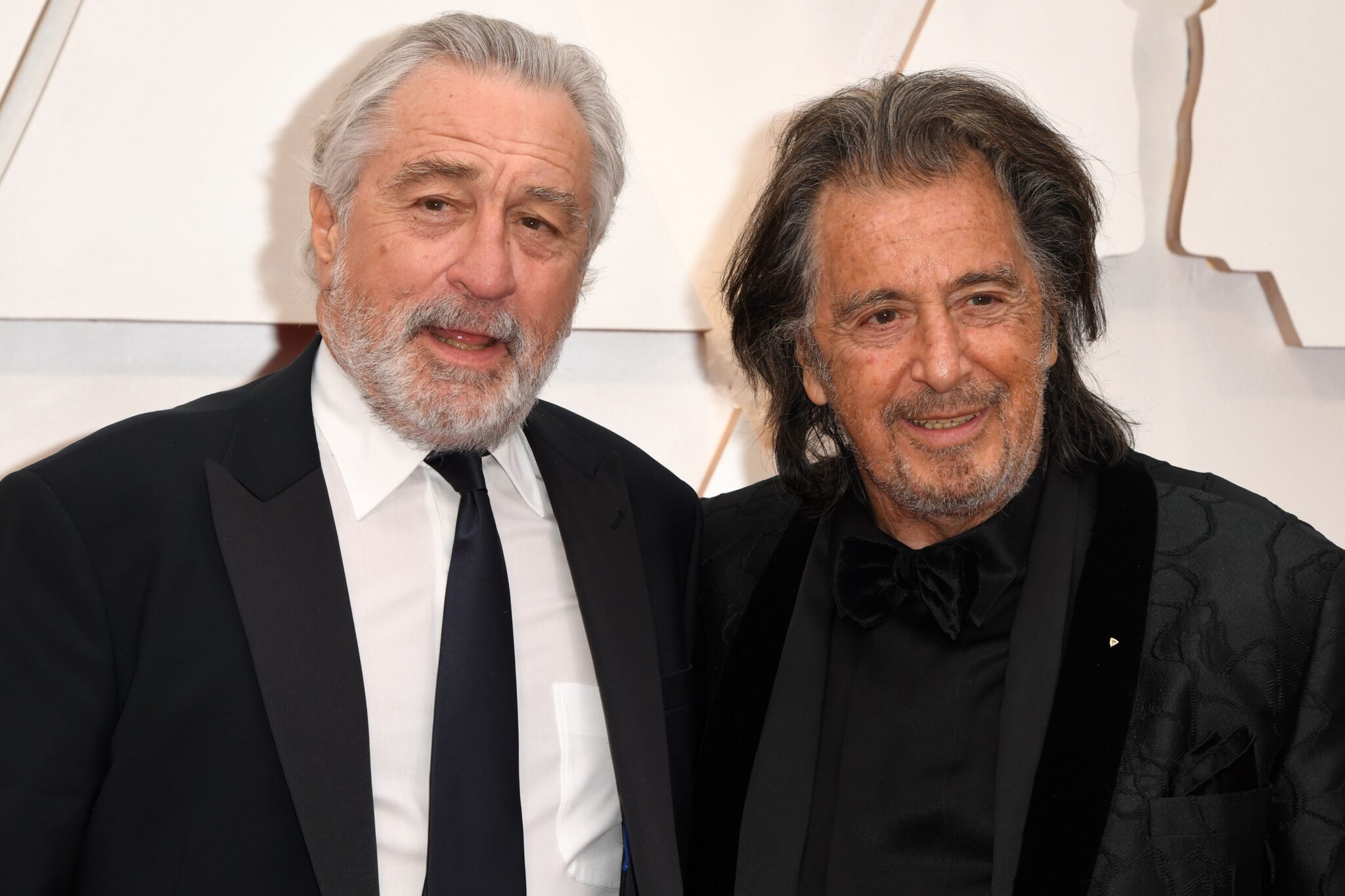
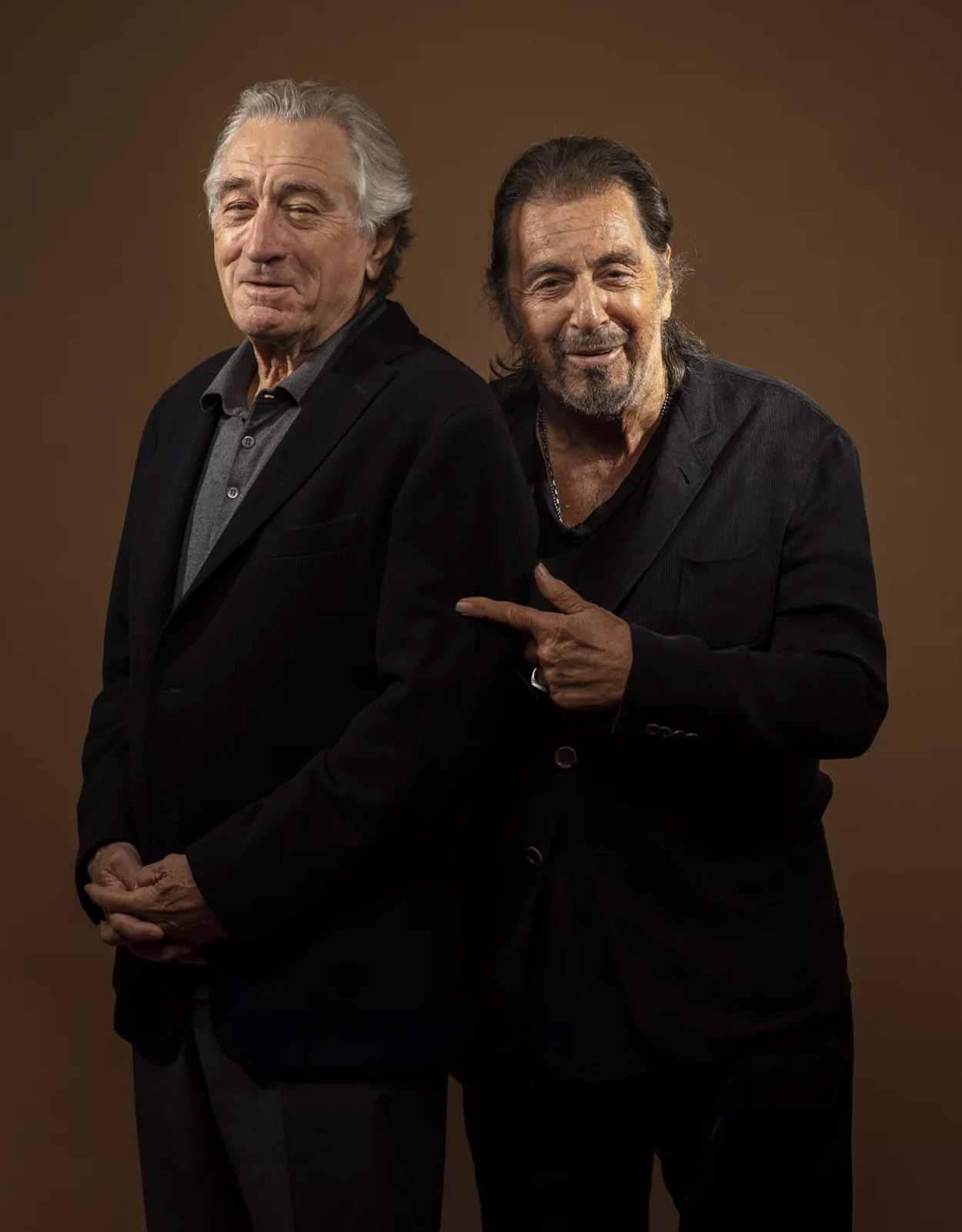
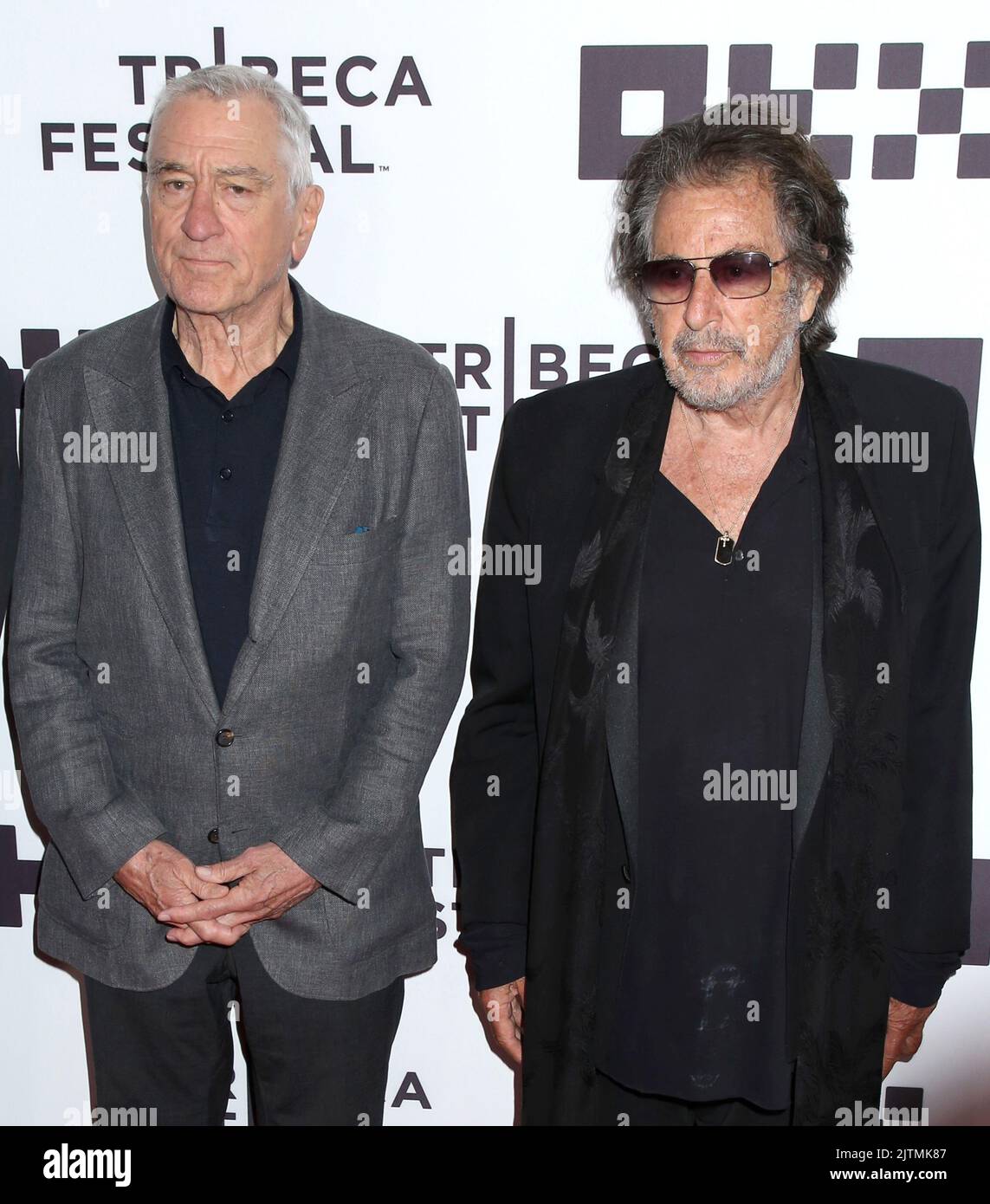
Al Pacino and Robert De Niro represent the pinnacle of post-1970s American screen acting, defined by parallel career trajectories that reshaped modern cinema. Though often framed as Hollywood rivals, their relationship is built on mutual respect across four landmark film collaborations: The Godfather Part II, Heat, Righteous Kill, and The Irishman.
The Genesis of a Dual Legacy: 1970s New Hollywood
The narrative of an ultimate cinematic rivalry between Al Pacino and Robert De Niro began long before they ever shared a single frame of film. Both actors emerged from the vibrant 1970s "New Hollywood" movement, an era characterized by director-driven narratives, gritty realism, and character-focused storytelling. Raised in New York City with Italian-American heritage, both artists hone their craft through rigorous formal training, forever altering the expectations of cinematic leading men.
Pacino gained international acclaim first, delivering a mesmerizing performance as Michael Corleone in Francis Ford Coppola’s The Godfather (1972). His quiet, brooding intensity quickly established him as a premier talent, a reputation he consolidated with performances in Serpico (1973) and Dog Day Afternoon (1975). Simultaneously, De Niro captured the attention of critics and audiences through his collaborative partnership with director Martin Scorsese, delivering raw, kinetic performances in Mean Streets (1973) and Taxi Driver (1976).
By the mid-1970s, film critics and audiences routinely compared the two actors. Each possessed an undeniable screen presence, yet their initial successes occurred on distinct tracks. They represented two halves of a dramatic revolution, abandoning classical Hollywood polish in favor of raw emotion, psychological complexity, and immersive character study.
The Shared Classics: Analyzing Their Four On-Screen Collaborations
Despite their shared stature, Pacino and De Niro have appeared together in only four feature films. Each movie captures a distinct phase in their individual careers and reflects the evolving landscape of American filmmaking.
1. The Godfather Part II (1974)
Directed by Francis Ford Coppola, The Godfather Part II stands as a unique cinematic milestone. While both actors star in the film, they never share the screen. Pacino reprises his role as Michael Corleone, navigating the cold, tragic expansion of the family business in the 1950s. De Niro portrays the young Vito Corleone in early 20th-century New York, detailing the founder's rise from Sicilian immigrant to mob patriarch.
- Structural Parallel: The film alternates between Vito’s rise and Michael’s moral decay, using dual storylines to highlight contrasting generations.
- Critical Reception: The film won six Academy Awards, including Best Picture. De Niro earned the Academy Award for Best Supporting Actor, while Pacino received a nomination for Best Actor.
- Cinematic Dynamic: Even without direct interaction, the parallel narrative anchored their dual legacy, binding their names together in film history.
2. Heat (1995)
Michael Mann’s crime epic Heat provided the historic first instance of Pacino and De Niro sharing screen time. Pacino plays LAPD Robbery-Homicide Detective Vincent Hanna, an obsessive lawman whose personal life falls apart in pursuit of high-end scores. De Niro plays Neil McCauley, a disciplined, methodical master thief guided by a strict professional code.
- Vincent Hanna (Pacino) [Obsessive LAPD Detective]
- Neil McCauley (De Niro) [Methodical Master Thief]
- Mutual Respect / High Stakes
The centerpiece of Heat is a famous six-minute scene set in a Beverly Hills diner. Mann utilized a two-camera setup shot over the shoulders of the actors, capturing their dialogue in continuous, uninterrupted takes. The scene functions as a psychological chess match where both characters acknowledge their mutual skill, professional necessity, and shared isolation from normal society.
3. Righteous Kill (2008)
Directed by Jon Avnet, Righteous Kill paired the actors as veteran NYPD detectives investigating a series of vigilante executions. Unlike Heat, where their characters exist on opposite sides of the law, Righteous Kill positions them as long-time partners working side-by-side throughout the entire film.
While the project delivered on the long-standing fan desire to see both legends interact continuously on screen, the film received mixed reviews from critics who felt the procedural screenplay did not match the dramatic weight of its lead actors. Nonetheless, the film remains an essential entry in their shared filmography, demonstrating their natural, unforced rapport as a seasoned screen duo.
4. The Irishman (2019)
Directed by Martin Scorsese, The Irishman represents the culmination of Pacino and De Niro’s shared cinematic journey. Based on Charles Brandt’s book I Heard You Paint Houses, the epic crime drama spans several decades of post-war American history. De Niro stars as Frank Sheeran, a mafia hitman, while Pacino portrays the fiery, charismatic Teamsters leader Jimmy Hoffa.
The Irishman utilized digital de-aging technology to allow both actors to play their characters across multiple decades of life. The dynamic between Sheeran and Hoffa serves as the emotional core of the narrative, contrasting Hoffa's grandstanding public persona with Sheeran's quiet, devastating compliance. Pacino earned an Academy Award nomination for Best Supporting Actor for his performance, marking a triumph late in their respective careers.
Contrasting Methodologies: Volcanic Intensity vs. Meticulous Immersion
The captivating nature of the Pacino-De Niro dynamic stems largely from their contrasting acting methodologies. While both are rooted in the principles of Method acting, their execution on screen reflects distinctly different artistic philosophies.
Al Pacino: Expressive Rhythm and Volcanic Energy
Pacino’s technique, honed extensively at the Actors Studio under Lee Strasberg, leans into theatrical expressiveness, rhythmic vocal delivery, and explosive emotional releases. He often externalizes a character's internal struggle through expansive physical gestures, sudden shifts in volume, and theatrical pacing.
In films like Scarface (1983), Scent of a Woman (1992), and Heat (1995), Pacino utilizes high-energy performances to dominate the cinematic space. His characters are frequently larger-than-life figures who command attention through sheer force of will and verbal dominance.
Robert De Niro: Internalized Subtext and Physical Transformation
De Niro’s approach, strongly influenced by his work with Stella Adler and Sanford Meisner, prioritizes deep physical transformation, internal quietude, and intense research. De Niro is famous for altering his physical state, acquiring authentic regional dialects, and mastering technical trades for his roles.
In works such as Raging Bull (1980), Taxi Driver (1976), and The Deer Hunter (1978), De Niro communicates complex internal states through small facial ticks, guarded eyes, and deliberate silences. His characters often convey immense threat or grief without raising their voice, relying on subtext rather than outward display.
Key Film Collaborations Comparison
The following table summarizes the four feature films starring both Al Pacino and Robert De Niro, detailing their narrative relationship and cinematic focus:
| Film Title | Release Year | Director | Shared Screen Time | Primary Dynamic | Key Cinematic Focus |
|---|---|---|---|---|---|
| The Godfather Part II | 1974 | Francis Ford Coppola | None (Parallel storylines) | Ancestral / Generational | Parallel study of power and legacy within the Corleone family line. |
| Heat | 1995 | Michael Mann | Approximately 10 minutes | Adversarial / Mutual Respect | Psychological mirror match between a relentless cop and a master thief. |
| Righteous Kill | 2008 | Jon Avnet | Extended (Co-stars throughout) | NYPD Detective Partners | Police procedural exploring vigilante justice and professional loyalty. |
| The Irishman | 2019 | Martin Scorsese | Extensive (Primary co-stars) | Confidants / Fatal Betrayal | Decades-long historical drama exploring organized labor and criminal loyalty. |
Comparative Filmography and Directorial Synergies
Beyond their direct collaborations, the parallel careers of Pacino and De Niro were defined by their work with visionary directors who shaped American crime cinema and psychological drama.
- 1970s New Hollywood Movement
- Al Pacino Collaborations
- Francis Ford Coppola (The Godfather I & II)
- Brian De Palma (Scarface, Carlito's Way)
- Sidney Lumet (Serpico, Dog Day Afternoon)
- Robert De Niro Collaborations
- Martin Scorsese (Taxi Driver, Raging Bull)
- Sergio Leone (Once Upon a Time in America)
- Michael Cimino (The Deer Hunter)
- Al Pacino Collaborations
Directorial Partnerships
De Niro’s long-standing partnership with Martin Scorsese yielded some of the most critically acclaimed films in cinema history, including Goodfellas (1990) and Casino (1995). Pacino, meanwhile, forged powerful creative bonds with directors like Brian De Palma in Scarface (1983) and Carlito's Way (1993), as well as Sidney Lumet in Serpico (1973) and Dog Day Afternoon (1975).
Genre Dominance and Diversification
Both actors built their foundations in crime dramas and urban noir, but each diversified as their careers progressed:
- Pacino frequently returned to the stage, performing extensively in Shakespearean productions such as Looking for Richard (1996) and The Merchant of Venice (2004).
- De Niro successfully transitioned into broad comedy in the late 1990s and 2000s, leading hit franchises such as Analyze This (1999) and Meet the Parents (2000).
Frequently Asked Questions
Did Al Pacino and Robert De Niro ever share the screen in The Godfather Part II?
No. Although both actors starred in The Godfather Part II, they did not appear in any scenes together. Pacino played Michael Corleone in the 1950s timeline, while De Niro played a younger Vito Corleone in flashback sequences set decades earlier.
How many movies have Al Pacino and Robert De Niro made together?
They have appeared together in four feature films: The Godfather Part II (1974), Heat (1995), Righteous Kill (2008), and The Irishman (2019).
Who has won more Academy Awards between Al Pacino and Robert De Niro?
Robert De Niro has won two Academy Awards: Best Supporting Actor for The Godfather Part II (1974) and Best Actor for Raging Bull (1980). Al Pacino has won one Academy Award: Best Actor for Scent of a Woman (1992).
Why is the diner scene in Heat so famous?
The diner scene in Heat marks the very first time Pacino and De Niro shared the screen in cinema history. Director Michael Mann shot the conversation with raw simplicity, allowing two distinct acting styles—Pacino's intense vocal energy and De Niro's quiet restraint—to clash directly in an iconic dialogue scene.
Did Pacino and De Niro study acting at the same school?
Both actors are strongly tied to Method acting and the Actors Studio in New York. Pacino studied extensively under Lee Strasberg, while De Niro trained primarily with Stella Adler and Sanford Meisner, contributing to their distinct interpretations of character immersion.
Viewing Strategy for the Pacino and De Niro Catalogue
To fully appreciate the historical scope and artistic evolution of the Pacino-De Niro dynamic, viewers should approach their filmography chronologically rather than focusing strictly on their joint projects.
- Establish the Foundation (1970–1976): Begin with The Godfather, Mean Streets, The Godfather Part II, and Taxi Driver to observe how both actors established their early cinematic signatures within New Hollywood.
- Examine Peak Virtuosity (1980–1995): Contrast De Niro's performance in Raging Bull and Goodfellas with Pacino's work in Scarface, Carlito's Way, and Scent of a Woman, culminating in their confrontation in Heat.
- Analyze the Reflective Phase (2019): Conclude with The Irishman, which serves as a cinematic meditation on aging, mortality, and the very crime genres both actors helped define over five decades.