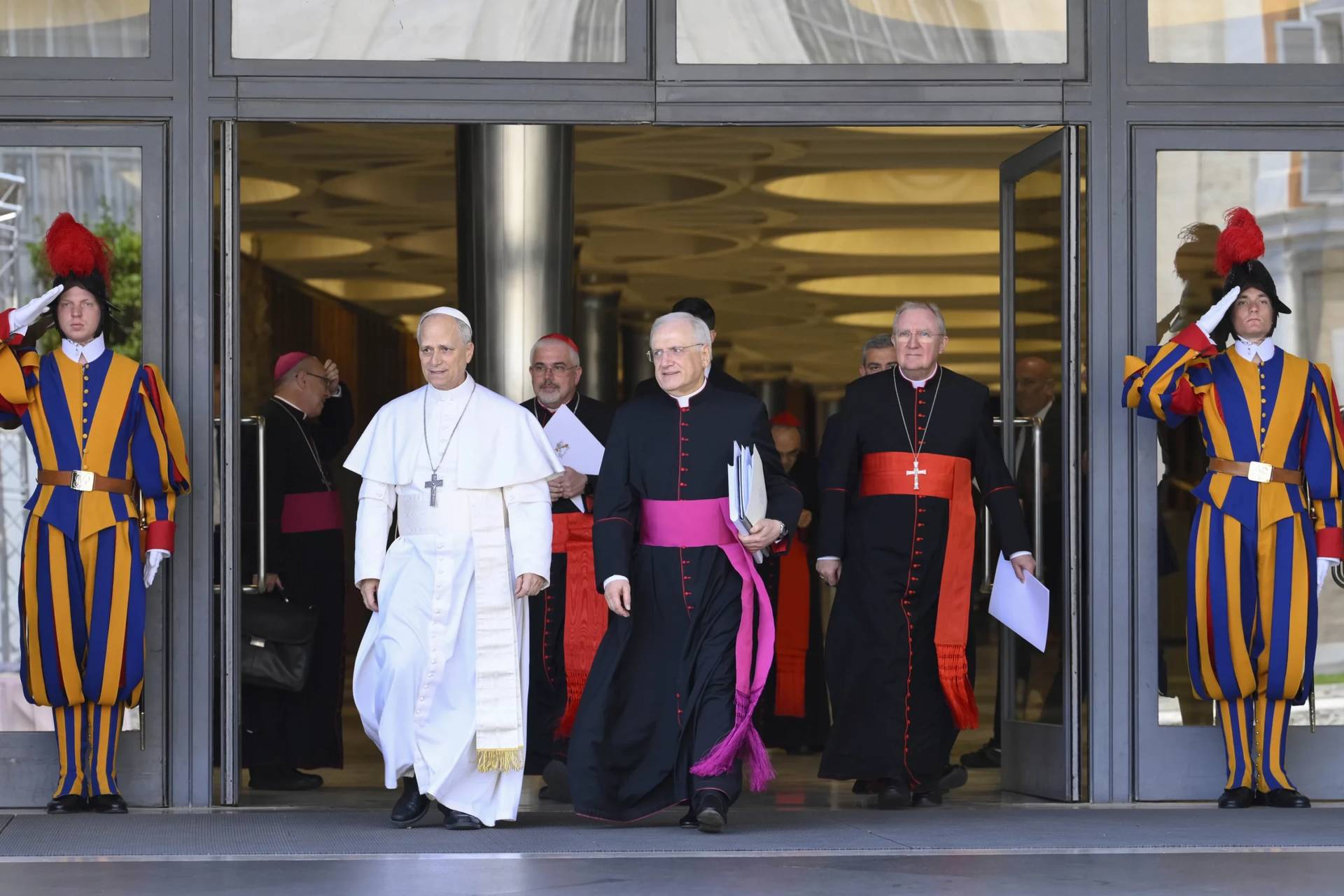
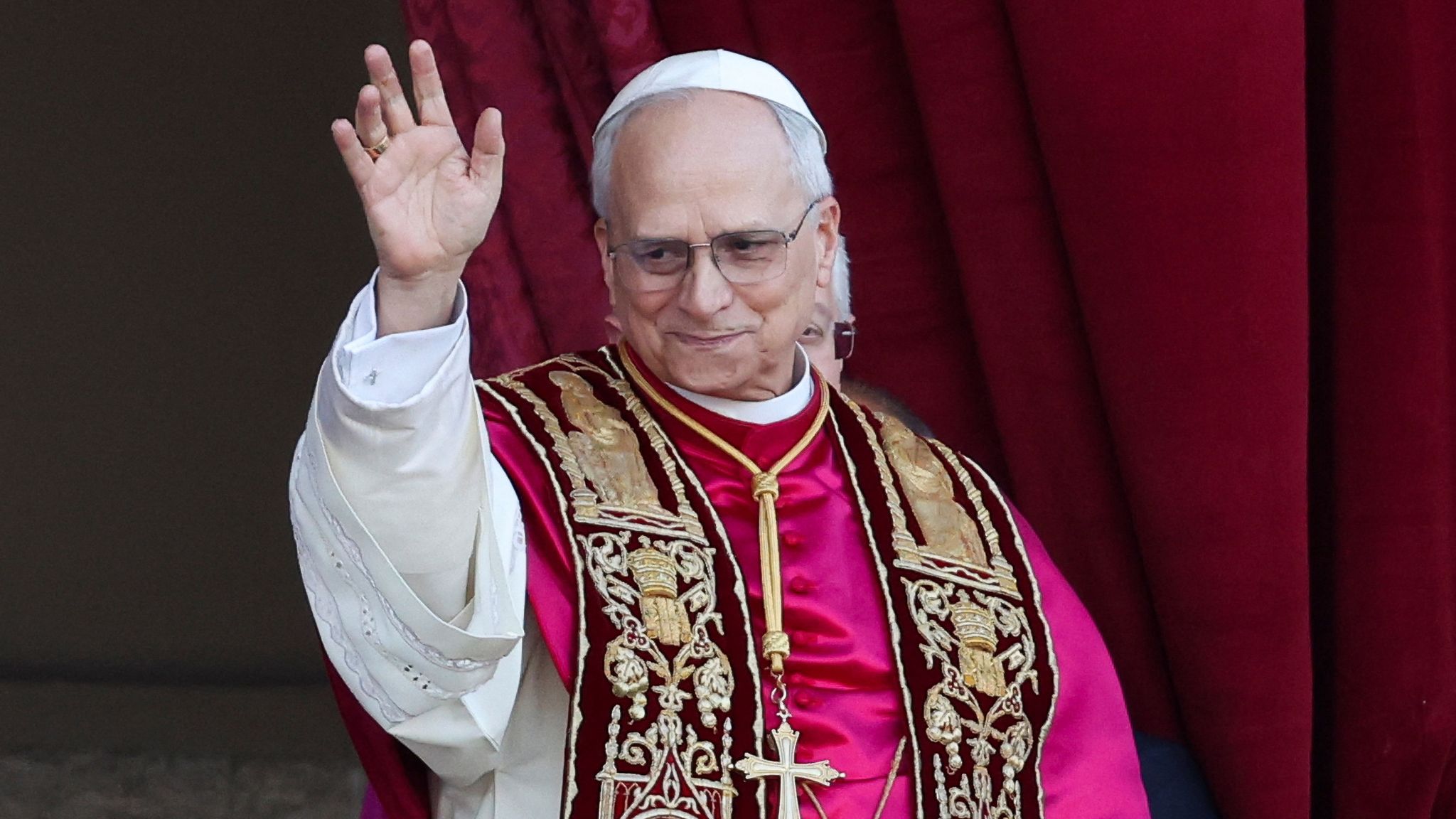
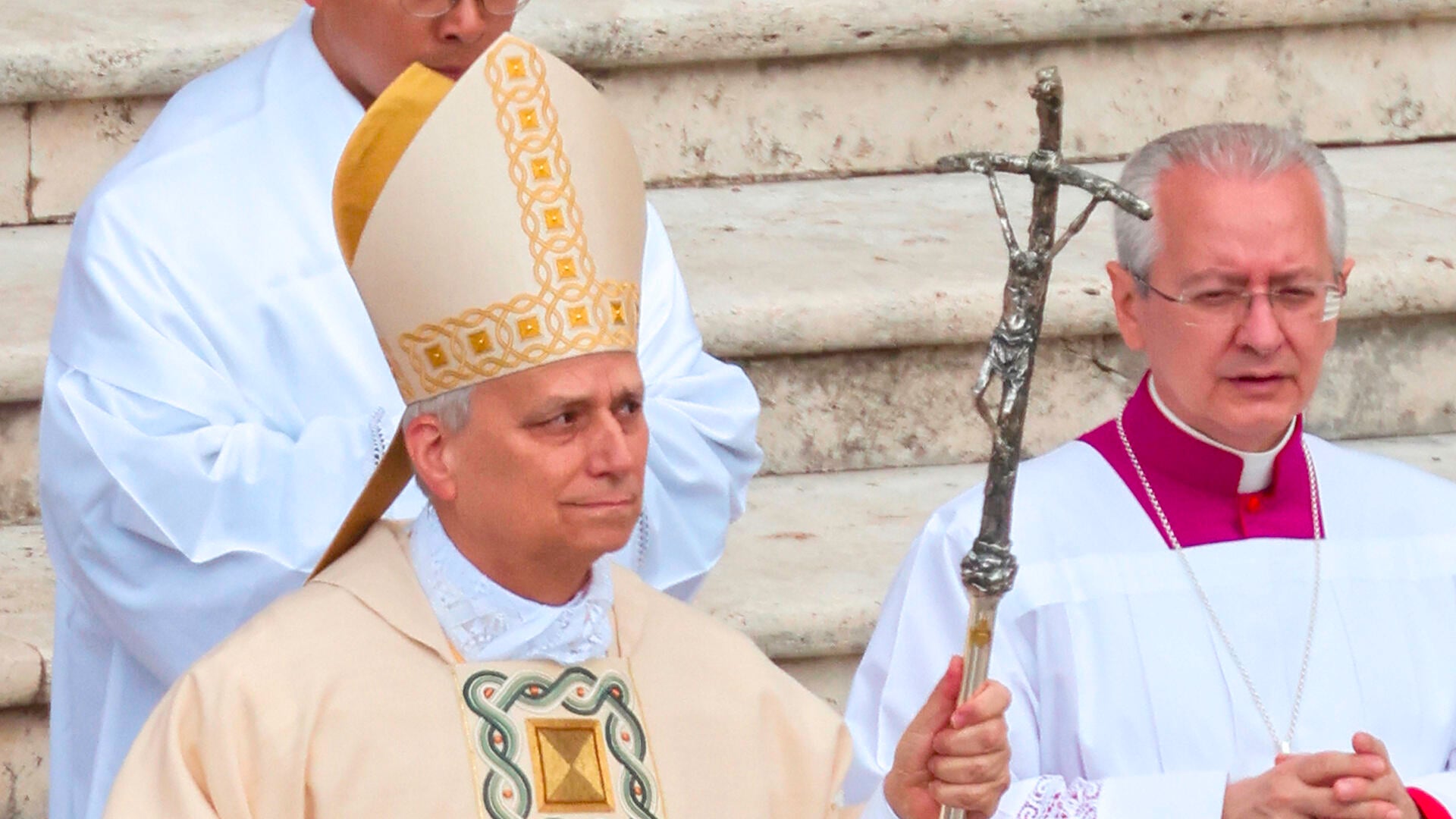
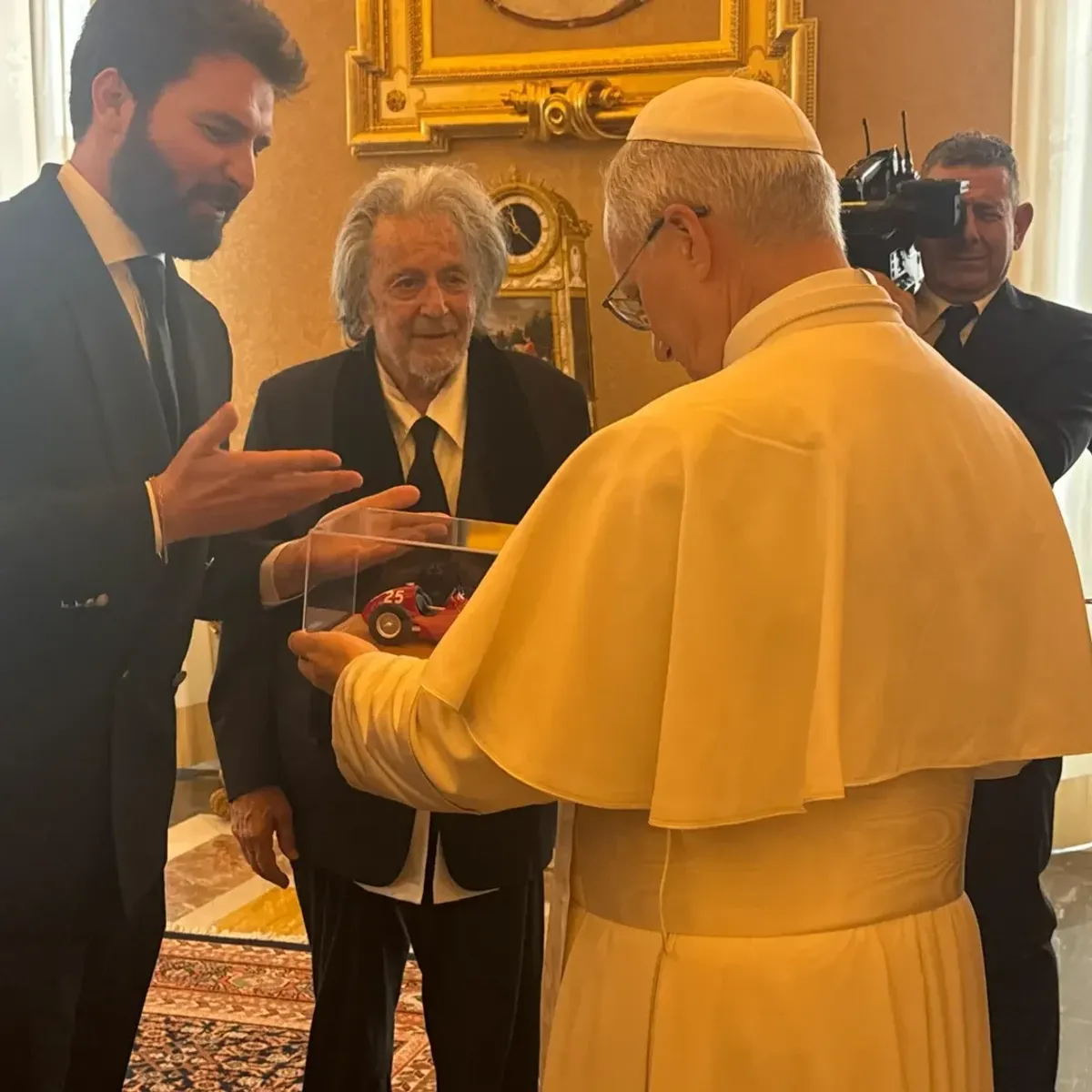
Headlines linking legendary actor Al Pacino to a "Pope Leo XIV" and secret Vatican revelations are entirely fabricated content farm clickbait. No Pope Leo XIV exists in Catholic history—the last was Pope Leo XIII—and Pacino has never starred in or produced any project featuring such a character. The viral claims stem from synthetic AI concept trailers and sensationalized search-engine manipulation.
Separating Fact from Fiction: The Reality of Pope Leo XIV and the Vatican
Sensationalized internet stories often combine high-profile public figures with dramatic historical institutions to capture public attention. To evaluate headlines mentioning "Pope Leo XIV," it is necessary to examine the official records of the Catholic Church.
The regnal name "Leo" has been adopted by 13 popes throughout ecclesiastical history. The lineage begins with Pope Leo I (Leo the Great), who served from 440 to 461 AD, and concludes historically with Pope Leo XIII (Vincenzo Gioacchino Pecci), who reigned from 1878 until his death in 1903. Known for his landmark social encyclical Rerum Novarum, Leo XIII remains the last pontiff to take the name.
There is no record of a Pope Leo XIV in the history of the Holy See. The leadership of the Roman Catholic Church was held by Pope Benedict XVI (2005–2013) and subsequently Pope Francis, who was elected during the 2013 papal conclave.
| Historical Regnal Name | Term of Papacy | Historical Significance |
|---|---|---|
| Pope Leo I (The Great) | 440–461 AD | Consolidated papal authority; met Attila the Hun in 452 AD. |
| Pope Leo III | 795–816 AD | Crowned Charlemagne as Holy Roman Emperor in 800 AD. |
| Pope Leo X | 1513–1521 AD | Member of the Medici family; pontiff during the start of the Protestant Reformation. |
| Pope Leo XIII | 1878–1903 AD | Author of Rerum Novarum; established modern Catholic social teaching. |
| Pope Leo XIV | None (Fictional) | Does not exist in Vatican records or historical chronology. |
When stories circulate claiming that the Vatican has released statements regarding "Pope Leo XIV," they are using a non-existent figure. Fabricating regnal titles is a common tactic in fictional storytelling, satire, and digital disinformation, as it carries an aura of authenticity while remaining entirely unattached to real-world individuals or active ecclesiastical governance.
Al Pacino’s Filmography and Vatican-Adjacent Cinematic History
To understand why Oscar-winning actor Al Pacino is frequently linked to stories involving the Vatican, one must examine his extensive cinematic career. Pacino has starred in some of the most influential films in modern cinema, several of which directly address religious themes, Vatican politics, or high-stakes institutional corruption.
Pacino’s primary connection to Vatican-themed cinema comes from his role as Michael Corleone in Francis Ford Coppola's The Godfather Part III (1990). In the film, Corleone attempts to legitimize his family's business by purchasing a controlling stake in the European real estate conglomerate International Immobiliare from the Vatican Bank (Istituto per le Opere di Religione). The narrative weaves through fictionalized portrayals of:
- The Vatican banking scandals of the late 20th century.
- The fictionalized election of Cardinal Lamberto, who takes the regnal name Pope John Paul I.
- Intrigue within the Roman Curia surrounding high-finance deals.
Beyond The Godfather Part III, Pacino played Satan (disguised as law firm partner John Milton) in the 1997 supernatural thriller The Devil's Advocate. His dramatic intensity in roles dealing with morality, institutional power, and spiritual conflict has led digital content creators to frequently use his image when generating fake movie trailers or clickbait articles about religious topics.
However, a complete audit of Pacino’s official filmography confirms that he has never played a pope named Leo XIV, nor has he been attached to any project by that name. Modern films dealing with papal elections or internal Vatican drama—such as Paolo Sorrentino's television series The Young Pope (starring Jude Law as Pope Pius XIII) and The New Pope (starring John Malkovich as Pope John Paul III), or Edward Berger's film Conclave (2024)—do not feature Al Pacino in their cast or creative teams.
How AI Concept Trailers and Content Farms Fabricate Headlines
The proliferation of headlines asserting a "shocking truth" about Al Pacino, Pope Leo XIV, and the Vatican is a case study in modern search-engine manipulation and synthetic media generation. Digital publishers and automated content channels use sophisticated strategies to generate artificial traffic:
- Algorithmic Keyword Selection
- AI Script & Thumbnail Generation (Combining celebrity photos & religious imagery)
- Synthetic Content Distribution (Publishing "Concept Trailers" & clickbait articles)
- Search Indexing & User Queries (Generating unverified rumors)
1. Automated Concept Trailers
Channels on video platforms regularly publish fan-made or AI-generated "concept trailers." These videos combine recycled clips from older movies (The Godfather Part III, Angels & Demons, or The Two Popes), overlay them with AI-generated voiceover narration, and create synthetic posters showing actors in papal vestments.
2. Algorithmic Keyword Stacking
Content farms combine terms with high search volume and strong emotional resonance—such as "Al Pacino," "Pope," "Vatican," and "Shocking Truth"—into single titles. This strategy tricks search engine algorithms into surfacing the content when users look for recent news regarding the actor or the Church.
3. Monetization of Intrigue
Titles containing phrases like "The Shocking Truth Behind the Headlines" rely on the curiosity gap. By withholding specifics in the headline, publishers compel readers to click, thereby generating ad impressions on sites that contain no actual reporting or verified facts.
Fact vs. Fiction: Debunking the Claims
The table below contrasts the viral claims circulating across digital platforms against verified cinematic and historical records.
| Claim Topic | Viral Headline Assertion | Factual & Verified Status | Primary Verification Source |
|---|---|---|---|
| Pope Leo XIV Identity | Current or secret pope operating within the Vatican. | Completely fictional; no Pope Leo XIV exists in history. | Holy See Press Office Archives |
| Al Pacino Film Project | Pacino is starring in a new blockbuster as Pope Leo XIV. | No such movie has been announced, produced, or optioned. | IMDb / Variety / The Hollywood Reporter |
| Vatican Announcement | The Vatican issued a statement regarding Al Pacino. | The Vatican has released no statements regarding the actor. | Official Vatican News Portal (vatican.va) |
| Media Reports | Mainstream news outlets are covering a major scandal. | Only low-quality content farms and social channels host the claim. | Independent Media & Fact-Checkers |
How to Spot and Verify Fake Entertainment and Vatican News
Navigating digital media requires systematic verification strategies, particularly when stories involve major public figures or global religious bodies. Readers can use the following steps to evaluate suspicious headlines:
Step 1: Consult Primary Industry Registers
For news regarding film cast announcements, production greenlights, or upcoming releases, rely on established entertainment trade publications:
- Variety and The Hollywood Reporter report verified studio deals and casting news.
- The Internet Movie Database (IMDb) maintains updated cast listings and official production statuses. If a project does not appear on an actor's official filmography, the announcement is unverified.
Step 2: Check Official Vatican News Services
The Holy See operates centralized news services that publish all official statements, papal appointments, and diplomatic notices:
- Vatican News (vatican.va) provides official reporting on the activities of the Pope and the Roman Curia.
- Holy See Press Office Bulletins archive all formal communiqués issued by the Vatican.
Step 3: Analyze Media Metadata and Visual Artifacts
Synthetic trailers and fake news thumbnails frequently exhibit visual indicators of manipulation:
- Look for disclaimers in video descriptions, such as "Concept Trailer," "Fan Made," or "For Entertainment Purposes Only."
- Examine images for common AI generation markers, such as unnatural lighting, misaligned papal insignia, or distorted background architecture.
Frequently Asked Questions
Has Al Pacino ever played a Pope in a movie?
No, Al Pacino has never portrayed a pope in any official film or television production. His closest connection to papal themes was playing Michael Corleone in The Godfather Part III (1990), a story centered on financial negotiations with the Vatican Bank and a fictionalized papal election.
Who was the last official Pope named Leo?
The last pope to adopt the regnal name Leo was Pope Leo XIII (Vincenzo Gioacchino Pecci). He served as the head of the Catholic Church from February 20, 1878, until his death on July 20, 1903.
Is there an upcoming movie about Pope Leo XIV starring Al Pacino?
No studio or production company has announced a project titled Pope Leo XIV starring Al Pacino. Video clips and articles asserting the existence of such a film are synthetic creations produced by clickbait channels and digital creators.
Why do fake headlines about Al Pacino and the Vatican go viral?
These headlines combine famous actors, dramatic religious institutions, and sensationalized phrasing to trigger search engine indexing and user curiosity. Content farms leverage these elements to maximize page views and ad revenue.
How does the Vatican officially announce news or media collaborations?
The Vatican communicates official news exclusively through the Holy See Press Office and its official media network, Vatican News. The Holy See does not leak major administrative or cultural announcements through unverified third-party blogs or social media channels.
Practical Guidance for Media Literacy
When encountering sensational headlines involving famous actors, historical titles, or international institutions, avoid sharing or engaging with the content until it has been verified through primary sources. Check established trade journals, official organization archives, and recognized press outlets to confirm the legitimacy of breaking entertainment or religious news.