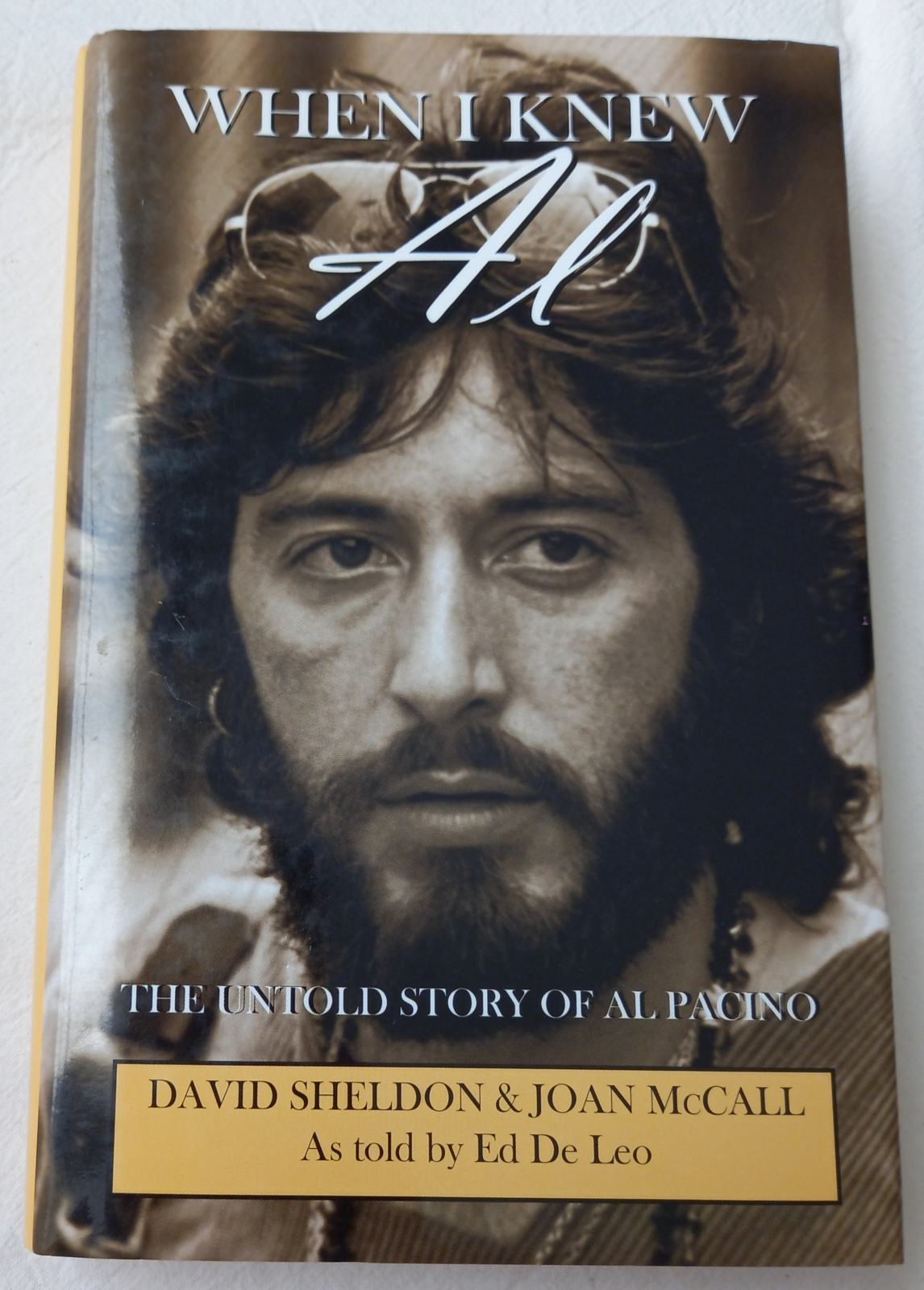
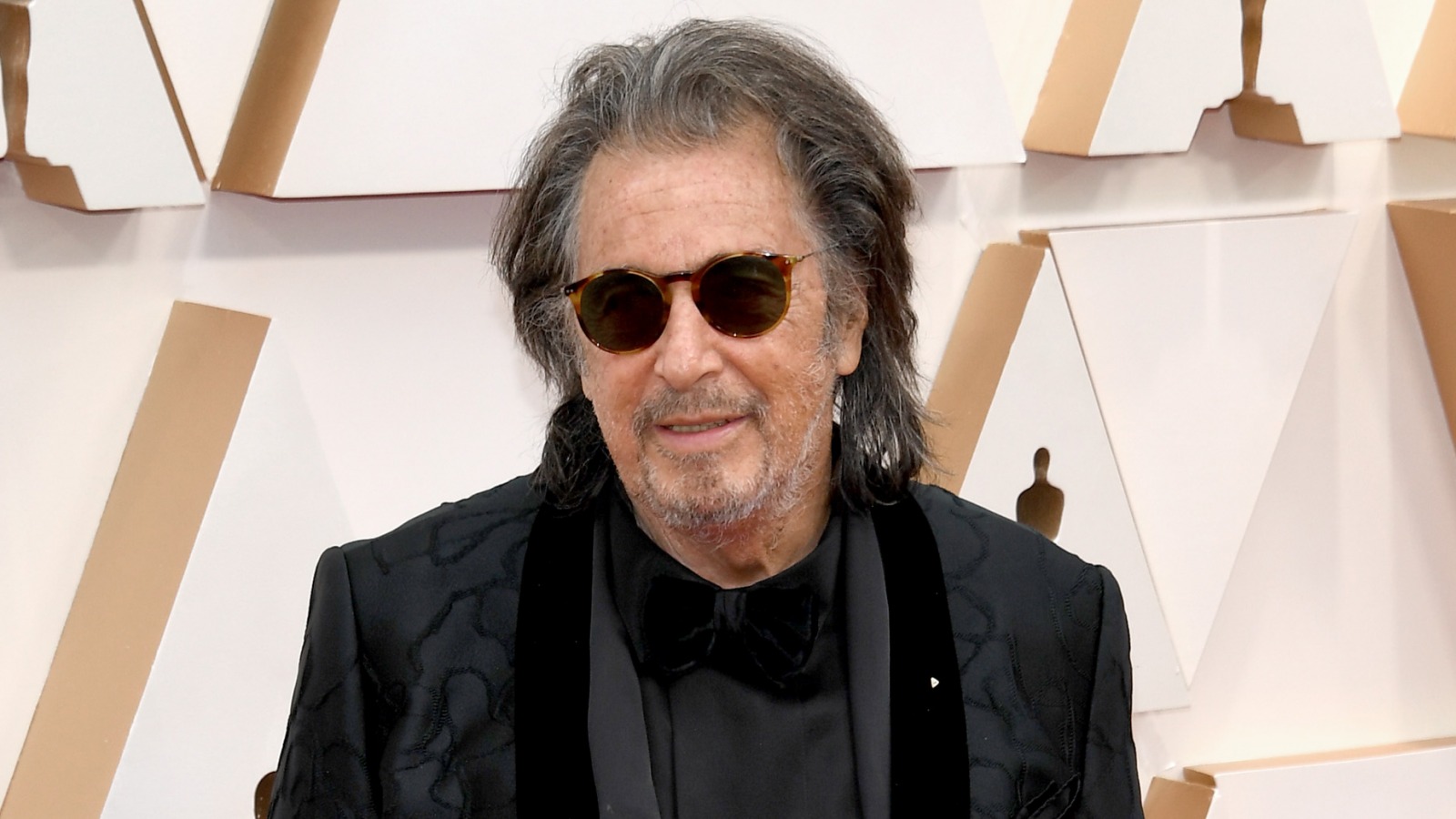
Al Pacino’s formal education was defined not by traditional academic degrees, but by immersive, practical training in dramatic arts. After dropping out of Manhattan’s High School of Performing Arts at age 17, Pacino honed his craft through mentorship at the Herbert Berghof Studio and elite training under Lee Strasberg at The Actors Studio.
Early Years in the Bronx and the High School of Performing Arts
Alfredo James Pacino was born in East Harlem, Manhattan, in 1940 and raised predominantly in the South Bronx by his mother and maternal grandparents. His early exposure to storytelling was personal and visual; he spent much of his childhood re-enacting movie scenes he watched at local theaters. Schoolwork in conventional academic subjects rarely captured his interest, but his expressive energy stood out to early teachers who recognized his latent dramatic capability.
In his early teens, Pacino gained admission to the prestigious High School of Performing Arts in New York City—the school famously commemorated in popular culture as the "Fame" school. This was his first exposure to a structured environment dedicated specifically to performance. However, Pacino struggled significantly with standard academic subjects and faced personal financial hardship at home.
By age 17, friction between his academic standing, family expectations, and financial pressures reached a breaking point. Pacino dropped out of high school, a decision that led to a temporary rift with his mother. Left to support himself, he worked a series of low-paying jobs—including messenger boy, busboy, janitor, and postal clerk—while auditioning for basement theater productions and avant-garde plays across New York City.
The Formative Pivot: Mentorship Under Charlie Laughton at HB Studio
Dropping out of high school did not end Pacino’s education; rather, it shifted his learning into specialized conservatory environments. During his late teens, Pacino began taking classes at the Herbert Berghof Studio (HB Studio) in Greenwich Village. Founded by theater luminaries Herbert Berghof and Uta Hagen, HB Studio provided an accessible yet rigorous training ground for working-class actors.
It was at HB Studio that Pacino met Charlie Laughton (not to be confused with the English actor of the same name), an acting teacher who would become his mentor, father figure, and artistic guide. Laughton recognized Pacino’s intense emotional availability and natural instinct for dramatic tension.
- HB Studio Training (Charlie Laughton)
- Foundational Technique & Script Analysis
- The Actors Studio (1966 - Lee Strasberg)
- Method Acting Integration & Psychological Realism
Under Laughton’s guidance, Pacino expanded his intellectual and artistic horizons:
- Literary Exposure: Laughton introduced Pacino to classical playwrights, poetry, and literature, bridging the educational gap left by his incomplete high school schooling.
- Script Analysis: Pacino learned how to break down text to discover character motivations, subtext, and underlying psychological beats.
- Stage Discipline: Laughton pushed Pacino to perform in off-Off-Broadway productions, emphasizing live theater experience over commercial ambitions.
This period established Pacino’s lifelong habit of deep preparation. Laughton taught him that acting was an ongoing discipline rather than a collection of superficial mannerisms, laying the groundwork for his eventual transition to professional theater.
The Actors Studio and Lee Strasberg: Refining the Method
In 1966, after years of grueling auditions, basement theater, and financial insecurity, Pacino achieved a monumental career breakthrough by earning admission into The Actors Studio. Located in Manhattan, The Actors Studio was the center of modern American theater training, led by legendary practitioner Lee Strasberg.
Admission to The Actors Studio was notoriously competitive, requiring actors to pass demanding auditions in front of a panel of peers. For Pacino, acceptance marked his transition from a struggling street actor to a recognized talent within the professional community.
At The Actors Studio, Pacino was introduced to "The Method"—an adaptation of Stanislavski’s system that emphasized psychological realism, sensory memory, and emotional truth. Strasberg taught actors to draw upon their own lived experiences to create genuine emotional responses on stage.
"The Actors Studio was a turning point in my life. Lee Strasberg was directly responsible for telling me I could act, that I had a gift. It was the first time someone validated what I was doing."— Al Pacino on his training under Lee Strasberg
Strasberg’s instruction provided Pacino with a structured framework for his intense natural energy. Rather than relying solely on raw instinct, Pacino learned how to regulate his emotional expression, build internal character logic, and maintain psychological authenticity across repeated performances. This rigorous training became the foundation of his signature acting style: internal containment punctuated by explosive, visceral realism.
Key Educational Milestones in Al Pacino's Path
The educational evolution of Al Pacino illustrates how non-traditional training and specialized studio mentorship can replace standard university pathways in creative fields.
| Period / Era | Institution / Mentor | Key Focus Area | Career Impact |
|---|---|---|---|
| Mid-1950s | High School of Performing Arts | Early foundational drama, voice, and stage basics | First exposure to formal performance arts; dropped out at age 17. |
| Late 1950s – Early 1960s | HB Studio (Charlie Laughton) | Script analysis, classical literature, dramatic technique | Discovered key mentorship; built foundational discipline and literary literacy. |
| 1966 – Late 1960s | The Actors Studio (Lee Strasberg) | Method acting, affective memory, psychological realism | Validated artistic potential; developed high-intensity, realistic acting methodology. |
| 1968 – 1970s | Off-Broadway & Broadway Stage | Applied theatrical performance, live audience interaction | Won an Obie Award (The Indian Wants the Bronx) and first Tony Award (Does a Tiger Wear a Necktie?). |
Stage Success to Cinema: How Formal Craft Shaped Unforgettable Roles
Pacino's rigorous training in New York theater directly shaped his immediate impact on American cinema in the early 1970s. Director Francis Ford Coppola cast Pacino as Michael Corleone in The Godfather (1972) largely due to his ability to convey complex internal thought without speaking—a core principle emphasized at The Actors Studio.
In The Godfather, Pacino used Strasberg's technique of internal stillness to portray Michael Corleone's transition from an innocent war veteran to a ruthless mafia don. His performance relied heavily on subtext, eye movement, and controlled posture rather than grand theatrical gestures.
- Stage Craft & Method Training
- Quiet Containment: Michael Corleone (The Godfather, 1972)
- Emotional Intensity: Frank Serpico (Serpico, 1973) & Sonny Wortzik (Dog Day Afternoon, 1975)
Subsequent performances demonstrated the versatility of his background:
- Serpico (1973): Pacino applied immersive preparation by spending time with the real Frank Serpico, integrating real-life observation into his Method approach.
- Dog Day Afternoon (1975): Using live theater techniques, Pacino improvised key moments of emotional vulnerability during the bank hostage crisis, producing a raw, authentic performance.
- Glengarry Glen Ross (1992): Returning to his stage roots, Pacino leveraged his training in dialogue cadence to interpret David Mamet’s complex, rhythmic script.
His formal artistic education provided him with a repeatable system for approaching roles, allowing him to navigate high-pressure film sets while maintaining artistic integrity.
Lessons from Pacino's Non-Traditional Learning Path
Pacino’s trajectory offers practical insights for aspiring actors, arts students, and professionals evaluating unconventional career routes:
- Formal Academics Are Not the Only Route to Mastery: While traditional university degrees offer valuable structure, specialized studio environments often provide more focused practical training in performance arts.
- Mentorship Accelerates Development: Finding dedicated mentors—such as Charlie Laughton at HB Studio—can compensate for gaps in formal schooling by providing tailored guidance and intellectual direction.
- Immersion Beats Theory: Pacino’s real-world experience in off-off-Broadway plays provided immediate feedback that classroom-only instruction could not match.
- Technique Channels Raw Instinct: Natural talent requires a structured framework. The Actors Studio taught Pacino how to control and reproduce intense emotional states safely and consistently.
Frequently Asked Questions
Did Al Pacino go to college or get a university degree?
No, Al Pacino did not attend college. He left formal schooling at age 17 when he dropped out of the High School of Performing Arts to work entry-level jobs and pursue acting full-time in New York theatrical studios.
Where did Al Pacino learn Method acting?
Al Pacino learned Method acting primarily at The Actors Studio in New York City, where he was accepted in 1966. He studied directly under Lee Strasberg, one of the foremost pioneers of Method acting in America.
Who was Al Pacino's most influential acting teacher?
Al Pacino frequently credits Charlie Laughton from the HB Studio as his first major mentor who introduced him to literature and foundational acting principles, and Lee Strasberg as the teacher who validated his professional potential and refined his technique.
What high school did Al Pacino drop out of?
Al Pacino dropped out of the High School of Performing Arts in Manhattan, New York. He left at age 17 due to academic difficulties and financial burdens.
Is Al Pacino still involved with The Actors Studio?
Yes. Pacino remained dedicated to The Actors Studio throughout his career, eventually becoming a co-president of the organization alongside Ellen Burstyn and Harvey Keitel, supporting incoming generations of theatrical talent.
Applying Pacino's Craft-First Philosophy Today
For dramatic artists navigating early career development, Al Pacino's educational journey demonstrates that commitment to craft supersedes traditional institutional credentials. Rather than pursuing prestige for its own sake, actors benefit most from identifying training environments that emphasize practical repetition, deep text analysis, and constructive peer evaluation.
To implement a craft-first approach modeled on Pacino’s career path:
- Prioritize Conservatory-Style Training: Look for acting studios or workshop environments that emphasize continuous scene study over brief theoretical lectures.
- Seek Direct Mentorship: Find instructors who offer individualized criticism and challenge your artistic assumptions, as Charlie Laughton did for Pacino.
- Build a Strong Literary Foundation: Read classical and contemporary dramatic texts regularly to develop an intuitive understanding of character structure and dialogue.
- Embrace Stage Work early: Gain live audience experience through local theater, independent productions, or workshop presentations to build stamina and adaptability.
By focusing on deep preparation and psychological realism, performers can build a sustainable foundation for long-term artistic success.