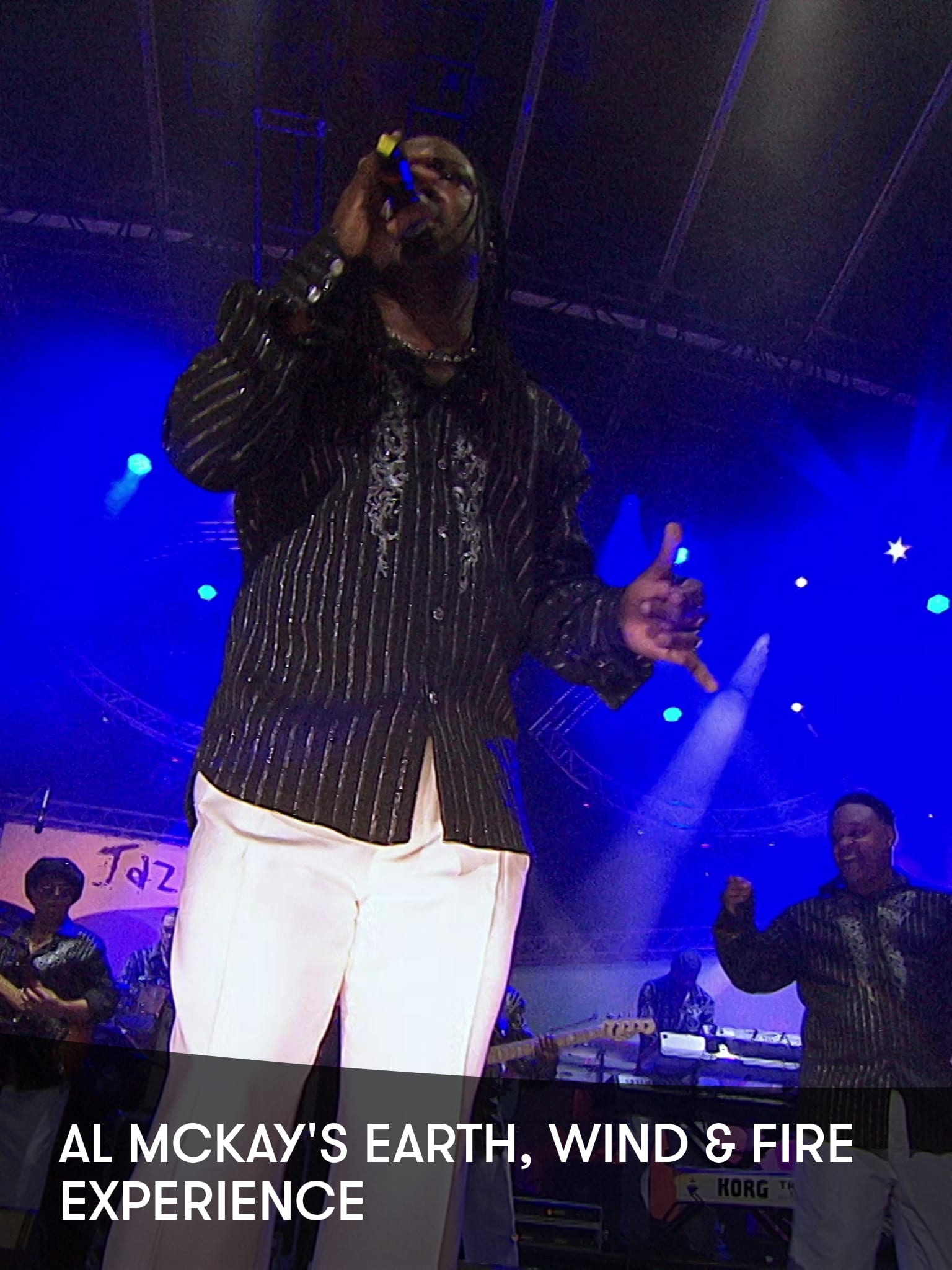
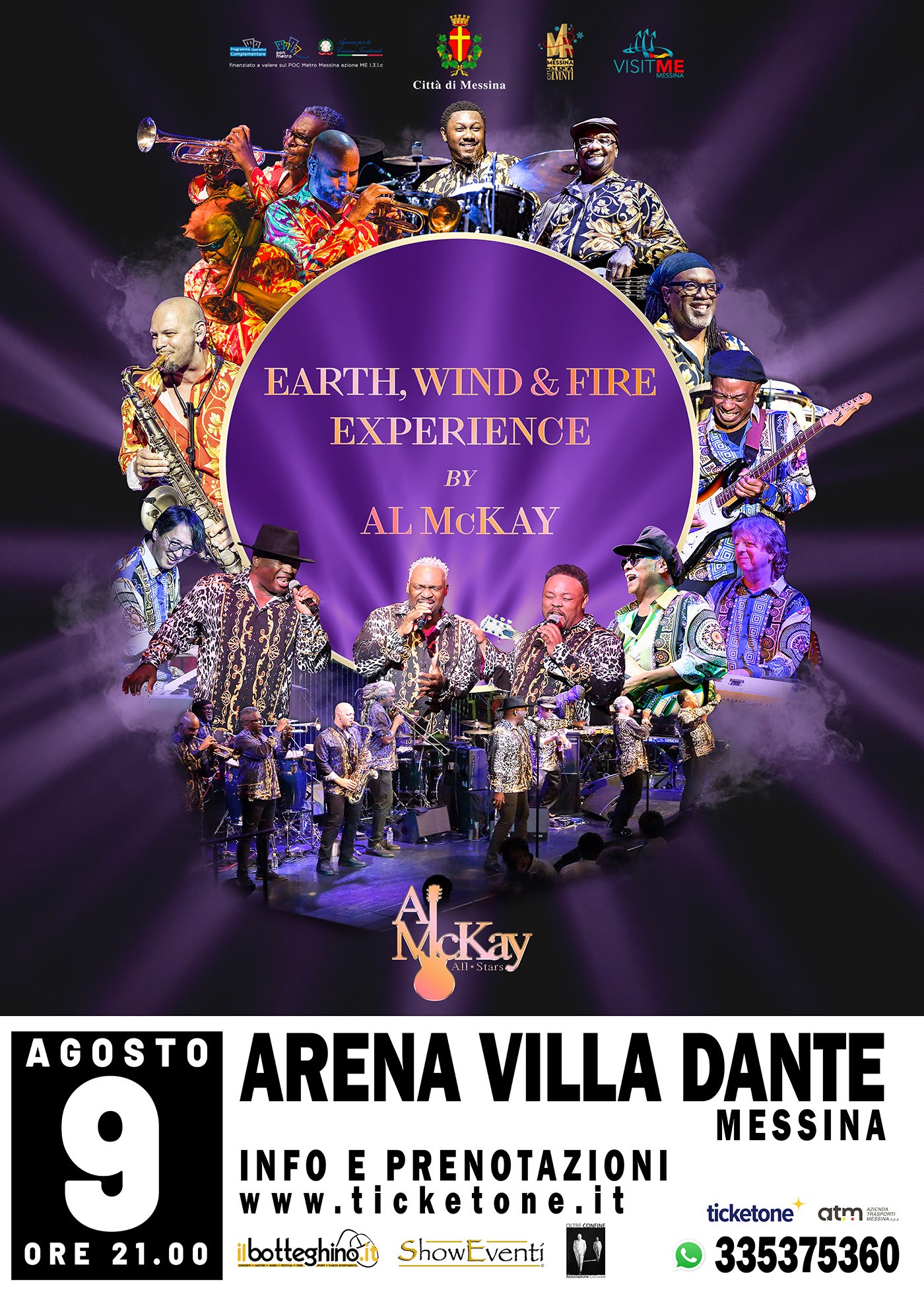
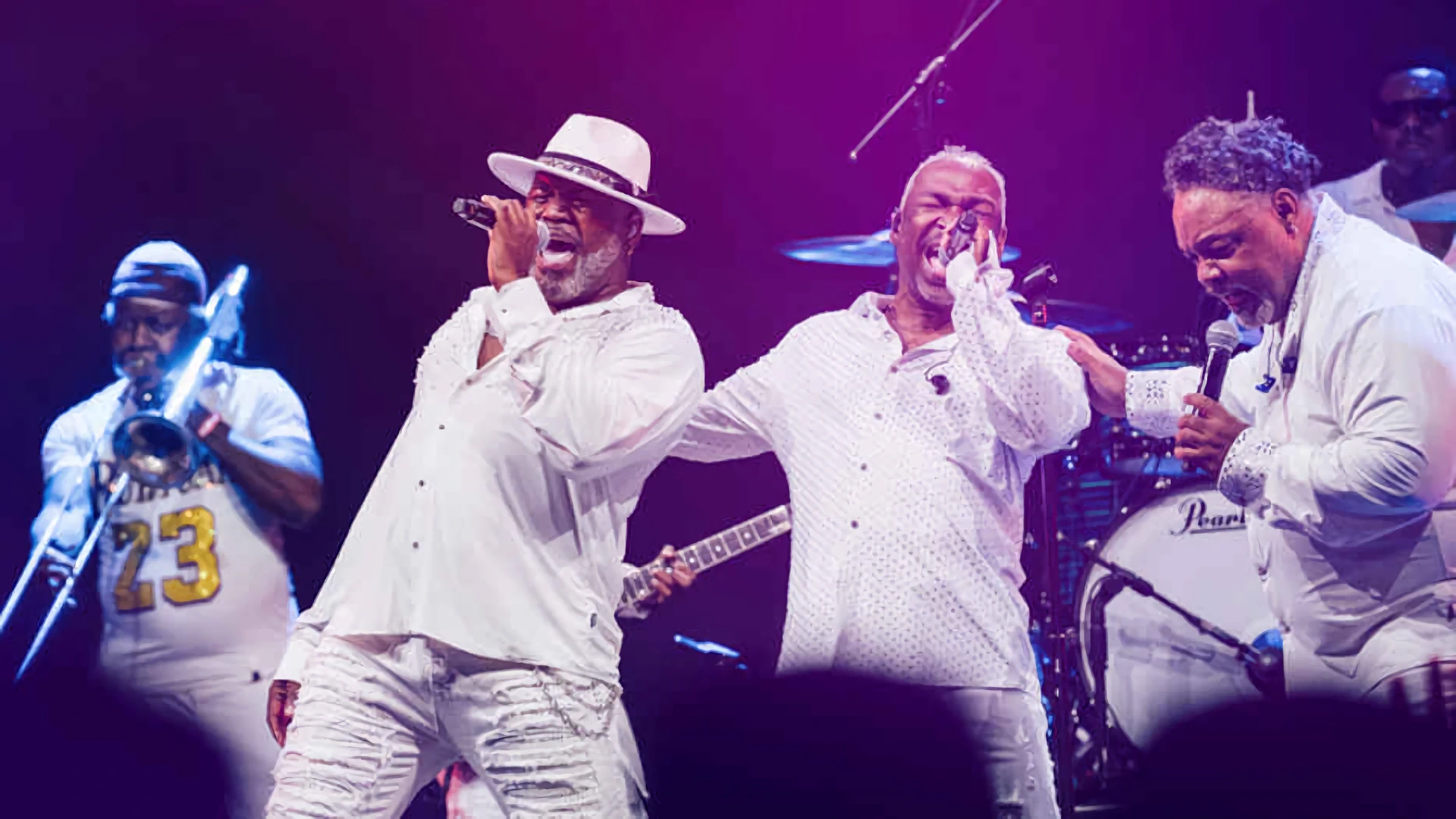
Al McKay holds an estimated net worth between $8 million and $10 million. His accumulated wealth stems primarily from lucrative songwriting publishing royalties for global disco-funk anthems such as Earth, Wind & Fire's "September" and "Sing a Song," along with master recording royalties, legacy session work, and ongoing revenue from touring with Al McKay’s Earth, Wind & Fire Experience.
Career Foundations and the Rise of Earth, Wind & Fire
Before defining the rhythmic backbone of Earth, Wind & Fire (EWF), Al McKay established himself as one of the most sought-after session guitarists in Los Angeles. Raised in a musical environment, McKay developed a clean, syncopated, left-handed rhythm guitar style that quickly caught the attention of major industry figures. In the late 1960s and early 1970s, he toured and recorded with the Ike & Tina Turner Revue, Sammy Davis Jr., and Charles Wright & the Watts 103rd Street Rhythm Band, playing on seminal funk tracks such as "Express Yourself."
In 1973, Earth, Wind & Fire founder Maurice White invited McKay to join the band during a pivotal transition toward a sophisticated blend of R&B, funk, pop, jazz, and soul. McKay’s arrival alongside rhythm section core members—including bassist Verdine White and drummer Fred White—solidified the band's signature groove engine.
During his tenure with Earth, Wind & Fire from 1973 to 1981, the group produced a string of multi-platinum albums certified by the Recording Industry Association of America (RIAA), including That's the Way of the World, Spirit, All 'N All, and I Am. McKay's guitar work provided the crucial harmonic bridge between the horn section and the rhythm section, making his contributions central to the band's massive commercial and artistic success during their peak era.
Primary Wealth Drivers: Songwriting and Royalties
While physical album sales and sold-out arena tours provided substantial upfront cash flow during the 1970s, the bulk of Al McKay’s long-term net worth originates from his co-writing credits on some of the most played songs in modern music history.
The Financial Power of "September"
Released in 1978 on The Best of Earth, Wind & Fire, Vol. 1, "September" was co-written by Al McKay, Maurice White, and lyricist Allee Willis. The track reached the top of the Billboard R&B chart and #8 on the Billboard Hot 100, becoming a timeless global standard.
From a financial perspective, "September" represents an annuity-like asset. Songwriters and publishers earn income across multiple licensing streams:
- Performance Royalties: Distributed by performance rights organizations (PROs) such as ASCAP for terrestrial radio play, satellite radio, digital streaming, television broadcasts, and venue performances worldwide.
- Synchronization (Sync) Licenses: Earned whenever the track is licensed for feature films, television shows, video games, and corporate advertising campaigns. "September" remains one of the most frequently licensed tracks in sync history.
- Mechanical and Digital Streaming Royalties: Micro-payments collected per physical unit sold, digital download, and interactive audio stream (such as Spotify, Apple Music, and Amazon Music).
Additional Major Composition Credits
McKay’s songwriting catalog extends well beyond a single hit:
- "Sing a Song" (1975): Co-written with Maurice White, this track topped the R&B charts and hit #5 on the Hot 100, generating decades of radio performance and compilation royalties.
- "Best of My Love" (1977): Co-written by McKay and Maurice White for the female R&B group The Emotions, this track became a #1 pop hit on the Billboard Hot 100 and won a Grammy Award. As co-composer, McKay continues to receive substantial publishing distributions from this disco classic.
- "Love's Holiday" (1977): A staple track from the triple-platinum album All 'N All, generating consistent R&B radio airplay and streaming revenue.
Because publishing rights grant songwriters a permanent share of performance and sync distributions, McKay’s co-writing shares have compounding financial value that continues to generate passive income decades after their initial release.
Estimating Al McKay's Net Worth
Evaluating the net worth of a veteran music creator involves assessing both liquid earnings, real property, and the capitalized value of their music publishing catalog. Financial analysts and music industry profiles place Al McKay's net worth in the $8 million to $10 million range.
Estimated Net Worth Breakdown (Valuation Range: $8M – $10M):
- Songwriting & Publishing Rights (35-40%): High-yield perpetual royalties ("September", "Best of My Love")
- Active Live Touring Income (25-30%): International concert dates & festival fees
- Catalog & Master Sound Royalties (15-20%): SoundExchange, mechanical rights, EWF album reissues
- Real Estate & Cash Reserves (15-20%): Private assets, equity, and investment portfolios
Factors Influencing Catalog Valuation
If McKay were ever to sell his publishing catalog to a music rights investment group (such as Hipgnosis, Primary Wave, or Concord Music Publishing), the asset valuation would be calculated as a multiple of the catalog's Net Publisher's Share (NPS). Given that evergreen tracks like "September" maintain steady streaming numbers and high sync demand, high-quality funk and R&B catalogs from the 1970s often command multiples between 15x and 22x annual net earnings.
Post-EWF Career and Touring Revenue
Al McKay left Earth, Wind & Fire in 1981, prior to the band's temporary hiatus in the mid-1980s. Following his departure, he maintained an active career as a producer, session guitarist, and bandleader.
Session Work and Production
Throughout the 1980s and 1990s, McKay contributed his guitar talents to records by artists across R&B, pop, and jazz. While session work typically pays standard union rates or fixed project fees rather than backend equity, it provided steady active income between major production projects.
Al McKay’s Earth, Wind & Fire Experience
To satisfy continuous demand for classic disco-funk live performances, McKay formed the "LA Allstars," which eventually evolved into Al McKay’s Earth, Wind & Fire Experience. Featuring a high-caliber line-up of veteran R&B musicians and former EWF sidemen, the group tours internationally, headlining major music festivals, venue halls, and high-end private events across Europe, Asia, South America, and North America.
Live touring provides McKay with a reliable source of active revenue:
- Guaranteed Performance Fees: Festival headlining slots and international concert dates pay fixed performance guarantees.
- Merchandise Sales: Direct-to-fan sales of branded apparel, live albums, and memorabilia at concert venues.
- Private and Corporate Events: High-margin corporate bookings and private gala performances.
Comparative Analysis of Al McKay's Revenue Streams
The table below breaks down the primary mechanisms driving Al McKay’s historical and ongoing earnings:
| Income Category | Key Assets & Hit Works | Primary Monetization Mechanism | Long-Term Financial Impact |
|---|---|---|---|
| Songwriting & Publishing | "September", "Sing a Song", "Best of My Love", "Love's Holiday" | ASCAP/BMI performance royalties, sync licensing (movies/TV/ads), digital streaming mechanicals | High perpetual passive income; minimal decay over time due to evergreen status. |
| Live Concert Touring | Al McKay’s Earth, Wind & Fire Experience | Guaranteed appearance fees, ticket sales split, festival contracts, corporate bookings | Major source of liquid active cash flow; directly dependent on active touring schedules. |
| Master Recordings & Digital Rights | EWF Albums (1973–1981: That's the Way of the World, All 'N All) | Master user fees, streaming payments via label accounting, SoundExchange digital performance payouts | Steady annual residuals based on physical box sets, reissues, and satellite radio plays. |
| Session Work & Production | Ike & Tina Turner, Charles Wright, various R&B session projects | Upfront session fees, arrangement fees, producer advance points | Historical foundational income; provided cash flow prior to major songwriting success. |
Legal Rights, Performance Royalties, and Brand Management
Operating a touring entity under an established band name requires strict adherence to trademark law and intellectual property rights. The name "Earth, Wind & Fire" is a registered trademark owned by the estate of Maurice White and the official band entity maintained by surviving core members such as Verdine White and Philip Bailey.
To avoid trademark infringement while marketing his live performances, McKay’s group operates explicitly as Al McKay’s Earth, Wind & Fire Experience or The Al McKay Allstars. This distinct branding ensures:
- Legal compliance with trademark regulations governing legacy music group names.
- Clear distinction for concert promoters and ticket buyers between the official touring EWF line-up and McKay’s tribute/reunion ensemble.
- Uninterrupted commercial operations for international festival bookings.
From a performance royalty standpoint, neighboring rights organizations and sound recording entities (such as SoundExchange in the United States) ensure that featured artists and non-featured musicians receive statutory digital performance royalties whenever original 1970s master recordings are broadcast on non-interactive digital platforms like SiriusXM or Pandora.
Frequently Asked Questions
What is Al McKay's estimated net worth in 2026?
Al McKay's net worth is estimated to be between $8 million and $10 million. His net worth is sustained by lifelong publishing royalties from writing Earth, Wind & Fire hits, alongside active income from international concert tours.
Did Al McKay write the Earth, Wind & Fire song "September"?
Yes. Al McKay co-wrote "September" alongside Earth, Wind & Fire founder Maurice White and songwriter Allee Willis. McKay composed the central guitar riff and chord progression that form the foundational musical architecture of the track.
Does Al McKay earn royalties from "Best of My Love"?
Yes. Al McKay co-wrote "Best of My Love" with Maurice White for the vocal group The Emotions. Because the song reached #1 on the Billboard Hot 100 and remains a disco classic, McKay receives ongoing publishing and performance royalties whenever the song is broadcast, streamed, or licensed.
Why did Al McKay leave Earth, Wind & Fire in 1981?
Al McKay left Earth, Wind & Fire in 1981 due to creative differences, severe touring burnout, and the shifting internal dynamics of the group following years of constant recording and global touring schedules.
How does Al McKay’s Earth, Wind & Fire Experience differ from the main band?
Al McKay’s Earth, Wind & Fire Experience is an independent touring ensemble led by Al McKay featuring professional R&B musicians. It performs authentic live arrangements of EWF's classic catalog, whereas the official band Earth, Wind & Fire continues to tour separately with original member Verdine White and longtime lead vocalist Philip Bailey.
Evaluating the Financial Legacy of Legacy Musician Catalogs
Understanding the financial trajectory of musicians like Al McKay highlights the paramount importance of songwriting ownership in the music industry. While performance fees and record sales provide immediate revenue during an artist's peak performing years, long-term wealth preservation for legacy musicians relies overwhelmingly on retaining music publishing equity.
For music business analysts, investors, and fans studying catalog economics:
- Prioritize Publishing Equity: Co-writing credits on radio-friendly hits generate multi-generational income streams that far outlast original record contracts.
- Track Sync Opportunities: Placement in film, television, and global commercials serves as both a lucrative immediate licensing fee and a driver for renewed digital streaming activity.
- Differentiate Active vs. Passive Revenue: Sustaining a net worth in the multi-millions post-retirement often requires a dual approach: leveraging passive catalog rights while maintaining active revenue through specialized, high-end live touring.