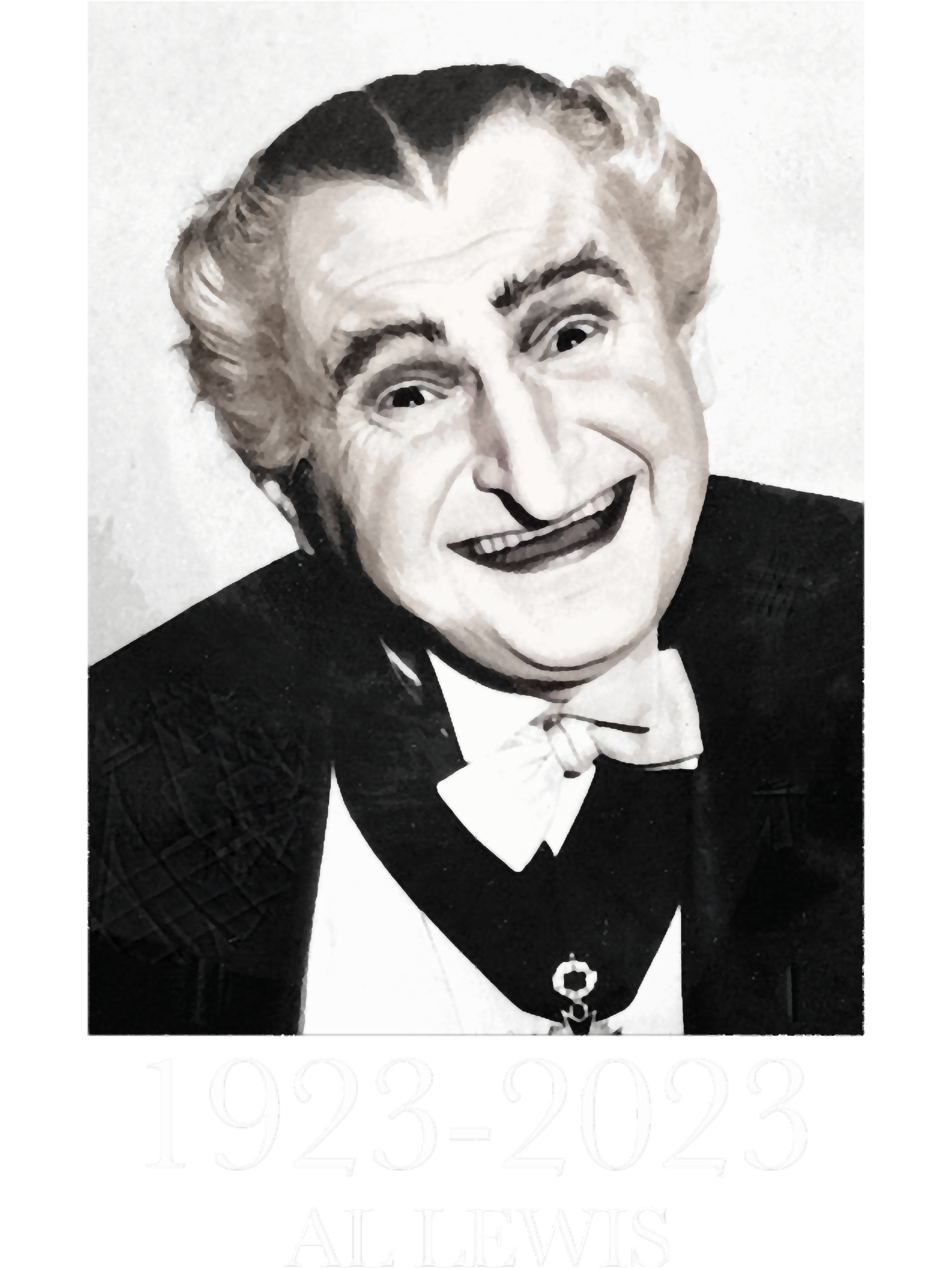
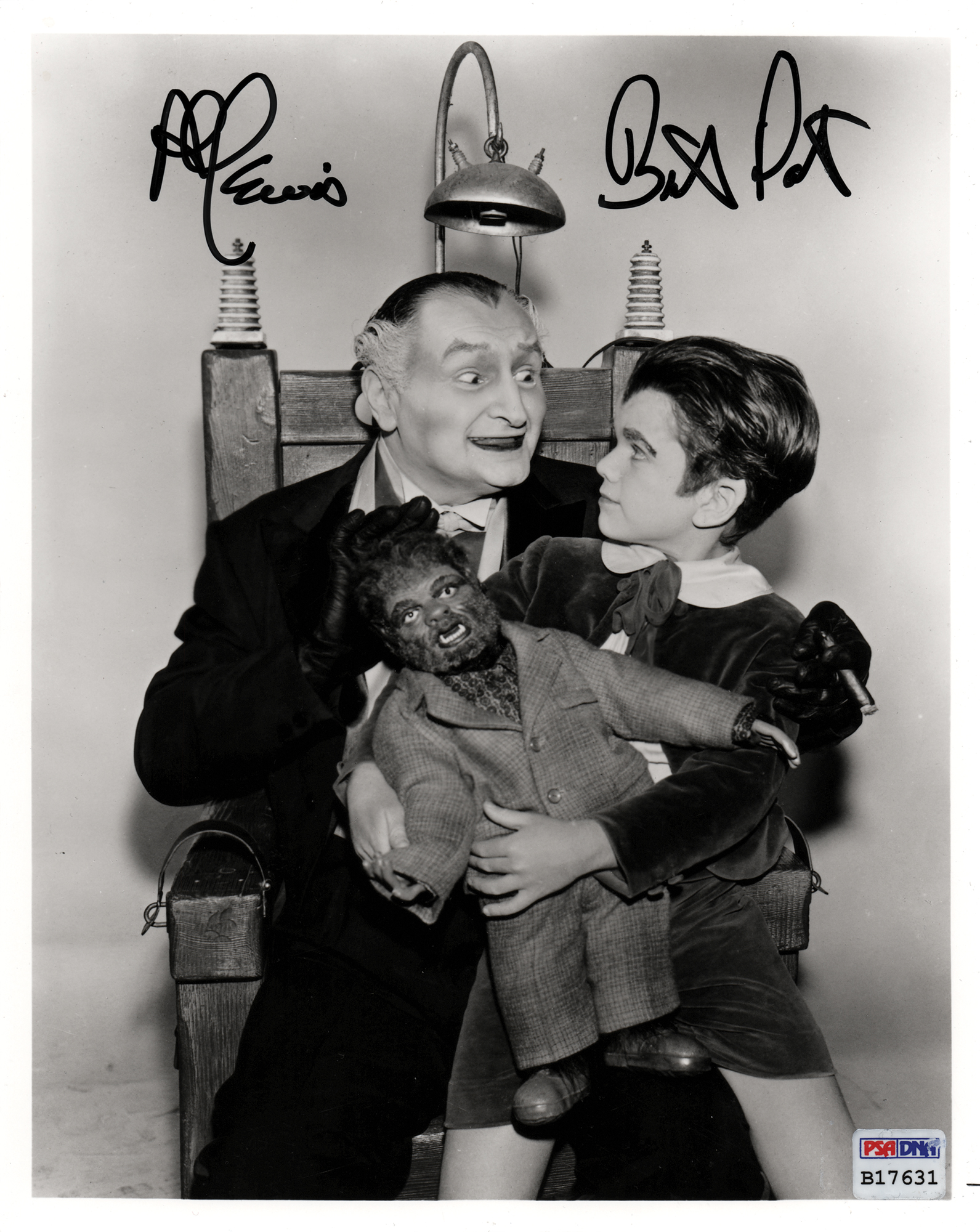
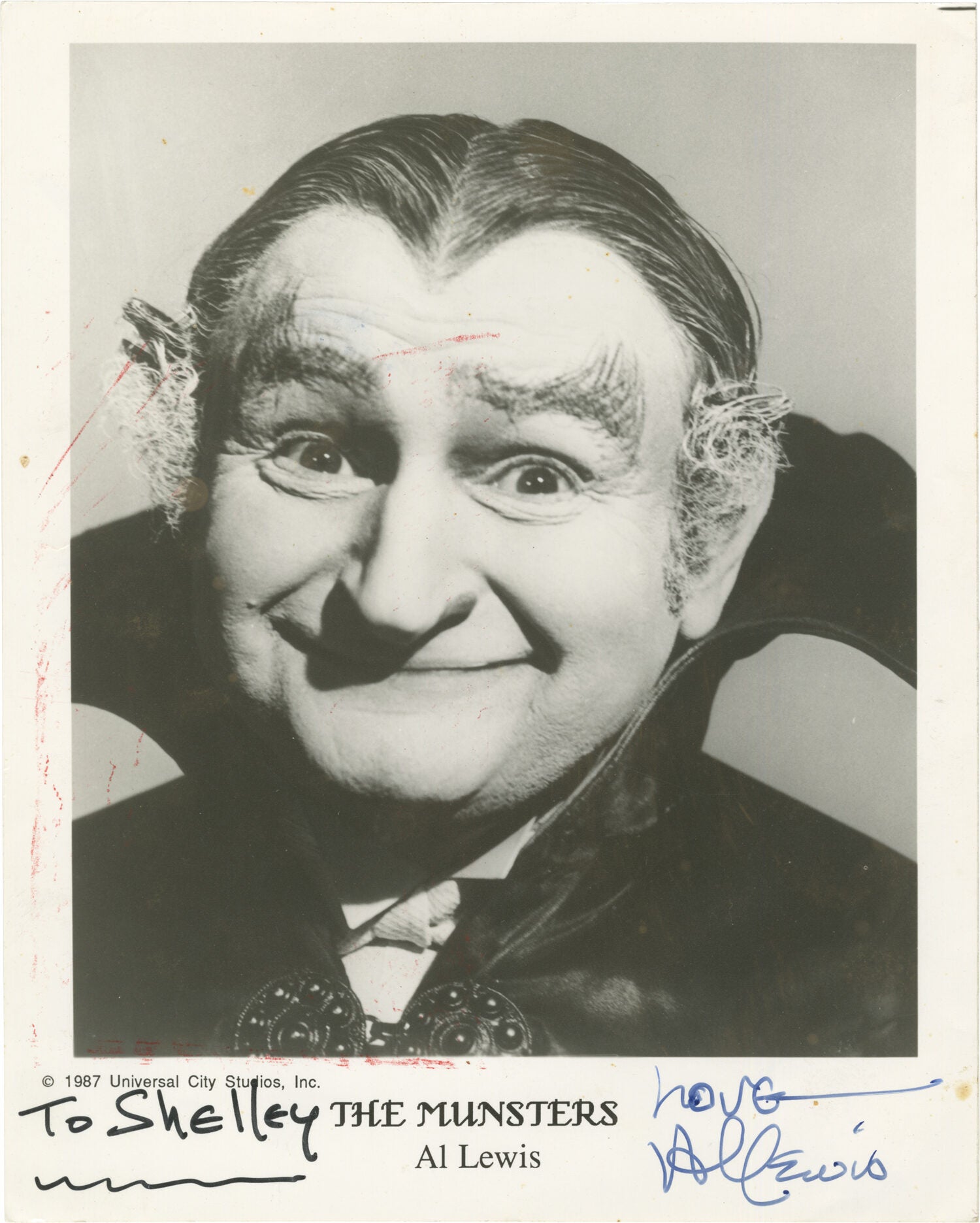
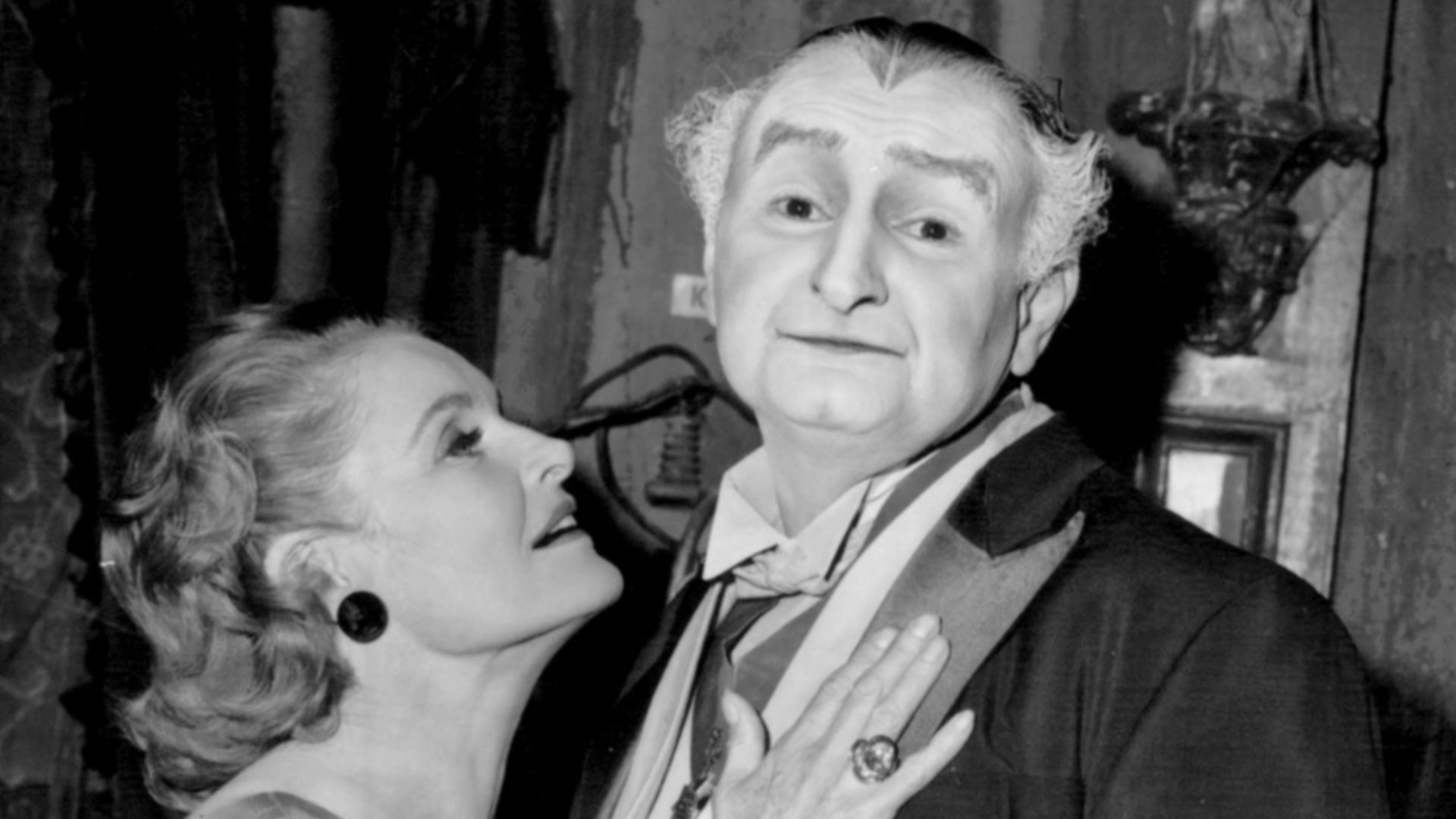
Al Lewis was an American character actor, political activist, restaurant owner, and radio host best known for playing Grandpa (Count Sam Dracula) on the classic 1960s CBS sitcom The Munsters. Beyond his celebrated television roles alongside co-star Fred Gwynne, Lewis built a multifaceted public career spanning radio broadcasting, community activism, and a high-profile 1998 New York gubernatorial run on the Green Party ticket.
Early Life and the Road to Television
Al Lewis was born Albert Meister in New York City on November 30, 1923. Throughout his public life, Lewis frequently claimed to have been born in 1910, a playful exaggeration that persisted in entertainment journalism for decades until public records confirmed his 1923 birth date. Raised in Brooklyn, Lewis developed a sharp wit and deep engagement with social issues early in life, traits that would later define both his dramatic delivery and his lifelong political advocacy.
Before establishing himself as a professional actor, Lewis engaged in varied pursuits across education, youth sports, and public performance. He earned a Ph.D. in child psychology from Columbia University in the 1940s—a credential he cited throughout his later work as an educator and youth basketball scout. His early background in theater, vaudeville, and circus work sharpened his physical comedy techniques, voice modulation, and improvisation skills.
Lewis began taking professional television and stage roles during the 1950s, appearing in live anthology dramas and off-Broadway theatrical productions. His early work established his reputation as a reliable character actor capable of handling both comedic exaggeration and grounded dramatic material. This versatility caught the attention of pioneering television producer Nat Hiken, opening the door to his breakout roles in network television.
Defining Television Roles: From Car 54, Where Are You? to The Munsters
Al Lewis achieved his first major national exposure in NBC’s classic sitcom Car 54, Where Are You? (1961–1963), created by Nat Hiken. Lewis portrayed Officer Leo Schnauser, a hot-tempered, poker-playing police officer working out of the fictional 53rd Precinct in the Bronx. The series matched Lewis with actor Fred Gwynne, who played Officer Francis Muldoon. The on-screen chemistry between Lewis and Gwynne established a comedic partnership that television executives immediately sought to replicate.
When Car 54, Where Are You? ended, producers Joe Connelly and Bob Mosher cast both Lewis and Gwynne in CBS’s fantasy sitcom The Munsters (1964–1966). Lewis was cast as Grandpa, the centuries-old vampire Count Dracula who served as the eccentric, mad-scientist patriarch of 1313 Mockingbird Lane. Despite being younger than his on-screen daughter Lily Munster (played by Yvonne De Carlo), Lewis transformed into the character using extensive prosthetic makeup, a signature cigar, and animated physical antics.
- Car 54, Where Are You? (1961–1963)
- Officer Leo Schnauser (with Fred Gwynne)
- The Munsters (1964–1966)
- Grandpa / Count Dracula (1313 Mockingbird Lane)
- Greenwich Village Restaurant & WBAI Radio
- Community Activism & Public Broadcasting
- 1998 NY Gubernatorial Campaign
- Green Party Candidate (52,533 votes)
The success of The Munsters relied heavily on Lewis's manic energy, contrast with Gwynne’s slow-witted Herman Munster, and sharp timing. Grandpa’s basement laboratory experiments—frequently producing unintended explosions or comedic transformations—became central to the show's narrative structure. Although CBS canceled the series after two seasons (70 episodes) due to stiff competition from ABC's color broadcast of Batman, The Munsters entered syndication worldwide, cementing Lewis's image in global popular culture.
Key Roles and Career Overview
The following table outlines the major milestones across Al Lewis’s career in television, film, broadcasting, and political life:
| Period / Year | Entity / Project | Character or Role | Significance & Impact |
|---|---|---|---|
| 1961–1963 | Car 54, Where Are You? | Officer Leo Schnauser | Established national comedic profile; introduced partnership with Fred Gwynne. |
| 1964–1966 | The Munsters | Grandpa (Count Dracula) | Iconic starring role; achieved global syndication fame and cultural longevity. |
| 1966 | Munster, Go Home! | Grandpa Munster | Feature film continuation of the television series produced in Technicolor. |
| 1971 | They Might Be Giants | Mr. Peabody | Featured performance in acclaimed mystery comedy-drama starring George C. Scott. |
| 1980 | Used Cars | Judge Hanging Robert Parker | Memorable supporting role in Kurt Russell cult comedy directed by Robert Zemeckis. |
| 1987–1990s | Grampa's Bella Gente | Owner / Host | Italian restaurant in Greenwich Village serving as a community hub and event space. |
| 1990s–2000s | WBAI 99.5 FM Radio | Weekly Program Host | Commentary on free speech, civil liberties, and opposition to Rockefeller Drug Laws. |
| 1998 | NY Gubernatorial Election | Green Party Candidate | Earned 52,533 votes, securing permanent ballot line status for the NY Green Party. |
Entrepreneurship, Radio Hosting, and Community Activism
Following the end of network production on The Munsters, Lewis shifted his focus toward business ventures, independent broadcasting, and political activism in New York City. In the late 1980s, he opened Grampa's Bella Gente, an Italian restaurant in Greenwich Village. The establishment served not only as a commercial venture but also as a neighborhood meeting point where fans could interact directly with Lewis, who frequently greeted patrons at the door in his signature style.
Lewis became an active public broadcaster on listener-sponsored WBAI (99.5 FM) in New York City. Hosting a regular radio program, he analyzed local politics, criminal justice reform, and civil liberties. His broadcasting style mirrored his personal ethos: direct, unvarnished, and deeply critical of political corruption, economic inequality, and judicial harshness.
A central cause of Lewis’s public advocacy was his opposition to New York's mandatory minimum sentencing provisions, known as the Rockefeller Drug Laws enacted in 1973. Lewis regularly attended rallies, organized protests, and used his media platform to lobby for legislative reform, arguing that rigid sentencing structures unfairly targeted marginalized communities and non-violent offenders while failing to address systemic addiction issues.
The 1998 New York Gubernatorial Campaign
In 1998, Al Lewis entered formal electoral politics by accepting the nomination of the Green Party of New York to run for Governor against incumbent Republican George Pataki and Democratic challenger Peter Vallone. Lewis ran on a progressive platform emphasizing civil liberties, educational funding, judicial reform, environmental protections, and opposition to police misconduct.
1998 New York Gubernatorial Election Threshold:
- Required for Automatic Ballot Status: 50,000 votes
- Votes Received by Al Lewis (Green Party): 52,533 votes (Status Achieved)
The campaign gained national attention due to a legal dispute over how Lewis's name would appear on the official state ballot. Lewis sued the New York State Board of Elections, requesting to be listed as "Grandpa Al Lewis," arguing that the name was his recognized public identity. A federal judge ruled against the request, determining that official ballot listings must use legal names to avoid confusion, though the ruling permitted him to appear as "Al Lewis."
Despite the ballot title ruling, the campaign achieved a major institutional goal for the Green Party:
- Vote Total: Lewis secured 52,533 votes (roughly 1.1% of the total cast).
- Legal Threshold: Under New York election law at the time, securing more than 50,000 votes automatically qualified the Green Party for an official ballot line statewide for the next four years.
- Political Impact: This result eliminated the costly and cumbersome requirement for the party to gather tens of thousands of signatures to enter future statewide races, cementing Lewis's legacy in third-party electoral activism.
Legacy and Cultural Impact
Al Lewis passed away in New York City on February 3, 2006, at the age of 82. His career represented a rare intersection of television history, character acting, independent business ownership, and political advocacy.
In popular culture, Lewis’s portrayal of Grandpa remains a landmark performance in mid-century television comedy. Alongside Fred Gwynne and Yvonne De Carlo, Lewis helped turn The Munsters into an enduring satire of suburban American life told through the lens of classic Universal monster iconography. His performance established a archetype for theatrical, high-energy comedic roles that influenced generations of character actors.
Beyond entertainment, Lewis is remembered in New York political circles as a committed civil libertarian who used his celebrity status to advance tangible political reforms. His 1998 gubernatorial campaign demonstrated how popular culture figures can assist grassroots political movements in achieving ballot access and policy visibility.
Frequently Asked Questions About Al Lewis
Was Al Lewis actually older than Fred Gwynne and Yvonne De Carlo?
No. Despite playing the grandfather of Herman Munster (Fred Gwynne) and the father of Lily Munster (Yvonne De Carlo), Al Lewis (born November 30, 1923) was actually two years younger than Fred Gwynne (born July 10, 1926) and one year younger than Yvonne De Carlo (born September 1, 1922). Heavy makeup and theatrical posture created the illusion of advanced age.
What was Al Lewis's legal name on the 1998 election ballot?
Al Lewis appeared on the 1998 New York gubernatorial ballot simply as "Al Lewis." He filed a lawsuit against the New York Board of Elections to be listed under his long-standing stage name "Grandpa Al Lewis," but the court ruled that political candidates must use their standard legal names on official state ballots.
Did Al Lewis hold a real doctoral degree?
Yes. Lewis completed a Ph.D. in child psychology from Columbia University in 1941. Prior to committing full-time to acting, he utilized his background in psychology to work as an educator, author, and youth sports consultant.
What happened to Al Lewis's restaurant in Greenwich Village?
Grampa's Bella Gente, located in Manhattan's Greenwich Village, operated successfully through the late 1980s and early 1990s as both a dining establishment and local meeting house. The restaurant eventually closed as Lewis shifted more of his daily efforts toward radio broadcasting and political activism.
How did Al Lewis's campaign affect the New York Green Party?
By securing 52,533 votes in the 1998 gubernatorial election, Lewis cleared the state's 50,000-vote legal threshold. This achievement gave the Green Party of New York automatic statewide ballot access for four consecutive years, eliminating the requirement to collect petition signatures for subsequent elections during that period.
How to Explore and Study the Work of Al Lewis Today
To fully evaluate Al Lewis’s contributions to American media and political history, researchers and television enthusiasts should consider the following steps:
- Review Classic Network Television Archives: Examine full episodes of Car 54, Where Are You? and The Munsters to analyze Lewis's comedic timing, physical body language, and dynamic partnership with Fred Gwynne.
- Examine 1998 Electoral Records: Review the election archives maintained by the New York State Board of Elections to study third-party vote distribution, ballot access laws, and the impact of non-traditional candidates on gubernatorial totals.
- Listen to WBAI Archives: Access public radio audio archives featuring Lewis's broadcasts from the 1990s and early 2000s to study his approaches to civil liberties advocacy, community organizing, and legal reform.
- Compare Mid-Century Comedy Formats: Contrast The Munsters with contemporary 1960s sitcoms like The Addams Family and Bewitched to understand how character actors utilized monster tropes to critique mid-century American suburban norms.