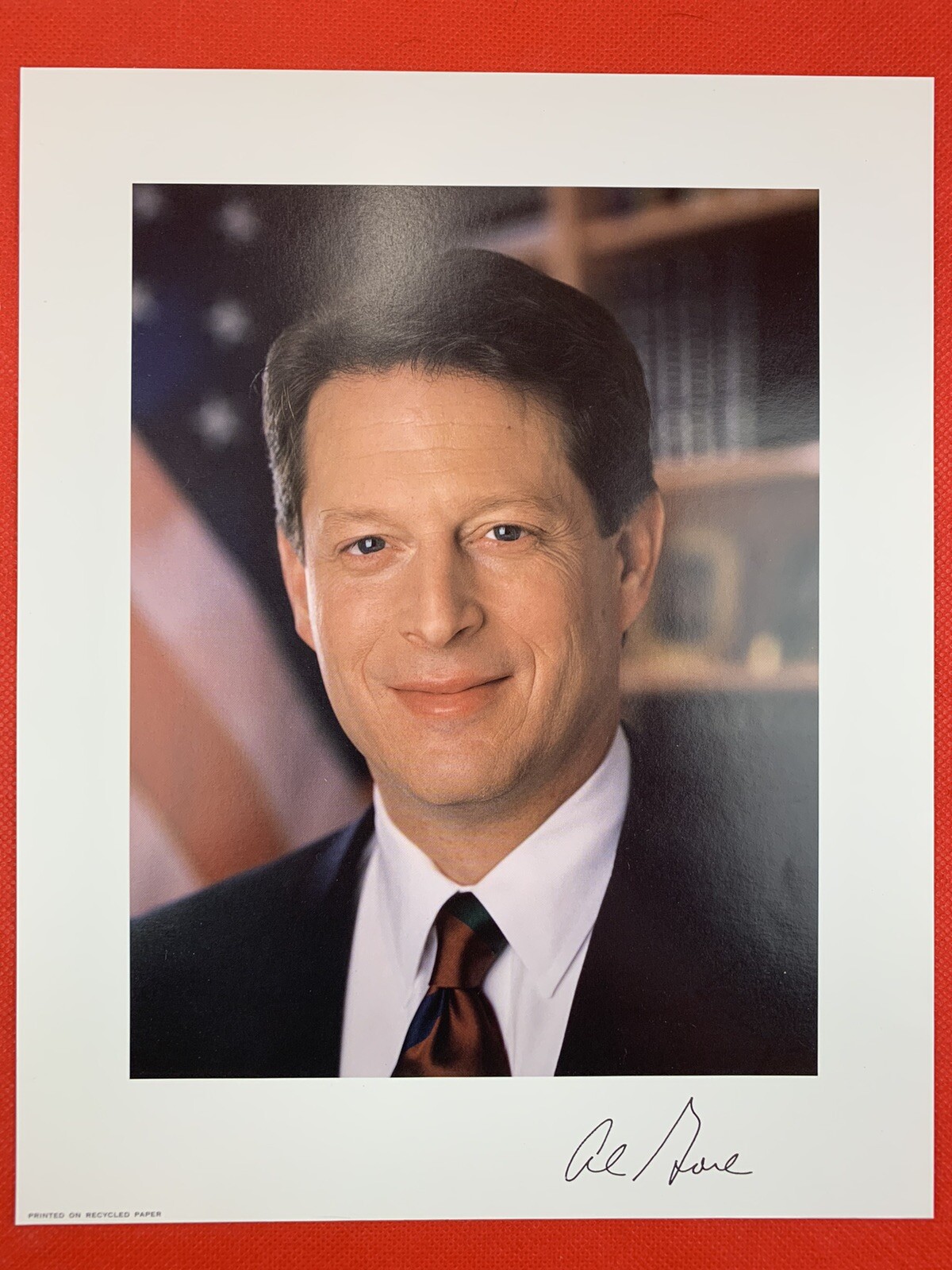
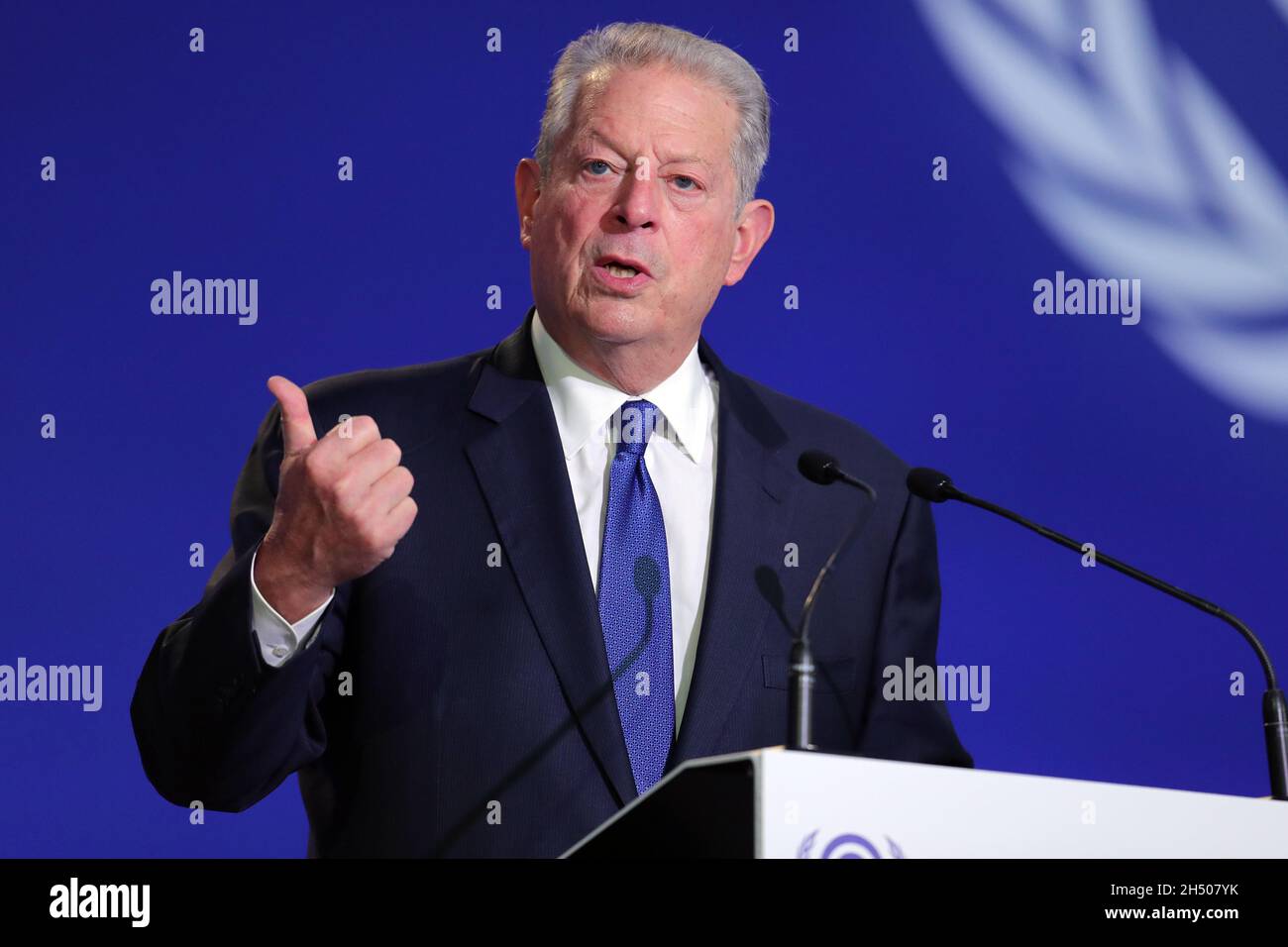
Al Gore served as the 45th Vice President of the United States from 1993 to 2001 under President Bill Clinton. His tenure fundamentally transformed the vice presidency from a largely ceremonial role into a powerful, policy-driven partnership. Gore took the lead on critical files including the "Information Superhighway," environmental reform, and the "Reinventing Government" initiative, leaving a legacy that redefined the executive branch for the 21st century.
The Evolution of the Vice Presidency: The Clinton-Gore Partnership
Before the 1990s, the office of the Vice President was often viewed as a political "dead end" or a purely symbolic position. When Bill Clinton chose Al Gore as his running mate in 1992, they established a new model for the executive branch. This "partnership" model was built on a foundation of mutual respect and a shared demographic appeal, but it functioned through a specific delegation of authority that gave Gore unprecedented influence.
Gore was the first Vice President to have a standing weekly lunch with the President, a tradition that persists today. More importantly, he was given a seat at the table for every major policy discussion. This was not merely an advisory role; Gore was the "closer" for many legislative battles. His status as a former Senator gave him the gravitas to negotiate directly with Congress, while his expertise in technical and scientific matters allowed him to dominate niche but essential policy areas that the President was less inclined to manage.
This shift created what political scientists now call the "modern vice presidency." By 2026, looking back at the historical arc of the office, it is clear that Gore’s tenure served as the blueprint for his successors—most notably Dick Cheney and Joe Biden—who similarly occupied roles as "general counselors" and chief policy architects rather than silent subordinates.
Architect of the Information Superhighway
One of Al Gore’s most enduring, and occasionally misunderstood, contributions was his promotion of the "Information Superhighway." Long before the internet was a household utility, Gore recognized the economic and social potential of high-speed digital networking.
The High Performance Computing Act of 1991
While the groundwork was laid during his time in the Senate, Gore used the Vice Presidency to implement the vision of the High Performance Computing Act. This legislation provided the federal funding necessary to develop the National Center for Supercomputing Applications (NCSA), which ultimately led to the creation of Mosaic—the first graphical web browser. This catalyzed the transition of the internet from a military and academic tool to a public-facing commercial engine.
The Telecommunications Act of 1996
As Vice President, Gore was a primary advocate for the Telecommunications Act of 1996. This was the first major overhaul of American telecommunications law in over sixty years. Gore pushed for provisions that promoted competition while ensuring that public institutions were not left behind. He was a central figure in the creation of the E-rate program, which provided discounts to schools and libraries for internet access. This policy was instrumental in bridging the "digital divide" during the late 1990s, ensuring that the next generation of students had the infrastructure required to participate in the burgeoning digital economy.
Reinventing Government: The National Performance Review
In March 1993, President Clinton tasked Gore with leading the National Performance Review (NPR), later known as the "Reinventing Government" initiative. The goal was to make the federal government work better and cost less by adopting the efficiency practices of the private sector.
Gore’s approach focused on four pillars:
- Cutting Red Tape: Moving from a culture of compliance to a culture of results.
- Putting Customers First: Treating citizens as customers of government services.
- Empowering Employees: Reducing layers of middle management and giving frontline workers more decision-making power.
- Cutting Back to Basics: Eliminating obsolete programs and agencies.
The results were statistically significant. By the end of the Clinton-Gore administration, the federal workforce had been reduced by approximately 300,000 positions, reaching its smallest size since the Kennedy administration. The NPR claimed savings of over $136 billion through various streamlining measures. While critics argued that some of these reductions were achieved through "low-hanging fruit" like military downsizing after the Cold War, the initiative fundamentally changed how federal agencies viewed service delivery, introducing early versions of electronic filing and digital service portals that we take for granted in 2026.
Environmental Policy and the Kyoto Protocol
Al Gore was often referred to as the "environmental conscience" of the Clinton administration. Having authored Earth in the Balance in 1992, Gore brought an academic and passionate focus to ecological issues that was rare in the executive branch at the time.
His most high-profile international effort was the 1997 Kyoto Protocol. Gore traveled to Japan to personally intervene in the negotiations when they appeared to be on the verge of collapse. He committed the United States to significant reductions in greenhouse gas emissions, a move that was politically risky at home.
The domestic reality, however, was more complex. The U.S. Senate passed the Byrd-Hagel Resolution by a vote of 95-0, essentially signaling that it would not ratify any treaty that did not include binding targets for developing nations or that would seriously harm the U.S. economy. Despite the treaty not being ratified during his term, Gore’s advocacy forced climate change into the mainstream political discourse. He used the Vice Presidency as a "bully pulpit" to discuss global warming long before it became a standard part of electoral platforms.
Foreign Policy and Global Diplomacy
Gore's foreign policy portfolio was extensive, focusing on "big picture" stability and modernization in emerging democracies. He chaired several binational commissions, most notably with Russia and South Africa.
- The Gore-Chernomyrdin Commission: Gore worked closely with Russian Prime Minister Viktor Chernomyrdin to manage the complex transition of the post-Soviet state. This commission handled sensitive issues ranging from nuclear non-proliferation to space cooperation, including the early phases of the International Space Station (ISS).
- The U.S.-South Africa Binational Commission: Working with then-Deputy President Thabo Mbeki, Gore helped facilitate South Africa’s reintegration into the global economy following the end of apartheid.
- The NAFTA Debate: In a rare move for a Vice President, Gore engaged in a televised debate with third-party candidate Ross Perot over the North American Free Trade Agreement (NAFTA) on Larry King Live. Gore’s performance was widely credited with shifting public opinion in favor of the agreement, demonstrating his role as the administration's premier "intellectual combatant."
Key Policy Impacts Comparison
The following table summarizes the primary areas of Gore's influence and the tangible outcomes of those policies.
| Policy Area | Key Initiative | Primary Outcome | Long-term Influence |
|---|---|---|---|
| Technology | Telecommunications Act of 1996 | Deregulation and E-rate program | Established the framework for the modern commercial internet. |
| Governance | National Performance Review | Reduction of 300,000 federal jobs | Shifted federal agencies toward a customer-service model. |
| Environment | Kyoto Protocol | Global climate framework | Elevated climate change to a top-tier global security issue. |
| Trade | NAFTA Advocacy | Successful passage of the trade deal | Solidified the U.S. commitment to neoliberal trade policies. |
| Foreign Policy | Gore-Chernomyrdin Commission | Nuclear and space cooperation | Facilitated the creation of the International Space Station. |
The Lasting Influence on Modern Governance
The "Gore model" of the vice presidency changed the trajectory of American governance. By proving that a Vice President could manage a massive, independent portfolio without overshadowing the President, Gore expanded the capacity of the executive branch. This allowed the administration to move on multiple fronts simultaneously—Clinton focusing on the domestic economy and healthcare, while Gore focused on technology, the environment, and bureaucratic reform.
Furthermore, Gore’s focus on the "Information Superhighway" placed the United States at the center of the digital revolution. The investments made in the 1990s under his guidance provided the infrastructure for the tech boom that defined the early 21st century. In 2026, as we navigate the complexities of AI and global digital connectivity, the legislative frameworks Gore helped build remain the bedrock of American tech policy.
Frequently Asked Questions
Did Al Gore actually claim he "invented" the internet?
No. During a 1999 interview with Wolf Blitzer, Gore stated, "I took the initiative in creating the internet." He was referring to his legislative work in the 1980s and 90s that funded and promoted the infrastructure (ARPANET and later the High Performance Computing Act) that allowed the internet to become a public utility. Internet pioneers like Vint Cerf and Bob Kahn later defended Gore, noting that he was the first political leader to recognize the importance of the technology.
What was the most significant success of the "Reinventing Government" program?
The program’s most significant success was the implementation of the Plain Language Act and the transition to digital government. By forcing agencies to simplify their communications and begin offering services online, the initiative paved the way for modern "e-government," significantly reducing the time citizens spent on federal paperwork.
How did Gore influence the 1990s economy?
Gore was a staunch advocate for the 1993 Deficit Reduction Act. He famously cast the tie-breaking vote in the Senate to pass the bill, which combined tax increases on the wealthy with spending cuts. This legislation is widely credited by economists with starting the trend of shrinking deficits that led to the budget surpluses of the late 1990s.
Why wasn't the Kyoto Protocol ratified during his time as VP?
The Kyoto Protocol faced intense opposition in the U.S. Senate due to concerns that it would give an unfair economic advantage to countries like China and India, which were not required to meet the same emission reduction targets. Although Gore signed the protocol, the administration never submitted it for ratification, knowing it would be defeated.
How did Gore's role as VP impact his 2000 Presidential campaign?
Being a highly active Vice President was a double-edged sword. While it gave him a resume of significant accomplishment, it also tied him closely to the scandals of the Clinton administration, particularly the impeachment. Gore struggled to balance his loyalty to Clinton with his need to establish an independent identity, which many analysts believe contributed to the razor-thin margin of the 2000 election.
Evaluating the Vice Presidential Legacy
To understand the full scope of Al Gore's influence, researchers and students of political science should examine the National Performance Review archives and the legislative history of the 1996 Telecommunications Act. These documents reveal a Vice President who was deeply involved in the "engine room" of policy, rather than just the optics of politics.
For those interested in the evolution of the office, comparing the Gore-Clinton relationship with the Eisenhower-Nixon or Reagan-Bush dynamics illustrates a clear pivot point. Gore didn't just fill a seat; he expanded the office to fit his intellectual interests, proving that the Vice Presidency is as influential as the person holding the title chooses to make it.