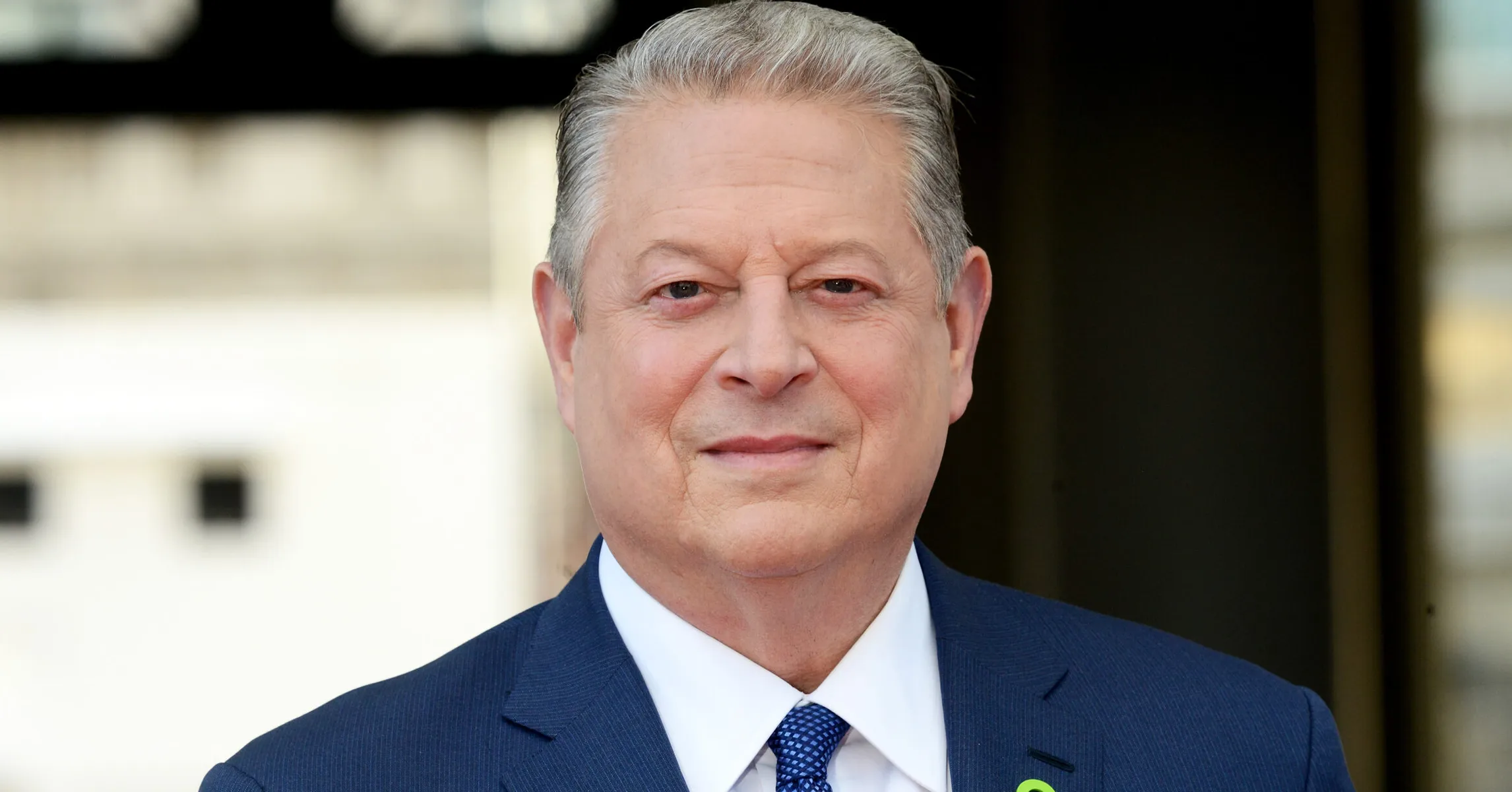
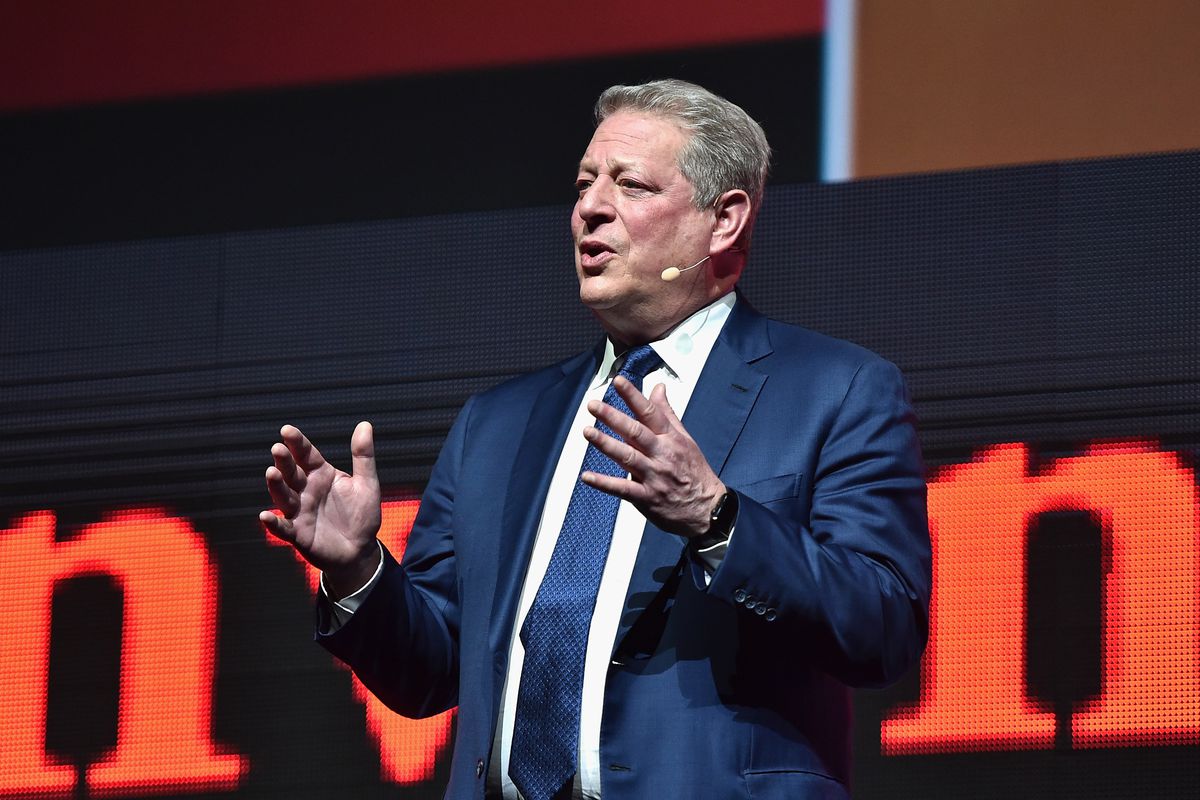
In 2019, former Vice President Al Gore’s net worth was estimated to be between $300 million and $330 million. This substantial fortune was primarily built after his 2001 departure from public office, driven by savvy investments in Silicon Valley tech giants, the lucrative sale of Current TV, and his leadership in sustainable private equity.
Al Gore’s financial trajectory is often cited as one of the most successful transitions from high-level politics to private-sector wealth accumulation. While many former politicians earn significant sums through speaking engagements and book deals, Gore differentiated himself by becoming a central figure in the "green" investment movement and a key advisor to some of the world’s most valuable technology companies. To understand how he reached a valuation of over $300 million by 2019, one must look at the specific ventures and strategic board placements that defined his post-political career.
The Evolution of Al Gore’s Wealth: From Public Service to Private Equity
When Al Gore left the office of the Vice President in January 2001, his financial disclosures indicated a relatively modest net worth for a person of his stature. Estimates at the time placed his assets at approximately $1.7 million to $2 million. Much of this was tied up in family farmland in Tennessee and standard retirement accounts. The massive surge in his wealth over the following two decades was not the result of his $175,000 annual vice-presidential salary, but rather a series of calculated moves into the burgeoning tech and environmental sectors.
By the mid-2000s, Gore had reinvented himself as a business leader. He recognized early on that the intersection of technology and sustainability would become a major economic driver. His wealth accumulation was not an overnight phenomenon but a steady climb fueled by equity stakes rather than just cash compensation. By 2019, he had successfully parlayed his global influence into a portfolio that mirrored the growth of the modern digital and sustainable economy.
The Sale of Current TV: A Major Liquidity Event
One of the most significant contributors to Al Gore’s net worth in the years leading up to 2019 was the sale of Current TV. Co-founded by Gore and Joel Hyatt in 2005, Current TV was an Emmy-winning cable news network that initially focused on user-generated content before shifting to more traditional progressive commentary.
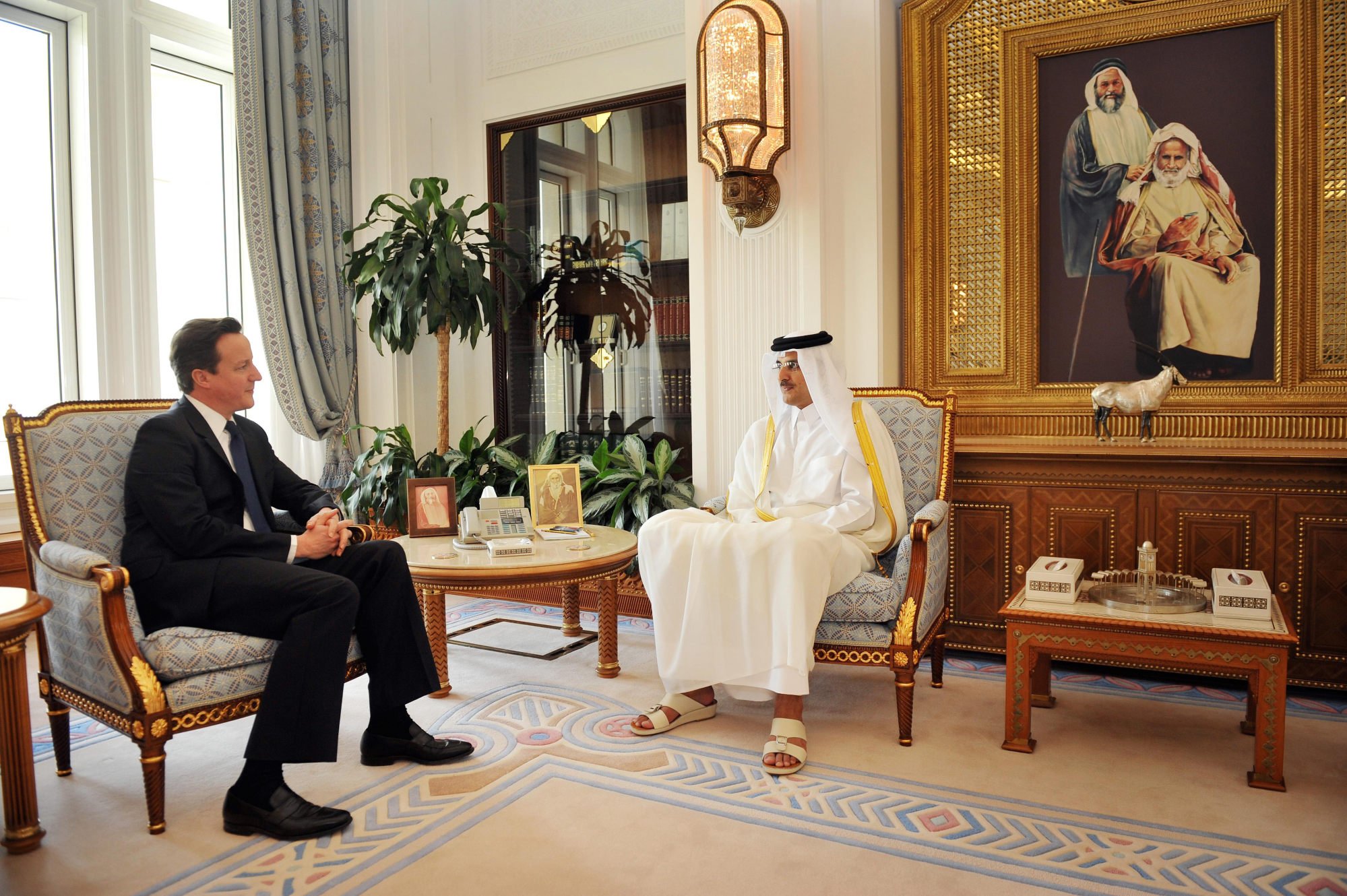
In early 2013, the network was sold to Al Jazeera for approximately $500 million. As a 20% stakeholder in the venture, Gore’s personal payout from the deal was estimated at roughly $100 million before taxes. This single transaction catapulted his net worth into a different echelon, providing the liquidity needed to further expand his investment reach. The sale was not without controversy, particularly regarding the buyer’s ties to oil-rich Qatar, but from a purely financial perspective, it remains the largest single "exit" of Gore’s business career.
Silicon Valley Influence: Apple and Google
Beyond his media ventures, Gore’s association with Silicon Valley was a cornerstone of his 2019 valuation. In 2003, Gore joined the board of directors of Apple Inc. At the time, Apple was still in the early stages of its massive turnaround, having only recently released the iPod.
Over the next 16 years, Gore was granted numerous stock options as part of his compensation for serving on the board. By 2019, he had exercised thousands of these options. Given that Apple’s stock price saw exponential growth during this period, these holdings became worth tens of millions of dollars. As of 2019, Gore was one of the largest individual (non-institutional) shareholders of Apple stock among the board members.
Additionally, Gore served as a senior advisor to Google (now Alphabet Inc.) starting in 2004, just before the company’s initial public offering (IPO). While his exact equity in Google was never as publicly detailed as his Apple holdings, his early involvement in the search giant provided another layer of tech-based wealth that matured significantly by the late 2010s.
Generation Investment Management (GIM)
While tech stocks and media sales provided the foundation, Generation Investment Management (GIM) became the engine of Gore's ongoing wealth. Co-founded in 2004 with David Blood, the former CEO of Goldman Sachs Asset Management, GIM was a pioneer in the field of sustainable investing.
The firm’s philosophy, often described as "sustainable capitalism," involves investing in companies that demonstrate high environmental, social, and governance (ESG) standards. By 2019, GIM had grown to manage over $20 billion in assets. As a founding partner, Gore benefited not only from the management fees associated with these billions but also from the "carried interest"—a share of the profits generated by the firm’s successful investments.
GIM’s portfolio included stakes in companies like Deere & Co., Henkel, and various tech firms that aligned with their sustainability criteria. The success of GIM solidified Gore’s reputation not just as an environmental activist, but as a sophisticated fund manager.
Real Estate and Personal Holdings in 2019
By 2019, Al Gore’s real estate portfolio also reflected his high net worth. His primary residence was a large estate in Belle Meade, Tennessee, a wealthy suburb of Nashville. He also owned a luxury condo in San Francisco’s St. Regis, which provided him a base for his frequent dealings in Silicon Valley.
Critics often pointed to his real estate holdings, particularly the energy consumption of his Tennessee home, but Gore’s team frequently highlighted the extensive "green" retrofitting performed on the properties, including solar panels and geothermal heating. In terms of valuation, these properties represented a multi-million dollar segment of his total asset pool.
Asset Valuation Comparison: 2001 vs. 2019
The following table illustrates the dramatic shift in Al Gore’s financial status from his time leaving the White House to the peak of his private-sector career in 2019.
| Asset Category | Estimated Value (2001) | Estimated Value (2019) | Primary Driver of Growth |
|---|---|---|---|
| Media Holdings | $0 | $100M+ (Post-Sale) | Current TV sale to Al Jazeera |
| Public Equities | <$1M | $80M - $100M | Apple Board options & Google advisory |
| Private Equity/GIM | $0 | $120M - $150M | Management fees and profit sharing |
| Real Estate | $1.2M | $10M - $15M | Property appreciation and acquisitions |
| Other Assets | $500K | $20M+ | Book royalties and speaking fees |
| Total Net Worth | ~$1.7M - $2M | ~$300M - $330M | Strategic private sector pivot |
The Role of Climate Advocacy in His Business Model
It is impossible to discuss Al Gore’s net worth in 2019 without acknowledging his role as a climate advocate. His documentary, An Inconvenient Truth, and his subsequent Nobel Peace Prize in 2007, made him the global face of the environmental movement.
From a financial perspective, this advocacy created a unique "synergy." His public mission drove interest in sustainable investing, which in turn benefitted his firm, Generation Investment Management. While some critics accused him of "green profiteering," Gore’s supporters argued that he was simply practicing what he preached: proving that sustainable business practices could be more profitable than traditional ones. By 2019, the market appeared to agree with him, as ESG investing moved from a niche strategy to a mainstream financial requirement.
Financial Status Looking Back from 2026
As we examine these 2019 figures from the perspective of 2026, the resilience of Gore’s investment strategy becomes even clearer. The late 2010s were a period of massive expansion for both tech and sustainable funds. While the global economy faced various headwinds in the years following 2019, the foundational assets Gore held—specifically his Apple equity and his stake in GIM—remained at the center of the "new economy."
In 2019, Gore was not just a former politician; he was a wealthy titan of industry whose net worth was a direct reflection of the 21st-century shift toward digital platforms and climate-conscious capital.
Frequently Asked Questions
How did Al Gore become so wealthy after leaving office?
Al Gore’s wealth primarily came from three sources: his 20% stake in Current TV which sold for $500 million, his role on the Board of Directors at Apple where he received extensive stock options, and his founding of Generation Investment Management, a firm that manages billions in assets.
How much did Al Gore make from the sale of Current TV?
Gore was estimated to have received approximately $100 million before taxes from the $500 million sale to Al Jazeera in 2013. This provided him with a significant amount of liquid capital to reinvest into his other ventures.
Was Al Gore an early investor in Google?
While not a traditional venture capital investor in the earliest rounds, Gore was hired as a senior advisor to Google in 2004. This role reportedly included equity compensation that became extremely valuable following Google's IPO and subsequent growth into Alphabet Inc.
Does Al Gore still earn money from his books and documentaries?
Yes, Gore continues to receive royalties from his various books, including An Inconvenient Truth and The Future. However, by 2019, these earnings were a relatively small portion of his total net worth compared to his investment income and equity holdings.
What is Generation Investment Management?
Generation Investment Management (GIM) is a boutique investment firm co-founded by Al Gore and David Blood. It focuses on long-term, sustainable investments. By 2019, the firm’s success in identifying profitable, ESG-compliant companies was the largest contributor to Gore's ongoing wealth accumulation.
Analyzing the Impact of Al Gore's Investment Strategy
For those looking to understand the mechanics of Al Gore's wealth, the primary takeaway is the importance of equity over salary. Gore did not build a $300 million net worth through high-paying jobs; he built it by taking ownership stakes in companies at the forefront of technological and social shifts.
Investors can learn from Gore’s "thematic" approach. By identifying a long-term trend—in his case, the necessity of environmental sustainability—and positioning himself at the center of the businesses solving those problems, he was able to grow his net worth by over 15,000% between 2001 and 2019. Whether you are a retail investor or a financial analyst, Gore's 2019 financial profile serves as a case study in the power of aligning personal brand with global economic transitions.