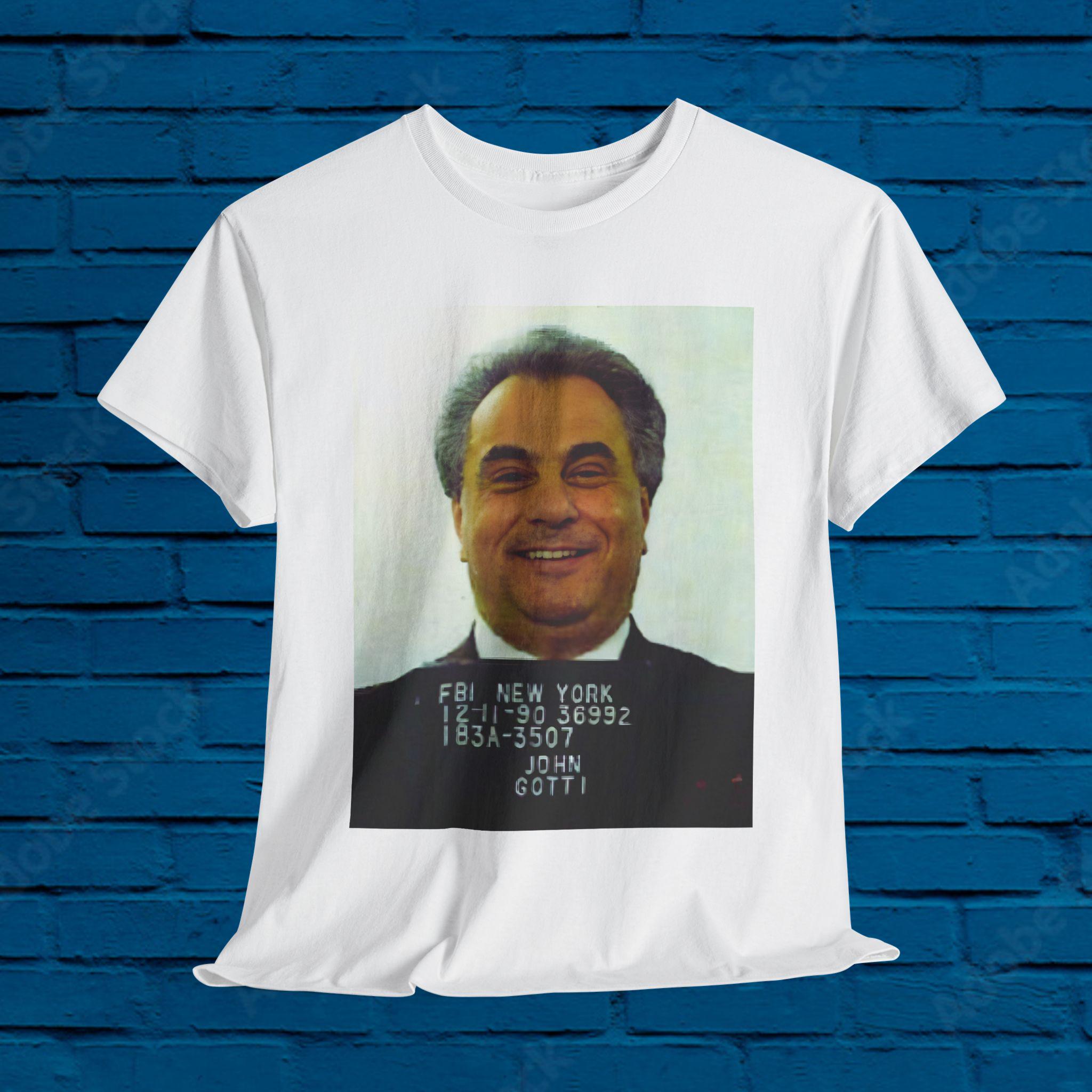
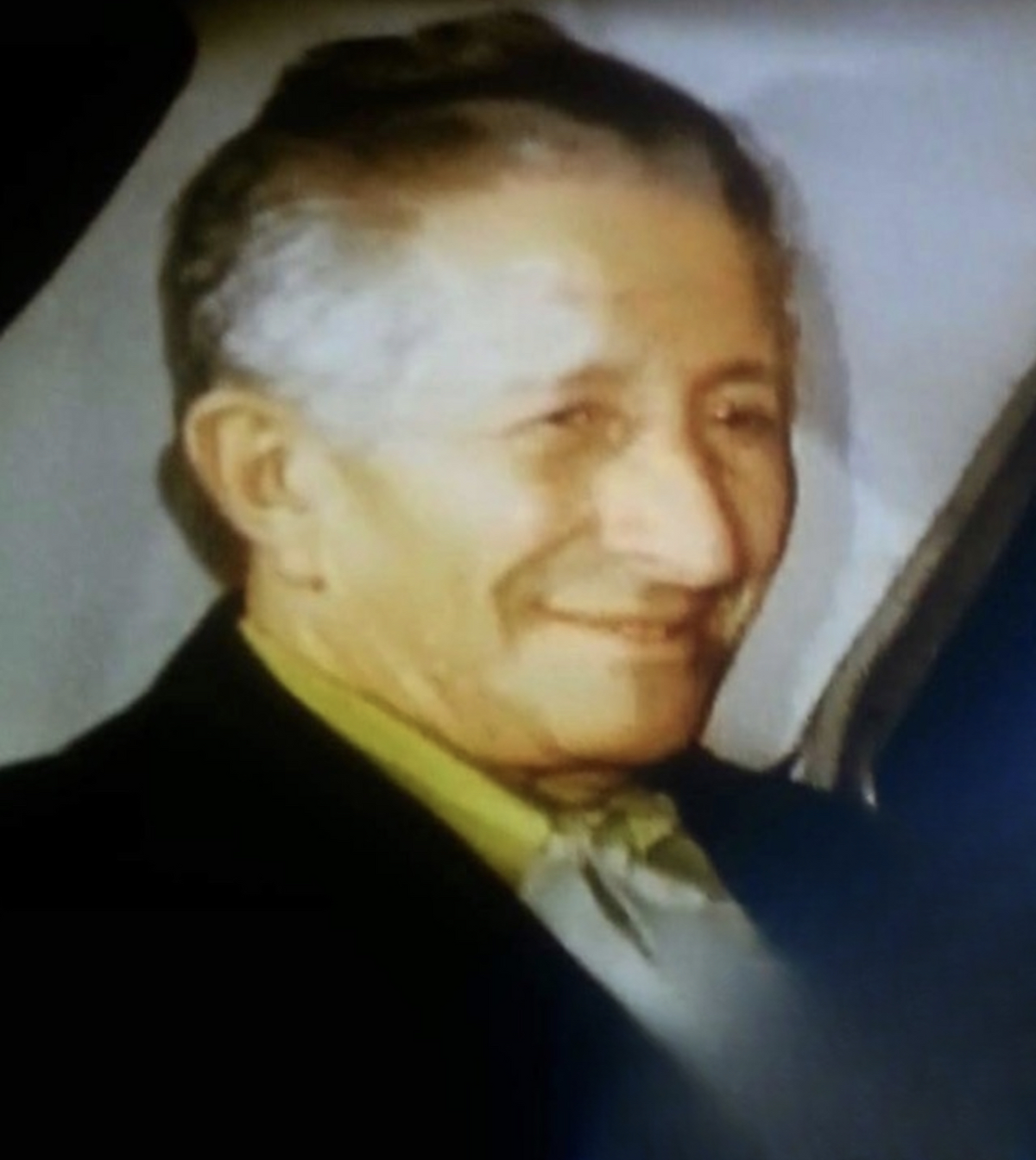
In the historical comparison of Al Capone versus Carlo Gambino, the choice of the "ultimate" gangster depends on whether one values public notoriety or lasting institutional power. While Al Capone became a global icon of the Roaring Twenties through flamboyant violence and media attention, Carlo Gambino achieved greater longevity and structural influence by operating in the shadows, dying of natural causes as the "Boss of Bosses."
The history of American organized crime is often divided into two distinct philosophies: the era of the celebrity outlaw and the era of the corporate conspirator. No two figures better represent these opposing archetypes than Alphonse Capone and Carlo Gambino. As we examine their legacies from the perspective of 2026, we see that while Capone remains the face of the "Gangster" in pop culture, Gambino’s blueprint for the modern Mafia proved far more resilient and successful in terms of long-term survival and wealth preservation.
The Architect of Chaos: Al Capone’s Rise in Chicago
Al Capone, known as "Scarface," rose to power during the chaotic years of Prohibition. Born in Brooklyn and mentored by Johnny Torrio, Capone moved to Chicago in 1919. By the mid-1920s, he had taken over the Chicago Outfit, a multi-million dollar empire built on bootlegging, gambling, and prostitution. Capone’s style was defined by visibility; he was a public figure who frequented the opera, gave interviews to the press, and even opened soup kitchens during the Great Depression to bolster his image as a "modern-day Robin Hood."
However, this visibility was a double-edged sword. Capone’s willingness to use extreme violence—most notably the St. Valentine's Day Massacre of 1929—brought heat from the federal government that the underworld had never before experienced. His reign was relatively short, lasting only about seven years (1925–1932) before he was convicted of tax evasion. Capone’s downfall demonstrated the limits of the "celebrity gangster" model: when a criminal becomes more famous than the politicians he bribes, the system inevitably turns against him.
The Shadow King: Carlo Gambino’s Quiet Dominion
In stark contrast to Capone, Carlo Gambino was a "man of honor" who prioritized the "Omertà" (code of silence) above all else. Arriving in the United States as a stowaway in 1921, Gambino was a "made man" in Sicily before he ever stepped foot on American soil. He rose through the ranks of the New York underworld during the Castellammarese War, eventually becoming a key figure in the family that would bear his name.
Gambino’s ascent to the top of the Commission—the governing body of the American Mafia—was achieved through cunning rather than blunt force. After the 1957 assassination of the volatile Albert Anastasia (a hit Gambino is widely believed to have orchestrated), "Don Carlo" took the reins of the family. He prohibited his soldiers from dealing narcotics—fearing the heavy "mandatory minimum" sentences would lead to informants—and maintained a modest lifestyle in a brick row house in Brooklyn. Unlike Capone, Gambino avoided the limelight, rarely spoke to the media, and was seldom photographed without a humble, grandfatherly smile.
Comparing Leadership Styles: The Sword vs. The Scalpel
The leadership styles of Capone and Gambino represent the evolution of organized crime from a street-level brawl to a sophisticated business. Capone’s Chicago Outfit functioned like a paramilitary organization. He relied on "sluggers" and "torpedoes" to maintain territory. While he was a pioneer in horizontal integration—controlling the supply chain from the distillery to the speakeasy—his management style was essentially dictatorial and loud.
Carlo Gambino, however, managed the Gambino Crime Family like a diversified conglomerate. Under his leadership, the family infiltrated legitimate industries, including construction, trucking, and the garment district. Gambino understood that the most effective way to exercise power was through influence and "favors" rather than gunfire. By the 1960s, the Gambino family was the most powerful criminal organization in the United States, with a reach that extended into labor unions and local politics, all while the boss himself appeared to be nothing more than a retired laborer.
Key Differences in Operational Strategy
| Feature | Al Capone (The Outfit) | Carlo Gambino (Gambino Family) |
|---|---|---|
| Primary Era | 1920s (Prohibition) | 1950s – 1970s (The Golden Age) |
| Public Image | Celebrity, "Public Enemy No. 1" | Low-profile, "The Quiet Don" |
| Method of Control | Visible violence and intimidation | Political influence and diplomacy |
| Legal Strategy | Bribery of local police/mayors | High-level infiltration of unions |
| Cause of Downfall | Tax Evasion (Prison) | Died of natural causes (At Home) |
| Pop Culture Legacy | The "Scarface" archetype | The "Godfather" archetype |
The Fate of the Titans: Alcatraz vs. 2231 Ocean Parkway
The most telling difference between the two men is how their stories ended. Al Capone’s life after 1931 was a tragedy of his own making. Sentenced to 11 years in federal prison, he spent much of his time in the newly opened Alcatraz. Stripped of his power and suffering from the late stages of neurosyphilis, he was a broken man upon his release in 1939. He spent his final years in a secluded mansion in Florida, his mind deteriorating until his death in 1947. Capone’s empire lived on, but his personal "showdown" with the law ended in a total loss.
Carlo Gambino, conversely, achieved the impossible for a mob boss: he died in his own bed. Despite being the subject of intense FBI surveillance for decades and facing constant deportation threats, Gambino never served a significant prison sentence in the U.S. When he died of a heart attack in 1976 at his vacation home, his funeral was attended by thousands, including politicians and business leaders. He left behind a family that was wealthier and more powerful than when he found it, proving that in the world of crime, the most dangerous man is the one you never see coming.
Impact on the Modern Mafia Structure
While Capone is often credited with "organizing" crime in Chicago, it was the generation of Gambino and his contemporary, Lucky Luciano, who created the national structure of the American Mafia. Capone was essentially a regional power. Gambino, however, was a national strategist. He was a dominant force on The Commission, which settled disputes between the Five Families of New York and other outfits across the country.
Gambino’s insistence on "traditional values"—such as staying out of the drug trade—was a tactical move to keep the FBI at bay. It was only after his death, under the leadership of Paul Castellano and later John Gotti, that the family abandoned Gambino’s "quiet" rules. The subsequent high-profile arrests and the eventual decline of the Gambino family’s power in the late 20th century only served to validate Carlo’s original philosophy: invisibility equals longevity.
Why Gambino is Often Considered the "Ultimate" Gangster
- Longevity: He reigned for nearly 20 years at the absolute peak of the underworld.
- Wealth: He amassed a fortune estimated in the hundreds of millions through diverse, stable rackets.
- Legacy: He died a free man, a rarity in his "profession."
- Discipline: He maintained the secret nature of the Mafia during the height of the FBI's crackdown led by J. Edgar Hoover.
Frequently Asked Questions
Did Al Capone and Carlo Gambino ever meet?
There is no verified historical record of a face-to-face meeting between Al Capone and Carlo Gambino. During Capone's peak in the late 1920s, Gambino was still a relatively young "soldier" in the New York underworld. Capone dealt primarily with New York figures like Frankie Yale and Joe Masseria. By the time Gambino became a major boss in 1957, Capone had been dead for ten years.
Who was wealthier, Al Capone or Carlo Gambino?
In terms of adjusted inflation for 2026, Carlo Gambino likely controlled more wealth over a longer period. While Capone’s Chicago Outfit grossed an estimated $100 million annually in the late 1920s (roughly $1.7 billion today), much of that was spent on overhead, bribes, and security. Gambino’s wealth was more diversified into "legitimate" businesses and lasted for decades, allowing for greater capital accumulation.
Why was Al Capone called "Scarface"?
Capone received the nickname after being slashed across the left cheek during a fight at the Harvard Inn in Coney Island in 1917. He had insulted a woman, and her brother, Frank Galluccio, attacked him with a knife. Capone hated the nickname and often tried to hide the scars in photographs or claimed they were war wounds received in France, despite never serving in the military.
How did Carlo Gambino avoid going to prison?
Gambino was a master of legal maneuvering and stayed far removed from the actual commission of crimes. He never used a telephone for business and gave orders through a series of "underbosses" and "capos," ensuring no direct link could be found. Furthermore, his health issues (heart problems) were frequently used by his legal team to delay court appearances and deportation hearings.
Is the Gambino family still active in 2026?
Yes, the Gambino crime family remains an active organization in 2026, though its power is significantly diminished compared to the era of Don Carlo. Modern law enforcement, including the use of RICO statutes and sophisticated digital surveillance, has forced the family to move into white-collar crimes, cybercrime, and smaller-scale traditional rackets. They no longer hold the monopoly on New York’s labor and construction industries that they did in the 1960s.
The Verdict: Celebrity vs. Substance
If the "Ultimate Gangster" is defined by cultural impact, Al Capone wins. His name is synonymous with the era of the Tommy gun and the fedora, and his story has been told in hundreds of films and books. He was the "flame" that burned twice as bright but half as long.
However, if the "Ultimate Gangster" is defined by the successful execution of the criminal life—amassing power, avoiding prison, and dying of old age—Carlo Gambino is the clear victor. Gambino understood that real power does not need to be shouted from the rooftops; it is felt in the silence of a boardroom or the quiet nod of a "man of honor." For students of history and organized crime, Capone is the legend, but Gambino was the master.