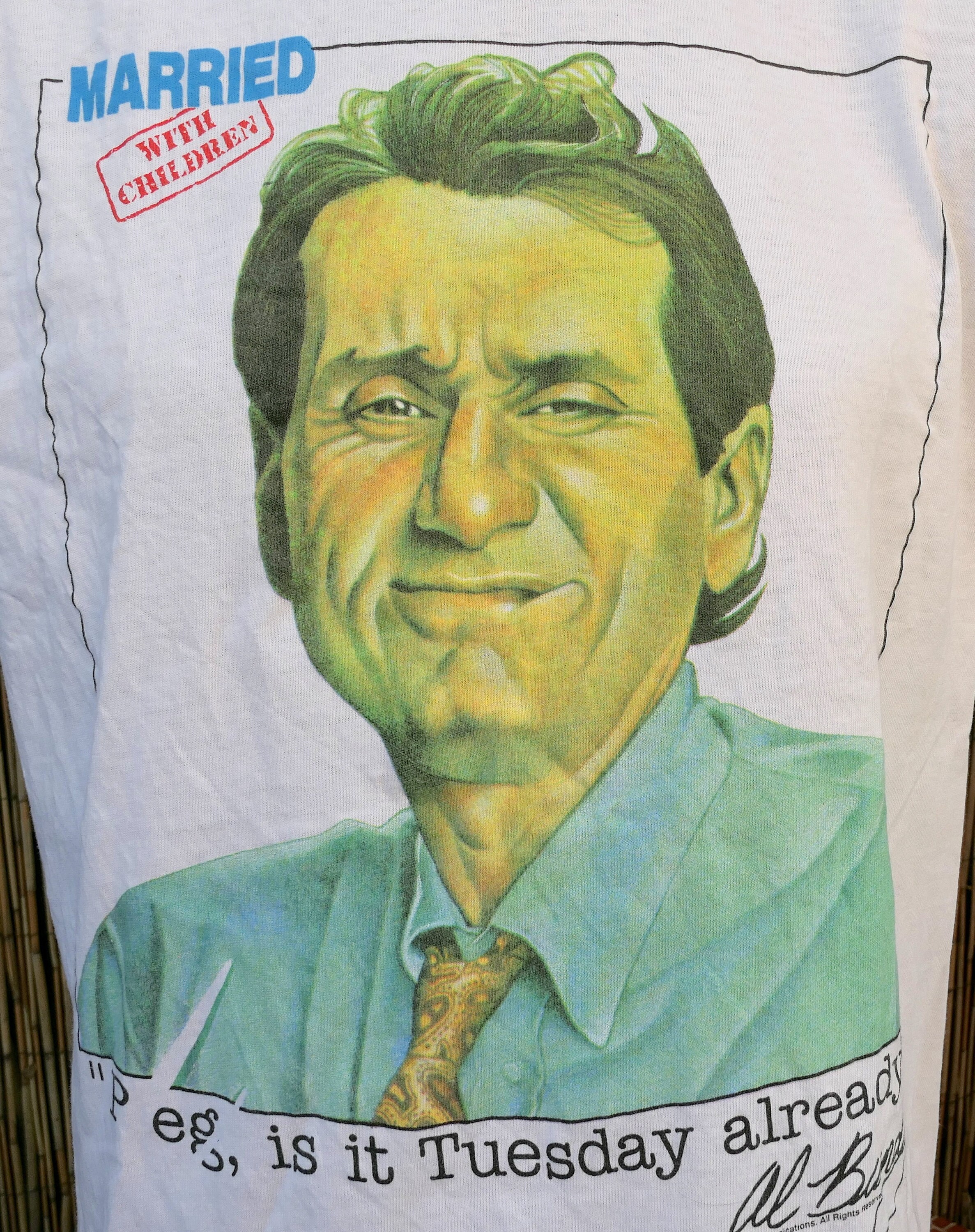
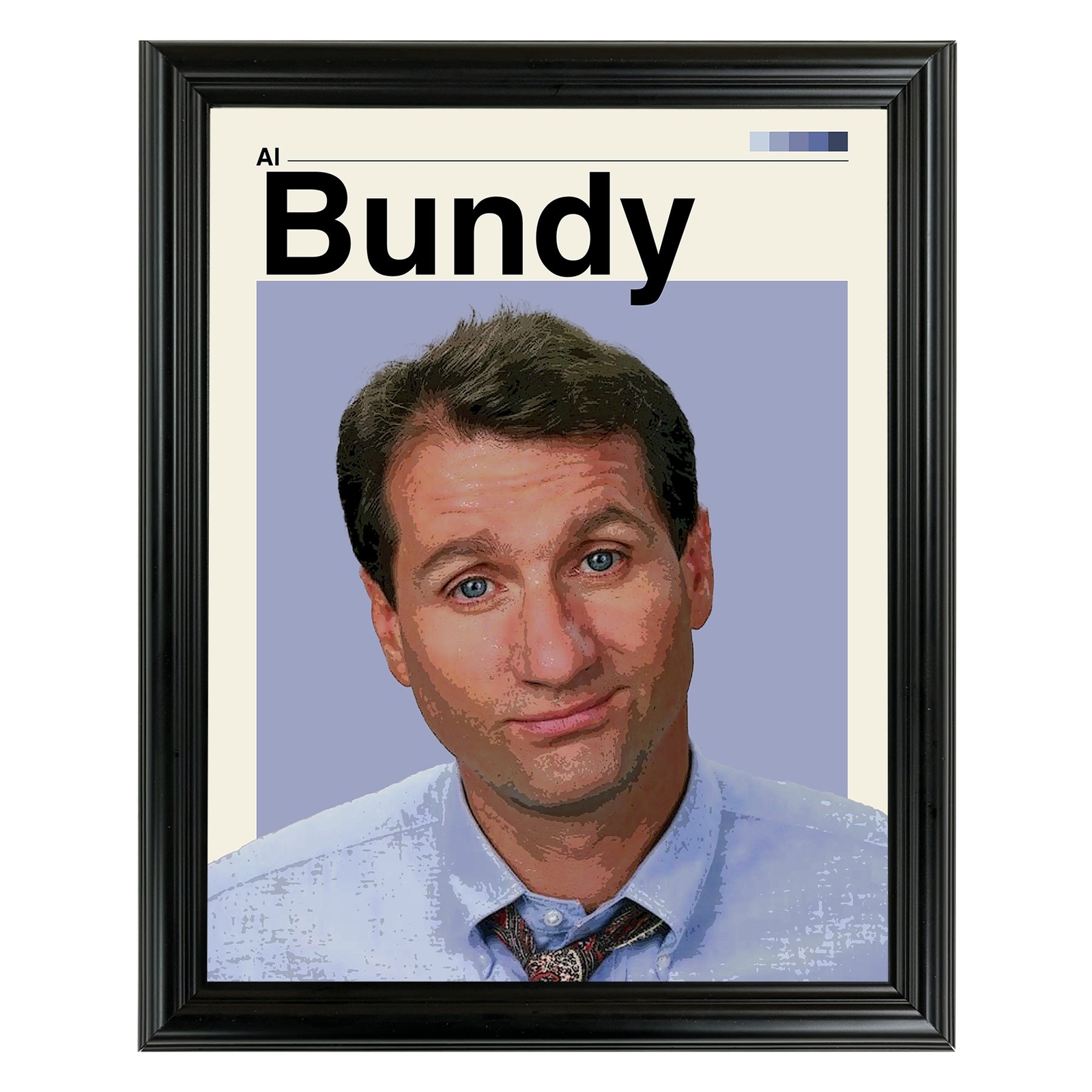
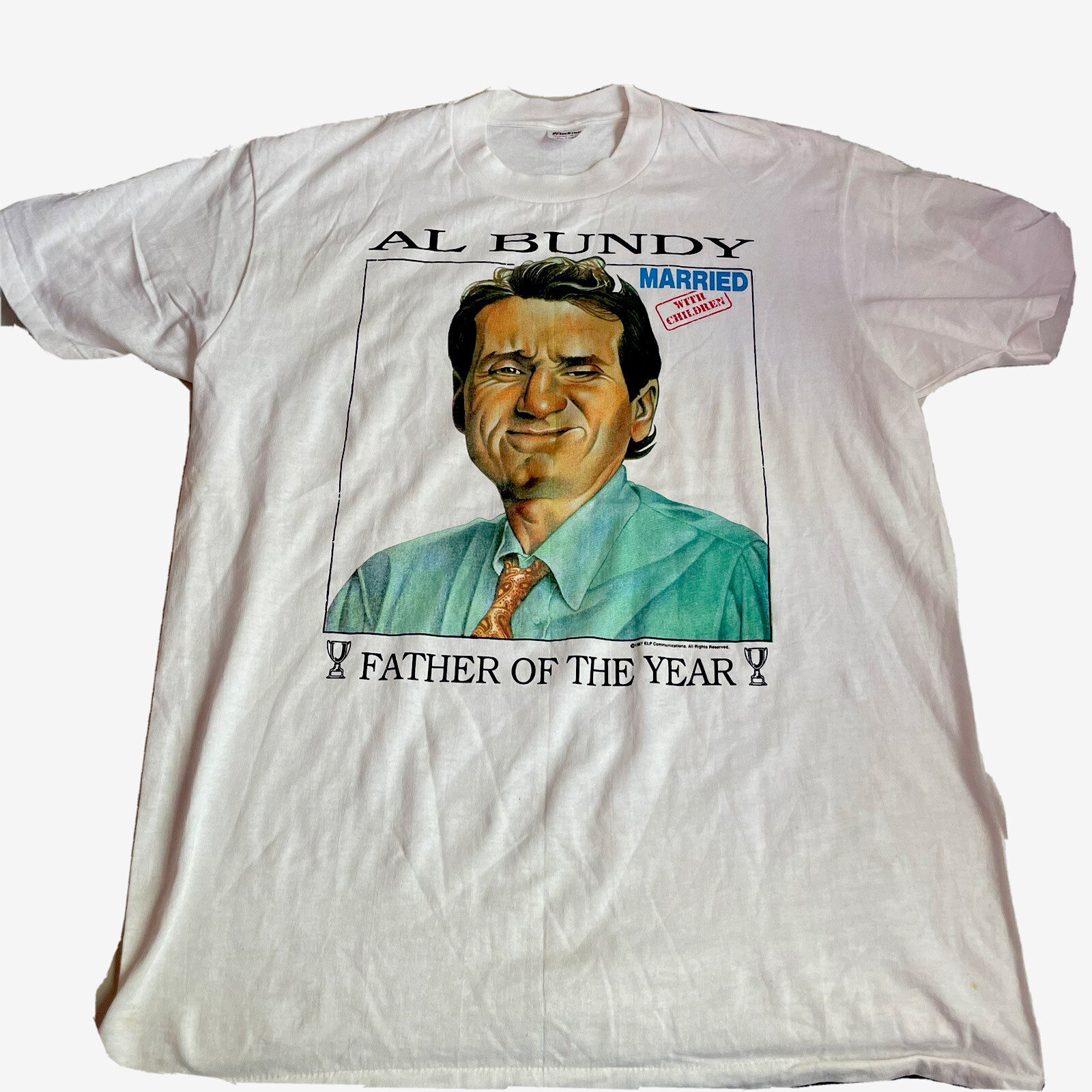
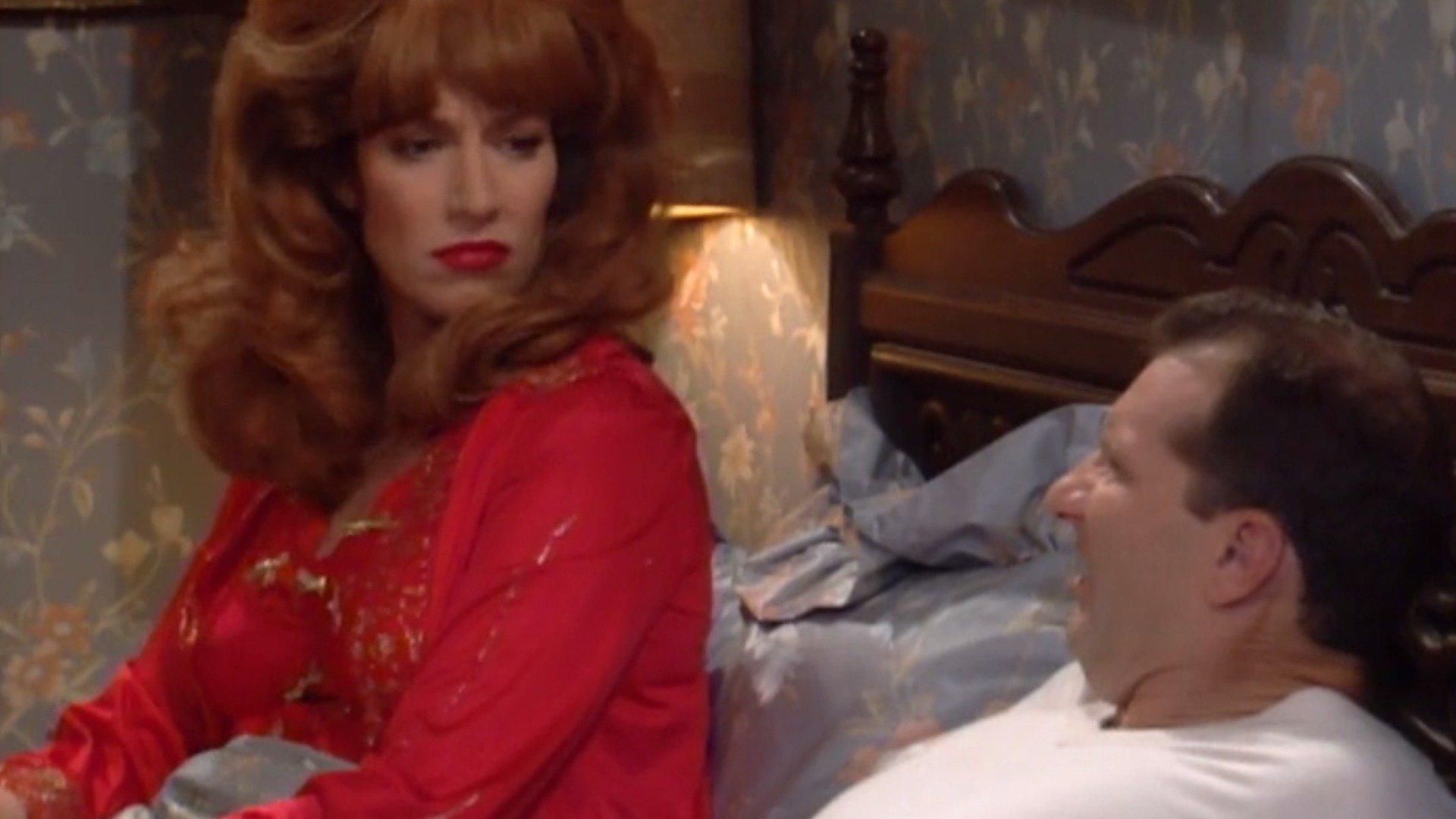
Al Bundy, portrayed by Ed O'Neill, is the iconic protagonist of the long-running sitcom Married... with Children (1987–1997). A disgruntled women’s shoe salesman haunted by his past glory as a high school football star, Al became a symbol of the working-class "loser" whose cynical outlook and resilience redefined the American family sitcom for a generation.
The Genesis of an Anti-Hero: From Polk High to the Shoe Store
To understand Al Bundy is to understand the "Bundy Curse." Emerging in the late 1980s, Al was the antithesis of the wholesome patriarchs seen in The Cosby Show or Family Ties. He did not offer sage advice or solve family crises with a gentle smile; instead, he survived them through a mixture of insults, sarcasm, and a stubborn refusal to give up, despite the world seemingly conspiring against him.
The character's backstory is rooted in the "glory days" of his youth at Polk High School. In 1966, Al Bundy famously scored four touchdowns in a single game against Andrew Johnson High, a feat that remains his crowning achievement and his primary psychological refuge. This detail is not merely a gag; it serves as a poignant reminder of the "American Dream" gone stagnant. In the 2026 retrospective lens, Al represents the millions of individuals who feel their best years are behind them, trapped in a cycle of mundane labor and domestic friction.
His professional life at "Gary’s Shoes and Accessories for Today" provides the secondary stage for his misery. As a women’s shoe salesman, Al is subjected to the whims of demanding customers, whom he frequently insults with legendary wit. This setting allowed the show to explore the frustrations of the service industry long before "retail worker" became a common sympathetic archetype in media.
The Family Dynamic: Subverting the Sitcom Tradition
The brilliance of Al Bundy’s character lies in his interaction with his family. The Bundys were the first "honest" TV family to many viewers because they didn't pretend to like each other all the time.
- Peggy Bundy (Katey Sagal): The quintessential "lazy" housewife who refused to cook or clean. Her relationship with Al was defined by a mutual, vocal dissatisfaction that masked a deep-seated, albeit dysfunctional, loyalty.
- Kelly Bundy (Christina Applegate): The "dumb blonde" stereotype was pushed to its limits with Kelly, providing Al with a constant source of paternal frustration and occasional, surprising moments of pride.
- Bud Bundy (David Faustino): As the younger, smarter, but eternally unsuccessful son, Bud represented the next generation of Bundy failure, which Al viewed with a mix of pity and recognition.
This family unit operated on a principle of "us against the world," even if "us" spent most of the time sniping at one another. In an era where television demanded moral lessons, Married... with Children offered a cathartic release by showing a family that was broke, rude, and unashamedly themselves.
Cultural Impact and the "No Ma'am" Movement
By the mid-1990s, Al Bundy had become a mouthpiece for the "aggrieved male" of the era. This culminated in the creation of N.O. M.A.A.M. (National Organization of Men Against Amazonian Masterhood). While satirical in nature, the club resonated with a segment of the audience that felt marginalized by the shifting social landscape of the 90s.
The show faced significant backlash, most notably from activist Terry Rakolta, who led a boycott of the show in 1989 due to its "crude" humor and "anti-family" values. Paradoxically, this boycott boosted the show's ratings, cementing Al Bundy as a counter-culture hero. From a technical SEO perspective, Al Bundy remains a high-intent search subject because he occupies a unique intersection of nostalgia and socio-political commentary. He is often cited in discussions regarding the "death of the sitcom" and the rise of more complex, cynical characters in later "prestige" television.
The Symbols of Al Bundy’s Existence
Certain physical objects and locations are inseparable from the character. These elements built a world that felt lived-in and relatable to those living paycheck to paycheck.
- The 1966 Dodge Dart: Al’s car, which famously reached over one million miles. It was a rolling metaphor for Al himself: battered, outdated, but refusing to die.
- The Couch: The site of Al’s iconic "hand-in-waistband" pose. It represented his only kingdom, where he watched his favorite show, Psycho Dad.
- The Bathroom: The only place Al could find peace, often depicted as a sanctuary where he could read his racing forms in solitude.
| Feature | Detailed Description |
|---|---|
| Full Name | Alphonse Hercules Bundy |
| Primary Goal | To sit on the couch and watch TV in peace |
| Professional Status | Career Salesman at Gary's Shoes and Accessories for Today |
| High School Record | 4 Touchdowns in a single game (1966) |
| Signature Catchphrase | "Let's rock," or various insults regarding shoe sizes |
| Political Affiliation | Founder of N.O. M.A.A.M. |
| Arch-Nemesis | Marcy D'Arcy (The "Chicken" next door) |
Analyzing Ed O’Neill’s Performance
The longevity of Al Bundy is largely credited to Ed O’Neill’s nuanced performance. Despite the slapstick nature of the show, O'Neill imbued Al with a sense of "tragic dignity." He wasn't just a caricature; he was a man who worked a job he hated to support a family that didn't respect him, yet he never truly abandoned them.
In 2026, critics often compare Al Bundy to O’Neill’s later role as Jay Pritchett in Modern Family. While Jay is wealthy and successful, the "Bundy DNA" is visible in his grumpiness and ultimate devotion to his family. This evolution demonstrates O’Neill’s range and the enduring appeal of the "grumpy but gold-hearted" patriarch archetype that Al Bundy pioneered.
Why Al Bundy Still Matters in 2026
The character of Al Bundy survives in the digital age because he embodies the struggle against mediocrity. In an era of curated social media lives, Al’s blatant honesty about his failings and his "unfiltered" reactions to life’s annoyances feel more relevant than ever. He represents a time before the hyper-sensitivity of the late 2010s, serving as a time capsule for 90s blue-collar aesthetics.
Furthermore, the show's availability on major streaming platforms (such as Hulu, Peacock, or Sony’s digital archives) has introduced Al to Gen Z and Alpha audiences. These viewers often view the show through a lens of irony or as a fascinating relic of "pre-PC" television culture. The technical craftsmanship of the writing—relying on sharp "insult comedy" and consistent character logic—ensures that the humor translates even as the specific cultural references age.
How to Access "Married... with Children" Today
As of 2026, the complete series is widely available for both streaming and digital purchase. For the best experience:
- Streaming Services: Check platforms like Hulu or Peacock, which frequently rotate the series.
- Physical Media: The "Bundles of Bundys" DVD sets remain a collector's favorite due to the inclusion of original music (which is sometimes replaced on streaming due to licensing issues).
- Syndication: Local classic TV networks often run marathons, maintaining the show's presence in the public consciousness.
Common Misconceptions About Al Bundy
Many modern viewers mistake Al for a purely hateful character. However, a closer reading of the 259 episodes reveals a man who consistently sacrificed his own happiness for his children. Whether it was going hungry so the kids could eat or defending Kelly’s honor from "bad" boyfriends, Al Bundy’s actions often contradicted his cynical rhetoric. This complexity is what separates him from a standard cartoonish villain.
FAQ
Was "Married... with Children" cancelled because of controversy?
No. Despite numerous boycotts and advertiser concerns throughout its run, the show was cancelled in 1997 primarily due to rising production costs and declining ratings after 11 seasons. By then, it was one of the longest-running live-action sitcoms in television history. The cast was reportedly surprised by the cancellation, learning about it through media outlets rather than the network.
Did Al Bundy ever actually win?
While his life was defined by struggle, Al had occasional victories. He once successfully defended his "million-mile" Dodge to get a new car from the manufacturer, and he occasionally triumphed over his neighbor Marcy D'Arcy in their ongoing verbal wars. However, the show's "status quo" required Al to return to his baseline of disgruntled shoe salesman by the end of most episodes.
Is there an Al Bundy spin-off or reboot in development?
As of 2026, there have been several attempts at an animated revival featuring the original cast's voices. These projects aim to preserve the show's edgy humor while updating the setting for a modern audience. While live-action reboots have been discussed, the original cast has often stated that the specific chemistry of the 1990s production would be difficult to replicate in a contemporary live-action format.
Why did Al Bundy always put his hand in his pants?
This was a character choice by Ed O’Neill, intended to convey Al’s total state of relaxation and "at-home" comfort. It became a cultural shorthand for the "lazy American male" and was one of the most recognizable visual gags of the series. It was meant to show that Al had completely given up on social graces within the walls of his own home.
How did Al Bundy influence later sitcoms?
Al Bundy paved the way for characters like Homer Simpson, Eric Cartman, and even the cast of It's Always Sunny in Philadelphia. He proved that a protagonist did not have to be "likable" in the traditional sense to be successful. By showing that audiences would tune in for a character who was flawed and often "incorrect," the show broke the mold for the 21st-century anti-hero.
Future Recommendations for Fans and Scholars
For those looking to engage with the legacy of Al Bundy in 2026, the primary recommendation is to view the series chronologically to observe the character's evolution from a relatively "normal" father in Season 1 to the more exaggerated, cartoonish figure of the later seasons. Scholars of media studies should focus on the "Rakolta Boycott" as a pivotal moment in television history that defined the limits of broadcast censorship.
Whether you view Al Bundy as a cautionary tale or a folk hero of the working class, his place in the pantheon of television legends is secure. He remains the definitive voice for anyone who has ever felt like the world owed them four touchdowns, but only gave them a pair of size 10 pumps.