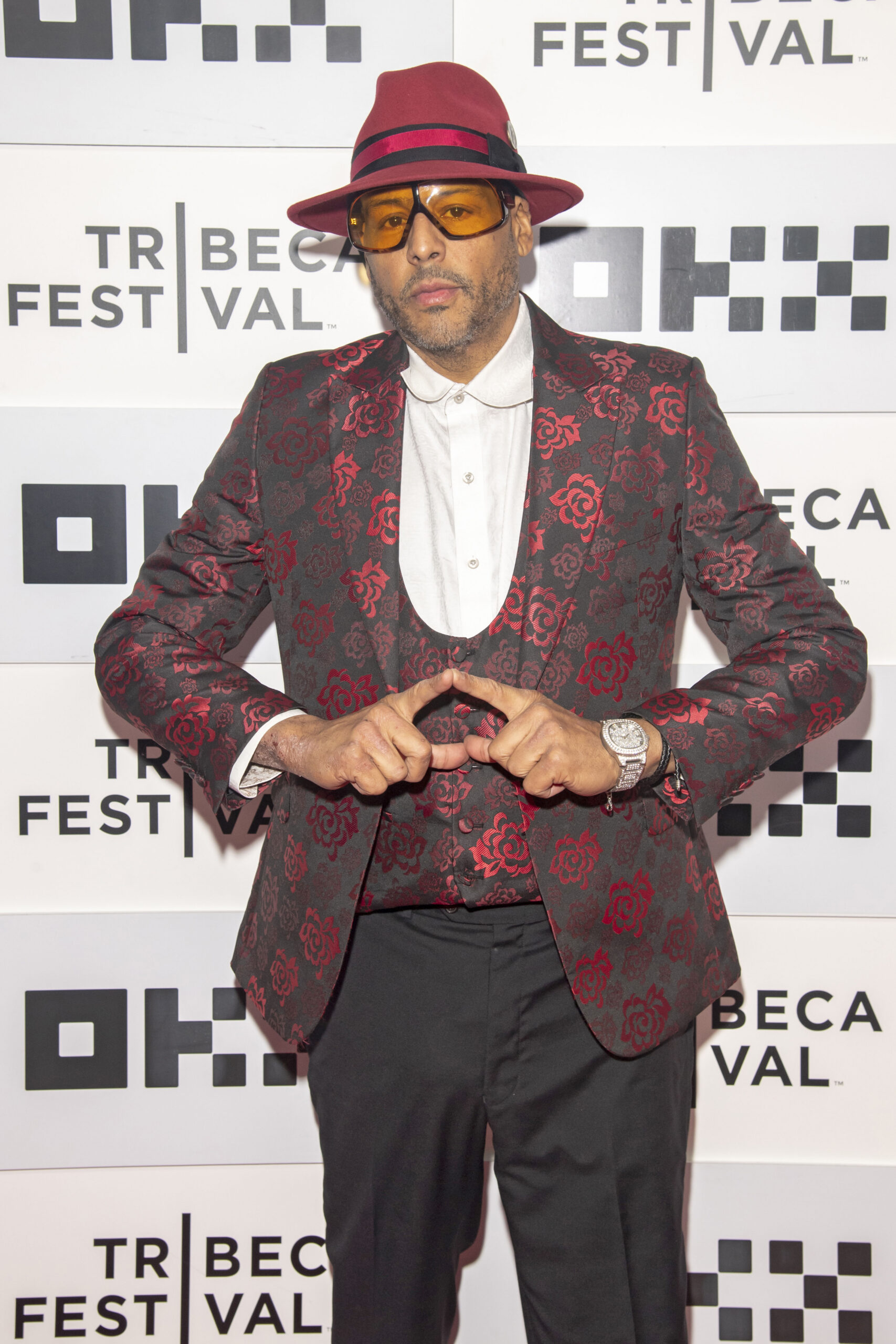
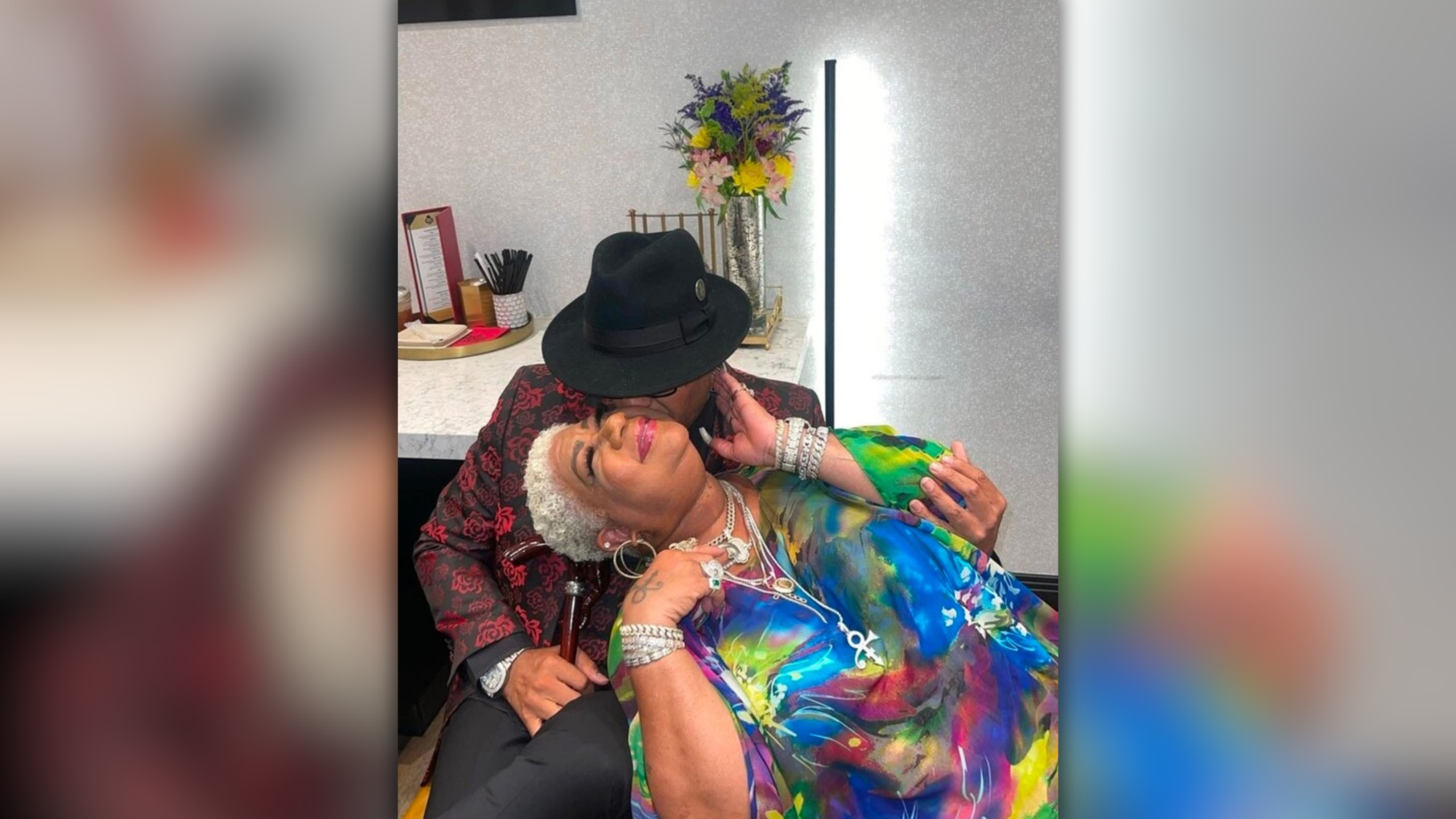
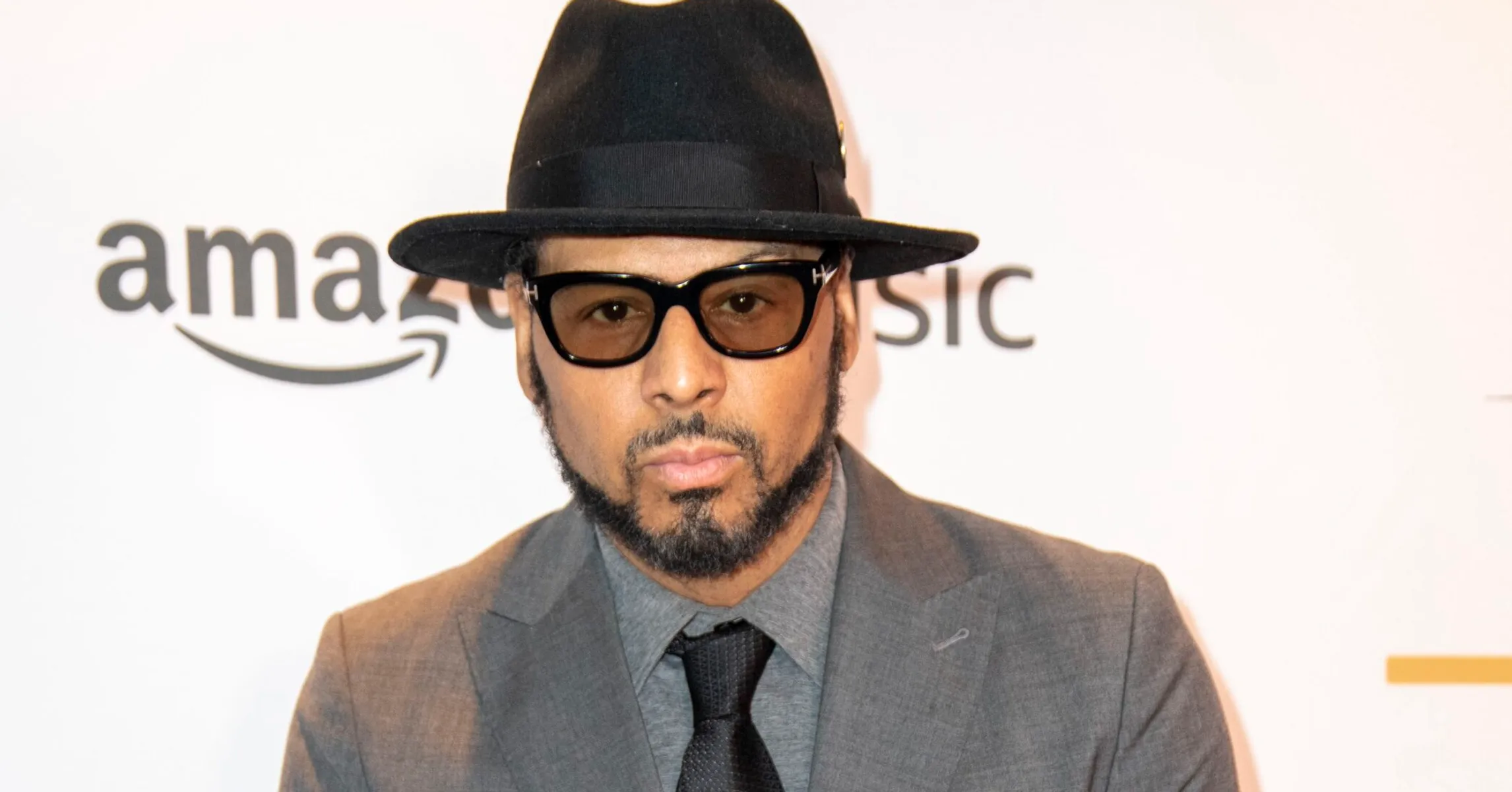
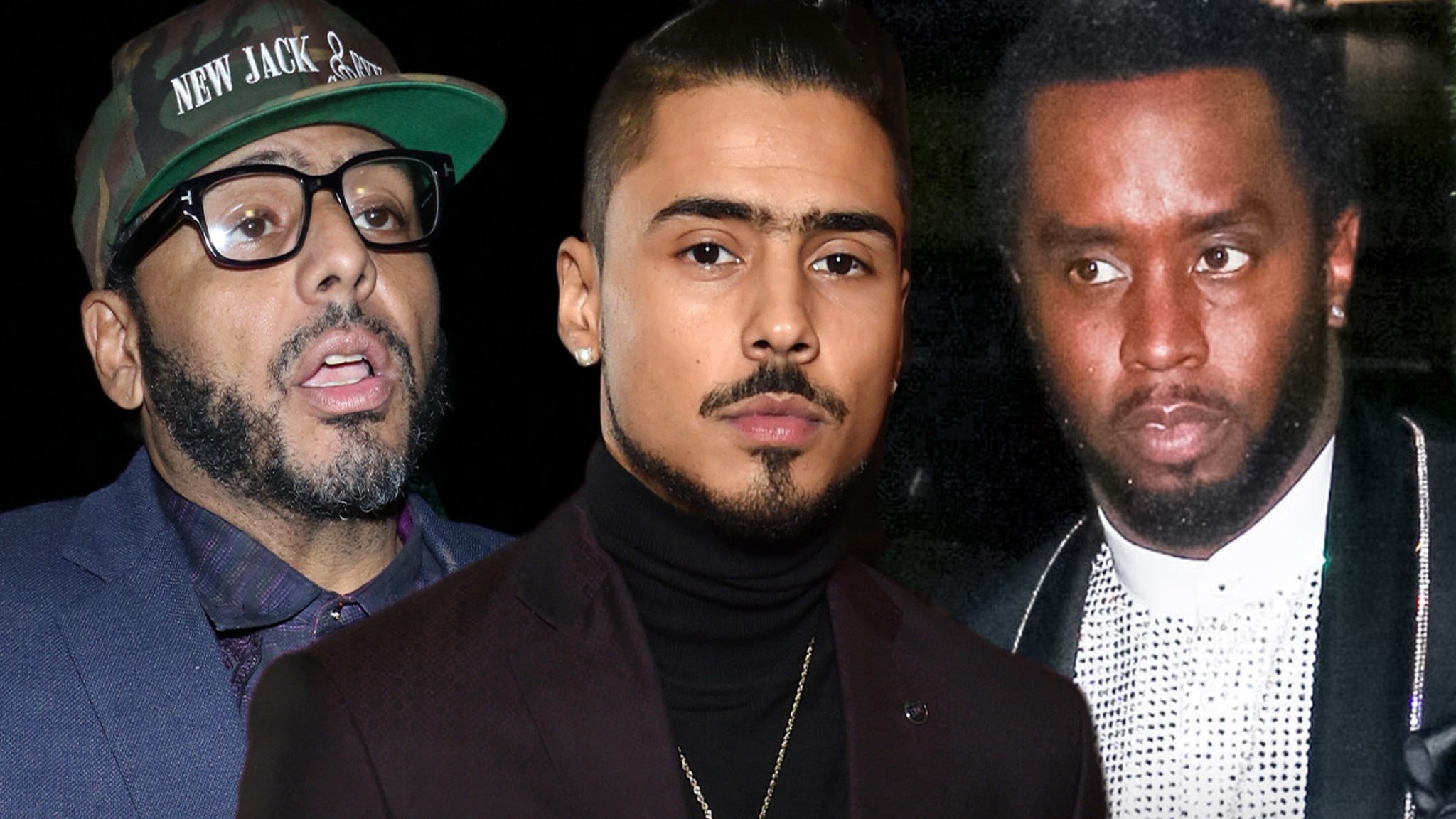
Albert Joseph Brown III, known professionally as Al B. Sure!, is of multiracial heritage, specifically of African American and Polish descent. His father, Albert Joseph Brown II, was of mixed Black and Polish ancestry, while his mother, Cassandra Brown, is African American, contributing to the singer’s distinct features, including his signature hazel eyes and light complexion.
Born on June 4, 1968, in Boston, Massachusetts, and raised in Mount Vernon, New York, Al B. Sure! became a defining figure of the late 1980s and early 1990s New Jack Swing movement. While his musical talent propelled him to stardom, his ethnic background and physical appearance often became a point of discussion among fans and the media, as he embodied a specific aesthetic that was highly marketable during the "pretty boy" era of R&B. In 2026, looking back at his nearly four-decade career, his heritage remains a foundational element of his personal identity and his public persona.
The Ancestral Roots of Albert Joseph Brown III
To understand the ethnicity of Al B. Sure!, one must look at the lineage of the Brown family. His father, Albert Joseph Brown II, worked as a nuclear medical technician, a profession that required high technical skill and education. The elder Brown’s heritage was a blend of African American and Polish ancestry. This European connection primarily came through his own maternal line, where Polish roots were integrated into the family tree.
His mother, Cassandra Brown, worked as an accountant. Her lineage is predominantly African American. Growing up in a household with these diverse influences, Albert III (Al B. Sure!) was raised within the cultural framework of the Black American experience in the Northeast, particularly in the vibrant community of Mount Vernon. Mount Vernon during the 1970s and 80s was a hub for Black excellence and creativity, producing other luminaries like Denzel Washington and Heavy D.
The combination of these heritages resulted in the physical traits—most notably his light skin and light-colored eyes—that distinguished him from many of his contemporaries in the R&B world. During the height of his fame, these traits were often highlighted in music videos and promotional photography, helping to craft an image that appealed to a broad, "crossover" audience while remaining firmly rooted in Black musical traditions.
The "Pretty Boy" Aesthetic and the New Jack Swing Era
The late 1980s saw the rise of the New Jack Swing era, a fusion of R&B, hip-hop, and dance-pop pioneered by producers like Teddy Riley. Al B. Sure! was one of the genre’s first breakout solo stars with his 1988 debut album, In Effect Mode. His ethnicity and appearance played a significant role in how he was marketed by Warner Bros. Records.
During this period, the music industry often leaned into specific visual archetypes. Al B. Sure! fit the "smooth crooner" image, but his multiracial background gave him a unique visual edge. His appearance was often compared to other light-skinned or multiracial icons of the era, such as El DeBarge or Prince. However, Al B. Sure! maintained a distinct New York swagger that balanced his "pretty boy" looks with a harder, hip-hop-influenced sensibility.
His heritage was never something he hid; rather, it was a factual part of his biography that contributed to his universal appeal. In the context of the 1980s, being a multiracial artist in the R&B space often meant navigating different cultural expectations. Al B. Sure! successfully bridged these gaps, becoming a heartthrob for a diverse generation of listeners.
Genetic Inheritance: The Story Behind the Hazel Eyes
One of the most frequently asked questions regarding Al B. Sure!’s ethnicity concerns his eyes. Hazel eyes are relatively uncommon in the African American community but are frequently seen in individuals with mixed European and African ancestry. In Al B. Sure!’s case, the recessive genes for lighter eye color likely originated from his Polish grandmother.
Genetically, eye color is a polygenic trait, meaning it is determined by multiple genes. For a person of color to have hazel or green eyes, they typically inherit specific variations of the HERC2 and OCA2 genes from both sides of the family tree, even if those traits are dormant in the parents. This genetic "lottery" is a hallmark of the diverse genetic tapestry of Black Americans, which often includes European, Native American, and various African ethnic groups due to the complex history of the United States.
Comparing Heritage Among 1980s and 90s R&B Icons
To provide context on how Al B. Sure!’s background fits into the broader landscape of the music industry during his prime, the following table compares several influential artists of the era who shared similar multiracial or diverse backgrounds.
| Artist | Primary Heritage/Ethnicity | Musical Influence | Notable Visual Trait |
|---|---|---|---|
| Al B. Sure! | African American & Polish | New Jack Swing, R&B | Hazel eyes, unibrow (iconic) |
| El DeBarge | African American & French-Canadian | Soul, Pop-R&B | High tenor voice, light skin |
| Lenny Kravitz | African American & Ashkenazi Jewish | Rock, Neo-Soul | Eclectic fashion, dreadlocks |
| Prince | African American (Mixed ancestry) | Funk, Rock, R&B | Androgynous style, fair skin |
| Paula Abdul | Syrian-Jewish & French-Canadian | Dance-Pop, R&B | Choreography-heavy videos |
This table illustrates that Al B. Sure! was part of a broader trend of artists whose diverse ethnic backgrounds contributed to a rich, multifaceted period in American popular music. His specific blend of Black and Eastern European roots was unique even within this diverse group.
Family Legacy and the Next Generation
Al B. Sure!’s heritage has been passed down to his children, who have also made their marks in the entertainment industry. His most famous offspring include:
- Al B. Sure Jr. (Albert Joseph Brown IV): A singer and actor who closely resembles his father and continues the musical legacy.
- Devin Brown: Also involved in the creative arts, maintaining a lower profile than his brothers but sharing the family's distinct features.
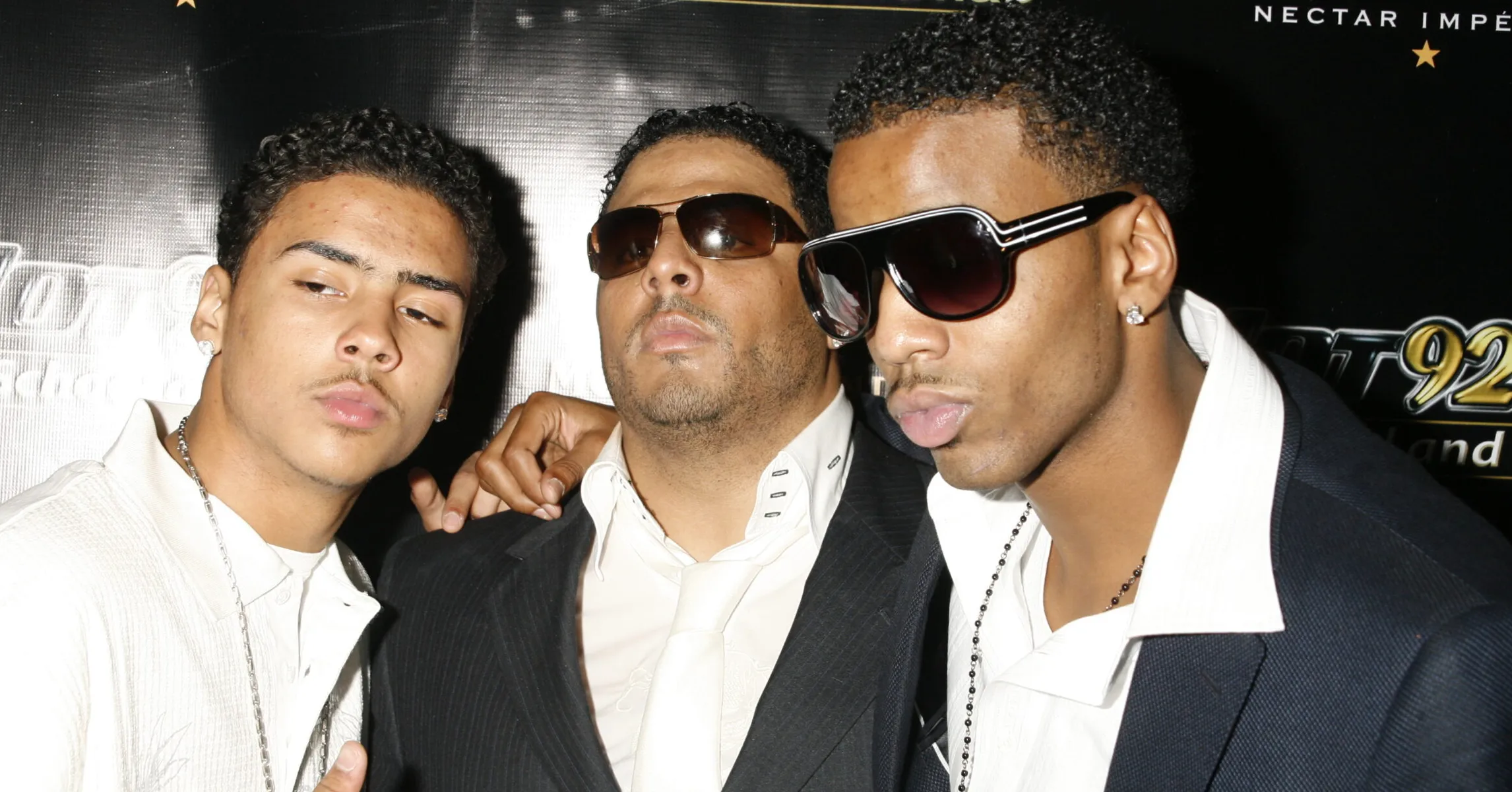
- Quincy Brown: The biological son of Al B. Sure! and the late Kim Porter. Quincy was later adopted and raised by Sean "Diddy" Combs. Quincy’s heritage is a mix of his father’s African American/Polish roots and his mother’s African American background.
Quincy, in particular, has been very vocal about his heritage and his relationship with both his biological father and his adoptive father. The physical resemblance between Al B. Sure! and Quincy is striking, further cementing the visual legacy of the Brown family’s multiracial roots in the public eye as of 2026.
Cultural Impact and Career Evolution
Beyond his ethnicity, Al B. Sure!’s contribution to music as a producer and talent scout is immense. While his "pretty boy" image based on his heritage got him through the door, it was his technical skill that kept him there. He was instrumental in discovering and developing the group Jodeci, one of the most influential R&B acts of all time.
By acting as a mentor and producer for Jodeci, Al B. Sure! helped shift the sound of R&B from the polished New Jack Swing of the late 80s to the more raw, "hip-hop soul" of the early 90s. This transition showed that his understanding of Black music and culture was profound and not merely surface-level or dependent on his marketability as a multiracial artist.
In the years leading up to 2026, Al B. Sure! has also been recognized for his resilience. After a significant health scare in 2022 that saw him in a coma for over two months, his recovery has been viewed by fans as a testament to his strength. During his recovery, he often shared reflections on his life, his family, and his pride in his roots, reinforcing his status as an elder statesman of R&B.
Frequently Asked Questions
Is Al B. Sure! Hispanic or Latino?
No, Al B. Sure! is not Hispanic or Latino. His heritage is African American and Polish. The misconception sometimes arises due to his light complexion and hazel eyes, which some people mistakenly associate with Caribbean or Latin American backgrounds. However, his family roots are firmly traced back to African American and Eastern European (Polish) ancestry.
Who are Al B. Sure!’s parents?
His father was Albert Joseph Brown II, a nuclear medical technician of Black and Polish descent. His mother is Cassandra Brown, who worked as an accountant and is African American. Both played a significant role in his upbringing in Mount Vernon, New York, and supported his early interests in music and athletics.
What is the origin of the name "Al B. Sure!"?
The stage name is a play on his real name, Albert Brown. During his youth, he was a star quarterback and a popular figure in his community. The name "Al B. Sure!" was a confident assertion of his talent and presence—essentially saying "Albert will be sure" to succeed. It became one of the most recognizable monikers in R&B history.
Does Al B. Sure! have siblings?
Yes, Al B. Sure! has a brother named Bruce Brown. While Bruce has mostly stayed out of the intense limelight that followed his brother, the family remains close-knit. The Brown family has a history of professional success in both technical fields (like their father) and the arts.
How does Al B. Sure! identify his ethnicity?
Al B. Sure! identifies as a Black man of mixed heritage. He has always been proud of his African American roots and his place within the Black music community. While he acknowledges his Polish ancestry, his cultural identity is primarily rooted in the African American experience, which is reflected in his music, his activism, and his personal life.
Verifying Heritage Through Official Biographies
For those looking to research the genealogy and career of Al B. Sure! further, it is recommended to consult official biographical sources and archived interviews from the late 1980s.
- Official Social Media: Al B. Sure! is active on platforms like Instagram, where he often shares vintage photos of his parents and grandparents, providing a visual record of his diverse family tree.
- Music Documentaries: Documentaries focusing on the New Jack Swing era or the history of Uptown Records often feature segments on his rise to fame and the cultural impact of his image.
- Genealogical Records: Public records in Boston and Mount Vernon confirm the professional backgrounds of his parents, Albert II and Cassandra, which align with the historical accounts of his upbringing.
When exploring the ethnicity of public figures, it is essential to rely on their own self-identification and documented family history rather than speculative labels. Al B. Sure!’s life serves as a classic example of the "melting pot" of American identity, where multiple threads of ancestry combine to create a unique and influential cultural icon.