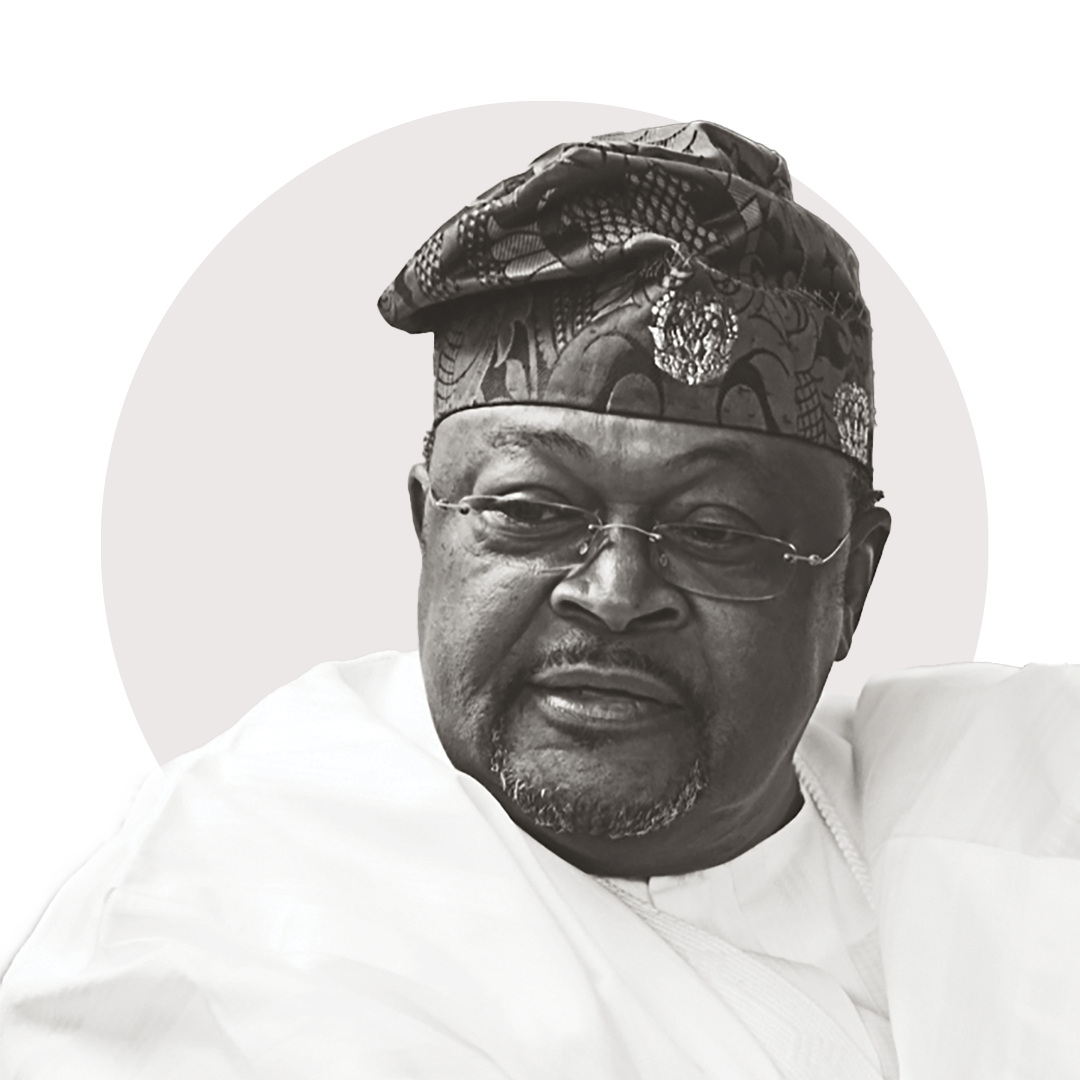
Sheikh Mohammed Hussein Al Amoudi is a dual-national Saudi-Ethiopian tycoon who controls a vast industrial conglomerate, MIDROC. As the single largest private investor in Ethiopia, his empire spans oil refining, gold mining, agriculture, and construction. His influence remains a cornerstone of the East African economy and global energy markets in 2026.
The Foundations of a Multi-Continental Dynasty
Born in 1946 in Desse, Ethiopia, to an Ethiopian mother and a Saudi father, Mohammed Hussein Al Amoudi’s trajectory is a study in cross-border economic integration. He moved to Saudi Arabia in the 1960s, eventually acquiring Saudi citizenship and building his initial fortune through construction and real estate contracts during the Saudi oil boom of the 1970s and 1980s. This early success provided the liquidity required to pivot toward large-scale international acquisitions.
By the early 1990s, Al Amoudi recognized the untapped potential of his birth country, Ethiopia, which was then transitioning away from a command economy. He established MIDROC (Mohammed International Development Research and Organization Companies), which would eventually become the largest private employer in the nation. His strategy involved vertical integration—controlling the raw materials, the processing facilities, and the distribution networks across various sectors.
His business model is unique because it bridges the capital-rich environment of the Gulf with the resource-abundant but capital-starved landscape of Sub-Saharan Africa. This "bridge" strategy has allowed him to maintain a resilient portfolio that balances the volatility of emerging markets with the relative stability of European industrial assets.
The MIDROC Empire: Key Holdings and Sectors
The Al Amoudi empire is structured primarily under the MIDROC umbrella, but it is effectively split into two distinct operational spheres: MIDROC Ethiopia and MIDROC International (which includes significant European assets). This division allows for localized management while maintaining a centralized strategic vision.
Energy and Infrastructure (The European Arm)
One of Al Amoudi’s most significant assets is Preem, the largest oil refining company in Sweden. Preem accounts for a substantial portion of his net worth and provides a steady stream of revenue that is less susceptible to the political shifts of East Africa. In addition to refining, his interests extend to Corral Petroleum Holdings, which manages energy infrastructure across Northern Europe.
Mining and Natural Resources
In Ethiopia, MIDROC Gold is the crown jewel of his natural resource portfolio. The Lega Dembi mine has historically been a major source of foreign exchange for the Ethiopian government. However, this sector has also been a source of local friction, particularly regarding environmental concerns and community relations in the Oromia region. Al Amoudi’s ability to navigate these domestic tensions while maintaining production levels has been central to his continued dominance in the sector.
Agriculture and Food Security
Through ELFORA Agro-Industries, Al Amoudi has invested heavily in livestock, meat processing, and crop production. His agricultural ventures are not merely commercial enterprises; they are vital to Ethiopia’s national food security and export strategy. His farms produce everything from flowers for the European market to coffee and grains for domestic consumption.
| Sector | Primary Entity | Key Geographic Focus | Core Business Activity |
|---|---|---|---|
| Energy | Preem / Corral Petroleum | Sweden / Europe | Oil refining and fuel distribution |
| Mining | MIDROC Gold | Ethiopia | Gold extraction and processing |
| Agriculture | ELFORA | Ethiopia | Livestock, meat, and crop exports |
| Hospitality | Sheraton Addis | Ethiopia | Luxury tourism and international events |
| Construction | MIDROC Construction | Ethiopia / Saudi Arabia | Infrastructure and commercial building |
| Manufacturing | Moha Soft Drinks | Ethiopia | PepsiCo bottling and distribution |
Ethiopia’s Economic Architect: Impact and Influence
It is difficult to overstate Al Amoudi’s role in the Ethiopian economy. As of 2026, he remains the country’s largest taxpayer and private employer. His investments have often filled the void where state funding or foreign direct investment (FDI) fell short. For example, the Sheraton Addis is more than just a hotel; it serves as the diplomatic and business hub for the African Union and international delegations, symbolizing Ethiopia's modernization.
His influence extends beyond mere ownership. By investing in diverse sectors like cement (Mugher Cement), soft drinks (Moha Soft Drinks), and transportation, he has created an interconnected ecosystem. If one sector faces a downturn, the others often provide a buffer. Furthermore, his commitment to long-term infrastructure projects has historically aligned with the Ethiopian government’s "Growth and Transformation Plans," making him an essential partner for the state.
However, this proximity to power has occasionally invited scrutiny. In a country undergoing rapid political and social reform, the concentration of such immense wealth in the hands of a single individual—particularly one with dual nationality—often leads to complex debates regarding land use, labor rights, and economic competition.
The Saudi Detainment and Subsequent Recovery
A pivotal moment in Al Amoudi’s career occurred in November 2017, when he was one of the high-profile individuals detained at the Ritz-Carlton in Riyadh as part of Saudi Arabia's anti-corruption drive. His detention lasted for over 14 months, raising significant concerns about the stability of his African and European operations.
During his absence, the MIDROC empire was managed by his senior executives, demonstrating the institutional strength of the conglomerate. His release in January 2019 was met with celebrations in Addis Ababa, underscoring his popularity among many Ethiopians who view him as a benefactor. Since his release, Al Amoudi has maintained a lower public profile but has remained active in restructuring his debt and modernizing his business operations to suit the 2020s economic environment.
The period following his release has focused on de-leveraging and sustainability. In Europe, Preem has transitioned toward renewable fuels and carbon reduction to align with EU regulations, while in Ethiopia, MIDROC has sought to enhance its corporate social responsibility (CSR) initiatives to address local community grievances.
Net Worth and Global Wealth Standing
Al Amoudi’s net worth has historically fluctuated between $5 billion and $15 billion, depending on the valuation of his energy assets and gold prices. Unlike many other African billionaires who derive their wealth from a single commodity or country, Al Amoudi’s portfolio is geographically and industrially diversified.
As of early 2026, his wealth is anchored by:
- Refined Petroleum: The transition of Preem toward "Green Hydrogen" and biofuels has added a "sustainability premium" to his European assets.
- Gold Reserves: With gold remaining a hedge against global inflation, his mining interests in Ethiopia continue to provide high-margin returns.
- Real Estate: Extensive holdings in both Saudi Arabia and Ethiopia have appreciated significantly as urban centers in both nations expand.
While he faces competition from other African titans like Aliko Dangote or Johann Rupert, Al Amoudi’s unique position as a bridge between the Arab world and Africa gives him a strategic advantage in the "Global South" investment landscape.
Philanthropy and Social Contributions
Al Amoudi’s philanthropic efforts are largely channeled through the Al Amoudi Foundation. His contributions have been instrumental in the sectors of healthcare, education, and sports. He has historically been a major sponsor of the Ethiopian national football team and has funded the construction of clinics and schools in rural Ethiopia.
In the realm of healthcare, his donations have supported initiatives to combat HIV/AIDS and malaria, and he has funded the treatment of thousands of Ethiopians abroad for complex medical conditions. While critics sometimes argue that philanthropy is a tool for political leverage, his supporters point to the tangible improvements in infrastructure and social services that his funding has facilitated over the past three decades.
Strategic Directions for the Al Amoudi Empire in 2026
In 2026, the primary challenge for the Al Amoudi empire is succession and modernization. As a veteran billionaire, the transition of leadership within MIDROC is a topic of significant interest for international investors and the Ethiopian government alike.
The current strategy involves:
- Digital Transformation: Integrating modern supply chain management and fintech solutions into MIDROC’s retail and manufacturing arms.
- ESG Integration: Addressing Environmental, Social, and Governance (ESG) criteria to attract international institutional partners and satisfy European regulators.
- Agricultural Scaling: Moving from basic crop production to high-value food processing, aiming to capture more of the value chain within Ethiopia.
For those tracking the intersection of African growth and global energy, Al Amoudi remains the most critical individual figure to watch. His ability to balance the interests of the Saudi crown, the Ethiopian administration, and European environmental standards is a testament to his status as a master of global commerce.
Frequently Asked Questions
What is Mohammed Hussein Al Amoudi's current net worth in 2026?
His net worth is estimated to be between $5 billion and $8 billion, though this figure fluctuates based on the market valuation of Preem and the current price of gold. His wealth is significantly influenced by his massive industrial holdings rather than just liquid assets.
Is Al Amoudi still the largest investor in Ethiopia?
Yes, he remains the single largest private investor in the country. Through MIDROC Ethiopia, he owns over 70 companies across various sectors, providing employment for tens of thousands of citizens and contributing significantly to the national GDP.
Why was Al Amoudi detained in Saudi Arabia?
Al Amoudi was detained in November 2017 as part of a broad "anti-corruption" sweep initiated by the Saudi Arabian government. He was held until January 2019. Specific charges were never publicly detailed, and his release followed extensive diplomatic efforts and internal negotiations.
Does Al Amoudi own businesses in Europe?
His most prominent European asset is Preem, a Swedish oil refining giant. He also holds various real estate and industrial interests in Sweden and other parts of Europe through his international investment vehicles.
How can investors or partners contact MIDROC?
Most interactions with the empire are handled through the regional headquarters of MIDROC Ethiopia in Addis Ababa or the corporate offices of his various international subsidiaries (like Preem in Sweden). Direct contact is typically reserved for institutional partners and government entities.