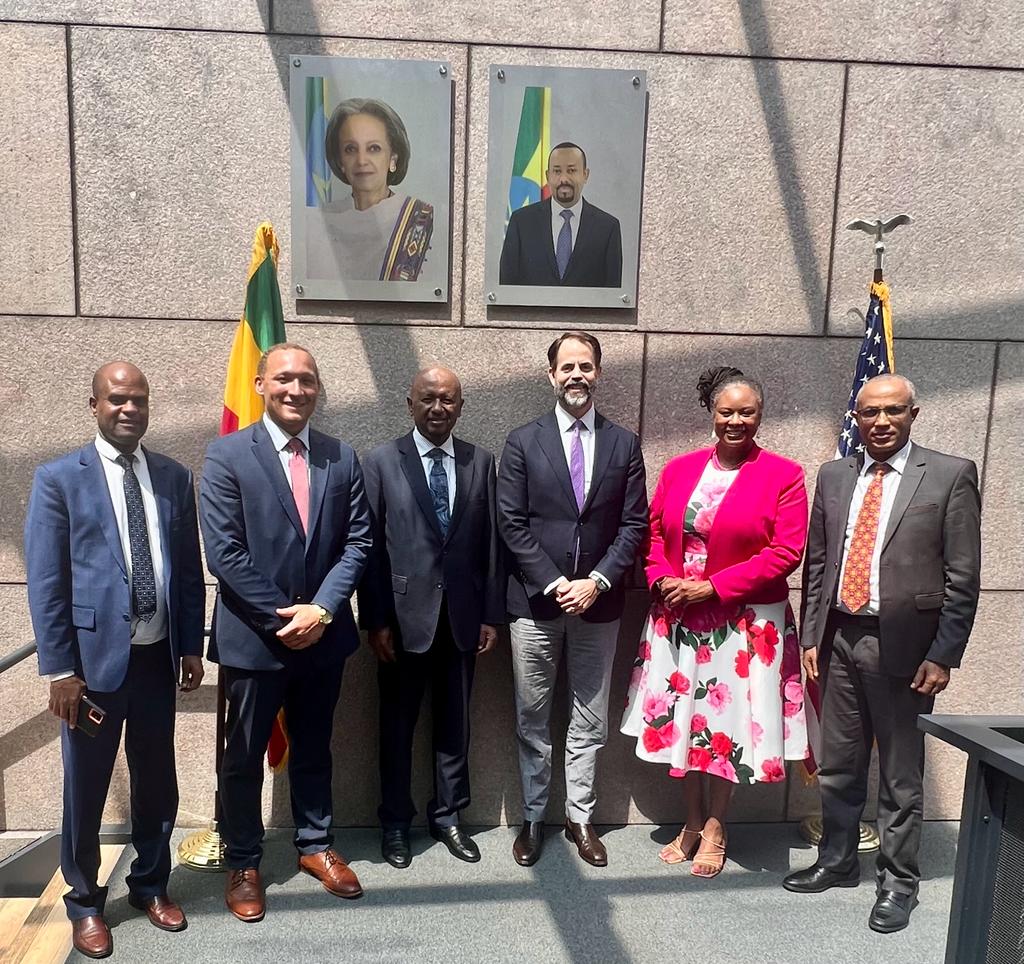
Mohammed Hussein Al Amoudi is a billionaire investor whose diversified empire, primarily through the MIDROC conglomerate, has shaped the modern Ethiopian economy. As of 2026, his legacy is defined by massive contributions to mining, agriculture, and hospitality, alongside a significant global presence in energy through European refineries.
Sheikh Mohammed Hussein Al Amoudi stands as one of the most consequential figures in the history of African private enterprise. Born in Ethiopia to an Ethiopian mother and a Saudi father, Al Amoudi leveraged his dual heritage to become a bridge for capital between the Gulf and East Africa. While his wealth was initially consolidated in Saudi Arabia’s construction and real estate booms of the 1970s and 1980s, his most enduring business legacy is found in his native Ethiopia. Through his primary vehicle, MIDROC (Mohammed International Development Research and Organization Companies), he transformed the nation’s industrial landscape following the fall of the Derg regime, transitioning the country from a centralized socialist economy toward a market-oriented model.
The Architect of MIDROC: Origins and Strategic Expansion
The genesis of Al Amoudi’s business empire is rooted in the early 1990s. As Ethiopia emerged from decades of civil strife and economic isolation, the transitional government sought large-scale foreign investment to rebuild essential infrastructure. Al Amoudi was among the first to answer this call, bringing both capital and international management standards. Unlike many investors who focused on single sectors, Al Amoudi adopted a horizontal expansion strategy, acquiring and modernizing state-owned enterprises while launching greenfield projects.
His entry into the Ethiopian market was not merely a financial endeavor; it was a structural overhaul of key industries. By the mid-1990s, he had established MIDROC Ethiopia, which served as an umbrella for dozens of subsidiaries. This structure allowed for cross-sector synergy, where his construction companies could build his hotels, and his agricultural firms could supply his processing plants. This vertical and horizontal integration made him the largest employer in the Ethiopian private sector, a status he maintains in 2026.
Strategic expansion was characterized by high-risk, high-reward ventures. Al Amoudi invested in sectors that required heavy capital expenditure and long gestation periods, such as cement production and gold mining. These investments were critical because they addressed fundamental bottlenecks in the Ethiopian economy—specifically the need for domestic construction materials and the requirement for foreign exchange earnings.
Core Pillars of the Al Amoudi Empire in Ethiopia
The MIDROC portfolio in Ethiopia is segmented into several critical sectors, each playing a vital role in the national GDP. Understanding the "Al Amoudi Empire" requires an analysis of these individual pillars and their cumulative impact on the nation's development.
The Mining Sector: MIDROC Gold
Mining remains perhaps the most lucrative arm of the empire. MIDROC Gold Mine Mining (MGMM), which operates the Lega Dembi mine, has historically been the country's largest commercial gold producer. For decades, this entity provided a steady stream of foreign currency for the Ethiopian government through royalties and taxes. However, the legacy of the mining arm has not been without complexity. In recent years, Al Amoudi has had to navigate environmental concerns and community relations in the Oromia region, leading to a modernization of mining practices and increased investment in local corporate social responsibility (CSR) initiatives to ensure the long-term sustainability of the operation.
Agriculture and Agro-Processing: Horizon Plantations
Al Amoudi recognized early on that Ethiopia’s competitive advantage lay in its fertile land and climate. Through Horizon Plantations and ELFORA Agro-Industries, he revolutionized the coffee and tea sectors. By applying modern agronomic techniques to thousands of hectares, his firms became major exporters of Arabica coffee, Ethiopia’s most famous commodity. ELFORA, on the other hand, focused on livestock and meat processing, providing food security solutions and exporting high-quality meat products to the Middle East.
Hospitality and Real Estate: The Sheraton Addis
The Sheraton Addis, part of Marriott’s Luxury Collection, is more than a hotel; it is a diplomatic landmark. Opened in 1998, it became the de facto headquarters for the African Union’s high-level meetings and international summits. The hotel set a standard for luxury in East Africa that remained unchallenged for over two decades. Its presence signaled to the global community that Ethiopia was open for business and capable of hosting world-class events, directly contributing to the growth of the country’s tourism and conference sectors.
International Footprint and the Energy Sector
While Al Amoudi is synonymous with Ethiopian development, a significant portion of his wealth and business legacy resides in Europe and Saudi Arabia. His international holding company, Corral Petroleum Holdings, is a major player in the refining and marketing of petroleum products.
His most notable international asset is Preem, Sweden’s largest fuel company. Preem operates two massive refineries in Gothenburg and Lysekil, accounting for a significant percentage of the refining capacity in the Nordic region. In 2026, Preem remains a central component of his portfolio, though it has shifted its focus significantly toward renewable fuels and carbon capture technology to align with European environmental regulations.
This international energy arm has historically provided the liquidity necessary to fund his capital-intensive projects in Ethiopia. The synergy between his Saudi-based construction origins, Swedish energy assets, and Ethiopian industrial ventures created a diversified financial base that could weather localized economic downturns. This diversification was a masterclass in risk management, allowing him to maintain his status as a multi-billionaire despite the inherent volatility of emerging markets.
Comparison of MIDROC Ethiopia’s Key Subsidiaries
To understand the scale of Al Amoudi’s impact, the following table outlines the primary functions and contributions of his major Ethiopian holdings as of 2026.
| Company Name | Primary Sector | Strategic Importance | Economic Contribution |
|---|---|---|---|
| MIDROC Gold | Mining | Foreign Exchange | Largest commercial gold exporter in Ethiopia. |
| Sheraton Addis | Hospitality | Tourism & Diplomacy | Hub for the African Union and international dignitaries. |
| Horizon Plantations | Agriculture | Commodity Export | Major producer of coffee, tea, and citrus for global markets. |
| Derba MIDROC Cement | Manufacturing | Infrastructure | Essential supplier for the Grand Ethiopian Renaissance Dam (GERD). |
| ELFORA Agro-Industries | Food Processing | Food Security | Largest livestock and meat processor in the region. |
| Mohamed International Development | Construction | Urban Development | Responsible for major housing and commercial projects in Addis Ababa. |
Economic Impact and Philanthropy: A Dual Legacy
The legacy of Mohammed Hussein Al Amoudi is often debated through the lens of his close ties to various Ethiopian administrations. However, his economic impact is quantifiable. Estimates suggest that MIDROC companies have employed over 60,000 people directly, with tens of thousands more in the supply chain. In a country where youth unemployment is a recurring challenge, Al Amoudi’s role as a job creator cannot be overstated.
Beyond business, his philanthropic efforts have been vast. Through the Mohammed Hussein Al Amoudi Foundation, he has funded healthcare initiatives, educational scholarships, and the preservation of Ethiopian heritage. He was a primary financier of the expansion of the Black Lion Hospital’s oncology department and has contributed significantly to the construction of schools in rural areas.
In the realm of sports and culture, Al Amoudi’s patronage of the St. George Football Club and his support for Ethiopian athletes at the Olympic level have cemented his status as a national benefactor. His business legacy is thus intertwined with his social legacy; he is viewed by many as a "native son" who returned to lift the nation’s prospects, rather than a foreign extractor of wealth.
Navigating Challenges: The Saudi Detention and Market Volatility
A defining moment in Al Amoudi’s later career was his detention in Saudi Arabia in November 2017 as part of the Kingdom's anti-corruption drive. For over 14 months, the billionaire was held at the Ritz-Carlton in Riyadh, causing significant uncertainty across his global empire. During this period, the leadership of MIDROC Ethiopia had to demonstrate resilience, operating without their founder’s direct oversight.
His release in January 2019 was met with celebrations in Addis Ababa, reinforcing the deep personal connection many Ethiopians feel toward him. However, the period of detention prompted a strategic shift. Since his return, there has been a noticeable push toward professionalizing the management tiers of his companies, reducing the reliance on "one-man" decision-making and ensuring that the empire could survive a leadership transition.
In 2026, the empire has largely recovered from this period of turbulence. The detention served as a stress test for MIDROC, proving that the institutional structures Al Amoudi built were robust enough to function independently. This transition toward institutionalized management is perhaps one of the most critical aspects of his 2026 legacy, as it ensures the longevity of his investments beyond his personal tenure.
The Future of the Al Amoudi Legacy in 2026
As we look at the Al Amoudi empire in 2026, the focus has shifted toward sustainability and modernization. The Ethiopian government’s liberalization of the telecom and banking sectors has created new competitive pressures, but Al Amoudi’s legacy firms have adapted by digitizing their supply chains and pursuing international certifications for their exports.
The legacy is also evolving through the lens of succession and corporate governance. With a portfolio that spans three continents, the emphasis is now on environmental, social, and governance (ESG) standards. Whether it is Preem’s transition to "Green Refining" or MIDROC’s investment in renewable energy projects in Ethiopia, the empire is positioning itself to remain relevant in a decarbonizing global economy.
Frequently Asked Questions
What is Mohammed Hussein Al Amoudi's net worth in 2026?
While net worth fluctuates based on market valuations of assets like Preem and MIDROC Gold, Al Amoudi has consistently been ranked as one of the wealthiest individuals of African descent. In 2026, his wealth remains tied to his diversified international portfolio, with estimates typically placing him in the multi-billion dollar range, though he remains private about his exact liquid holdings.
How did Al Amoudi start his business career?
Al Amoudi began his career in Saudi Arabia during the 1960s. He initially found success in the construction sector, benefiting from the Saudi oil boom. His company, Midroc, participated in several large-scale infrastructure projects for the Saudi government, which provided the foundational capital for his later expansion into Sweden and Ethiopia.
Is MIDROC Ethiopia a state-owned company?
No, MIDROC Ethiopia is a private conglomerate. It was established by Mohammed Hussein Al Amoudi and is one of the largest private employers in the country. While it often works on government-tendered projects and has acquired previously state-owned enterprises, it remains an independent private entity.
What happened to Al Amoudi during the Saudi anti-corruption purge?
In November 2017, Al Amoudi was one of dozens of billionaires and princes detained at the Ritz-Carlton in Riyadh. He was held until January 2019. No formal charges were ever publicly detailed by the Saudi government, and his release followed extensive diplomatic efforts from the Ethiopian government, highlighting his importance to the Ethiopian economy.
What are his most important companies in Sweden?
His primary Swedish asset is Preem, the country's largest fuel company. He also has significant interests in Svenska Petroleum Exploration. These assets represent the "energy" pillar of his global empire and have historically provided a strong financial anchor for his other international investments.
Managing the Future of MIDROC Assets
For investors, partners, and employees within the Al Amoudi ecosystem, the priority in 2026 is institutional stabilization. The transition from a founder-led conglomerate to a management-led institution is the most significant "next action" for the MIDROC legacy. Those looking to engage with this empire should focus on the individual sectoral leadership within the subsidiaries, as the group continues to decentralize its operations to ensure long-term agility in the face of Ethiopia’s rapidly evolving regulatory landscape.
For Ethiopia, the Al Amoudi legacy serves as a blueprint for how domestic and diaspora capital can be leveraged for national development. The "empire" is no longer just a collection of assets; it is a fundamental part of the country's economic infrastructure that will continue to influence Ethiopian industry for decades to come.