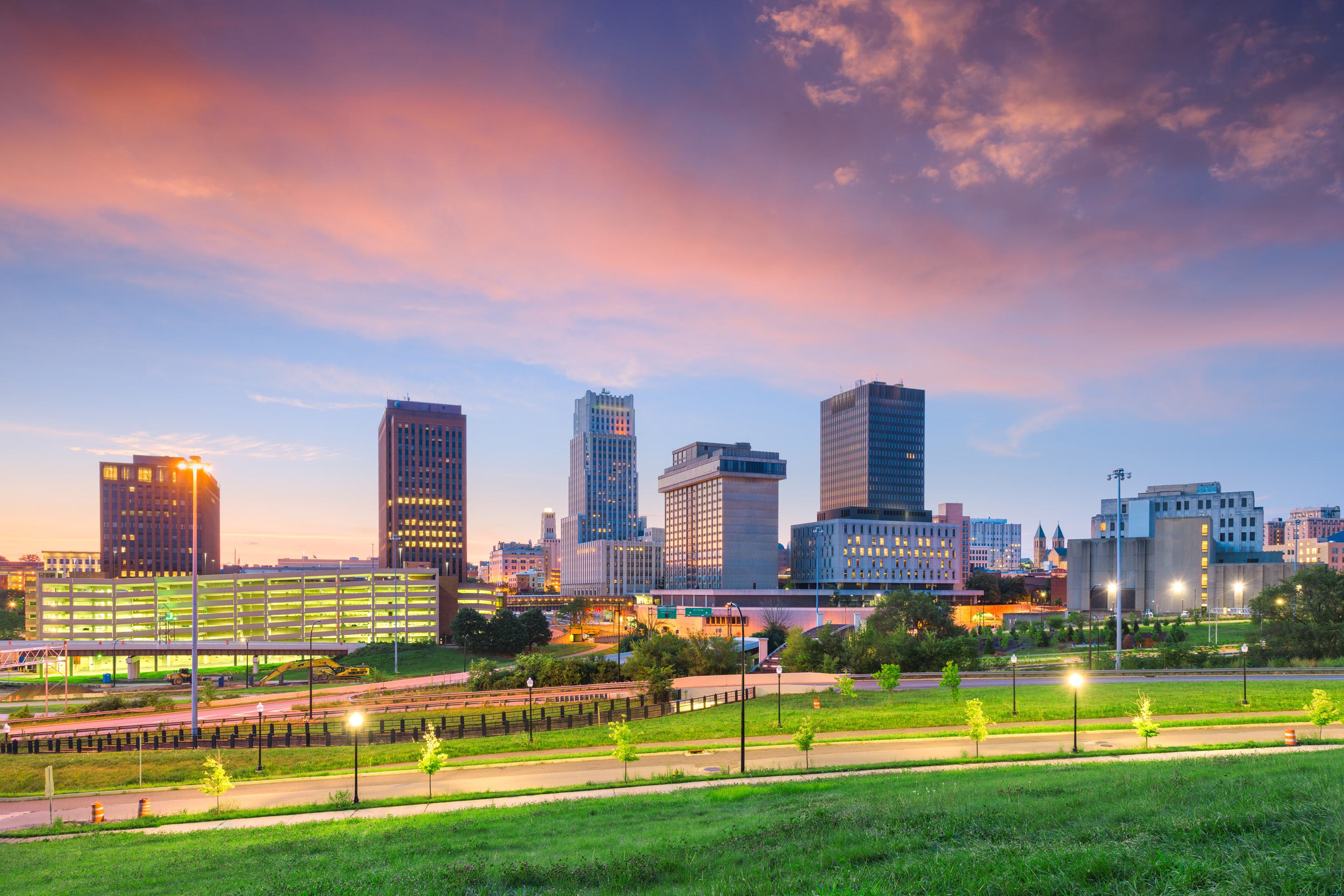
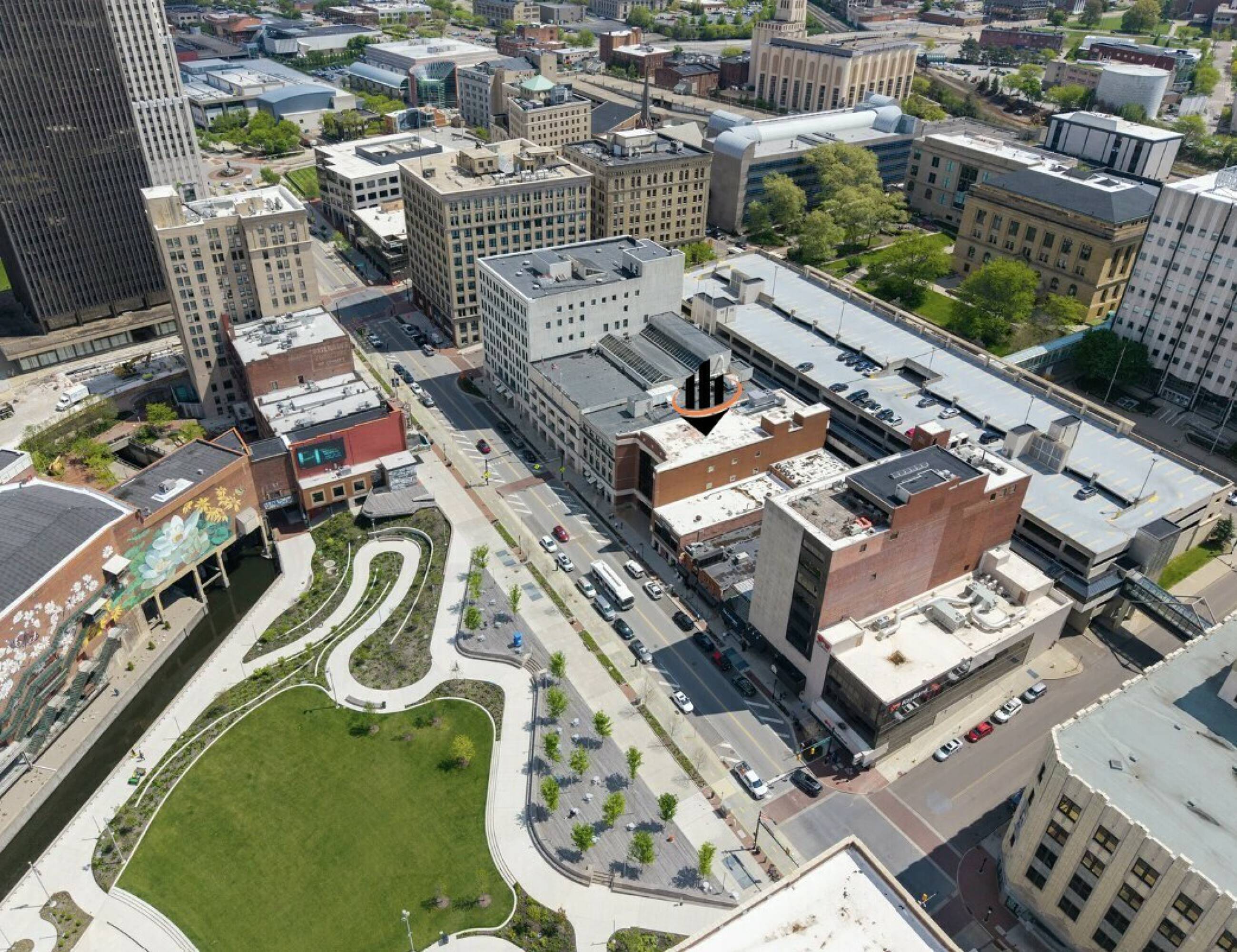
Akron, Ohio, is a resilient mid-sized city in Summit County, historically celebrated as the "Rubber Capital of the World." In 2026, it thrives as a global leader in polymer science and healthcare innovation. The city offers a unique blend of affordable Midwestern living, rich industrial history, and immediate access to the Cuyahoga Valley National Park.
The Evolution of the "Rubber City" into a Polymer Hub
Akron’s identity was forged in the early 20th century by industrial titans like Goodyear, Firestone, and Goodrich. While the massive tire manufacturing plants of the past have largely transitioned into high-tech research facilities, the city has successfully pivoted its economic engine. Today, Akron sits at the heart of the "Polymer Valley," a region containing one of the densest concentrations of polymer-related businesses in the world.
The shift from heavy manufacturing to advanced materials science was not accidental. Strategic partnerships between the University of Akron and private enterprise have created a pipeline of talent and innovation. By 2026, the university’s College of Polymer Science and Polymer Engineering remains a top-tier global institution, attracting international researchers and federal grants. This academic presence supports hundreds of local companies specializing in medical devices, aerospace components, and sustainable packaging.
Beyond polymers, the healthcare sector has become the city's largest employer. Systems such as Summa Health and the Cleveland Clinic Akron General provide not only essential services to the region but also serve as anchors for the local economy. These institutions have invested heavily in downtown infrastructure, leading to a revitalized urban core where medical professionals, researchers, and students live and work in close proximity.
Akron’s Distinct Neighborhoods and Residential Landscape
Akron is characterized by a patchwork of neighborhoods, each offering a distinct cultural and architectural flavor. Because the city was built during the industrial boom, much of its housing stock consists of charming colonial, Tudor, and craftsman-style homes that remain remarkably affordable compared to national averages.
Highland Square
Often described as the bohemian heart of Akron, Highland Square is a walkable neighborhood known for its independent spirit. It is anchored by the historic Highland Theatre and features a variety of local coffee shops, bars, and eclectic retail. The area attracts a diverse demographic, from young professionals to long-time residents who appreciate the neighborhood’s artistic flair and frequent community events, such as the Porchrokker music festival.
West Akron and Fairlawn Heights
For those seeking more space and historic grandeur, West Akron and the adjacent Fairlawn Heights offer larger lots and stately homes. Fairlawn Heights, in particular, is known for its winding roads and sprawling estates, many of which were built by the rubber barons of the early 1900s. These areas provide a quiet, suburban feel while remaining less than ten minutes from the downtown business district.
Ellet and Goodyear Heights
On the city’s east side, Ellet and Goodyear Heights offer strong community identities rooted in Akron's industrial past. Goodyear Heights was originally designed as a "garden suburb" for factory workers, featuring unique architectural layouts and plentiful green space. These neighborhoods are popular with first-time homebuyers in 2026 due to their solid construction, competitive pricing, and proximity to the Interstate 77 and 76 corridors.
Cost of Living and Economic Feasibility in 2026
One of Akron’s most significant advantages is its economic accessibility. Despite national inflationary trends seen over the last few years, Akron has maintained a cost of living that is significantly lower than the United States average. This affordability extends across housing, utilities, and transportation, making it an attractive destination for remote workers and young families.
| Category | Akron, OH (Relative to National Avg) | Estimated Monthly Cost (Single Pro) | Estimated Monthly Cost (Family of 4) |
|---|---|---|---|
| Housing (Rent/Mortgage) | 35% Lower | $1,100 - $1,600 | $1,800 - $2,800 |
| Utilities | 8% Lower | $180 | $350 |
| Groceries | 4% Lower | $350 | $950 |
| Transportation | 5% Lower | $250 | $600 |
| Healthcare | 10% Lower | $400 | $1,200 |
Note: Figures are 2026 estimates based on regional economic data from the City of Akron and Bureau of Labor Statistics.
The stability of the housing market in Akron is a major draw. While home prices have appreciated steadily, they have not experienced the volatile spikes seen in coastal "tech hubs." This allows residents to build equity without the high barrier to entry found in larger metropolitan areas. Furthermore, the city has implemented various tax abatement programs for new constructions and significant renovations, incentivizing the modernization of its historic housing stock.
Outdoor Recreation and the Cuyahoga Valley National Park
Akron offers an outdoor lifestyle that is rare for an industrial Midwestern city. It serves as a primary gateway to the Cuyahoga Valley National Park (CVNP), which sits just north of the city limits. This proximity allows residents to access over 125 miles of hiking trails, including the famous Ohio & Erie Canal Towpath Trail, which runs directly through the center of downtown Akron.
The Towpath Trail is more than just a recreational asset; it is a vital piece of the city's infrastructure. In 2026, the trail is used extensively for bicycle commuting and links various neighborhoods to the downtown "Lock 3" entertainment district. This connection to nature is a cornerstone of Akron’s "Elevate Akron" initiative, which focuses on community wellness and environmental sustainability.
Within the city, the Summit Metro Parks system provides an additional 16 developed parks spanning thousands of acres. These parks offer year-round activities, from cross-country skiing in the winter to kayaking on the Portage Lakes during the summer. The abundance of water—including the Ohio & Erie Canal and the nearby Cuyahoga River—provides a scenic backdrop for the city’s many outdoor festivals and markets.
Education, Research, and Talent Development
Education in Akron is anchored by the University of Akron (UA), which remains a vital component of the city’s social and economic fabric. As of 2026, the university has doubled down on its "Polymer and Advanced Materials" initiatives, fostering deep ties with local industry. This synergy ensures that students graduate with practical skills tailored to the regional job market.
For K-12 education, the Akron Public Schools (APS) system has implemented a "College and Career Academies" model. This approach partners local businesses with high schools to provide students with hands-on experience in fields such as healthcare, engineering, and IT. By the time students reach their senior year, many have already earned professional certifications or college credits, creating a highly skilled local workforce.
Additionally, the presence of several private and parochial schools provides families with diverse educational options. The city’s commitment to lifelong learning is further evidenced by the Akron-Summit County Public Library system, which is frequently ranked among the best in the nation for its resources and community programming.
Cultural Institutions and Community Identity
Akron’s cultural scene is deeply rooted in its heritage while embracing modern trends. Stan Hywet Hall & Gardens, the former estate of F.A. Seiberling (co-founder of Goodyear), is one of the largest historic homes in the United States and serves as a major cultural landmark. Its gardens and architecture provide a window into the "Gilded Age" of the rubber industry.
The Akron Art Museum, located downtown, is a masterpiece of modern architecture and houses a significant collection of contemporary art. The museum is a central part of the city’s efforts to foster a vibrant downtown, hosting regular community events and "after-hours" gatherings that draw residents from across the region.
Sports and community events also play a major role in Akron's identity. The city is the home of the FirstEnergy All-American Soap Box Derby, a tradition that has drawn participants from around the world to Derby Downs since the 1930s. In the summer, Canal Park stadium—home of the Akron RubberDucks (the Double-A affiliate of the Cleveland Guardians)—offers an affordable and family-friendly baseball experience that is a staple of local life.
Is Akron, Ohio, a safe city to live in?
Like most mid-sized cities, safety in Akron varies significantly by neighborhood. While certain areas face challenges related to urban poverty and crime, many neighborhoods like Ellet, West Akron, and Fairlawn Heights are considered very safe and family-oriented. The Akron Police Department has implemented several community policing initiatives in 2026 that have successfully reduced property crime rates in the urban core.
What is the job market like in Akron in 2026?
The job market is currently dominated by the healthcare and polymer research sectors. There is also a growing presence of logistics and corporate service firms due to Akron’s central location between Cleveland, Columbus, and Pittsburgh. Employment opportunities are particularly strong for those with specialized technical training or healthcare certifications.
How is the weather in Akron?
Akron experiences a full four-season climate. Summers are warm and humid, with temperatures typically in the 80s. Winters can be cold and snowy, influenced by "lake effect" patterns from Lake Erie to the north, though Akron usually receives less snow than the primary snow-belt areas like Chardon or Mentor. Fall is widely considered the best time to visit, as the foliage in the Cuyahoga Valley is world-class.
What is the commute like for those working in Cleveland?
Many residents choose to live in Akron and commute to Cleveland, which is approximately 40 miles north. In 2026, the commute typically takes 45 to 60 minutes via Interstate 77 or State Route 8, depending on traffic. The regional transit authorities also provide express bus services that link the two city centers, catering to daily commuters.
How affordable are property taxes in Summit County?
Property taxes in Akron and Summit County are moderate compared to other major Ohio metros. While they are higher than in some rural counties, the revenue supports high-quality services, including the award-winning Metro Parks system and city infrastructure projects. Tax abatement programs are often available for those renovating homes in specific residential "CRA" (Community Reinvestment Area) zones.
Establishing Your Roots in Akron
For those considering a move to Akron in 2026, the first step should be a thorough exploration of the various neighborhoods to find a match for your lifestyle. Prospective residents are encouraged to visit the Highland Square area for its culture and the Merriman Valley for its proximity to nature.
From a professional standpoint, engaging with the Greater Akron Chamber of Commerce or visiting the University of Akron’s innovation hubs can provide valuable networking opportunities. Whether you are attracted by the low cost of living, the world-class polymer industry, or the serenity of the Cuyahoga Valley, Akron offers a balanced and grounded urban experience that remains one of the Midwest's best-kept secrets.