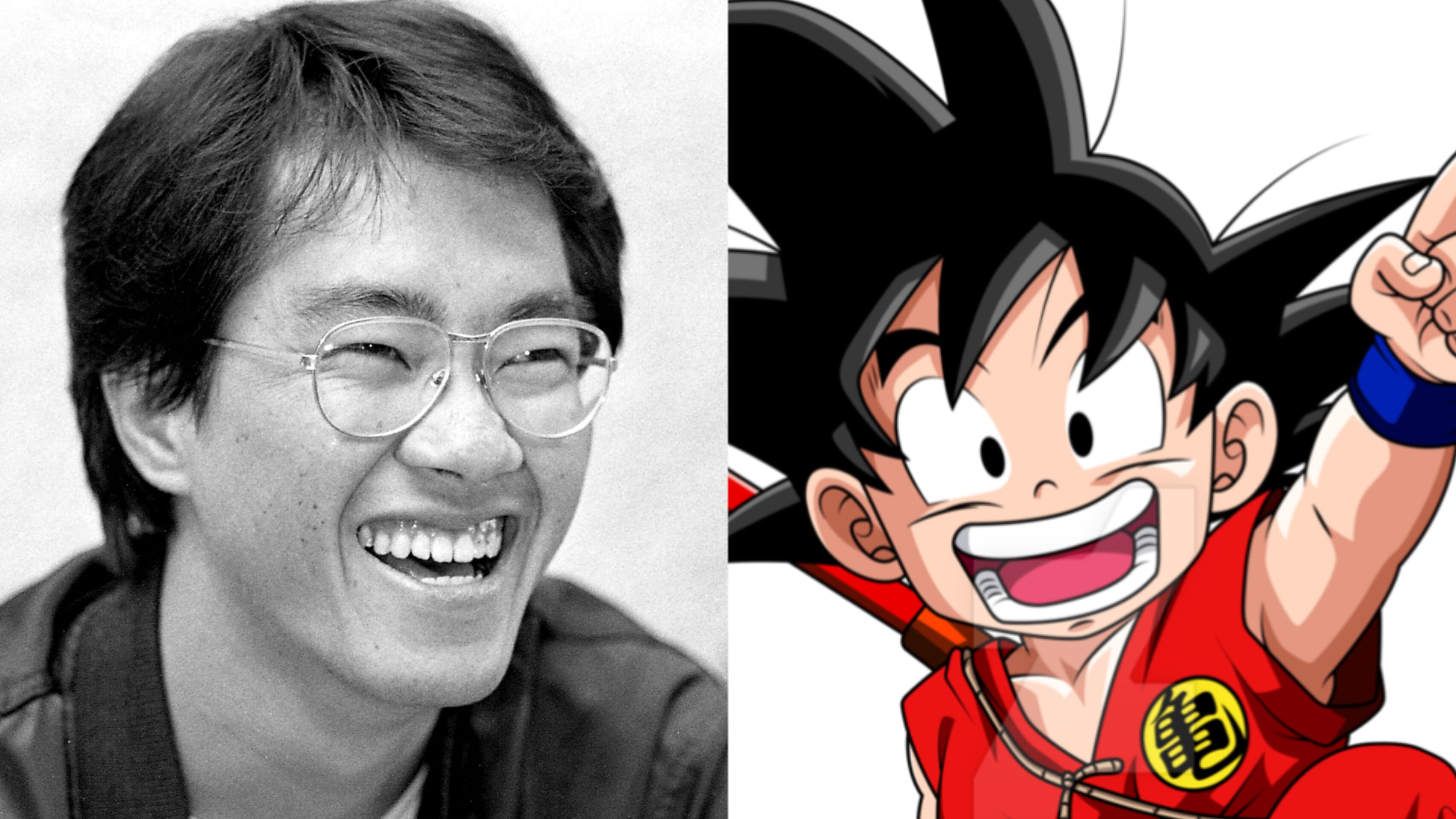
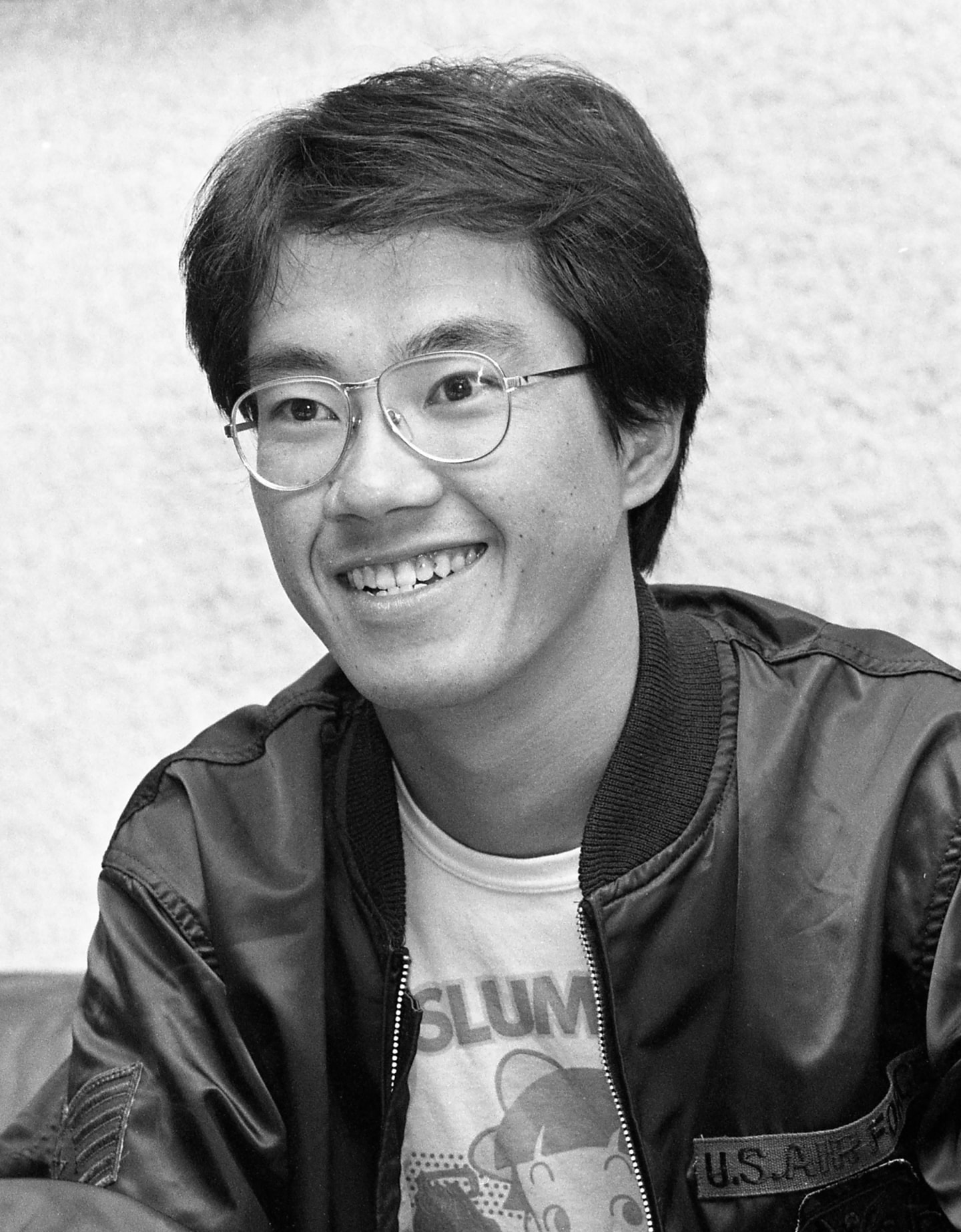
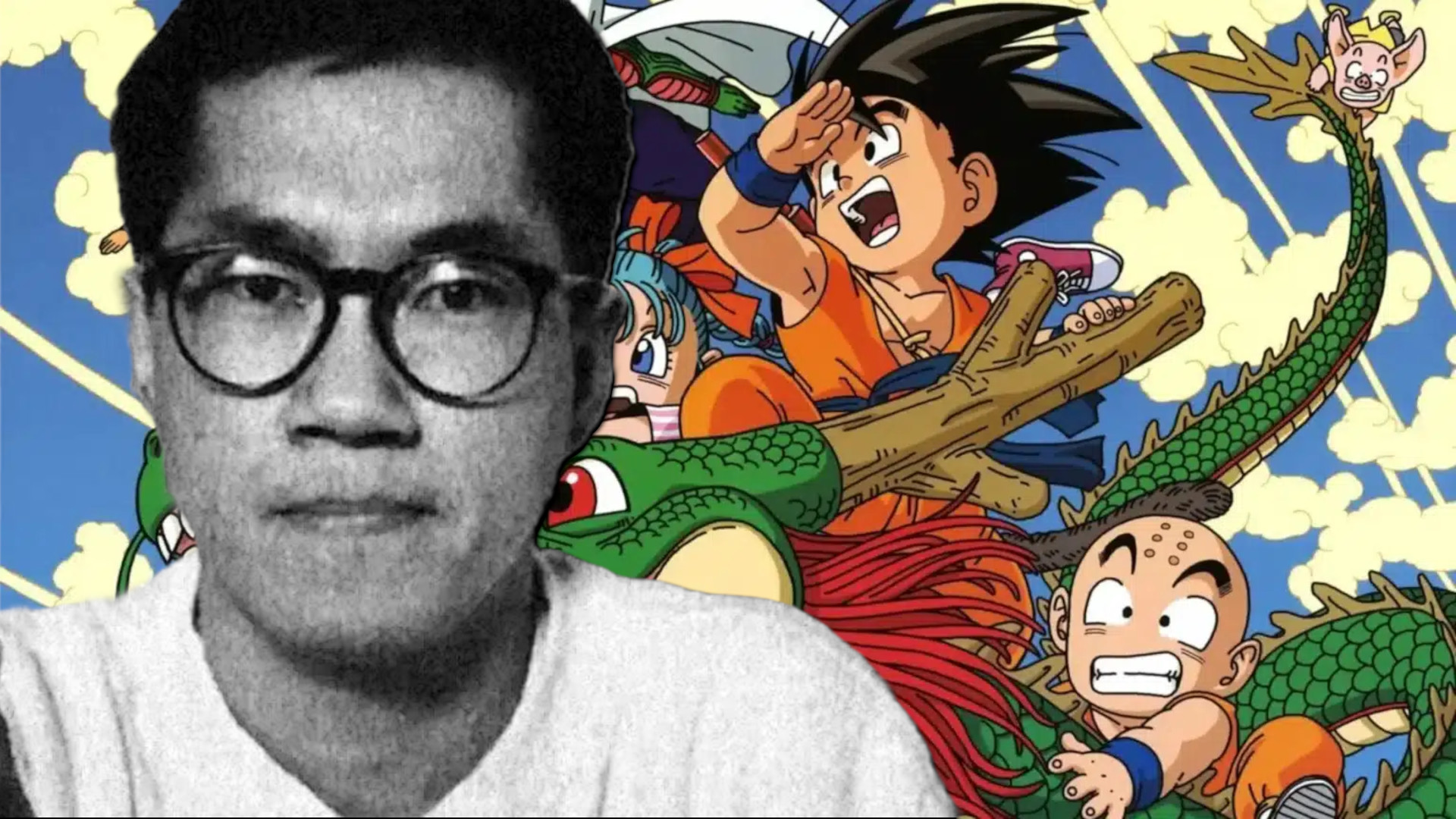
Akira Toriyama (1955–2024) was a legendary Japanese manga artist and character designer whose work, most notably Dragon Ball and Dr. Slump, fundamentally reshaped the landscape of global popular culture. As of 2026, his influence remains the gold standard for the "battle shonen" genre, continuing to inspire millions of artists, filmmakers, and gamers through his unique visual storytelling and iconic character designs.
The Nagoya Roots: From Advertising to the Manga Industry
Born on April 5, 1955, in Nagoya, Aichi Prefecture, Akira Toriyama’s path to becoming the world's most influential mangaka was not linear. Unlike many of his contemporaries who spent their youth as manga assistants, Toriyama initially worked in the advertising industry. After graduating from a technical high school with a focus on design, he spent three years at an advertising agency in Nagoya designing posters. This professional background in graphic design would later become a hallmark of his manga career, characterized by clean lines, balanced compositions, and a masterful understanding of mechanical shapes.
Toriyama entered the manga world almost by chance. After quitting his advertising job, he entered a contest sponsored by Weekly Shonen Jump to win the prize money. While he did not win initially, his talent caught the eye of Kazuhiko Torishima, an editor who would become a pivotal figure in his career. Torishima’s rigorous—and often demanding—editorial guidance forced Toriyama to refine his storytelling, eventually leading to his first major success.
Dr. Slump: The Explosion of Gag Manga
Before the world knew Goku, they knew Arale Norimaki. Serialized from 1980 to 1984, Dr. Slump was a surreal, pun-filled gag manga set in Penguin Village. It followed the adventures of a genius (but clumsy) inventor, Senbei Norimaki, and his powerful robot "daughter," Arale.
The series was a massive hit in Japan, earning Toriyama the Shogakukan Manga Award in 1981. It established several themes that would define his later work:
- The Subversion of Power: Arale, a small girl in glasses, possessed world-shattering strength, a precursor to the power scaling seen in later series.
- Mechanical Precision: Toriyama’s love for vehicles, robots, and gadgets was on full display, rendered with a level of technical detail rarely seen in gag manga.
- Whimsical Humour: The "Toriyama style" of humor—often involving scatological jokes and breaking the fourth wall—became a cultural staple.
By the time Dr. Slump ended, Toriyama was already a household name in Japan, but his next project would transcend national borders and redefine the medium of manga itself.
Dragon Ball: The Creation of a Modern Myth
In 1984, Toriyama began serializing Dragon Ball. Initially conceived as a loose parody of the classic Chinese novel Journey to the West, the story followed a young boy named Son Goku on a quest to collect seven mystical Dragon Balls.
The Shift from Adventure to Battle Shonen
The early chapters of Dragon Ball maintained the whimsical, adventure-focused tone of Dr. Slump. However, under the suggestion of his editor to make the series more "exciting," Toriyama pivoted toward martial arts tournaments and high-stakes combat. This shift gave birth to the modern "battle shonen" archetype.
Key innovations introduced in Dragon Ball include:
- Transformation Mechanics: The introduction of the "Super Saiyan" form in the 1991 battle against Frieza changed action storytelling forever, providing a visual shorthand for character growth and power jumps.
- Training Arcs: The concept of characters literally training to overcome impossible odds became a foundational trope for subsequent series like Naruto and One Piece.
- Redemption Arcs: Former villains like Yamcha, Piccolo, and Vegeta becoming core allies provided a blueprint for complex character development in shonen manga.
Global Cultural Impact
By the mid-1990s, Dragon Ball and its anime adaptation, Dragon Ball Z, had become a global phenomenon. In the United States, Latin America, and Europe, Goku became more than just a character; he was a symbol of perseverance. As of 2026, the franchise remains a multi-billion-dollar entity, encompassing movies, merchandise, and video games that continue to top charts worldwide.
The Architect of Video Game Aesthetics
While his manga credits are his most visible achievements, Toriyama’s contribution to the video game industry is equally significant. His distinctive art style provided the visual identity for some of the most successful RPG franchises in history.
The Dragon Quest Legacy
In 1986, Toriyama was hired to design the characters and monsters for the first Dragon Quest game. His designs—most notably the "Slime"—became the face of the series. Toriyama’s ability to create monsters that were both menacing and charmingly simple allowed the games to appeal to a broad demographic. As of 2026, Dragon Quest remains a pillar of Japanese culture, with Toriyama's character designs serving as the thread of continuity through every mainline entry.
Chrono Trigger and Blue Dragon
Toriyama was a core member of the "Dream Team" (alongside Final Fantasy creator Hironobu Sakaguchi and Dragon Quest creator Yuji Horii) that developed Chrono Trigger in 1995. His character designs for Crono, Lucca, and Frog helped make the game one of the most beloved titles in the history of the medium. He later provided the visual foundation for the Blue Dragon series on the Xbox 360, further cementing his role as a premier game designer.
| Feature/Project | Series: Dr. Slump | Series: Dragon Ball | Series: Dragon Quest |
|---|---|---|---|
| Primary Genre | Gag/Comedy | Action/Adventure | JRPG (Video Game) |
| Active Years | 1980–1984 | 1984–Present (various forms) | 1986–Present |
| Key Protagonist | Arale Norimaki | Son Goku | Various (The Hero) |
| Defining Visual | Penguin Village, Anthropomorphic animals | Super Saiyan transformation, Scouters | The Slime, hand-drawn monster sprites |
| Cultural Impact | Defined 80s comedy manga | Set the standard for global shonen | Established the visual language of RPGs |
Visual Language: Why Toriyama’s Art Works
The "Toriyama style" is instantly recognizable, yet difficult to replicate. His approach to art was deeply rooted in his early training as a graphic designer rather than a traditional fine artist.
Simplification and Readability
One of Toriyama’s greatest strengths was his ability to strip away unnecessary detail to favor "readability." In his fight scenes, the choreography is exceptionally clear. Readers always understand the direction of a punch, the impact of a blast, and the spatial relationship between characters. This clarity is a primary reason why Dragon Ball remains so accessible to international audiences across language barriers.
Mechanical Design and Vehicles
Toriyama was a self-professed "gearhead." He loved motorcycles, planes, and futuristic tanks. His mechanical designs are characterized by rounded, "bubbly" shapes that look both functional and whimsical. This aesthetic, often referred to as "Toriyama-punk," influenced an entire generation of concept artists in the film and gaming industries.
Final Years and the Legacy of Dragon Ball DAIMA
In the decade leading up to his passing in 2024, Toriyama saw a massive resurgence in the Dragon Ball franchise. He took an active role in the development of Dragon Ball Super, providing the character designs and the "plot pillars" for the series' story arcs.
In late 2024, the world saw the release of Dragon Ball DAIMA, a project Toriyama was deeply involved in before his death. DAIMA returned the franchise to its adventure roots, featuring a story where Goku and his friends are turned small. This project served as a poignant final statement for Toriyama, bridging the gap between the whimsical energy of his early career and the grand action of his later years.
The Continuing Influence on the "New Gen"
Akira Toriyama’s influence is woven into the DNA of modern manga. Major creators have openly cited him as their primary inspiration:
- Eiichiro Oda (One Piece): Has frequently stated that Dragon Ball is the reason he became a mangaka.
- Masashi Kishimoto (Naruto): Often notes that the structure of Naruto's battles and character growth was heavily influenced by Goku's journey.
- Tite Kubo (Bleach): Credited Toriyama’s villain designs as a major influence on the creation of the Espada and other antagonists.
As of 2026, the "Toriyama Effect" is visible in how modern shonen manages pacing, power systems, and character archetypes. His work didn't just entertain; it provided a toolkit for how to tell stories that resonate across cultures and generations.
Frequently Asked Questions
What was the cause of Akira Toriyama's death?
Akira Toriyama passed away on March 1, 2024, at the age of 68. The cause of death was an acute subdural hematoma. His passing was met with a global outpouring of grief from fans, fellow artists, and world leaders, highlighting his immense cultural impact.
How much was Akira Toriyama's net worth?
While exact figures are private, Toriyama was consistently ranked as one of the highest-earning manga artists in Japan. Through the massive success of Dragon Ball, Dragon Quest, and his various design royalties, his net worth was estimated to be well over $50 million. Most of his wealth was managed through his personal company, Bird Studio.
Was Akira Toriyama involved in Dragon Ball Super?
Yes, Toriyama was significantly involved in Dragon Ball Super. While he did not draw the manga (which is illustrated by Toyotarou), he wrote the story outlines, designed the new characters (such as Beerus, Whis, and Jiren), and supervised the scripts for the anime and the theatrical films like Dragon Ball Super: Broly and Super Hero.
What is Bird Studio?
Bird Studio is the personal production company founded by Akira Toriyama in the early 1980s. The name is a play on his last name, as "Tori" (鳥) means "bird" in Japanese. The studio handled his professional contracts and assisted with his manga production, ensuring he maintained creative control over his intellectual property.
Exploring the Toriyama Library
For those who have only seen Dragon Ball, exploring Akira Toriyama's broader bibliography is highly recommended to understand his full range as an artist. Start with the short story collection Akira Toriyama's Manga Theater, which showcases his early experimental gag stories. Follow this with Sand Land, a single-volume desert adventure that was recently adapted into a major film and video game. By experiencing these works, readers gain a deeper appreciation for the man who didn't just draw manga but built entire worlds that the rest of us are still living in today.