At the time of his passing in 2024, Akira Toriyama’s personal net worth was estimated between $50 million and $80 million, though his estate's valuation in 2026 has climbed higher due to posthumous royalty surges. While he was one of the wealthiest manga artists in history, he is generally ranked second to One Piece creator Eiichiro Oda in terms of total liquid wealth.
Akira Toriyama was more than just a mangaka; he was a global cultural architect. His primary creation, Dragon Ball, remains the most influential "export" in the history of Japanese media. To understand his net worth in 2026, one must look beyond simple bank balances and examine the structural hierarchy of the Japanese manga industry, the "Taxpayer King" era of the 1980s, and the multi-billion dollar ecosystem that continues to fund his estate through Bird Studio.
The Financial Foundation: From Dr. Slump to Dragon Ball
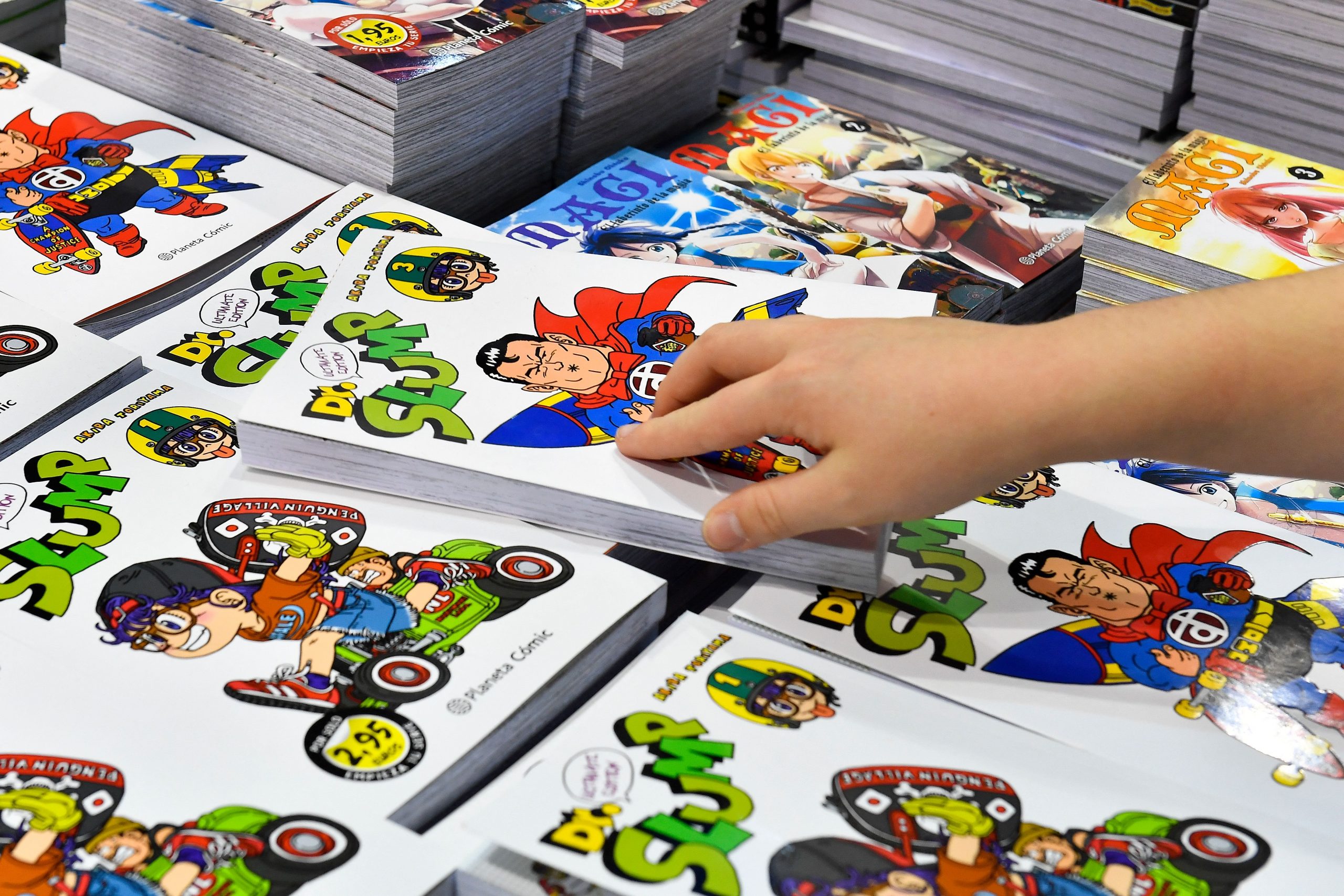
Toriyama’s wealth did not begin with Goku. His first major commercial success was Dr. Slump, serialized in Weekly Shonen Jump starting in 1980. This series was an immediate sensation, earning him the Shogakukan Manga Award and establishing his partnership with Shueisha. By 1981, Toriyama was already topping the "Choja Banzuke"—the official high-taxpayers list published by the Japanese National Tax Agency.
When Dragon Ball launched in 1984, the scale of his earnings shifted from domestic success to global phenomenon. Unlike many modern creators who struggle with predatory contracts, Toriyama’s early dominance allowed him to secure favorable royalty structures. These royalties are split into several streams:
- Tankobon (Collected Volumes) Sales: With over 260 million copies sold worldwide, the per-volume royalty (typically 10%) generated tens of millions of dollars over four decades.
- Anime Licensing: Through Toei Animation, Dragon Ball, Dragon Ball Z, GT, Super, and the 2024/2025 Dragon Ball DAIMA provide continuous licensing fees.
- Character Design: Toriyama’s work on the Dragon Quest video game series and Chrono Trigger earned him flat fees and design royalties that are independent of his manga sales.
The "Taxpayer King" and the Nagoya Legend
In Japan, wealth is often measured by historical tax records. In the 1980s and 1990s, the Japanese government publicly listed the names of the highest taxpayers. Akira Toriyama frequently appeared at the very top of these lists for Aichi Prefecture.
A famous piece of "anime lore" suggests that the city of Nagoya built a special highway—often called the "Toriyama Road"—directly from his house to the airport to ensure he wouldn't move away, as his tax contributions were vital to the local economy. While largely considered an urban legend, the story persists because it reflects the reality of his financial impact. In 1982 alone, he reported an income of approximately 539 million yen (roughly $2.2 million in 1982 USD), which was an astronomical figure for a single artist at the time.
Comparing the Richest Anime Creators in Japan
Determining the "richest" creator in Japan requires a distinction between annual income and cumulative net worth. As of 2026, the landscape of manga wealth is dominated by a few key individuals.
| Creator | Primary Work | Estimated Net Worth (2026) | Primary Revenue Source |
|---|---|---|---|
| Eiichiro Oda | One Piece | $200M - $250M | Ongoing serialization & Netflix Live Action |
| Akira Toriyama | Dragon Ball | $80M - $100M (Estate) | Video games & Global Merchandising |
| Rumiko Takahashi | Inuyasha / Ranma 1/2 | $60M - $70M | Massive back-catalog royalties |
| Masashi Kishimoto | Naruto | $50M - $55M | Licensing and Boruto supervision |
| Gosho Aoyama | Detective Conan | $50M | Annual movie blockbuster revenue |
While Eiichiro Oda holds the top spot due to the sheer volume of One Piece (the best-selling manga of all time) and his active involvement in high-budget Western adaptations, Toriyama’s estate remains more "passive." Toriyama famously stepped back from drawing manga full-time in the late 90s, focusing on character designs and scripts. This allowed him to maintain a high net worth with significantly less labor than his peers.
Bird Studio and the Business of Intellectual Property
The majority of Toriyama’s business dealings were handled through Bird Studio, his personal production entity. Establishing a studio is a standard move for high-earning mangaka to manage taxes and employ assistants. However, Bird Studio became a powerhouse for IP management.
By the 2020s, the Dragon Ball franchise was generating over $1 billion in annual revenue for Bandai Namco and Toei Animation. While the creator does not receive the "lion's share" of these billions—most goes to the publishers and toy manufacturers—the percentage that trickles back to Bird Studio is substantial. In 2026, the "post-Toriyama" era of the franchise is managed with a focus on preserving the brand's integrity, ensuring that the estate continues to receive royalties from mobile games like Dragon Ball Z Dokkan Battle and console hits like Dragon Ball: Sparking! ZERO.
The Impact of Video Game Royalties
One factor that sets Toriyama’s net worth apart from other mangaka is his inextricable link to the video game industry. He was the lead character designer for the Dragon Quest series, which is a national institution in Japan.
Every time a new Dragon Quest game or spin-off is released, the estate earns a design royalty. Because Toriyama’s art style is the "face" of the franchise, his involvement was a prerequisite for the series' brand identity. This diversification protected his wealth during periods when Dragon Ball was not actively airing new episodes. As of 2026, with the continued success of Dragon Quest XII and various remakes, these gaming royalties represent a significant portion of the estate's annual intake.
Inheritance and the High Cost of Wealth in Japan
A critical but often overlooked aspect of the "richest in Japan" discussion is the Japanese inheritance tax. Japan has one of the highest inheritance tax rates in the world, reaching up to 55% for estates exceeding 600 million yen.
Following Toriyama's death in 2024, his estate would have been subject to these rigorous tax laws. This often leads to a "paper" reduction in net worth as assets are liquidated or restructured to pay the tax bill. Despite this, the sheer volume of incoming royalties from global syndication ensures that the Toriyama family remains among the wealthiest creative dynasties in the country.
The 2026 Outlook: Posthumous Brand Growth
The death of a creator often leads to a "legacy surge" in sales. In the years following 2024, sales of Dragon Ball manga sets, limited edition art books, and commemorative merchandise saw a double-digit percentage increase.
Furthermore, the launch of Dragon Ball DAIMA in late 2024 and its subsequent global streaming success through 2025 and 2026 has introduced the brand to a new generation of consumers. In the modern "subscription economy," every view on platforms like Crunchyroll or Netflix contributes to the residual wealth of the estate.
Frequently Asked Questions
Was Akira Toriyama a billionaire?
No. While the Dragon Ball franchise is worth billions, the creator’s personal wealth never reached billionaire status. In the Japanese manga industry, the majority of franchise revenue is captured by corporate entities like Shueisha (publisher), Toei Animation (production), and Bandai Namco (merchandise/games).
Who is the richest manga artist currently alive?
As of 2026, Eiichiro Oda is widely considered the wealthiest living manga artist. His net worth is bolstered by the continuous serialization of One Piece, which has surpassed 500 million copies in circulation, and the massive success of the live-action adaptation on Netflix.
How much did Akira Toriyama make from Dragon Ball Sparking! ZERO?
While exact contract details are private, creators typically receive a licensing fee and a small percentage of net sales (royalties). Given that the Sparking! (Budokai Tenkaichi) series is a multi-million unit seller, these royalties likely contribute several million dollars annually to his estate.
Did Toriyama own the rights to Dragon Ball?
He owned the copyright to the original manga and characters, but the trademark and distribution rights are shared with Shueisha and Toei Animation. This shared ownership model is why creators can be wealthy but do not own the entire multi-billion dollar "pie."
How did his net worth compare to Western comic creators?
Toriyama’s wealth was significantly higher than most Western comic creators like Stan Lee or Jack Kirby, who often worked under "work-for-hire" contracts. Japanese mangaka generally retain much better royalty rights over their creations compared to their American counterparts in the mid-20th century.
Preserving the Toriyama Legacy
For fans and investors looking at the business of anime, the primary takeaway regarding Akira Toriyama’s net worth is its sustainability. Unlike creators whose wealth is tied to a single "hype" cycle, Toriyama built an IP that functions as a blue-chip asset.
The most practical way to observe the continued growth of this estate is to monitor the financial reports of Bandai Namco Holdings. Dragon Ball consistently ranks as their #1 or #2 "IP by Franchise" revenue earner. As long as the "Goku brand" remains a pillar of global entertainment, Akira Toriyama’s estate will remain at the pinnacle of the Japanese media wealth rankings, cementing his status as one of the most financially successful artists to ever live.