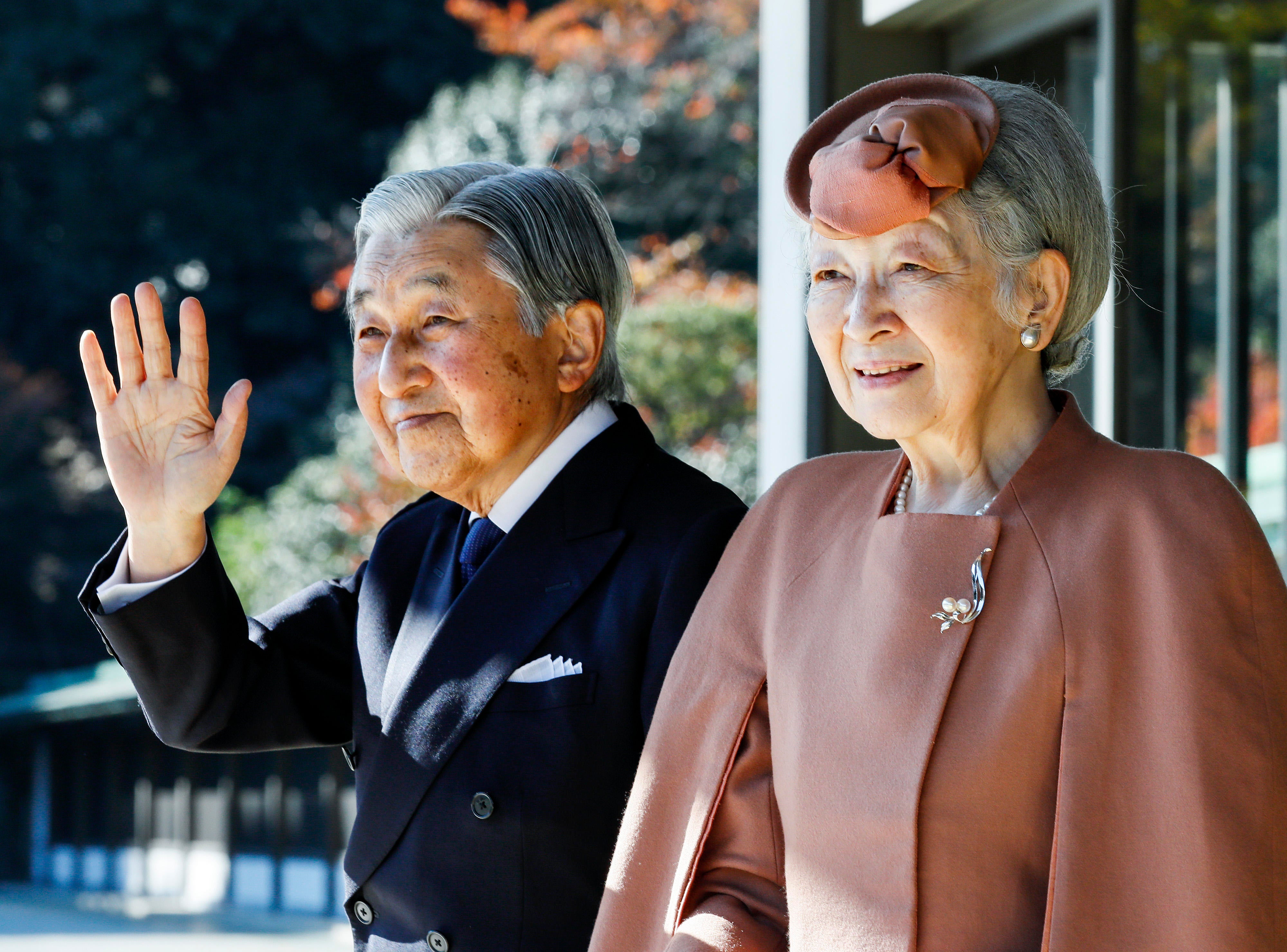
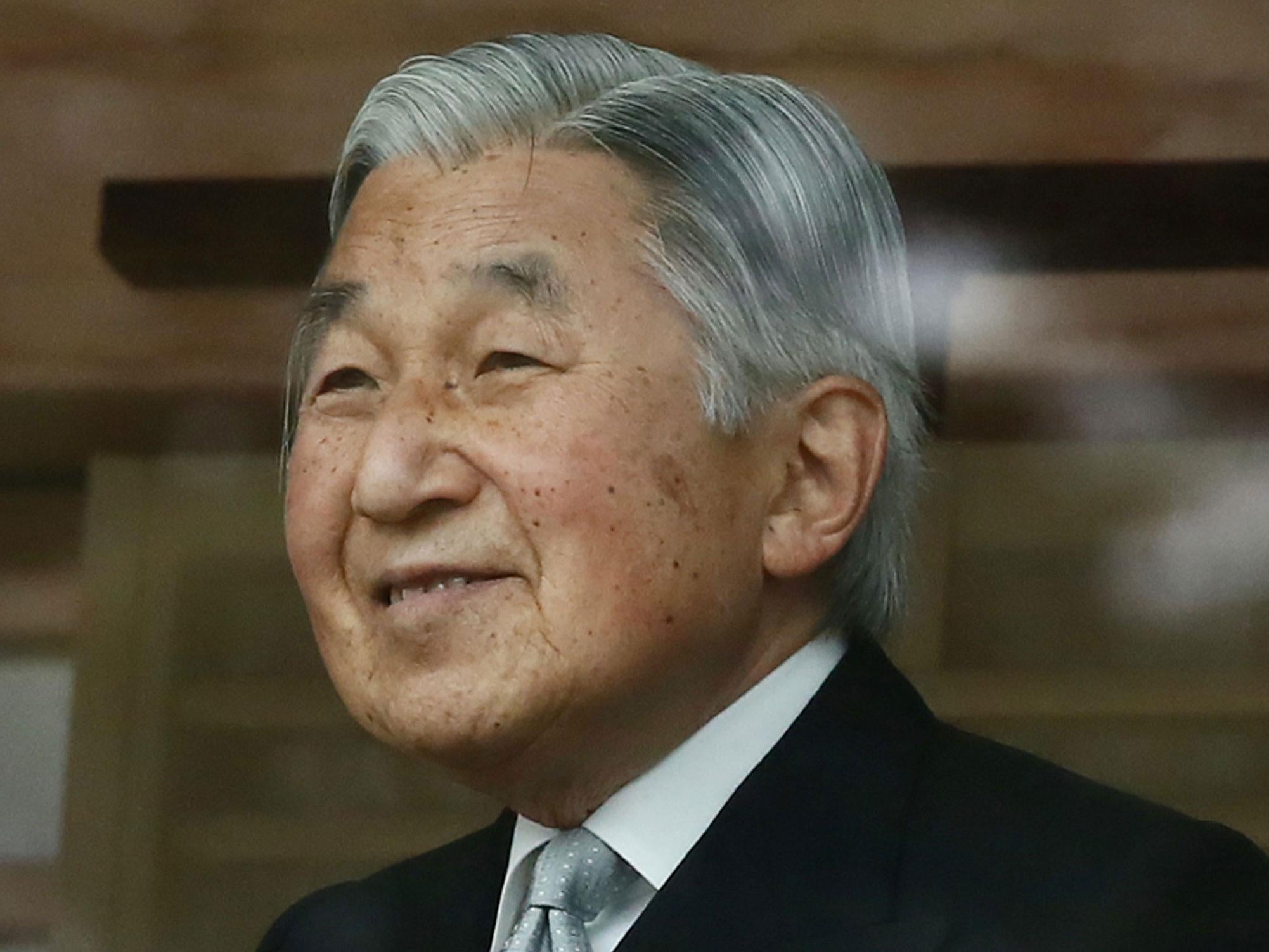
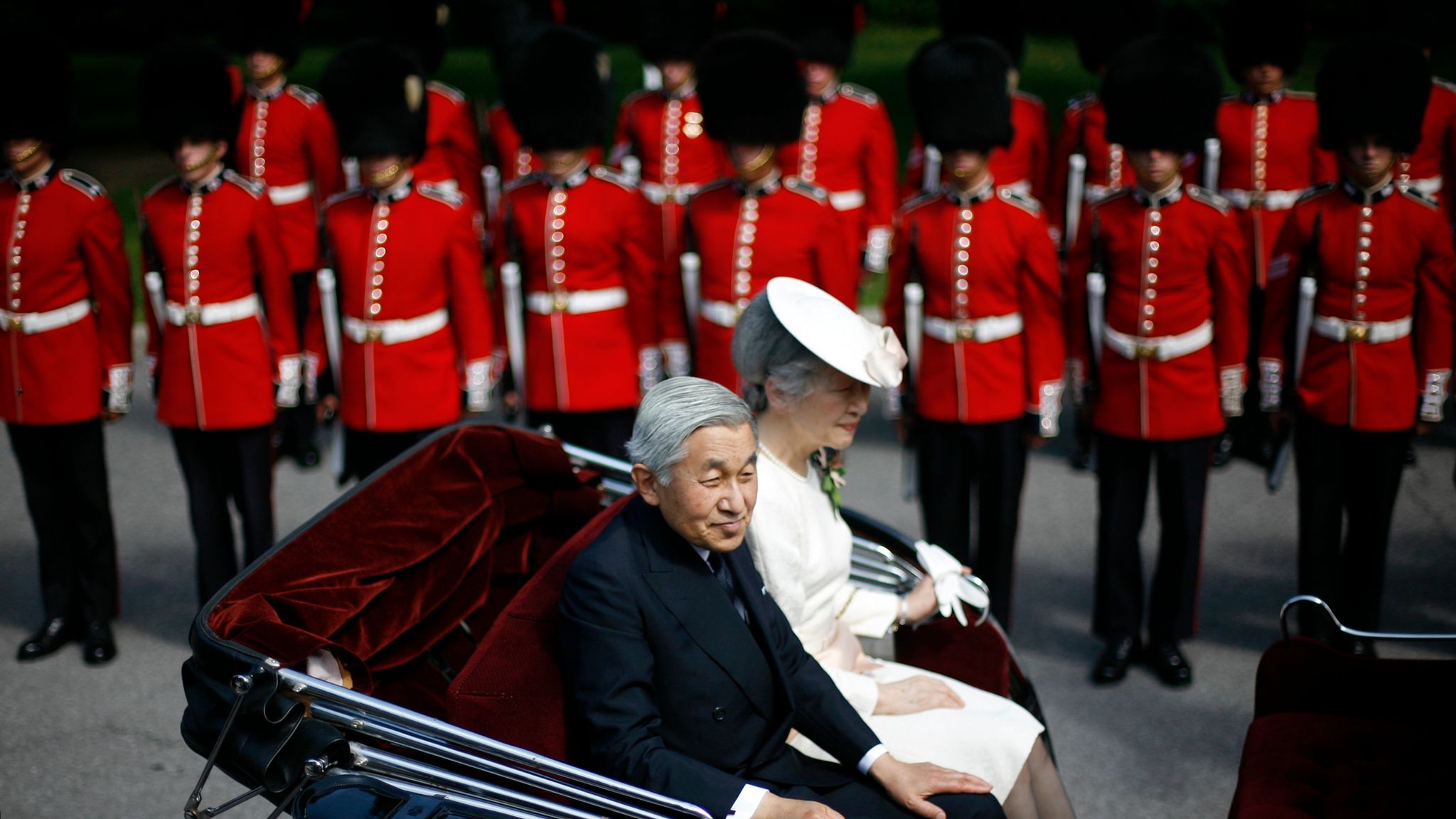
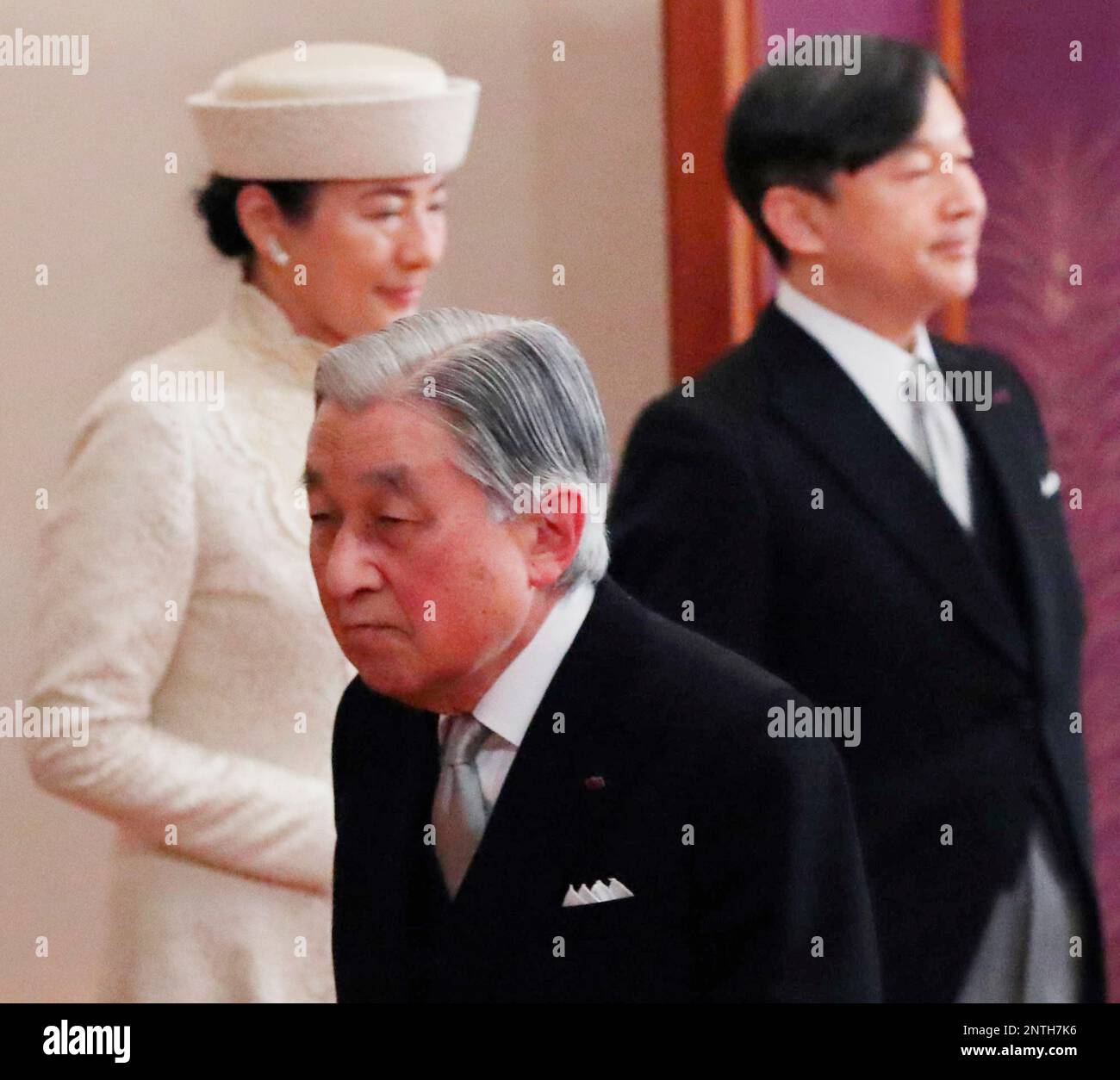
The abdication of Emperor Akihito on April 30, 2019, was a transformative moment in Japanese history, marking the first time a Japanese monarch had stepped down in 202 years. This historic transition ended the Heisei era and initiated the Reiwa era under Emperor Naruhito, redefining the throne’s role for the 21st century.
Emperor Akihito’s decision to abdicate was not merely a personal choice based on advancing age and declining health; it was a carefully choreographed legal and cultural event that forced the Japanese government to confront the rigidity of the Imperial Household Law. In the years since the transition, the meaning of this "historic passing" of the baton has become clearer, reflecting a modernization of the monarchy and a deeper connection between the "Symbol of the State" and the Japanese people.
The Legal Catalyst: Challenging the Imperial Household Law
To understand the magnitude of Akihito's abdication, one must first look at the legal constraints that governed the Chrysanthemum Throne. Under the 1947 Imperial Household Law, there was no provision for abdication. The law assumed that an Emperor would serve until death, a protocol designed in part to prevent political factions from forcing a monarch to step down prematurely.
In August 2016, Emperor Akihito took the extraordinary step of addressing the nation via a televised video message. While he avoided the politically charged word "abdication" to respect his constitutional limits, he expressed concern that his age and health would make it difficult to carry out his duties as the "symbol of the state" with full vigor.
This message put the Japanese government, then led by Prime Minister Shinzo Abe, in a complex position. To honor the Emperor's wishes, the Diet had to craft a piece of "one-time-only" legislation—the Special Measures Law regarding the Abdication of the Emperor. This avoided a permanent change to the Imperial Household Law, which might have opened a "Pandora's box" of debates regarding female succession or the status of imperial branches.
Defining the Heisei Era: A Legacy of Peace and Empathy
The term "Heisei" (平成), the era name for Akihito’s reign, translates to "achieving peace." Looking back from 2026, historians view his 30-year reign as a dedicated effort to live up to that name. Akihito was the first Japanese Emperor to take the throne under the post-war constitution, which stripped the monarch of divine status and political power, defining him instead as a symbol.
Akihito’s meaning to the Japanese people was forged through his active interpretation of this symbolic role. Unlike his father, Hirohito, who was a more distant and formal figure, Akihito and Empress Michiko practiced a "people-oriented" monarchy. They were famously seen kneeling on the floor to speak with victims of natural disasters, such as the 2011 Great East Japan Earthquake and Tsunami. This "consoling of souls" became a hallmark of the Heisei era.
Furthermore, Akihito used his platform to address the scars of World War II. He traveled to former battlefields in the Pacific—Saipan, Palau, and the Philippines—to offer prayers for the dead of all nationalities. His "historic passing" of the throne was, in many ways, the culmination of a lifelong mission to reconcile Japan’s imperial past with its democratic present.
The Rituals of Transition: From Heisei to Reiwa
The abdication process involved a series of ancient and solemn rituals that bridge Japan’s Shinto traditions with modern statecraft. The transition was not a single event but a months-long progression of ceremonies.
The primary ceremony, the Taiirei-seido-no-gi (Ceremony of the Abdication of the Emperor), took place in the Matsu-no-Ma (State Room) of the Imperial Palace. In a brief but poignant speech, Akihito thanked the people for their support and expressed his hope for a peaceful future. This was followed the next day by the Kenji-to-承ke-no-gi, where Emperor Naruhito inherited the Imperial Regalia—the sword, the jewel, and the mirrors—symbolizing the continuity of the sun goddess Amaterasu’s lineage.
Key Milestones of the Imperial Transition
| Event | Date | Significance |
|---|---|---|
| Emperor's Video Message | August 8, 2016 | Public expression of the desire to abdicate. |
| Special Legislation Passed | June 9, 2017 | Legal framework created for a one-time abdication. |
| Taiirei-seido-no-gi | April 30, 2019 | Official abdication ceremony for Emperor Akihito. |
| Accession of Naruhito | May 1, 2019 | Beginning of the Reiwa Era (Beautiful Harmony). |
| Sokuirei-Seiden-no-Gi | October 22, 2019 | Formal enthronement ceremony attended by global leaders. |
The Meaning of "Jōkō": The Status of Emperor Emeritus in 2026
Following his abdication, Akihito assumed the title of Jōkō (Emperor Emeritus). This title had not been used in over two centuries. The establishment of this role was a critical part of the abdication's meaning, as it allowed for a dignified retirement without creating a dual-power dynamic within the Imperial Palace.
In 2026, the status of the Emperor Emeritus remains one of quiet reflection. Akihito and Michiko moved to the Sentō Imperial Palace after a period of residence at the Takanawa Imperial Residence. Their lives are now focused on private research—Akihito continues his lifelong study of goby fish—and supporting the current Emperor from a distance. The success of this transition proved that the Japanese monarchy could adapt to the realities of human longevity and the need for a "living retirement."
Societal Impact: How the Abdication Changed Japan
The meaning of the abdication extends far beyond the palace walls. It triggered a massive cultural and economic shift across Japan. The transition from Heisei to Reiwa was celebrated as a "festive" occasion, a stark contrast to the mourning that typically accompanies the death of a monarch.
- Gengo and Digital Systems: The change of the era name (Gengo) required a massive overhaul of computer software, calendars, and government documents. Unlike the 1989 transition, which was sudden and somber, the 2019 abdication allowed for a planned transition, giving IT departments and businesses time to prepare.
- National Reflection: The years leading up to the abdication sparked a nationwide conversation about the future of the monarchy. It raised awareness of the shrinking size of the Imperial Family and the potential necessity of allowing female members to remain in the family after marriage or even ascend to the throne.
- Modernizing the Symbol: By choosing to step down, Akihito humanized the throne. He signaled that the Emperor is not an eternal entity but a human being who experiences the same frailties of age as his subjects. This strengthened the bond between the throne and a modern, democratic society.
The Succession Crisis: Unresolved Meaning
While the abdication was a success in terms of logistics and public sentiment, it highlighted an ongoing challenge for the Imperial Household. As of 2026, the line of succession remains dangerously thin. With the abdication of Akihito and the ascension of Naruhito, the only remaining heirs are Crown Prince Akishino (Naruhito's brother) and Prince Hisahito (Akishino's son).
The abdication forced the government to promise a debate on stable imperial succession, but significant changes have yet to be codified into law. The "meaning" of Akihito's departure includes a silent warning: the current system, while historically resilient, requires further modernization to ensure its survival in a world where the number of imperial members is rapidly declining.
Common Questions Regarding the Abdication
Why did Emperor Akihito choose to abdicate instead of ruling until death?
The Emperor expressed concerns that his declining physical strength would prevent him from fulfilling his duties as the "symbol of the state" with the required dedication. He felt that a monarch who cannot actively perform ceremonies and visit the people might diminish the role’s importance to the nation.
How did the Reiwa era get its name?
The name "Reiwa" (令和) is derived from the Man'yōshū, the oldest existing collection of Japanese poetry. It signifies "Beautiful Harmony" and was the first era name to be taken from Japanese literature rather than Chinese classics, emphasizing a sense of national identity and renewal.
Is the abdication law permanent for future Emperors?
No, the law passed in 2017 was a "Special Measures Law" specifically designed for Emperor Akihito. For Emperor Naruhito or his successors to abdicate in the future, the Diet would either need to pass a new special law or permanently amend the Imperial Household Law.
What is the difference between an Emperor and an Emperor Emeritus?
The Emperor is the active head of the Imperial Family and the constitutional symbol of Japan, performing all official state duties and Shinto rituals. The Emperor Emeritus (Jōkō) is retired; he holds no official state responsibilities and does not attend the same level of public functions, allowing the current Emperor to be the sole focus of national symbolism.
Did the abdication affect Japan's international relations?
The transition was viewed internationally as a sign of Japan’s stability and modernization. The enthronement of Emperor Naruhito in October 2019 was attended by representatives from nearly 200 countries, reinforcing Japan's diplomatic ties and showcasing the country's unique blend of ancient tradition and modern democracy.
Further Exploration of Japanese Imperial History
For those looking to understand the deeper implications of the abdication, visiting the Imperial Palace East Gardens in Tokyo or the Kyoto Imperial Palace provides a tangible sense of the historical continuity of the throne. Engaging with the official records provided by the Imperial Household Agency (Kunaicho) can offer primary-source insights into the speeches and rituals that defined this transition. Understanding the abdication is essential for anyone studying Japanese politics, as it remains the most significant shift in the country's institutional framework since the end of the Second World War.