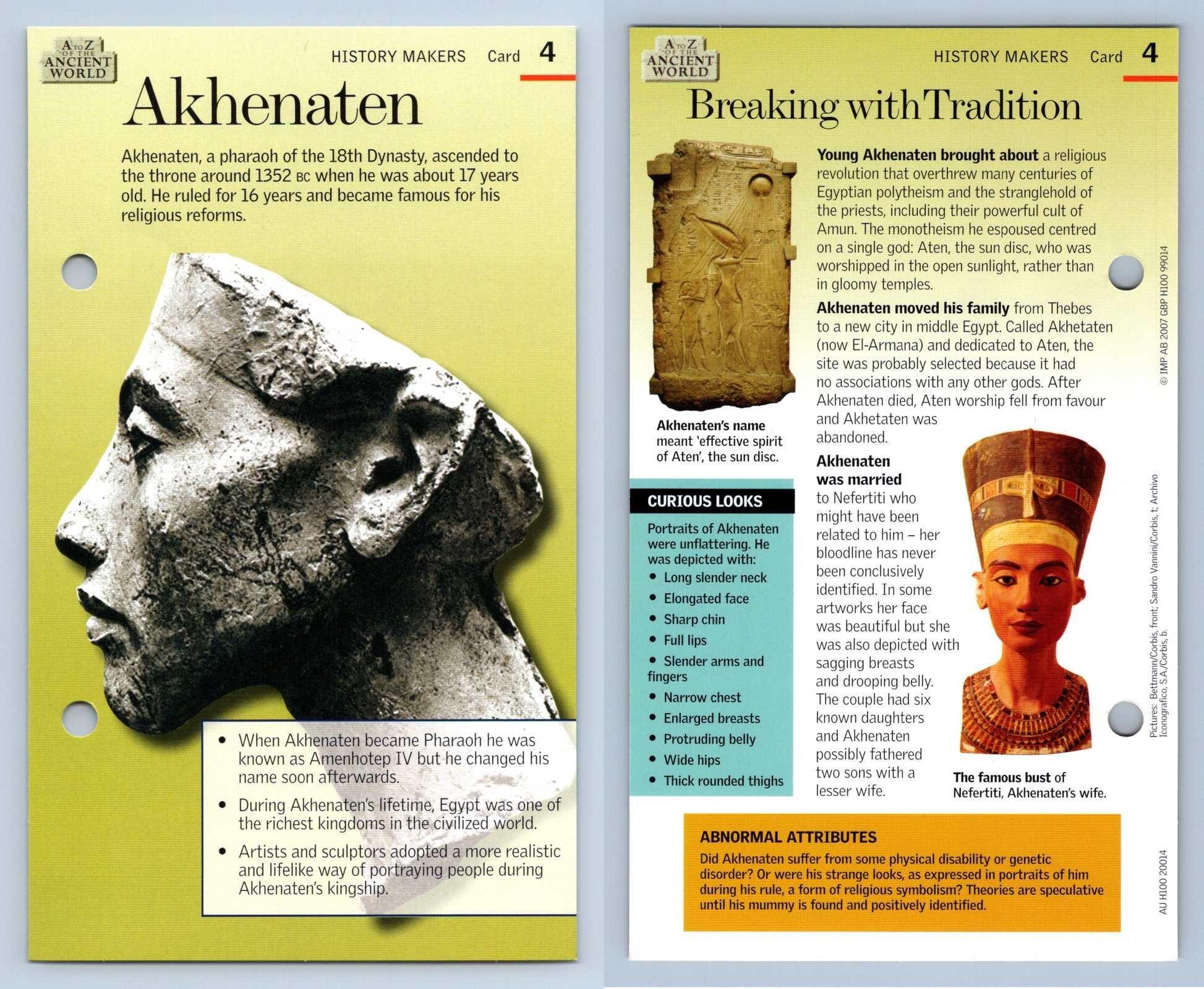
Calculating the net worth of Pharaoh Akhenaten in 2026 terms requires evaluating the 18th Dynasty’s total control over the Nile’s agricultural output and the world’s largest gold reserves. Historically, Akhenaten’s personal and state-controlled wealth is estimated to be the equivalent of $1.5 trillion to $2 trillion USD, placing him among the wealthiest individuals to ever exist.
The Economic Foundation of the 18th Dynasty
To understand the sheer magnitude of Akhenaten’s wealth, one must look at the state of Egypt upon his ascension. Akhenaten (originally Amenhotep IV) inherited an empire at its absolute zenith. His father, Amenhotep III, is frequently cited by historians as one of the most successful "CEO-Pharaohs" in history, presiding over an era of unprecedented peace and international trade. By the time Akhenaten took the throne around 1353 BC, the Egyptian treasury was overflowing with tribute from the Levant and gold from the mines of Kush (Nubia).
The wealth of a Pharaoh was not merely personal "cash" but the total ownership of the land and its people. Under the Egyptian system, the Pharaoh was the divine proprietor of all property. The "net worth" of Akhenaten, therefore, included the entirety of the Egyptian GDP, which, during the mid-14th century BC, represented a massive percentage of the known world’s economic activity. In 2026, where we value assets based on commodity scarcity and production capacity, the 18th Dynasty’s monopoly on gold and grain creates a valuation that rivals or exceeds modern tech moguls and sovereign wealth funds.
The Gold of Nubia: The Primary Engine of Wealth
The most tangible component of Akhenaten’s hidden wealth was gold. During the Amarna Period, Egypt was the primary supplier of gold to the Mediterranean and Near Eastern worlds. This wasn't just decorative; it was the primary tool of international diplomacy. The "Amarna Letters"—a collection of diplomatic correspondence found at Akhenaten’s capital—reveal that neighboring kings from Babylon, Assyria, and Mitanni constantly begged Akhenaten for gold, stating that in Egypt, "gold is as plentiful as dust."
Egypt’s gold came primarily from the Eastern Desert and the conquered territories of Nubia. The state-run mining operations were massive logistical undertakings, involving thousands of laborers and military protection. Unlike modern economies where gold is a speculative asset, for Akhenaten, it was a direct commodity of power. He used this wealth to subsidize foreign allies and secure the borders of his empire without the need for constant military intervention, at least in the early years of his reign.
The Great Redistribution: Seizing the Wealth of Amun
One of the most controversial aspects of Akhenaten’s "net worth" involves his religious revolution. When he shifted Egypt from the polytheistic worship of Amun and other gods to the monotheistic worship of the Aten (the sun disk), he did more than change theology; he executed one of the largest transfers of wealth in human history.
Before Akhenaten, the Priesthood of Amun at Thebes was arguably wealthier than the Pharaoh himself. They owned vast tracts of the most fertile farmland, thousands of cattle, and dozens of ships. By closing the temples of the old gods and redirecting their tithes and assets to the cult of the Aten—of which he was the sole intermediary—Akhenaten effectively nationalized the priesthood’s private wealth. This "hidden wealth" was redirected to build his new capital, Akhetaten (modern Amarna), and to reward a new class of officials who were loyal to him rather than the old religious establishment.
Building Akhetaten: A Billion-Dollar City from Scratch
The construction of the city of Akhetaten serves as the ultimate evidence of Akhenaten’s liquidity. Within a period of roughly 10 to 15 years, he commissioned the building of a functional capital city in a previously desolate stretch of the desert. This was the ancient equivalent of a multi-billion dollar "giga-project" in 2026 terms.
The city featured massive temples (The Great Aten Temple), palaces for the royal family, administrative buildings, and villas for the elite. Because the city was built in a hurry, it utilized "talatat" blocks—smaller, standardized stones that allowed for rapid construction. The investment in labor, materials, and the logistics of feeding a city in the middle of the desert was a testament to the Pharaoh’s bottomless resources. However, this massive expenditure also had an inflationary effect on the Egyptian economy, as resources were diverted from traditional infrastructure to a vanity project that would be abandoned shortly after his death.
Comparative Wealth: Akhenaten vs. Other Historical Giants
When evaluating if Akhenaten was the "richest Pharaoh," we must compare him to his predecessors and successors. While Ramses II (The Great) built more monuments, his era was characterized by expensive warfare. Akhenaten’s wealth was more concentrated and liquid due to the long period of peace preceding him.
| Criteria | Amenhotep III (Father) | Akhenaten | Tutankhamun (Son) | Ramses II |
|---|---|---|---|---|
| Primary Wealth Source | Trade & Imperial Tribute | Nationalized Temple Assets | Inherited (Diminished) | Conquest & Taxes |
| Gold Reserves | Extremely High | Peak (Consolidated) | High (Buried) | Moderate (War-spent) |
| Economic Stability | High | Volatile | Recovering | Stable |
| Est. Net Worth (2026 USD) | $1.8 Trillion | $1.5 - $2.0 Trillion | $0.5 Trillion | $1.2 Trillion |
The table above illustrates that while Akhenaten’s father built the foundation, Akhenaten’s seizure of the priesthood’s assets likely gave him the highest level of personal control over the state's total wealth.
The Mystery of the "Hidden Wealth": Where Did It Go?
The concept of "hidden wealth" regarding Akhenaten often refers to the disappearance of his treasures after his death. Unlike Tutankhamun, whose tomb (KV62) was found largely intact, Akhenaten’s original tomb in the Amarna desert was desecrated and looted in antiquity. When the "heretic king" died, the subsequent pharaohs—specifically Horemheb and the early 19th Dynasty—sought to erase his name from history (damnatio memoriae).
Archaeologists believe that much of Akhenaten’s wealth was not "lost" but recycled. The gold and precious stones that adorned his palaces and temples were likely stripped and repurposed for the tombs and monuments of his successors. Some theories suggest that the famous treasures of Tutankhamun were actually repurposed items from Akhenaten or Nefertiti’s reign. The true "hidden wealth" of Akhenaten lies in the sheer volume of gold that was filtered back into the Egyptian economy during the Restoration Period, fueling the grandeur of the later New Kingdom.
Identifying the Hidden Valuables: Art and Commodities
Beyond gold and land, Akhenaten’s wealth was manifested in "high-value" commodities that are difficult to price but represent immense status. These included:
- Lapis Lazuli: Imported from as far as modern-day Afghanistan, this deep blue stone was more valuable than gold.
- Incense and Myrrh: Massive quantities were burned in the Aten temples, representing a "burnt offering" of thousands of dollars per day in modern valuation.
- Chariot Technology: The "supercars" of the 14th century BC. Akhenaten maintained a massive fleet of high-tech chariots made from imported woods and leather.
- Glass and Faience: Amarna was a center for glassmaking, a cutting-edge industry at the time that produced luxury goods for the royal court.
FAQ
Was Akhenaten richer than Mansa Musa?
Mansa Musa of Mali is often called the richest person in history with an estimated $400 billion. However, if you calculate a Pharaoh’s wealth as the total ownership of the Egyptian state (land, people, and resources), Akhenaten’s valuation of $1.5 trillion to $2 trillion would technically exceed that of Mansa Musa.
Where is Akhenaten's treasure today?
Most of it was recycled by later Pharaohs or stolen by tomb robbers thousands of years ago. Some artifacts from the Amarna period, such as the Nefertiti Bust and various reliefs, are held in museums like the Neues Museum in Berlin and the Egyptian Museum in Cairo, but these represent only a fraction of his original wealth.
How did Akhenaten's wealth impact his downfall?
His concentration of wealth and power caused deep resentment among the disenfranchised Priesthood of Amun and the military elite. By redirecting the economy toward a single god (and himself), he created a fragile system that collapsed once his strong personal leadership was gone.
Did Nefertiti have her own net worth?
As Great Royal Wife, Nefertiti held immense power and likely managed her own estates and palaces. Some Egyptologists believe she reigned as a co-pharaoh or successor (Neferneferuaten), which would have given her direct control over the royal treasury.
Is there still "hidden wealth" to be found in Amarna?
While the city was thoroughly searched, modern non-invasive scanning technology continues to find sub-surface structures. It is unlikely that a massive "hoard" of gold remains, but archaeological "wealth"—in the form of records and daily life artifacts—is still being uncovered.
Strategic Perspective on Historical Wealth Valuation
When assessing the net worth of a figure like Akhenaten in 2026, it is essential to look past the "clickbait" numbers and understand the purchasing power parity of the ancient world. Akhenaten's wealth was significant because it was absolute. Unlike a modern billionaire whose wealth is tied to stock market fluctuations, a Pharaoh's wealth was physical: grain that could feed millions and gold that could buy the loyalty of entire nations.
For those researching Akhenaten's economic legacy, the primary takeaway should be the transition from decentralized temple wealth to a centralized "Sun State" economy. While this consolidation made him arguably the richest man on Earth, it also made his legacy a target for those he dispossessed. The study of his wealth is not just a study of gold, but a study of how economic power can be used to fuel a social and religious revolution—and the risks inherent in such a massive redistribution of capital.