Akebono Taro, born Chad George Ha’aheo Rowan, was the first foreign-born wrestler to reach the rank of Yokozuna, the highest level in professional sumo. His career, defined by a massive physical presence and a fierce rivalry with Takanohana, modernized the sport and solidified the role of international athletes in Japan’s national tradition.
The Rise of Chad Rowan: From Waimanalo to the Dohyo
The story of Akebono begins far from the clay rings of Tokyo. Born in 1969 in Waimanalo, Hawaii, Chad Rowan was a standout basketball player with a towering frame. His journey into sumo was not a foregone conclusion but rather a leap of faith orchestrated by another Hawaiian pioneer, Takamiyama (Jesse Kuhaulua). Takamiyama, the first foreigner to win a top-division championship, saw in Rowan the physical tools necessary to dominate the Makuuchi (top) division.
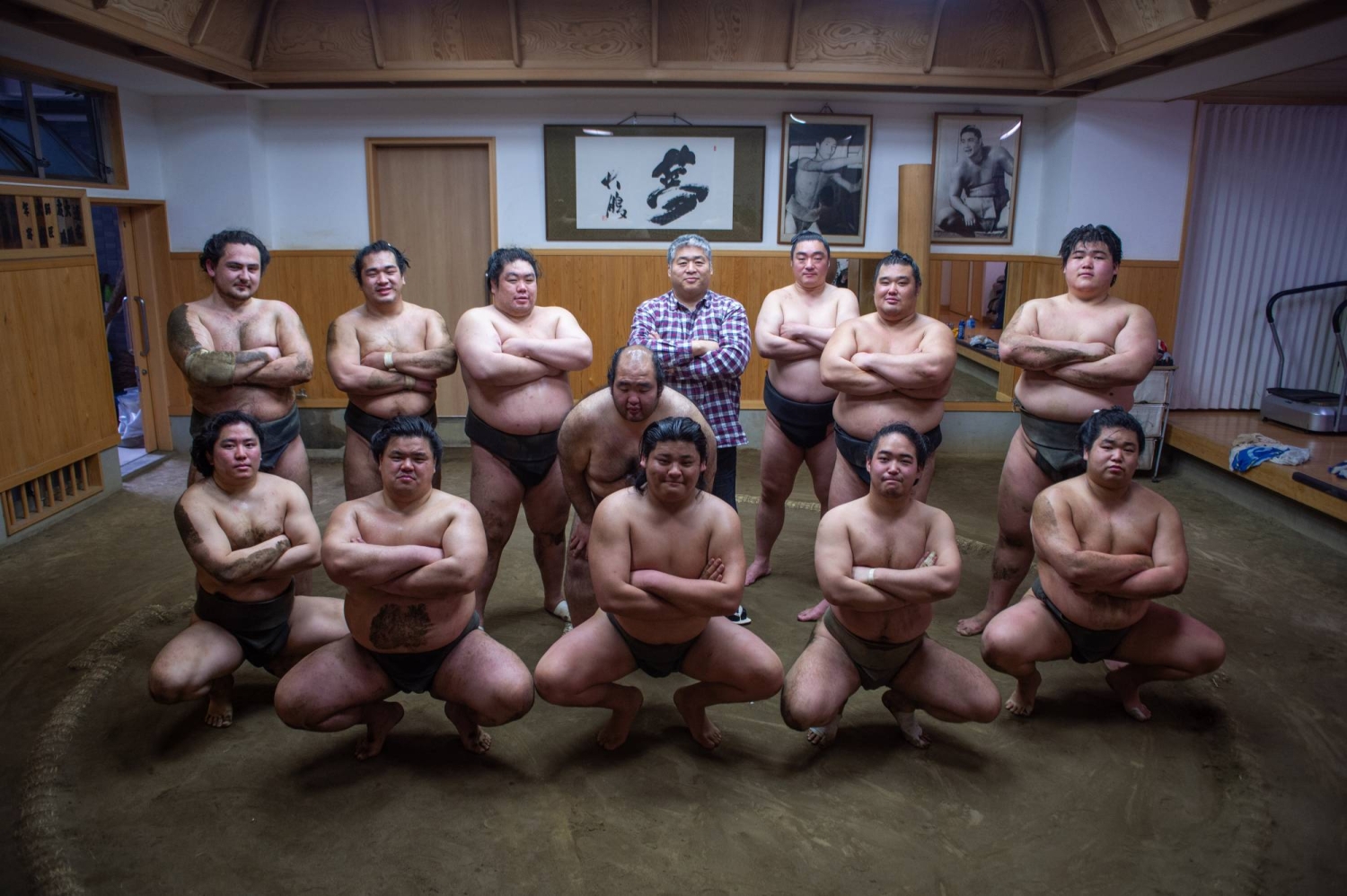
Upon arriving in Japan in 1988, Rowan joined the Azumane stable. The transition was notoriously difficult. Beyond the grueling physical demands of sumo—the 4:00 AM starts, the bone-chilling cold of winter training, and the repetitive shiko (leg stomps)—there was the immense cultural barrier. Rowan had to learn the Japanese language, the intricate etiquette of the heya (stable) life, and the spiritual gravity of a sport inextricably linked to Shintoism.
His rise through the ranks was meteoric. Blessed with a 203 cm (6’8”) frame and a weight that eventually topped 230 kg (over 500 lbs), he possessed a reach that few could counter. He made his professional debut in March 1988, reaching the elite Makuuchi division by September 1990. By then, he had adopted the shikona (professional name) Akebono, meaning "Dawn," a name that would prove prophetic for the new era he was about to usher in.
Technical Dominance: The Power of Tsuki-Oshi
Akebono’s dominance was built on a specific tactical approach known as tsuki-oshi (thrusting and pushing). Unlike many of his contemporaries who preferred yotsu-sumo (grasping the opponent's belt or mawashi), Akebono utilized his immense wingspan to keep opponents at a distance.
His primary weapon was the nodowa, a thrust to the throat that could lift even the heaviest opponents off their feet. By keeping his rivals away from his own belt, he negated the technical grappling skills of smaller, more agile wrestlers. However, his height was also a vulnerability. Because his center of gravity was so high, if an opponent managed to "get inside" and grab his belt, Akebono struggled with balance.
To compensate, he developed incredible lower-body strength. His training focused on stabilizing his knees and ankles, which bore the brunt of his massive weight. This technical evolution allowed him to maintain his position at the top of the banzuke (ranking hierarchy) for nearly a decade, even as younger, faster wrestlers emerged.
The Ake-Taka Era: A Rivalry for the Ages
The 1990s in sumo are defined by the "Ake-Taka" rivalry—the battle between Akebono and the Hanada brothers, Takanohana and Wakanohana. This period is often cited as a golden age of sumo, as it pitted the massive, foreign-born "Wall" (Akebono) against the scions of a legendary Japanese sumo dynasty.
This rivalry was instrumental in sustaining the sport's popularity during a period of economic transition in Japan. Fans were divided: many supported the home-grown Takanohana, hoping he would restore Japanese dominance, while others admired Akebono’s work ethic and his total immersion into Japanese culture.
The matches between Akebono and Takanohana were high-stakes dramas. Throughout their careers, they faced each other in the top division 42 times, with the record nearly perfectly split (Akebono won 21, Takanohana won 21). Their bouts often determined the winner of the Yusho (tournament championship), and the intensity of their clashes helped the sport reach record-breaking television ratings.
Breaking the Bamboo Ceiling: Becoming Yokozuna
In January 1993, after winning two consecutive championships, Akebono was promoted to the rank of Yokozuna. This was a watershed moment in sports history. Prior to Akebono, there was significant debate within the Japan Sumo Association (JSA) and the Yokozuna Deliberation Council regarding whether a non-Japanese wrestler could possess hinkaku (dignity/grace) required of the rank.
Akebono’s predecessor, the Hawaiian powerhouse Konishiki, had reached the rank of Ozeki but was famously denied promotion to Yokozuna despite a strong record, leading to international accusations of racism. Akebono, however, left no room for doubt. His conduct was impeccable, his Japanese was fluent, and his dominance on the clay was undeniable.
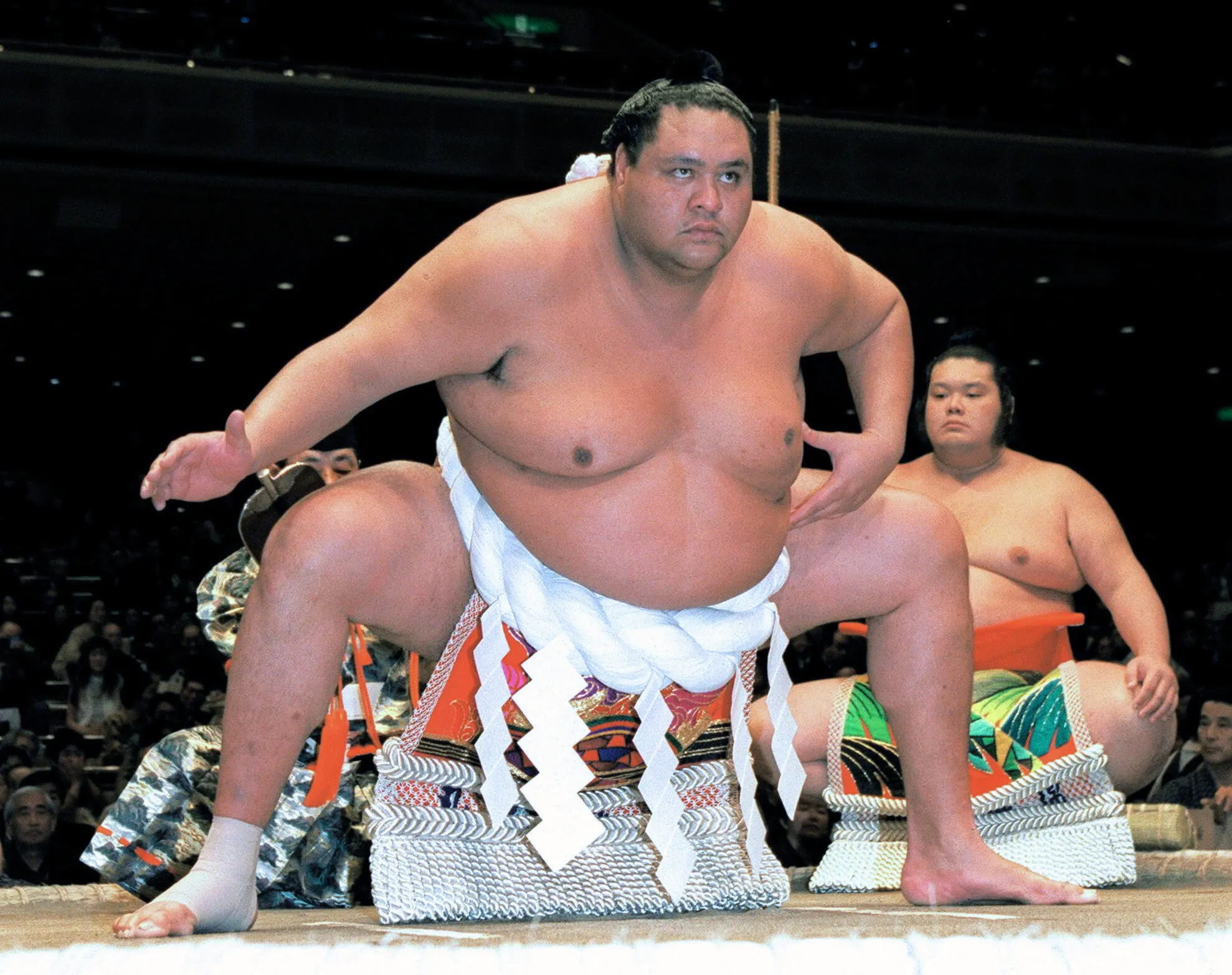
As Yokozuna, Akebono performed the Unryu-style dohyo-iri (ring-entering ceremony). He represented the sport with a stoicism that earned him the respect of the most traditionalist fans. One of his highest honors came in 1998, when he was selected to perform the ring-entering ceremony at the Opening Ceremony of the Winter Olympics in Nagano, symbolizing sumo’s prestige to a global audience.
Akebono’s Major Championships and Career Statistics
Akebono’s career was marked by consistency and resilience in the face of chronic knee injuries. Over his career, he secured 11 top-division championships, a figure that places him among the all-time greats of the sport.
| Tournament Date | Record | Result | Primary Rival |
|---|---|---|---|
| May 1992 | 13–2 | 1st Career Yusho | Takanohana |
| Nov 1992 | 14–1 | Yusho | Takanonami |
| Jan 1993 | 13–2 | Yusho (Yokozuna Promotion) | Takanohana |
| July 1993 | 13–2 | Yusho | Takanonami |
| Sept 1993 | 14–1 | Yusho | Wakanohana |
| Nov 1993 | 13–2 | Yusho | Musashimaru |
| March 1994 | 12–3 | Yusho | Takanonami |
| March 1995 | 14–1 | Yusho | Takanohana |
| May 1997 | 13–2 | Yusho | Takanohana |
| July 2000 | 13–2 | Yusho | Musashimaru |
| Nov 2000 | 14–1 | Final Career Yusho | Musashimaru |
Life After the Dohyo: Combat Sports and Pro Wrestling
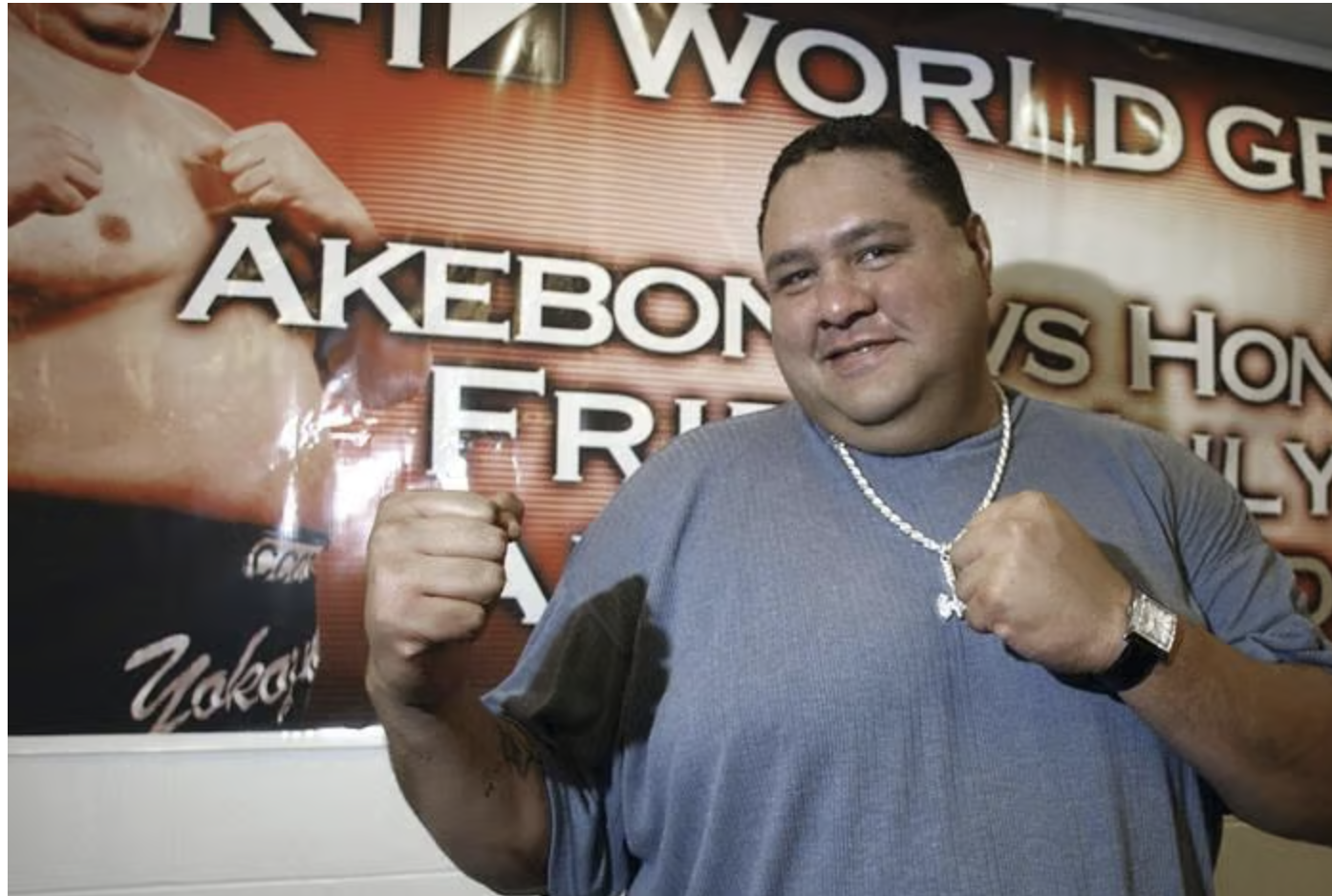
Akebono retired from sumo in 2001 due to persistent injuries, particularly in his knees. After a brief stint as a coach at his stable, he made the controversial decision to leave the Japan Sumo Association in 2003 to pursue a career in combat sports and professional wrestling.
His transition to K-1 (kickboxing) and mixed martial arts (MMA) was difficult. While his name brought massive crowds and television revenue, his body was not suited for the high-impact kicks and movement required in those disciplines. His most famous bout was against Bob Sapp in 2003, which remains one of the most-watched sporting events in Japanese history, despite Akebono’s loss.
However, he found much greater success in professional wrestling. He competed in World Wrestling Entertainment (WWE) at WrestleMania 21, defeating Big Show in a staged sumo match. More significantly, he became a major star in Japan’s pro wrestling circuit, particularly in All Japan Pro Wrestling (AJPW). He captured the Triple Crown Heavyweight Championship and earned a reputation as a hard-working, versatile performer who respected the craft.
Legacy and the Evolution of Modern Sumo
Looking back from 2026, Akebono’s legacy is more relevant than ever. He proved that the path to the top of Japan’s most traditional sport was open to anyone with the discipline to master it. Following his lead, other foreign-born wrestlers—most notably the Mongolian contingent including Asashoryu, Hakuho, and Terunofuji—went on to dominate the sport for decades.
Akebono passed away in April 2024, leaving behind a legacy of cultural bridge-building. He was a man of two worlds: an American who became a Japanese citizen, and a Hawaiian who became a symbol of Japanese tradition. He is remembered not just for his size, but for his heart and his willingness to endure the rigors of an ancient lifestyle to achieve greatness.
Frequently Asked Questions
Who was Akebono’s greatest rival in sumo?
His greatest rival was Takanohana. Their competition defined the 1990s, with both wrestlers reaching the rank of Yokozuna and facing each other in legendary matches that split the Japanese public's support.
How tall was Akebono and what was his peak weight?
Akebono stood 203 cm (6 feet 8 inches) tall. At the peak of his career, he weighed approximately 233 kg (514 lbs), making him one of the largest and most imposing Yokozunas in history.
Why did Akebono leave the Japan Sumo Association?
Akebono left the JSA in 2003 primarily due to financial pressures and a desire to explore other opportunities. By leaving, he forfeited his "toshiyori" (elder) status, which allowed him to pursue professional wrestling and K-1.
Was Akebono the first foreign-born Yokozuna?
Yes. While other foreign wrestlers like Takamiyama and Konishiki paved the way by reaching the Sanyaku and Ozeki ranks, Akebono was the first non-Japanese athlete to be promoted to the ultimate rank of Yokozuna in 1993.
What happened to Akebono after his retirement from combat sports?
After his fighting and wrestling careers slowed down, Akebono suffered from serious health issues beginning in 2017. He spent his final years in specialized care before passing away in April 2024 from heart failure.
Understanding the Yokozuna Legacy Today
To truly appreciate the "dominant story" of Akebono, modern fans should seek out archival footage of the 1993-2000 tournaments. Watching his dohyo-iri provides insight into the spiritual gravity he brought to the role. For those interested in the technical evolution of the sport, analyzing his tsuki-oshi style against smaller grapplers like Mainoumi offers a masterclass in how physical advantages are leveraged and countered in the ring. Akebono remains the definitive proof that excellence in sumo is defined by the spirit (shin), technique (gi), and body (tai), regardless of one's place of birth.