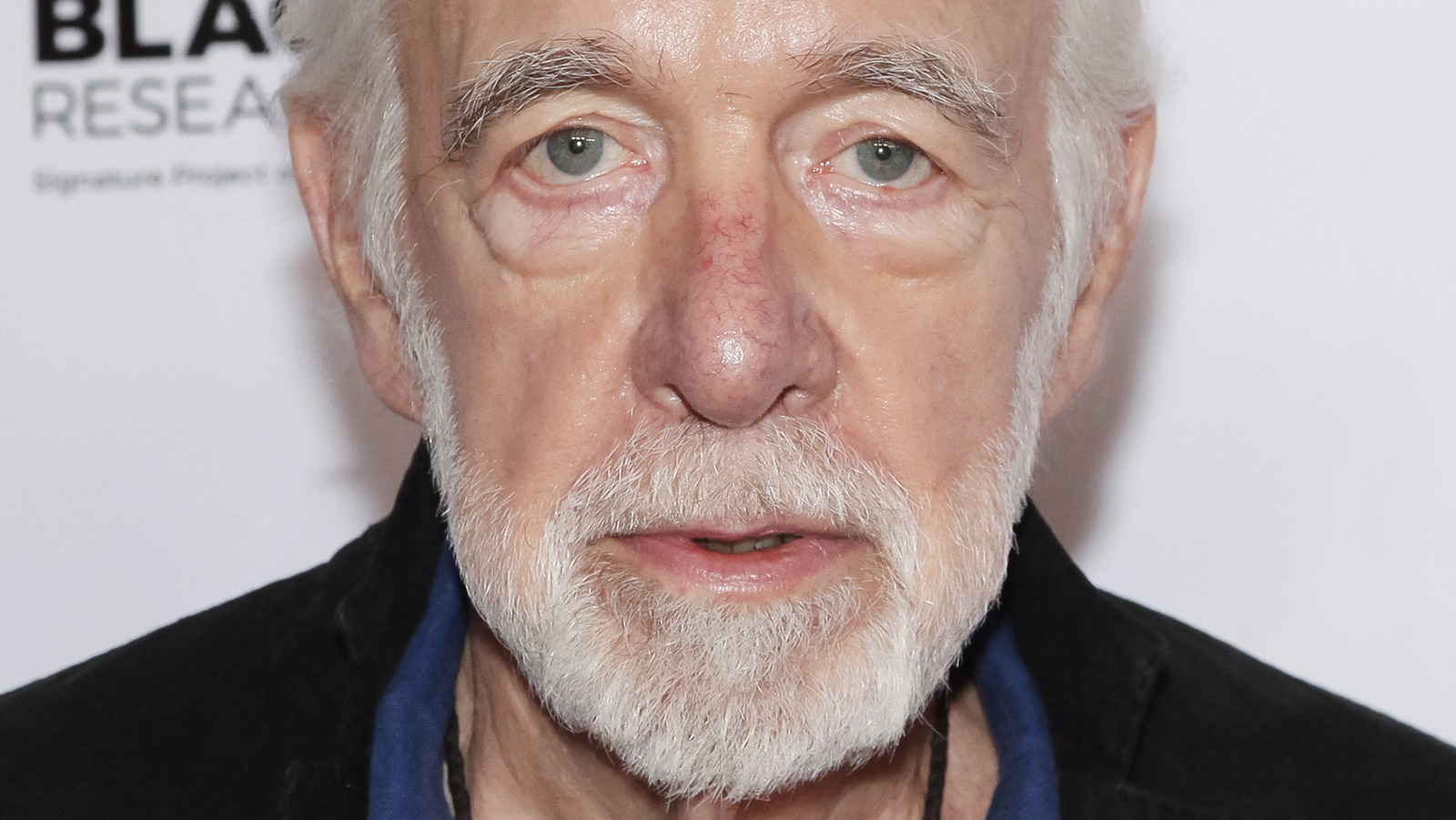
At the time of his passing in 2012, AK Hangal’s net worth was virtually negligible, as the legendary actor faced severe financial distress and mounting medical expenses. Despite a career spanning over 200 films and six decades, Hangal lived in a modest rented apartment and relied on the generosity of the film industry and the public to cover his final healthcare costs.
The story of Avtar Kishan Hangal (1914–2012) is one of the most poignant narratives in Indian cinema. While modern Bollywood stars command multi-billion rupee valuations and global portfolios, Hangal’s financial journey highlights a different era—one where character actors, despite their ubiquity on screen, often lacked the social safety nets, royalties, and high-value contracts that define the industry today. In 2026, his legacy serves as a significant case study for financial literacy and institutional support within the creative arts.
The Paradox of Fame vs. Wealth in the Golden Era
To understand why AK Hangal's net worth did not reflect his immense fame, one must examine the economic structure of the Indian film industry during the 1970s and 1980s. Unlike the current landscape of 2026, where digital rights, brand endorsements, and profit-sharing models allow actors to build generational wealth, Hangal operated in a system of one-time session fees.
The Career Transition from Tailoring to Acting
Hangal did not enter the film industry as a young man seeking fortune. He was a tailor by profession and a committed political activist during the Indian independence movement. He spent several years in jail in Pakistan before migrating to Mumbai (then Bombay) after the Partition. His entry into Hindi cinema occurred at the age of 50, a time when most actors are considering retirement.
Because he started late, he was almost exclusively cast as the "elderly father," "grandfather," or "wise teacher." While these roles made him a household name, they were categorized as "character roles" which, at the time, were paid significantly less than the "leads." Hangal’s earnings were sufficient for a middle-class lifestyle during his peak years, but they did not allow for the massive capital accumulation seen in the contemporary era.
The Absence of Royalties
One of the primary reasons Hangal’s net worth remained low was the lack of residual income. In Hollywood, actors often receive royalties when their films are broadcast on television or streamed. In the Indian film industry of the 20th century, no such system existed for character actors. Despite Hangal appearing in blockbusters like Sholay (1975) and Namak Haraam (1973), he received no further compensation for the thousands of reruns these films enjoyed over the following decades.
Key Career Milestones and Their Economic Context
Hangal’s filmography is a list of India’s most culturally significant films. However, the financial valuation of these contributions was largely symbolic.
| Film Title | Year | Role Category | Financial Significance |
|---|---|---|---|
| Sholay | 1975 | Supporting (Rahim Chacha) | Iconic status; standard character fee |
| Bawarchi | 1972 | Supporting | Established him as a dependable veteran |
| Namak Haraam | 1973 | Supporting | Critical acclaim; fixed contract pay |
| Lagaan | 2001 | Supporting (Shambu Kaka) | Late-career visibility; moderate pay |
| Lage Raho Munna Bhai | 2006 | Cameo | Respect-based appearance |
Even during the production of Sholay, which remains one of the highest-grossing Indian films when adjusted for inflation, Hangal’s salary was a fraction of a percent of the lead actors' earnings. As the years progressed, his health began to fail, and his ability to take on new work diminished, leading to a steady depletion of his modest savings.
Financial Crisis and the Final Years
The most documented aspect of AK Hangal’s "net worth" actually involves the lack thereof. In 2011, news broke that the 97-year-old actor was living in a dilapidated house in Santacruz, Mumbai, and was unable to pay for his medical treatment for various age-related ailments.
The Role of Healthcare Costs
The primary drain on Hangal’s finances was the escalating cost of chronic healthcare. His son, Vijay Hangal, who was also elderly and had his own health challenges, publicly stated that they struggled to meet the monthly medical bills, which ranged between ₹6,000 and ₹8,000 at the time. In a city like Mumbai, with no pension and no steady income, these costs quickly exhausted the family's resources.
Industry Intervention
When the extent of his poverty became public knowledge, it triggered a wave of support from the film fraternity. Several high-profile actors and organizations stepped in:
- The Cine and TV Artistes Association (CINTAA): Provided immediate financial aid.
- Amitabh Bachchan: Reportedly offered significant financial assistance to cover medical expenses.
- Salman Khan and Jaya Bachchan: Contributed funds for his ongoing care.
- Maharashtra State Government: Sanctioned a modest amount for his treatment.
While this influx of capital temporarily improved his living conditions, it was not "wealth" in the traditional sense; it was emergency relief. Consequently, any valuation of his "net worth" at the time of his death would have to account for these external donations rather than personal assets.
Comparative Analysis: Veteran Welfare in 2026 vs. 2012
As we look back from 2026, the tragic financial circumstances of AK Hangal have led to several systemic changes within the Indian entertainment industry. These developments highlight why a veteran actor today might have a more secure net worth compared to Hangal’s era.
- Insurance and Pension Schemes: Organizations like CINTAA and the Screen Actors Guild have worked to implement more robust insurance policies for senior members. In Hangal’s day, these were rudimentary or non-existent.
- Digital Monetization: Actors today can leverage their past work through social media, appearances, and brand partnerships, providing a "long tail" of income that was not available in 2012.
- Investment Awareness: Modern actors are frequently advised by wealth management firms. Hangal, coming from a background of political activism and simple living, likely did not have access to sophisticated financial planning.
The Cultural Net Worth of AK Hangal
While his monetary net worth was negligible, Hangal’s "cultural net worth" remains immeasurable. He was awarded the Padma Bhushan in 2006, one of India’s highest civilian honors. His contribution to the Indian People’s Theatre Association (IPTA) and his role as a bridge between pre-independence theater and post-independence cinema provided him with a level of respect that money cannot buy.
His ability to portray the "common man" with dignity—despite his own personal struggles—is what cemented his place in history. In the history books of 2026, he is remembered not for the balance in his bank account, but for the moral weight he brought to the screen.
FAQ
What was AK Hangal's estimated net worth at the time of his death?
Technically, AK Hangal had a near-zero net worth when he passed away in 2012. He lived in a rented apartment and faced significant debt related to medical expenses. The funds available for his final treatment were largely donations from colleagues in the film industry.
Why did such a famous actor have no money?
Several factors contributed to his financial state: he started acting late in life (age 50), worked as a character actor with low pay scales, had no pension or royalty income, and faced extremely high medical costs in his 90s without the benefit of modern health insurance.
Did the Indian government help AK Hangal?
Yes, toward the end of his life, the Maharashtra government provided a small financial grant for his medical treatment. He was also a recipient of the Padma Bhushan, though that award is a title of honor and does not come with a significant lifelong stipend.
How many movies did AK Hangal act in?
AK Hangal appeared in approximately 225 Hindi films. His career spanned from his debut in Teesri Kasam (1966) to his final appearance in the television series Madhubala – Ek Ishq Ek Junoon in 2012, shortly before his death.
Who supported AK Hangal during his financial crisis?
The film industry rallied around him after his son spoke to the media. Notable supporters included Amitabh Bachchan, Salman Khan, Jaya Bachchan, Mithun Chakraborty, and the Cine and TV Artistes Association (CINTAA).
Managing Artistic Finances and Legacy
The life of AK Hangal serves as a vital lesson for professionals in the creative industries. To avoid the financial pitfalls faced by veteran actors of the past, it is essential to prioritize diversified investments and comprehensive health insurance early in one's career. While the industry in 2026 offers more avenues for residual income, the core principle remains: an actor's "worth" should be protected by a structured financial plan that accounts for the inevitable periods of professional inactivity and the rising costs of geriatric care. For fans and historians, Hangal remains a titan of the screen whose value transcends currency.