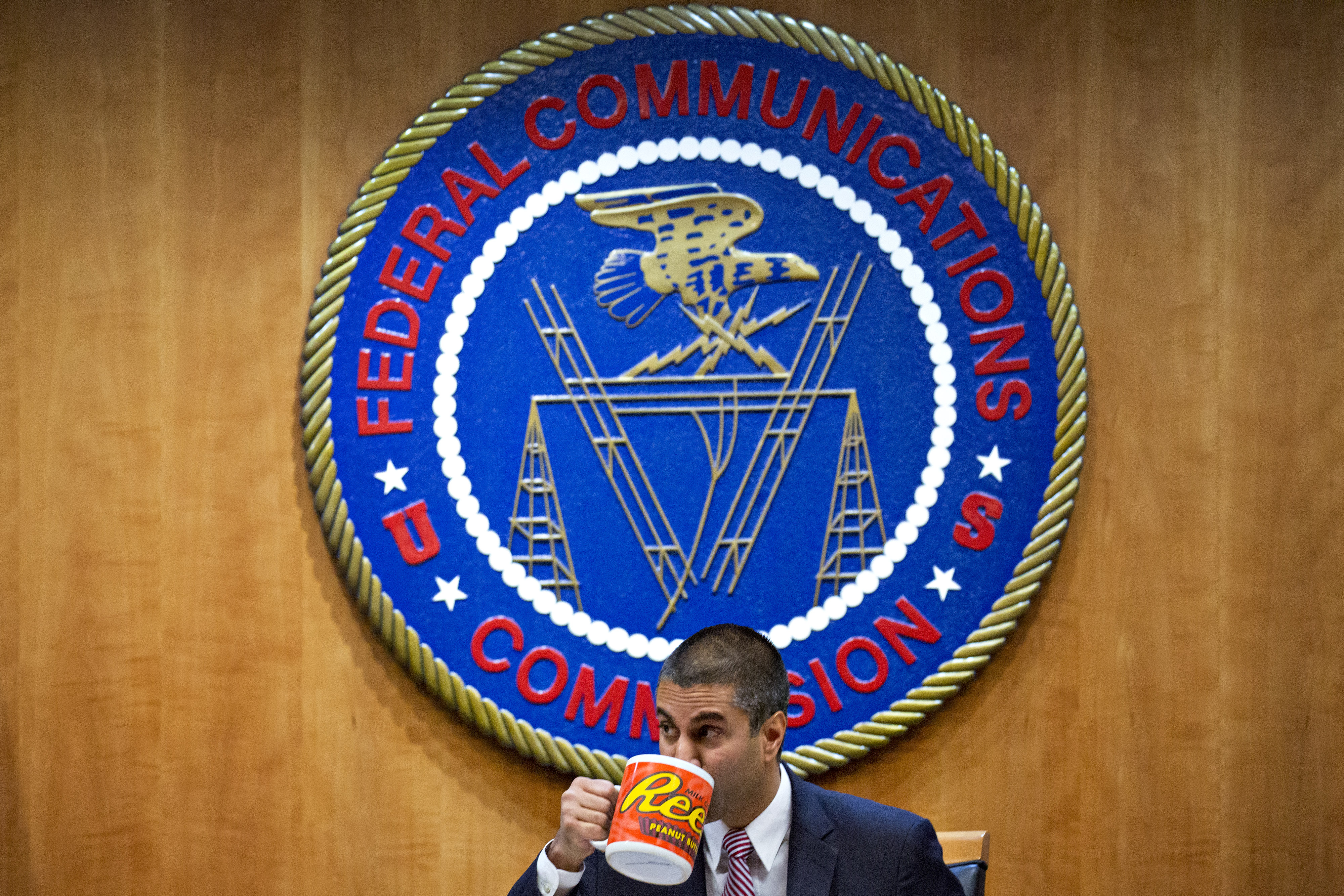
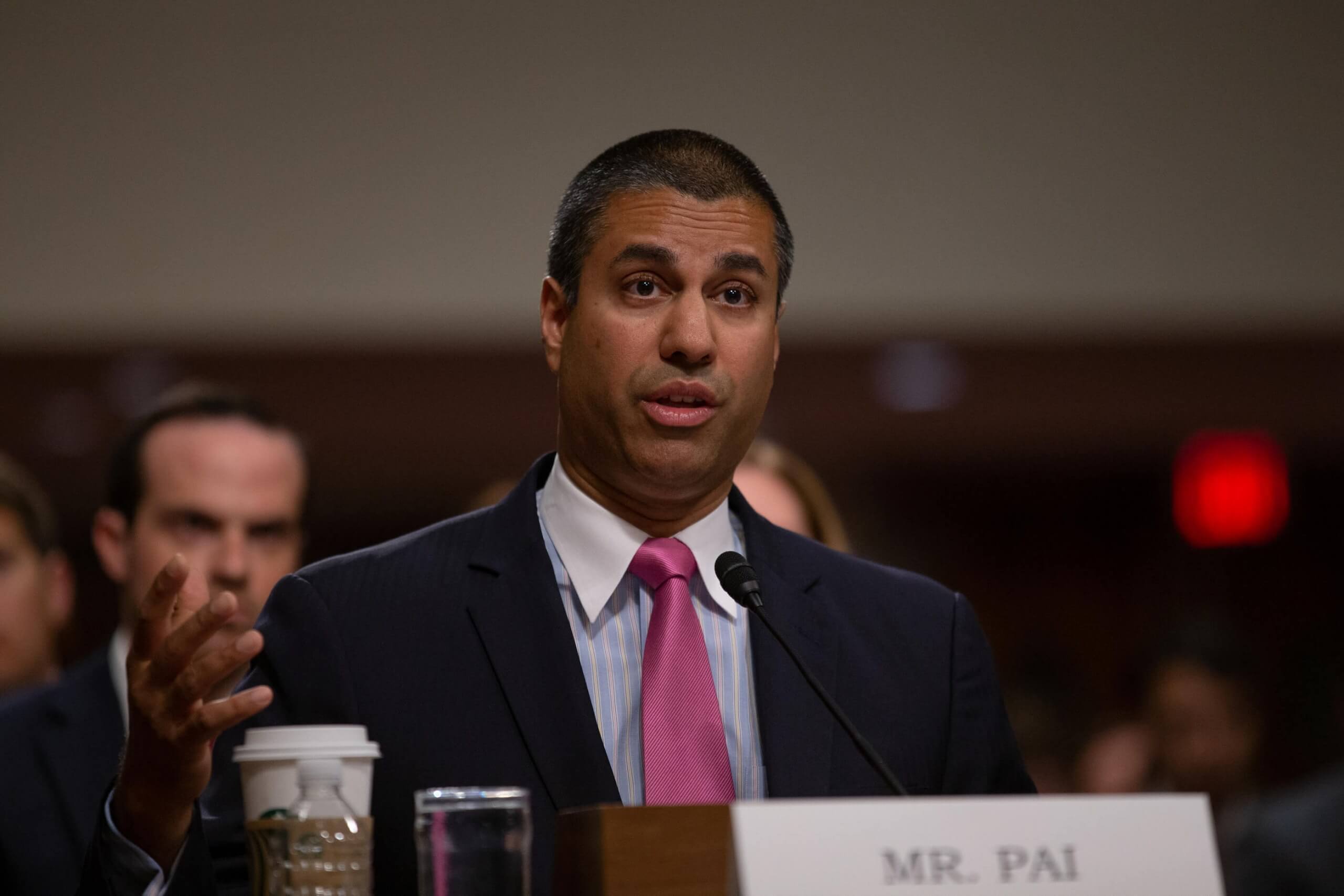
Brendan Carr serves as the Chairman of the Federal Communications Commission (FCC) in 2026, having been designated by President Donald Trump following the 2024 presidential election. He succeeded Jessica Rosenworcel, who led the agency from 2021 to 2025. Carr’s chairmanship marks a return to the deregulatory and spectrum-focused policies initially championed by Ajit Pai.
The Legacy of Ajit Pai and the 2021 Leadership Vacancy
Ajit Pai served as the Chairman of the FCC from January 2017 until his resignation on January 20, 2021. His tenure was defined by a vigorous pursuit of deregulation, most notably the 2017 "Restoring Internet Freedom Order," which repealed the 2015 Open Internet Order (commonly known as Net Neutrality). Pai’s administration focused heavily on the "5G FAST Plan," which aimed to streamline the deployment of small-cell infrastructure and auction significant amounts of high-band spectrum to accelerate the United States' lead in wireless technology.
Upon Pai’s departure, the agency entered a period of transition. Under the Federal Communications Commission’s governing structure, the President designates one of the five commissioners to serve as Chair. With the change in the executive branch in 2021, the leadership shifted from Republican to Democratic control. However, the commission remained in a 2-2 partisan deadlock for an extended period, which delayed several high-profile proceedings until a fifth commissioner could be confirmed by the Senate.
The Jessica Rosenworcel Era (2021–2025)
Jessica Rosenworcel was named Acting Chairwoman in January 2021 and was later confirmed for a new term and designated as the permanent Chair in October 2021. Her leadership represented a fundamental shift in the commission's priorities, moving away from Pai’s deregulatory focus toward consumer protection and digital equity.
Key initiatives during the Rosenworcel era included:
- The Homework Gap: Rosenworcel championed the Emergency Connectivity Fund, which provided billions of dollars to help schools and libraries provide tools and services for remote learning.
- Affordable Connectivity Program (ACP): Under her guidance, the FCC implemented the ACP, which provided monthly subsidies for internet service to millions of low-income households, though the program faced significant funding challenges in 2024.
- Net Neutrality Restoration: In 2024, the Rosenworcel-led commission voted to reclassify broadband as a Title II telecommunications service, aiming to reinstate the net neutrality rules that Ajit Pai had previously repealed.
- Digital Discrimination: The commission adopted rules to prevent and eliminate "digital discrimination" in broadband access based on income level, race, and ethnicity.
As the 2024 election approached, the future of these policies became a central point of debate within the telecommunications sector.
The 2024 Election and the Appointment of Brendan Carr
Following the 2024 presidential election, the executive branch moved to install new leadership at the FCC. Brendan Carr, who had served as a commissioner since 2017 and was the senior Republican on the commission, was the primary choice to succeed Rosenworcel. Carr was formally designated as Chairman in early 2025.
Carr’s transition to the chairmanship was widely anticipated by industry analysts. Having worked as the FCC’s General Counsel under Ajit Pai and later as a commissioner, Carr had a well-documented track record of supporting policies that favor infrastructure investment and market-based competition. His appointment signaled an immediate pivot back to the "light-touch" regulatory framework that characterized the Pai administration, with an added emphasis on modern challenges such as Big Tech accountability and national security.
Who is Brendan Carr? Profile of the 2026 FCC Chairman
Brendan Carr is a legal expert in telecommunications law and has been a central figure in Republican communications policy for over a decade. Before becoming a commissioner, he served as an aide to Ajit Pai, which heavily influenced his policy outlook. By 2026, Carr has established himself as a vocal advocate for several key pillars of modern conservative tech policy.
Infrastructure and 5G/6G
Carr has consistently argued that the government's role should be to "get out of the way" of private investment. He led the FCC’s "Wireless Infrastructure Series," which sought to eliminate local bureaucratic hurdles to cell tower construction. In 2026, his focus has shifted toward the early development of 6G standards and ensuring the U.S. remains the global leader in wireless innovation.
Big Tech Accountability
Unlike some of his predecessors, Carr has been willing to use the FCC’s platform to challenge the dominance of large technology platforms. He has frequently discussed the intersection of Section 230 of the Communications Decency Act and the FCC's potential role in regulating how platforms moderate content, arguing that the "status quo" of tech platform immunity is no longer sustainable.
National Security
Carr was one of the first FCC officials to lead a public campaign against Chinese telecommunications firms like Huawei and ZTE. He successfully pushed for the "rip and replace" program, which provides funding for U.S. carriers to remove insecure equipment from their networks. His 2026 agenda continues this trend, focusing on the security of undersea cables and the influence of foreign-owned apps on American communication networks.
Comparing FCC Chairmen: Pai, Rosenworcel, and Carr
To understand the trajectory of the FCC from 2017 to 2026, it is helpful to compare the primary policy focuses of the three most recent permanent chairmen.
| Policy Area | Ajit Pai (2017–2021) | Jessica Rosenworcel (2021–2025) | Brendan Carr (2025–Present) |
|---|---|---|---|
| Net Neutrality | Repealed Title II (Deregulatory) | Reinstated Title II (Pro-Regulation) | Repealed Title II (Deregulatory) |
| Broadband Subsidies | Rural Digital Opportunity Fund (RDOF) | Affordable Connectivity Program (ACP) | Focused on Satellite & Private Investment |
| Spectrum Policy | High-band (Millimeter Wave) auctions | Mid-band (C-Band) priority | Unlicensed use and 6G development |
| Big Tech Stance | Generally non-interventionist | Consumer protection focused | Aggressive on Section 230/Content issues |
| National Security | Began Huawei/ZTE bans | Continued equipment restrictions | Expanded to apps and sub-sea infrastructure |
Key Policy Shifts Under the Current FCC Leadership
By 2026, the FCC under Brendan Carr has moved to reverse several of the major initiatives established during the Rosenworcel era. The most immediate change was the second repeal of Title II classification for broadband providers. Carr argued that the "threat" of Title II regulation acted as a deterrent to the massive capital expenditures required for nationwide fiber and 5G rollout.
Furthermore, the FCC has shifted its approach to the "Digital Divide." While the previous administration focused on direct subsidies to consumers (like the ACP), the Carr administration has pivoted toward "supply-side" solutions. This includes incentivizing satellite broadband providers, such as Starlink, to provide coverage in "hard-to-reach" areas where traditional fiber deployment is economically unfeasible.
In the realm of media ownership, Carr’s FCC has looked toward modernizing rules that were written in the broadcast era. This includes reviewing local television ownership caps and acknowledging that traditional broadcasters now compete in a landscape dominated by global streaming giants and social media platforms.
How FCC Chairmen are Appointed and Confirmed
The process of determining who will be the next FCC Chairman is governed by the Communications Act of 1934. The commission is designed to be an independent agency, but its leadership is inextricably linked to the presidency.
- Selection: The President selects five commissioners, no more than three of whom can be from the same political party.
- Senate Confirmation: Each commissioner must be confirmed by the U.S. Senate for a five-year term.
- Designation: The President has the sole authority to designate one of the confirmed commissioners as the Chairman. This does not require a separate Senate vote if the individual is already a confirmed commissioner.
- Continuity: If a Chairman leaves before their term ends (as Ajit Pai did), the President typically appoints an "Acting Chair" from the remaining commissioners of the President's party until a permanent leader is selected.
In the case of the transition to Brendan Carr, his existing status as a confirmed commissioner allowed him to take the gavel immediately upon the President’s designation in 2025, providing a seamless transition for the agency's Republican majority.
Frequently Asked Questions
Who succeeded Ajit Pai immediately after his resignation?
Jessica Rosenworcel succeeded Ajit Pai. She was designated as the Acting Chairwoman by President Joe Biden on January 21, 2021, and was later confirmed by the Senate and designated as the permanent Chair in late 2021.
Can the FCC Chairman be fired by the President?
No. Unlike cabinet members, FCC commissioners (including the Chairman) serve fixed terms and can only be removed by the President for "neglect of duty" or "malfeasance in office." However, the President can change who serves as the Chairman at any time, as long as the new Chair is one of the other confirmed commissioners.
What happened to the Net Neutrality rules in 2026?
By 2026, the Net Neutrality rules (Title II) reinstated under Jessica Rosenworcel in 2024 have been largely rolled back or stayed by the courts. The Carr-led FCC returned to a "Title I" information service classification, arguing that a lighter regulatory touch is necessary to foster 5G and satellite competition.
Is Brendan Carr the same person who wrote the FCC chapter in Project 2025?
Yes. Brendan Carr authored the Federal Communications Commission section of the "Mandate for Leadership" (often referred to as Project 2025). His writing in that document outlined many of the policies he is currently implementing as Chairman in 2026, including reining in Big Tech and prioritizing national security in telecom.
How does the 3-2 split on the commission work?
The FCC is structured so that the party in control of the White House holds a 3-2 majority. This allows the Chairman to set the agenda and pass most items along party lines. During the transition from 2024 to 2025, the vacancy left by departing Democratic commissioners allowed the new administration to appoint a third Republican, solidifying Carr’s ability to move his policy agenda forward.
Strategic Outlook for Stakeholders in 2026
For telecommunications companies, broadcasters, and tech platforms, the leadership of Brendan Carr represents a period of both opportunity and increased scrutiny. Businesses should prepare for a significant reduction in federal oversight regarding pricing and network management, but they must also navigate a more aggressive FCC stance on national security compliance and platform transparency.
The current administration’s focus on satellite technology suggests a shift in how federal broadband grants may be distributed. Companies operating in the space and satellite sectors may find a more favorable regulatory environment than those relying solely on traditional terrestrial infrastructure. Additionally, as the FCC continues to investigate the influence of foreign technology on domestic networks, legal and compliance departments should prioritize auditing their supply chains to ensure they remain in alignment with the commission's evolving national security "Covered List."