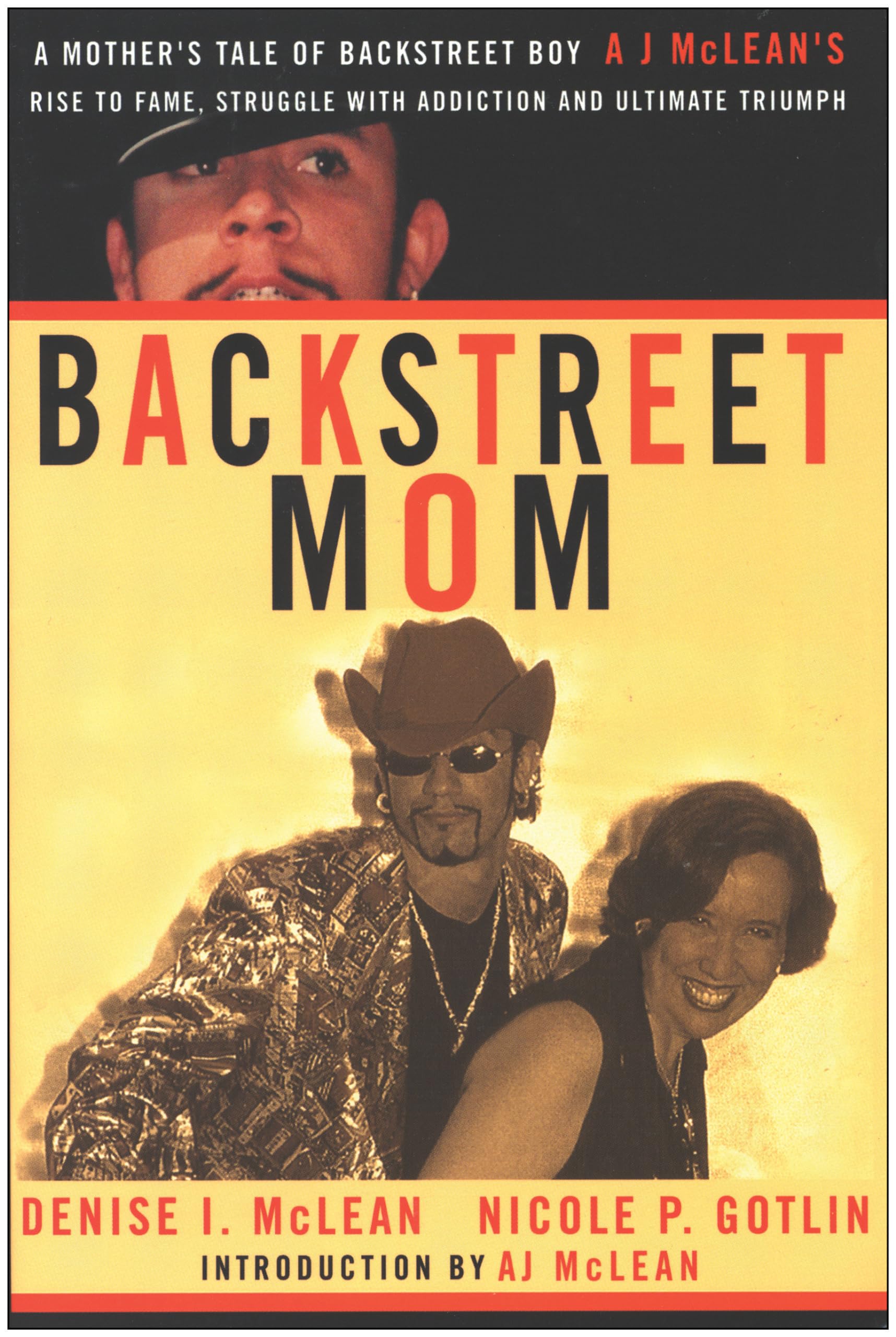
In 2001, AJ McLean stood at the epicenter of the global pop explosion, serving as the edgy, soulful anchor of the Backstreet Boys during their record-breaking Black & Blue era. This year marked his transition from a teen heartthrob to a complex cultural icon, defined by massive commercial success and a pivotal public struggle with personal health.
The year 2001 was a watershed moment for Alexander James "AJ" McLean. While the Backstreet Boys were arguably the biggest musical act on the planet, McLean was carving out a distinct identity that deviated from the "cookie-cutter" boy band mold. His influence in 2001 extended beyond the music charts; he became a symbol of individualism within a highly manufactured industry, setting the stage for the more transparent and vulnerable celebrity culture we recognize today in 2026. Understanding his trajectory requires a deep dive into the cultural mechanics of the early 2000s and the specific events that defined his "rise."
The Cultural Landscape of 2001 and the Boy Band Zenith
To understand AJ McLean’s status in 2001, one must recall the absolute dominance of the "Total Request Live" (TRL) era. The music industry was driven by physical sales and massive televised spectacles. The Backstreet Boys were coming off the heels of Millennium (1999), and by early 2001, they were in the midst of the Black & Blue World Tour. This period was the "Zenith" of the boy band phenomenon, where artists like BSB and *NSYNC moved millions of units in their first week of release.
AJ McLean was the group's "rebel." In an era where pop stars were expected to be impeccably groomed and largely non-threatening, McLean introduced a gritty aesthetic. With his tattoos, frequently changing hair colors, and signature eyewear, he appealed to a demographic that felt slightly alienated by the more traditional "boy next door" archetypes. In 2001, this wasn't just a style choice; it was a branding masterstroke that allowed the Backstreet Boys to maintain a "cool factor" even as the bubblegum pop era began to mature.
The Black & Blue Era: Defining AJ McLean’s Artistic Peak
The Black & Blue album, released in late 2000, reached its commercial and cultural apex throughout 2001. For McLean, this album allowed his R&B-inflected vocals to take center stage. While Nick Carter and Brian Littrell often handled the high-flying pop melodies, McLean provided the grit and soul that grounded the group’s harmonies.
During the 2001 tour, McLean’s stage presence was a primary draw. He was the group’s most kinetic performer, often improvising runs and engaging with the audience with a raw energy that contrasted with the group’s tight, choreographed routines. The tracks "The Call" and "More Than That," both of which were major hits in 2001, showcased his range—from the aggressive, rhythmic delivery in the former to the emotional vulnerability in the latter.
Key Milestones and Metrics of AJ McLean in 2001
| Milestone/Metric | 2001 Statistic/Detail | Impact on Icon Status |
|---|---|---|
| Global Tour Reach | Black & Blue World Tour (100+ shows) | Solidified BSB as a premier global touring act. |
| Chart Dominance | "The Call" Top 10 status globally | Reaffirmed his role as a leading pop vocalist. |
| Cultural Visibility | Most-voted artist on MTV’s TRL | Cemented his "bad boy" archetype as a fan favorite. |
| Personal Turning Point | July 2001 Rehab Entry | Shifted the narrative from "pop star" to "human being." |
| Fashion Influence | Rise of the "Bucket Hat" and Eyeliner | Influenced Y2K alternative-pop aesthetics. |
The "Bad Boy" Archetype: AJ's Impact on Early 2000s Style
In 2001, AJ McLean was the primary driver of what would later be called "mall-punk" or "alt-pop" fashion within the mainstream. His style was a curated blend of hip-hop influence and rock-and-roll defiance. This was a time when he famously experimented with nail polish, heavy silver jewelry, and eclectic headwear.
This visual identity was crucial. It provided a bridge for male fans who might have found pop music too "feminine" but respected McLean’s individualistic, almost punk-rock approach to his appearance. He was one of the few pop icons of 2001 who could successfully navigate the space between a Tiger Beat cover and a late-night rock club. This duality is a significant part of why his icon status has endured into the current 2026 landscape; he wasn't just a singer, he was a character who felt authentic to his own tastes rather than a stylist's vision.
July 2001: The Moment the Industry Stopped
Perhaps the most defining moment of AJ McLean’s 2001—and the one that ultimately secured his legacy as a "resilient" icon—occurred in July. Amidst the grueling schedule of the Black & Blue World Tour, the group made a shocking announcement: AJ was entering a treatment center for depression and alcohol abuse.
This was a rare moment of transparency in 2001. At the time, celebrity struggles were often hidden or dismissed as "exhaustion." By being open about his need for help, McLean humanized the pop star experience. The Backstreet Boys postponed several tour dates, a move that was financially significant but sent a powerful message about the importance of mental health and sobriety.
This event did not end his rise; it transformed it. The outpouring of fan support during this period was unprecedented. When he returned to the stage later that year, he wasn't just a pop star; he was a survivor. This narrative of struggle and recovery became a cornerstone of his identity, allowing him to connect with fans on a deeper, more personal level that transcended the music itself.
Analyzing AJ McLean’s Performance and Stage Presence
In 2001, McLean’s performance style was characterized by a high degree of "soul." He was heavily influenced by artists like Boyz II Men and Jodeci, which translated into his vocal improvisations. While the Backstreet Boys were known for their blend, McLean’s solo sections were where the "edge" lived.
His ability to command a stadium audience in 2001 was a result of his theater background. He understood the "performance" aspect of being a pop icon—the way to use the camera, the way to interact with the front row, and how to maintain a persona that felt larger than life. Even during the personal turmoil of mid-2001, his recorded performances from the early leg of the tour show an artist at the height of his powers, delivering consistent, high-energy vocals that were the backbone of the BSB live experience.
Legacy and the 2026 Perspective
Looking back from the year 2026, the events of 2001 are viewed as the crucible that forged AJ McLean’s long-term career. While many of his contemporaries from the boy band era faded into obscurity or struggled to transition into adulthood, McLean’s willingness to be "the different one" in 2001 gave him a lasting foundation.
In 2026, we see the echoes of AJ’s 2001 influence in the way modern pop stars handle their public personas. The "unfiltered" nature of current social media owes a debt to the vulnerability McLean showed when he stepped away from the spotlight to heal. His career trajectory—moving from the peak of pop stardom to solo projects, country music exploration, and successful Vegas residencies—all traces back to the versatility and distinct brand he established during that pivotal year.
FAQ: The Rise of AJ McLean in 2001
What made AJ McLean the "bad boy" of the Backstreet Boys?
AJ McLean earned the "bad boy" label primarily through his visual aesthetic and rebellious attitude compared to his bandmates. In 2001, his extensive tattoos, piercings, and frequent hair color changes stood out against the more polished looks of Brian Littrell or Kevin Richardson. This persona was further solidified by his transparent struggles with addiction, which contrasted with the "squeaky clean" image typical of pop stars at the time.
How did the 2001 tour impact AJ's career?
The Black & Blue World Tour in 2001 was both a professional peak and a personal turning point. Professionally, it cemented his status as a world-class entertainer capable of performing in sold-out stadiums. Personally, the stress of the tour led to his July 2001 rehab entry, which ultimately saved his career by forcing a necessary intervention and establishing a narrative of honesty and recovery that fans have respected for decades.
What were AJ's most influential fashion choices in 2001?
In 2001, McLean was known for popularizing "alternative" pop fashion. Key elements included oversized bucket hats, tinted sunglasses (often blue or yellow), and the use of eyeliner (guyliner). He also frequently wore eclectic jewelry and experimented with textures like leather and velvet, influencing the Y2K aesthetic that has seen a massive resurgence in recent years.
Did AJ McLean release solo music in 2001?
While AJ McLean did not release a full solo studio album in 2001, this was the era where he performed under the alter ego "Johnny No Name." He did several solo shows for charity during this period, showcasing a rock-heavier sound that was distinct from the Backstreet Boys. These performances were the early seeds of his eventual solo career, proving he could hold the stage without his bandmates.
How did the industry react to AJ’s rehab announcement in 2001?
The reaction was a mix of shock and unprecedented support. In 2001, the music industry was less accustomed to discussing mental health openly. However, the Backstreet Boys’ decision to appear on MTV to discuss the situation directly with fans was hailed as a courageous move. It shifted the industry standard toward better supporting artists' well-being over strictly adhering to tour schedules.
Tracing the AJ McLean Influence in Modern Pop
To truly appreciate the rise of AJ McLean in 2001, one should examine the transition from "The Call" music video to the Black & Blue live DVD. Observe the evolution of his vocal delivery and how he managed to maintain a unique identity within a group setting. For those looking to understand the mechanics of pop longevity, McLean’s 2001 journey serves as the ultimate case study in balancing fame, personal authenticity, and the pressures of global icon status.