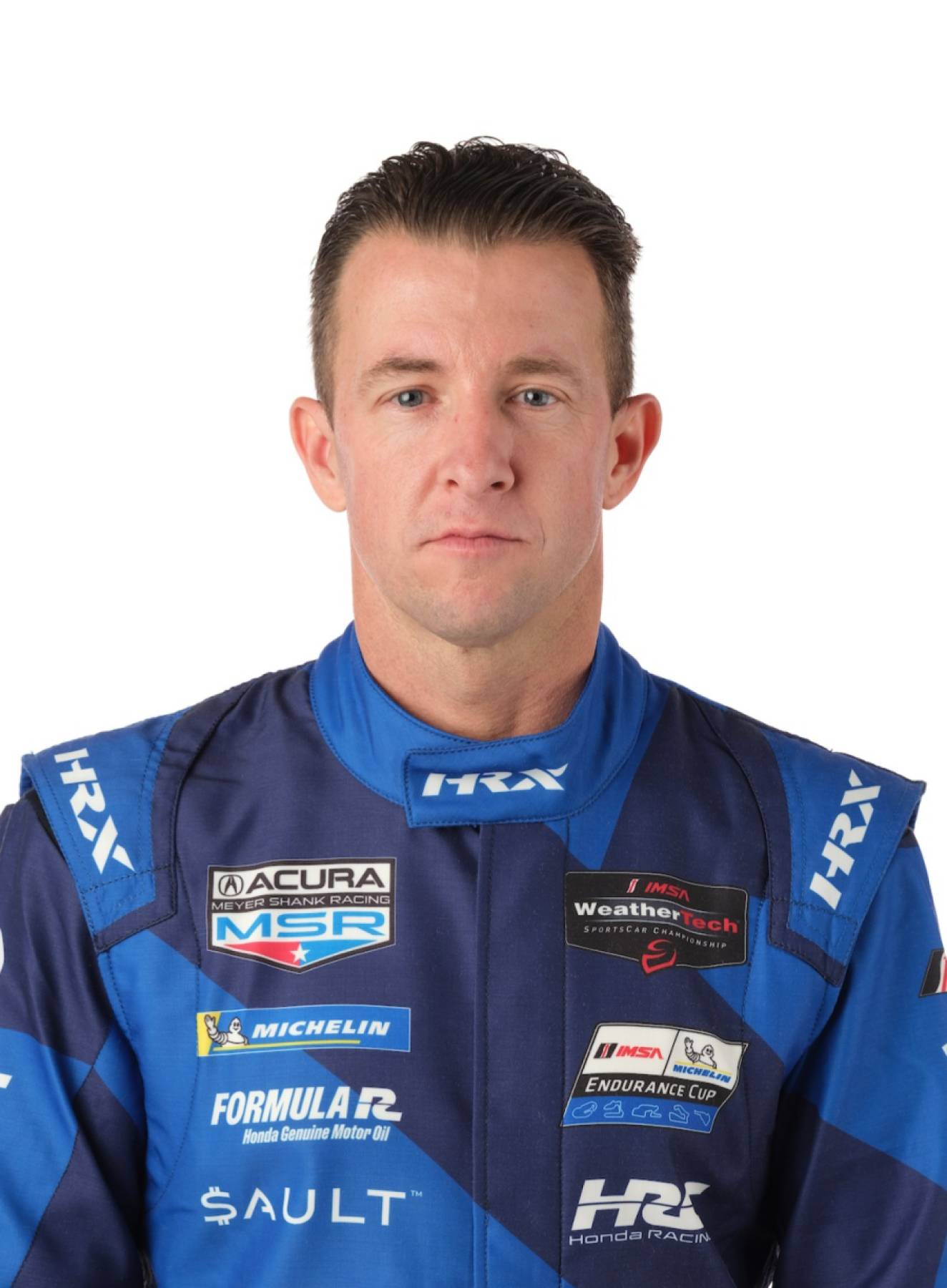
AJ Allmendinger, a prominent figure in the NASCAR circuit, stands at approximately 5 feet 6 inches (168 cm) tall. As a veteran driver competing at the highest levels of professional stock car racing, his physical stature is often a point of interest for fans curious about how body type impacts performance within the confined and high-intensity environment of a race car cockpit.
The Role of Physical Stature in Professional Motorsport
In the world of NASCAR, where every fraction of a second is calculated, the physical requirements for drivers are often misunderstood. While traditional stick-and-ball sports prioritize height for vertical reach or leverage, professional auto racing focuses on different physical attributes. Drivers like AJ Allmendinger operate within a highly regulated space where the car is the primary tool, but the driver’s interface with that tool is vital.
Standing at 5 feet 6 inches, Allmendinger fits into a common profile for race car drivers. Being on the shorter side of the average height spectrum provides certain functional advantages in the cockpit. Modern stock cars are engineered with extremely limited space. A lower center of gravity and a compact frame allow for better integration with the safety cell, including the HANS (Head and Neck Support) device, racing seat, and the five-point harness system. Drivers who are not excessively tall often find it easier to manage their visibility and ergonomic positioning, which are critical when navigating high-speed turns at over 180 mph.
Evolution of the Modern Racing Driver’s Physique
The perception of what a "racing star" looks like has changed significantly over the last few decades. Historically, endurance and sheer grit were the defining characteristics. Today, drivers are treated as elite athletes, emphasizing cardiovascular fitness, core strength, and heat tolerance. The thermal stress inside a stock car—where cockpit temperatures can regularly exceed 120 degrees Fahrenheit during summer races—demands rigorous physical preparation.
AJ Allmendinger’s physical build allows him to maintain the endurance necessary for three-to-four-hour endurance races. His height is essentially a neutral factor in vehicle performance, but his weight management and core strength are where he gains an edge. The ability to maintain precise steering inputs and throttle control while under intense physical fatigue is the hallmark of his career. As of 2026, the focus in the garage is less on the physical dimensions of the driver and more on their metabolic efficiency and mental acuity under pressure.
Cockpit Ergonomics and Driver Safety
Safety regulations in NASCAR are stringent, and the interior of a Cup Series car is designed with specific spatial constraints. Drivers must be positioned so that their line of sight is perfectly aligned with the windshield, while their limbs remain in an optimal position to manage the steering wheel, shifter, and pedals.
For a driver of Allmendinger's stature, custom seat inserts and pedal adjustments are standard. Every driver on the circuit utilizes a custom-molded seat that aligns their body to the chassis. This process ensures that height does not dictate performance but rather informs the setup of the equipment. Being 5'6" allows for a configuration that keeps the driver’s head low and stable, which is crucial for reducing G-force strain on the neck during high-banked turns. The goal of these ergonomic adjustments is to minimize unnecessary movement, allowing the driver to focus entirely on car control and track strategy.
Comparative Data: Physicality Across the Grid
To understand where Allmendinger fits in the broader context of the NASCAR Cup Series, it is useful to look at the diversity of builds on the track. While some drivers may stand closer to 6 feet, the variation is significant. The following table provides a general comparison of physical characteristics among professional drivers to highlight the range of successful athletes in the sport.
| Driver Characteristic | Impact on Performance | Relevance to Allmendinger |
|---|---|---|
| Height | Influences cockpit ergonomics and pedal reach. | Standard height; allows for optimal seat positioning. |
| Core Strength | Essential for resisting fatigue under lateral G-forces. | High; critical for maintaining control in long races. |
| Cardiovascular Health | Required to combat heat and sustained heart rate. | High; essential for late-race decision making. |
| Reflex Speed | Vital for reactive maneuvers and pack racing. | High; hallmark of his road course expertise. |
This table illustrates that while height is an observable trait, it is not a performance metric that determines success. Instead, the combination of aerobic capacity and muscular endurance is what separates top-tier competitors from the rest of the field.
Addressing Common Myths About Driver Height
A recurring question among fans is whether a taller driver has a disadvantage compared to a shorter one. The reality is that NASCAR’s engineering teams can adapt the car to almost any reasonable height. Whether a driver is 5'5" or 6'2", the seat is molded to their frame, the steering column is adjusted, and the pedals are extended or retracted to accommodate their reach.
The myth that shorter drivers have an aerodynamic advantage is largely negligible in modern stock car racing. The car’s exterior dimensions are strictly regulated by NASCAR’s "Next Gen" vehicle specifications. The driver’s body is contained entirely within the roll cage and the seat, meaning the driver’s height does not alter the car’s frontal area or drag coefficient in any meaningful way. Allmendinger, like his peers, benefits from the high level of customization inherent in the sport's technical standards.
Training Regimens for Elite Performance
Maintaining a consistent weight and physical state is a full-time endeavor for any professional driver. Allmendinger utilizes a combination of cycling, rowing, and strength training to keep his physique tuned for the rigors of the track. These exercises are specifically chosen to simulate the intense cardio load of a race weekend.
Cycling, in particular, is a favorite among NASCAR drivers because it builds the necessary leg and core strength without adding excessive bulk that could hinder movement in the cockpit. By focusing on low-impact, high-intensity cardio, drivers can endure the humidity and heat without losing the fine motor control required for smooth throttle application. For Allmendinger, the physical training is as much about longevity in the sport as it is about current competitive performance.
Frequently Asked Questions
Does being 5'6" provide an advantage in a race car?
No, being 5'6" does not provide a functional performance advantage over taller drivers. The cockpit is customized for every driver, ensuring that all competitors, regardless of height, can reach the pedals and steering wheel with the same level of efficiency.
How does AJ Allmendinger manage physical fatigue during long races?
Allmendinger manages fatigue through a rigorous year-round training program focused on cardiovascular endurance and core stability. This helps him maintain focus and physical control during races that can last several hours in high-heat conditions.
Are there height restrictions for NASCAR drivers?
There are no official height restrictions in the NASCAR rulebook. Drivers of varying heights are accommodated through custom seat molding and ergonomic adjustments to the car's controls.
Does the HANS device fit differently for shorter drivers?
The HANS device is designed to fit between the driver’s helmet and the racing seat, regardless of the driver's height. Safety equipment is adjusted to ensure the device remains effective in the event of a high-speed collision, maintaining its protective function for every driver.
How has the training for racing stars changed by 2026?
By 2026, training has become more data-driven, with teams monitoring biometric data during races. Drivers now focus on specific recovery protocols, hydration strategies, and targeted strength training to manage the unique stresses of the car's interior environment.
Next Steps for Fans and Enthusiasts
If you are interested in how professional drivers maintain their performance levels, the best next step is to follow official NASCAR performance reports and interviews from team trainers. Many teams publish insights into the fitness routines of their drivers, which offer a glimpse into the dedication required to perform at the Cup Series level. For those interested in the technical side of the sport, reviewing the current season’s rulebook and car configuration guides provides a deeper understanding of how safety and ergonomics intersect to support drivers of all builds.