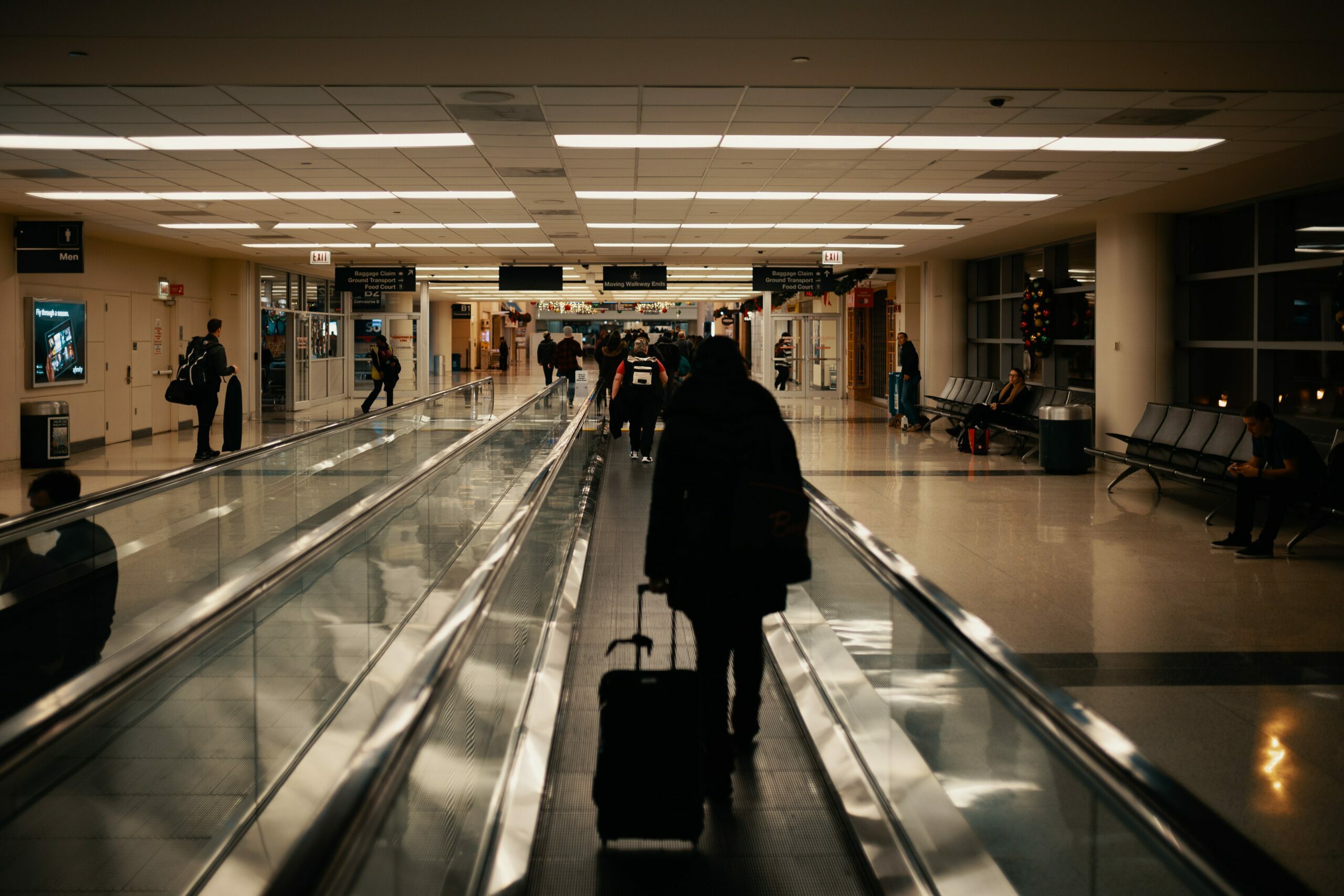
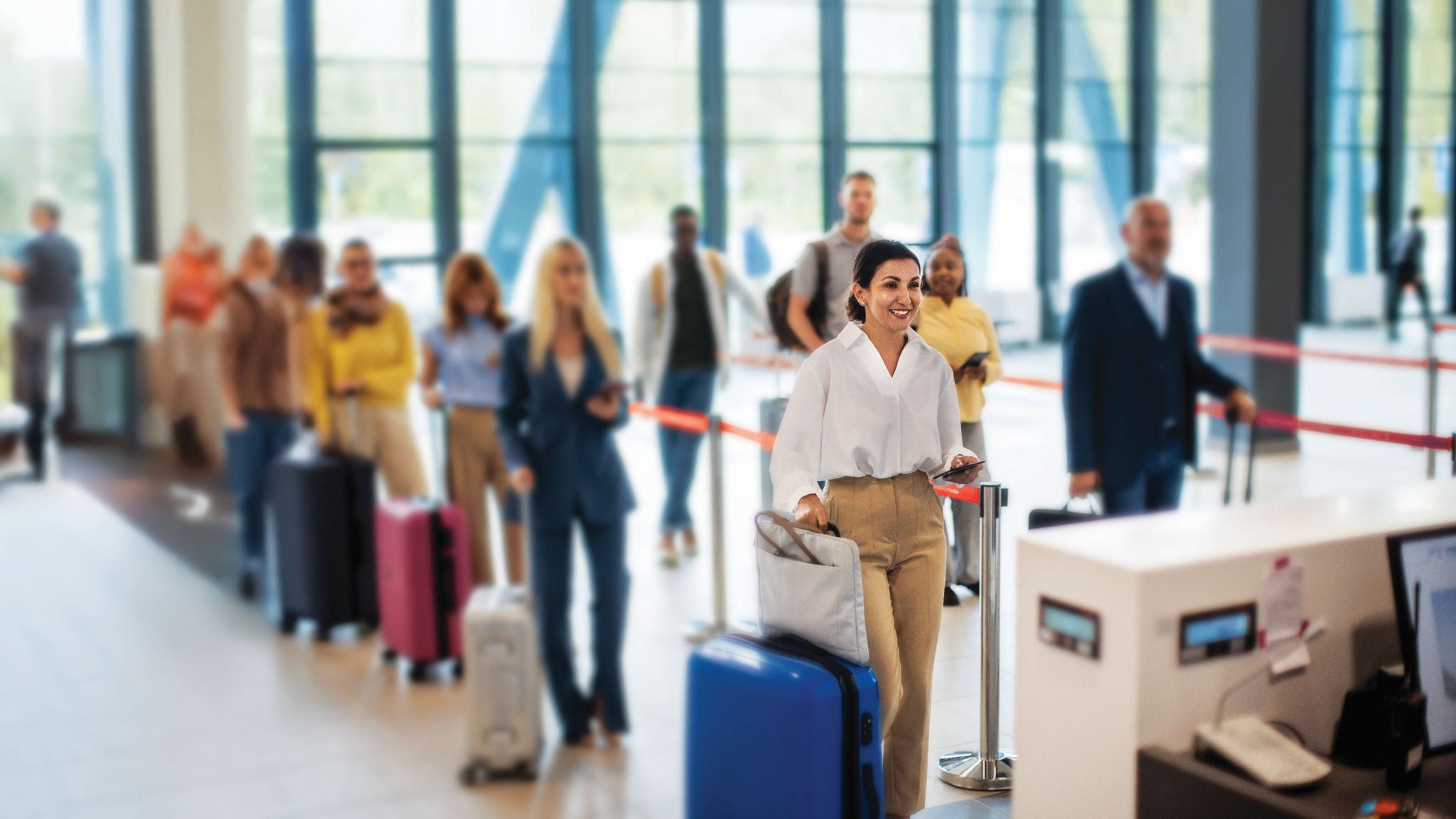
Navigating a modern airport efficiently requires understanding terminal layouts, preparing for TSA security checkpoints, managing baggage requirements, and handling boarding procedures. Applying strategic airport tips—such as pre-booking parking, utilizing mobile boarding passes, packing electronics accessibly, and arriving early—transforms a stressful travel day into a predictable routine.
Preparing Before You Leave Home
Preparation begins long before stepping foot inside a terminal. A seamless airport experience relies heavily on pre-travel administrative tasks, digital organization, and luggage management. Checking flight status updates through airline applications helps travelers stay informed of gate changes, delays, or cancellations before leaving for the airport.
Luggage preparation is another critical component of home preparation. Travelers must verify current airline baggage weight limits and size restrictions to avoid unexpected gate-check fees or forced repacking at the ticket counter. Placing contact information both inside and outside checked bags ensures they can be identified if delayed. Additionally, weighing bags at home using a portable luggage scale prevents surprises at check-in kiosks.
Digital readiness streamlines the journey significantly. Travelers should download their airline's official mobile application, save digital boarding passes to their smartphone wallet, and take screenshots of important reservations as a backup against poor cellular connectivity. Ensuring that all electronic devices are fully charged before departure prevents delays at security check lanes where officers may ask travelers to power on phones, tablets, or laptops.
Navigating Parking and Terminal Access
Arriving at the airport smoothly depends on choosing the right transportation option and understanding terminal geography. Travelers driving their own vehicles should research parking availability ahead of time. Many major airports offer discounted rates for booking economy or garage parking online days or weeks in advance, while drive-up spaces during peak holiday seasons frequently sell out entirely.
For those utilizing rideshare services, taxis, or public transit, knowing the designated drop-off and pick-up zones prevents confusion. Airports generally separate arrivals and departures levels to manage vehicular flow. When arriving via public transportation, such as an airport train or shuttle bus, travelers should factor in the transit time from the station platform to the specific airline check-in counter.
| Transportation Method | Advantages | Key Consideration |
|---|---|---|
| On-Site Airport Parking | Maximum convenience, short walking distance to terminals | Higher daily rates; advance online reservations often required |
| Off-Site Economy Parking | Lower cost, secure fenced lots with shuttle service | Requires additional 15–30 minutes for shuttle transit |
| Rideshare (Uber/Lyft) | Direct door-to-door service, no long-term parking fees | Subject to surge pricing and designated pickup zones |
| Public Transit / Train | Avoids highway traffic, cost-effective | Fixed schedules; requires handling luggage on transit cars |
Allowing adequate time is vital regardless of the chosen transit method. Standard industry guidelines recommend arriving two hours before domestic flights and three hours before international departures. During peak travel periods, holidays, or when departing from major international hubs, adding an extra hour to these recommendations provides a necessary buffer against unexpected traffic congestion or long terminal queues.
Mastering Airport Security Checkpoints
Clearing the Transportation Security Administration (TSA) or equivalent security checkpoints efficiently is often the most anxiety-inducing part of air travel. Understanding security protocols before reaching the bin-loading station significantly accelerates the process. Travelers should wear slip-on shoes that are easy to remove and minimize metal accessories like belts, heavy jewelry, and large belt buckles that trigger metal detectors.
Organization within carry-on luggage directly impacts how quickly an individual clears screening. The 3-1-1 liquids rule requires all liquids, gels, and aerosols to be in containers of 3.4 ounces (100 milliliters) or less, placed inside a single clear, quart-sized plastic bag. Laptops, tablets, and large electronics must be removed from bags and placed flat in bins unless the airport utilizes advanced computed tomography (CT) scanners that permit electronics to remain inside luggage.
| Security Lane Type | Target Audience | Primary Benefit |
|---|---|---|
| Standard Security Lane | General public | Available to all passengers; variable wait times |
| TSA PreCheck | Enrolled, vetted low-risk travelers | No removal of shoes, laptops, or 3-1-1 liquids; shorter lines |
| CLEAR | Biometric subscription members | Skips standard document check line via fingerprint or iris scan |
| Priority / Premium Lane | Business class, elite frequent flyers | Expedited access provided by specific airlines |
Enrolling in expedited security programs such as TSA PreCheck, Global Entry, or CLEAR provides long-term time savings for frequent flyers. These programs utilize biometric verification or background checks to route passengers into dedicated lanes where footwear, outer garments, and approved electronics can remain packed inside bags.
Optimizing Gate Transit and Terminal Layovers
Once security screening is complete, travelers enter the airside terminal area, where managing time until boarding requires strategic attention. Immediately locating the assigned departure gate should be the first priority. Gate assignments can change dynamically due to aircraft repositioning or operational adjustments, making continuous monitoring of terminal display screens and airline mobile alerts essential.
Managing layovers effectively prevents terminal fatigue and missed connections. During tight connections, travelers should verify the terminal and gate map of the connecting airport before landing. If a layover spans several hours, locating airport lounges, quiet seating zones, or dining options enhances comfort. Airport dining can be expensive, so packing lightweight, non-liquid snacks such as protein bars or nuts offers a cost-effective and convenient alternative.
Passengers should be mindful of boarding groups and announcements. Airlines typically begin boarding 30 to 45 minutes before departure, organizing passengers into numbered or lettered tiers based on ticket class, loyalty status, or seating location. Being near the gate area when pre-boarding commences allows travelers to secure overhead bin space for carry-on bags before bins fill up completely.
Handling Flight Irregularities and Troubleshooting
Even with meticulous planning, travel disruptions such as delayed flights, missed connections, or lost baggage occasionally occur. Knowing how to troubleshoot these situations calmly minimizes frustration and accelerates resolution. When a flight is delayed or canceled, waiting in a long physical line at the gate podium is rarely the fastest solution. Travelers should simultaneously open their airline's mobile app to rebook flights, call customer service hotlines, or message airline support representatives via social media or chat platforms.
If checked luggage fails to appear at the baggage carousel, passengers must file a formal Property Irregularity Report (PIR) with the airline's baggage service office before leaving the secure terminal area. Retaining the baggage claim stub and obtaining a written case number is mandatory for tracking the luggage and filing subsequent expense claims for necessary items purchased during the delay.
Understanding passengers' rights under relevant aviation regulations provides leverage during extended delays. Depending on the jurisdiction and airline policy, carriers may be required to provide meal vouchers, communication access, or hotel accommodations when cancellations are within the airline's control. Maintaining flexibility, patience, and clear documentation of all receipts ensures smoother claims processing and dispute resolution.
Frequently Asked Questions
How early should I arrive at the airport before my flight?
Standard recommendations advise arriving two hours before domestic flights and three hours before international departures. During peak travel seasons, major holidays, or when checking physical baggage at busy hubs, adding an extra 30 to 60 minutes accounts for longer ticket counter and security queues.
What is the TSA 3-1-1 liquids rule for carry-on bags?
The 3-1-1 rule dictates that all liquids, gels, and aerosols must be in containers of 3.4 ounces (100 milliliters) or smaller. All containers must fit comfortably inside a single clear, quart-sized resealable plastic bag, with one bag permitted per passenger for screening presentation.
Can I keep my laptop inside my bag through airport security?
You can keep your laptop inside your bag only if the security checkpoint utilizes advanced computed tomography (CT) scanners. If the checkpoint uses traditional X-ray machines, laptops, tablets, and large electronics must be removed from luggage and placed separately into bins.
What should I do if my checked luggage is lost or delayed?
Locate the airline's baggage service desk in the arrivals hall immediately and file a Property Irregularity Report (PIR). Provide a detailed description of the suitcase, ensure you receive a physical or digital copy of your unique tracking case number, and keep your bag claim check stub.
How can I avoid airport parking shortages during peak travel times?
The most reliable method to secure a parking space is booking an official airport or accredited off-site parking reservation online days or weeks in advance. Reserving online often guarantees a spot and frequently secures lower daily rates compared to drive-up parking.
What is the fastest way to rebook a flight after a cancellation?
Avoid waiting exclusively in long lines at the airport gate podium. Instead, use the airline's mobile application to view alternative itineraries, call customer service while standing in line, or utilize digital chat support to secure a seat on the next available flight quickly.
Strategic Travel Execution
Successfully navigating air travel relies on preparation, punctuality, and adaptability across every stage of the journey. By organizing digital documents at home, utilizing expedited security programs, monitoring gate announcements, and remaining calm during unexpected delays, travelers maintain control over their itinerary. Prioritize advance bookings for parking and baggage compliance to ensure a smooth, efficient, and predictable travel experience from departure to arrival.