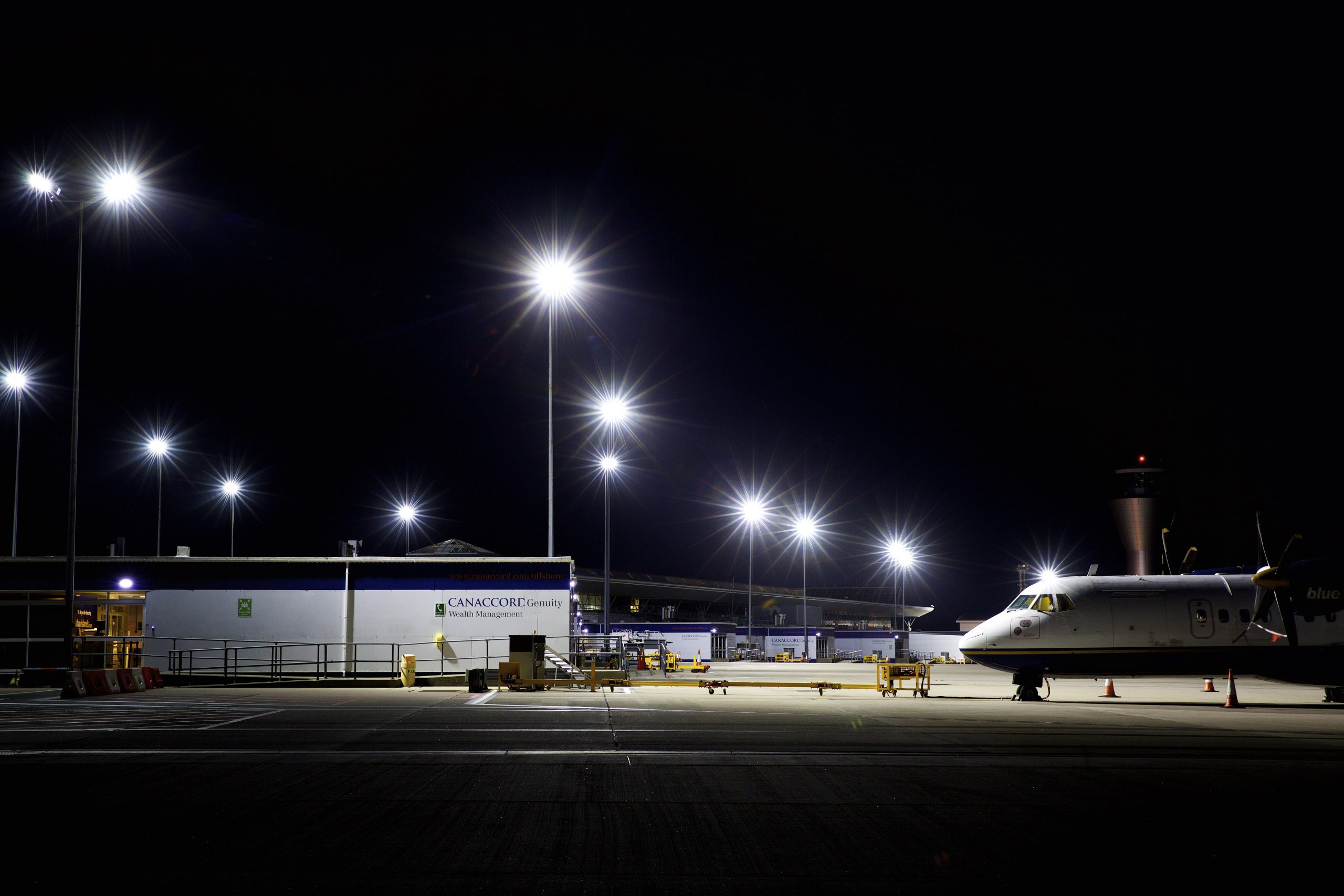
Airport lighting systems form a critical safety and navigation infrastructure network designed to guide pilots during takeoff, landing, taxiing, and movement across the airfield in all visibility conditions. These sophisticated visual aids combine precision optics, specialized color coding, and high-intensity luminaires to ensure seamless operations from approach paths right down to terminal gates.
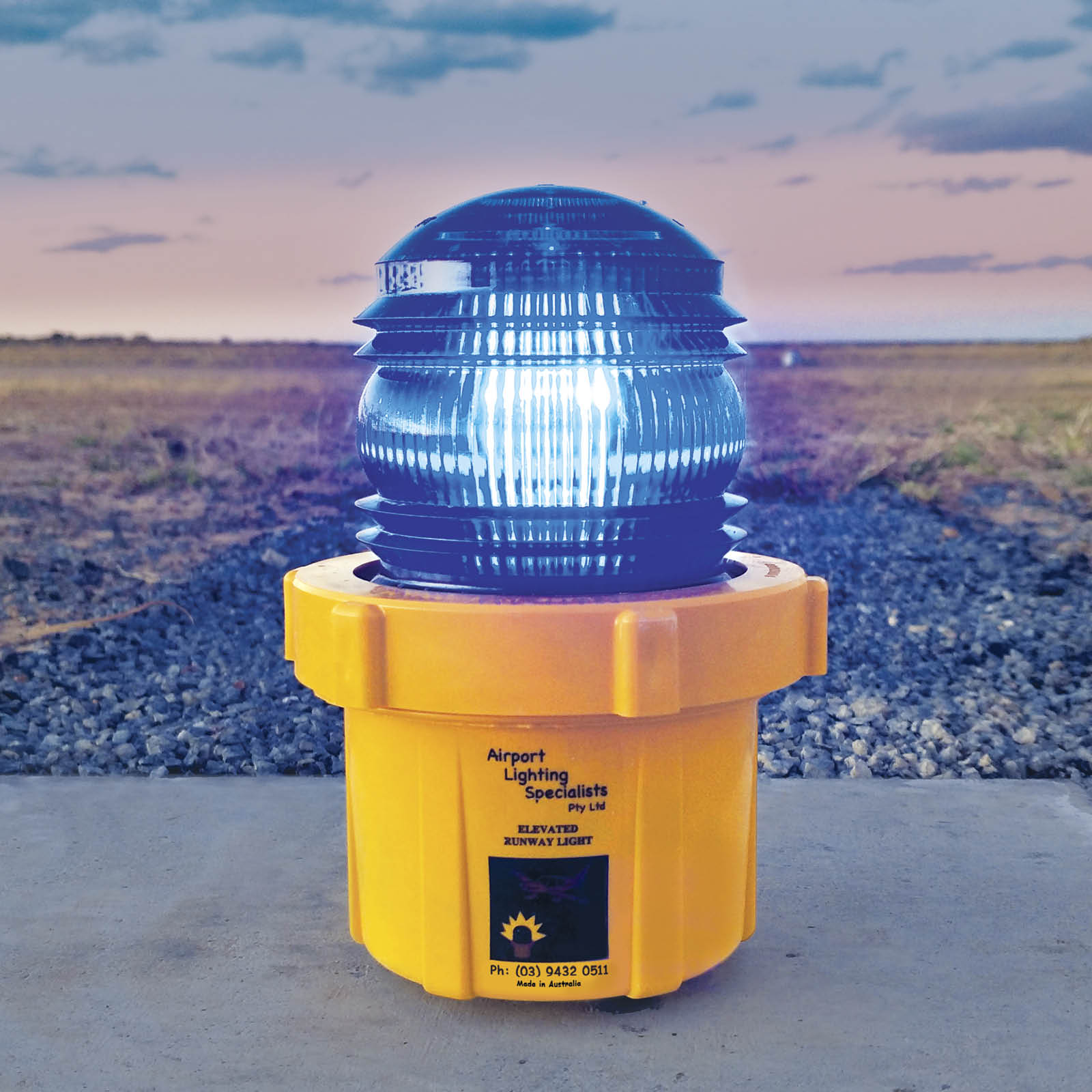
Modern airfield lighting relies heavily on precision-engineered arrays of elevated and inset luminaires that communicate vital spatial data to flight crews. Operating within a tightly regulated framework governed by organizations like the Federal Aviation Administration (FAA) and the International Civil Aviation Organization (ICAO), these visual aids complement electronic navigation systems. They provide a reliable, failsafe reference grid that bridges the gap between instrument approaches and visual touchdown.
Regulatory Standards and Classifications for Airfield Visual Aids
The deployment and configuration of airfield illumination are governed by rigorous international and national standards. These rules ensure uniformity, reliability, and interoperability across global aviation networks. The primary authorities setting these standards are the International Civil Aviation Organization (ICAO) in Annex 14 and the Federal Aviation Administration (FAA) through its series of Advisory Circulars, such as AC 150/5345-50 regarding specification for portable runway and taxiway lights.
Compliance with these standards requires precise photometric performance, color chromaticity, and structural fragility. Airfield fixtures must withstand high jet blast forces and weather extremes while featuring a frangible coupling designed to shear off cleanly if struck by an aircraft. The systems are categorized based on the operational capabilities of the runway, ranging from visual runways to Category II and III precision instrument runways, which demand advanced lighting arrays to support low-visibility operations.
Core Components of an Airfield Lighting Infrastructure
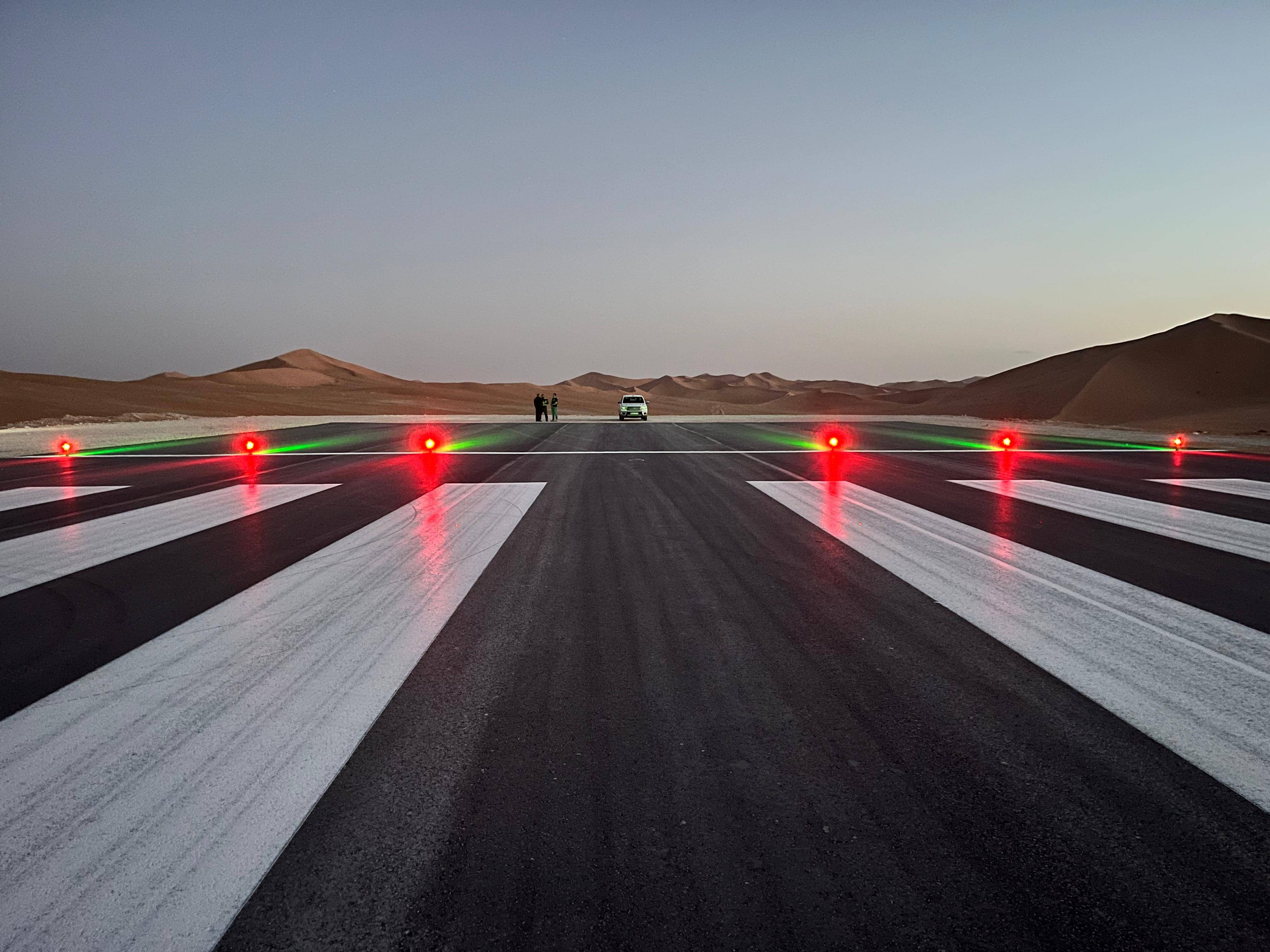
An airfield lighting network is divided into several specialized subsystems, each serving a distinct phase of flight and ground movement. The approach lighting system (ALS) extends outward from the runway threshold, helping pilots transition from instrument tracking to visual alignment. Runway threshold lights mark the beginning of the usable landing surface with split-lens fixtures displaying green toward approaching aircraft and red toward the runway.
Runway edge lights outline the usable boundary of the strip using white lamps, which transition to yellow on the final 2,000 feet or half of the runway length—whichever is less—on instrument runways to signal a caution zone. Centerline lights, embedded flush into the pavement, provide precise alignment references during high-speed rollouts and low-visibility takeoffs. Taxiway lighting, characterized by blue edge lights and green centerline systems, safely channels aircraft between runways, aprons, and maintenance areas, complemented by mandatory instruction and location signs.
Evolution from Halogen to LED Technology
The airfield lighting industry has undergone a massive technological shift, moving away from traditional tungsten-halogen lamps toward high-efficiency Light Emitting Diodes (LEDs). This transition offers significant operational and economic advantages, fundamentally changing how airfields manage power consumption and maintenance workloads.
LED fixtures consume a fraction of the electrical energy required by traditional incandescent bulbs, drastically reducing the baseline utility load of an aerodrome. Furthermore, their exceptional lifespan—often exceeding 50,000 operational hours—minimizes the frequency of scheduled bulb replacements. This reduction in required maintenance translates directly to fewer runway closures and reduced exposure for maintenance personnel working on active airfields.
| Lighting Feature | Traditional Halogen Systems | Modern LED Systems |
|---|---|---|
| Energy Consumption | High wattage requirements per fixture | Up to 80% lower electrical draw |
| Operational Lifespan | 1,000 to 3,000 hours | 50,000+ hours |
| Thermal Output | High heat generation; melts snow/ice naturally | Low heat output; requires built-in de-icing elements |
| Maintenance Frequency | Frequent bulb and filter replacements | Rare scheduled component interventions |
| Infrared Signature | Visible to legacy night-vision equipment | Requires auxiliary IR emitters for NVG compatibility |
Despite these clear advantages, LED systems introduce unique engineering challenges. Because LEDs emit very little heat, fixtures do not naturally melt accumulated snow or ice, requiring the integration of internal heating elements in colder climates. Additionally, because LEDs lack the infrared signature of halogen lamps, military and mixed-use airfields often require supplemental infrared emitters to support night-vision goggle operations.
Power Distribution, Control, and Constant Current Regulators
Powering miles of airfield circuits requires robust electrical architecture designed to maintain uninterrupted operation even under fault conditions. Unlike standard commercial power grids, series circuits are commonly employed for runway and taxiway lighting. In a series circuit, the same current flows through every lamp via an isolation transformer, ensuring that if a single bulb fails, the remaining lights stay illuminated.
Constant Current Regulators (CCRs) sit at the heart of this infrastructure, supplying adjustable levels of current to the series loops. Air Traffic Control (ATC) operators use CCR intensity steps—typically ranging from Step 1 (lowest brightness) to Step 5 (maximum brightness)—to match lighting output to ambient daylight or visibility restrictions, preventing pilot blinding during night operations. Modern airfield lighting control and monitoring systems (ALCMS) provide automated feedback loops, alerting technicians immediately if a single lamp or isolation transformer fails.
Operational Challenges and Maintenance Protocols
Maintaining an airfield lighting system demands rigorous, systematic inspection protocols to comply with safety management systems. Routine maintenance includes ground-based photometric testing to measure luminous intensity, beam spread, and chromaticity, ensuring fixtures have not degraded due to environmental exposure, rubber accumulation, or mechanical scrubbing from snowplows.
Rubber build-up from landing aircraft frequently coats inset runway centerline and touchdown zone lights, severely reducing their effective output. Specialized high-pressure water blasting and mechanical removal techniques are deployed during scheduled runway maintenance windows to clean these optical lenses. Additionally, technicians regularly verify the integrity of underground cabling, moisture seals in base cans, and the structural alignment of elevated fixtures to prevent wind-induced misalignment.
What Are the Key Considerations When Designing an Airfield Lighting Layout?
Designing an airfield lighting layout requires adherence to strict geometric and photometric criteria established by civil aviation authorities. Engineers must evaluate runway classification, local meteorological data regarding prevailing fog or precipitation, and the types of aircraft utilizing the facility. The design must integrate approach lighting configurations, precision approach path indicators (PAPIs), runway end identifier lights (REILs), and comprehensive taxiway guidance systems without creating visual clutter or confusing flight crews during critical phases of flight.
How Do Constant Current Regulators Protect Airfield Circuits?
Constant Current Regulators maintain a steady electrical current regardless of changes in the total resistance of the series circuit. If individual lamps fail and create an open circuit, isolation transformers prevent total loop failure by maintaining electrical continuity. This constant current design ensures that brightness levels remain uniform across miles of cabling, preventing voltage drop issues that would otherwise dim fixtures located farthest from the power vault.
What Role Do Visual Approach Slope Indicators Play in Landing Safety?
Visual Approach Slope Indicators, including PAPIs and visual approach slope indicator (VASI) systems, project precision color-coded light beams visible from several miles away. These systems give pilots immediate visual feedback on their vertical glide path. By observing a standardized combination of red and white lights, the flight crew can instantly determine whether the aircraft is flying too high, too low, or on the correct descent profile for a safe touchdown within the designated zone.
Why Are Taxiway Centerline Lights Crucial for Low-Visibility Operations?
During low-visibility operations—often categorized under Surface Movement Guidance and Control Systems (SMGCS)—pilots rely heavily on taxiway centerline lights to navigate complex airfield layouts. These green flush-mounted fixtures trace exact routes from runways to gates, preventing runway incursions. Color-coded variations, such as alternating yellow and green fixtures, warn pilots when they are approaching or clearing sensitive runway holding positions.
How Does Airfield Lighting Integration Impact Air Traffic Control Efficiency?
Modern airfield lighting integrates directly with air traffic control automation suites, allowing controllers to dynamically illuminate specific taxi routes for individual aircraft. This capability, known as selective path lighting or "follow-the-greens," reduces radio communication clutter and guides pilots along precise taxi corridors. By illuminating only the required path and extinguishing lights behind the aircraft, the system minimizes navigation errors and enhances overall airfield throughput.
Optimizing Airfield Visual Infrastructure for Maximum Safety
Ensuring the long-term reliability and safety of an airport lighting system requires a proactive strategy that combines scheduled photometric testing, rapid fault isolation via ALCMS monitoring, and strategic upgrades to energy-efficient LED technology. Facility managers must maintain rigorous spare-parts inventories, adhere strictly to regulatory compliance updates from aviation authorities, and coordinate closely with maintenance teams to minimize operational disruption during routine servicing.