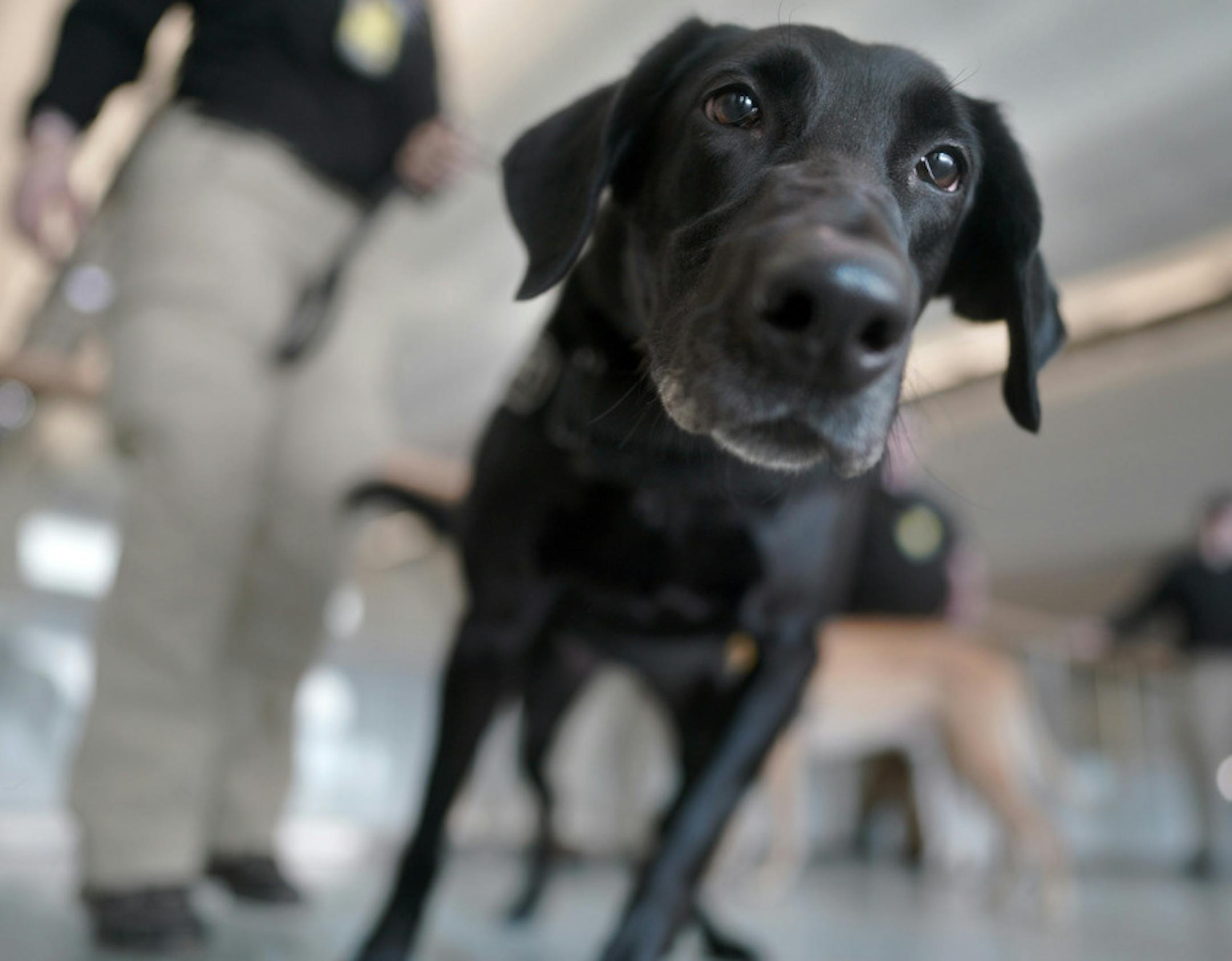
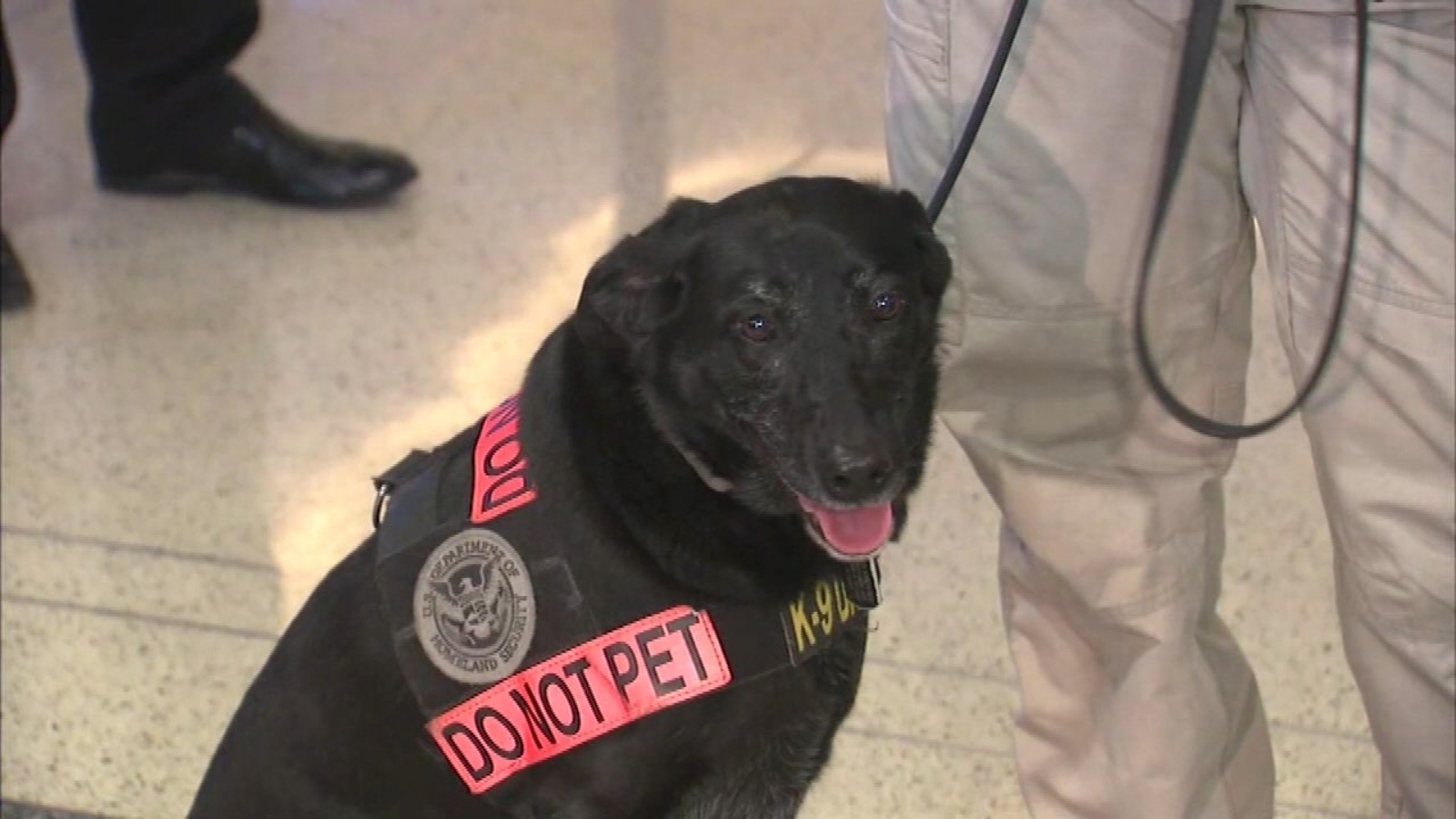
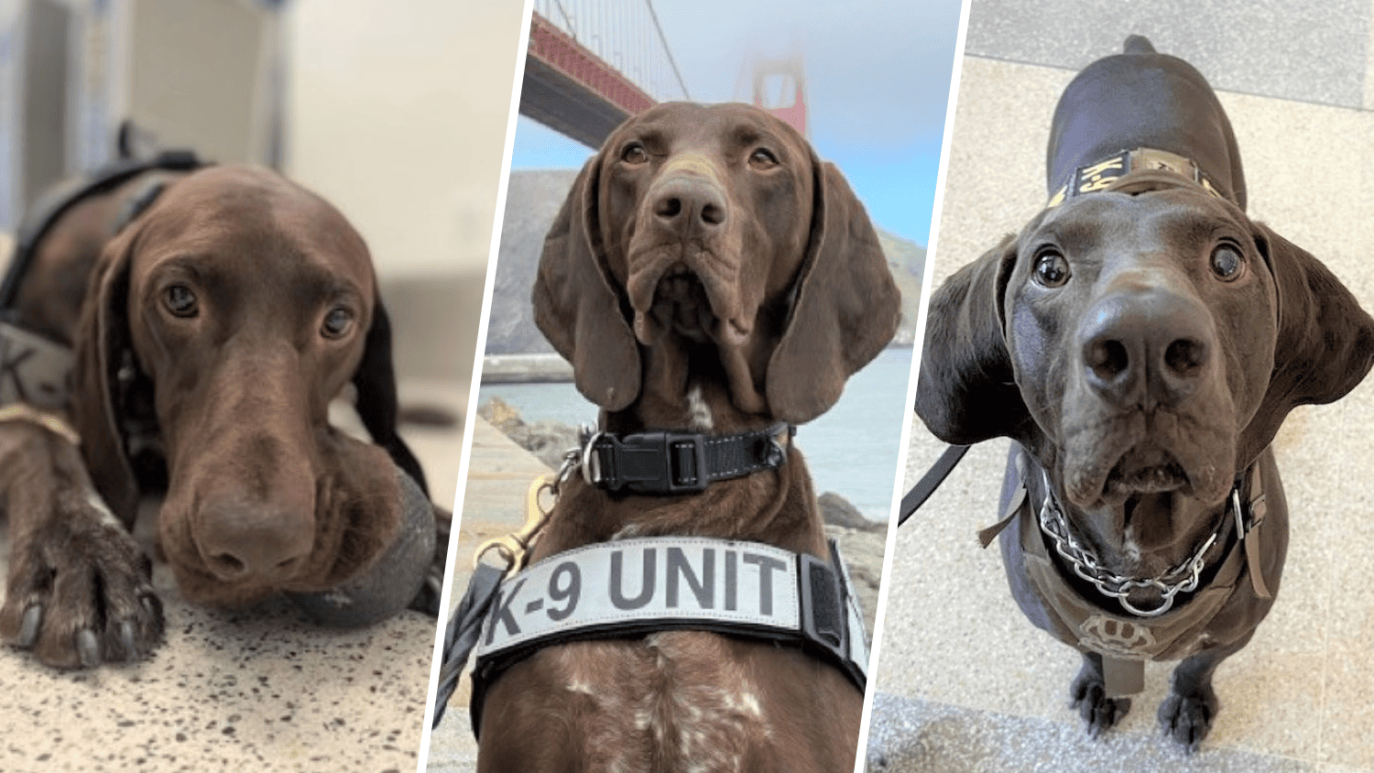
Finding and adopting a retired Transportation Security Administration (TSA) canine involves navigating a structured government adoption program managed by the Department of Homeland Security rather than standard local animal shelters. While many prospective owners search for an "airport K9 adoption find a tsa dog near you" option, these specialized working dogs are actually centralized through the TSA Canine Training Center located at Joint Base San Antonio-Lackland in Texas, meaning placement is a nationwide process rather than a localized municipal shelter pickup.
The appeal of giving a retired working dog a comfortable retirement is understandable, but these animals require specific living environments, ongoing training reinforcement, and experienced handling. Understanding how the program functions, what the prerequisites entail, and how to successfully apply helps clarify whether a retired TSA working dog fits your lifestyle and home environment.
Understanding the TSA Canine Adoption Program
The Transportation Security Administration relies heavily on working canines to secure transit systems, airports, and other high-profile transportation nodes across the United States. These dogs undergo rigorous, specialized training to detect explosives, track scents, and navigate bustling, high-stress environments. Once these dedicated animals reach retirement age—typically between six and ten years old—or if they are retired early due to medical reasons, behavioral adjustments, or a failure to complete initial training, the agency seeks stable, responsible civilian homes for them through its official adoption program.
Unlike standard pet rescues, the TSA program prioritizes the safety, security, and long-term well-being of the animal. Dogs are released from service because they have aged out of active duty, sustained minor physical limitations, or simply lack the specific drive required for daily operational airport screening. However, they retain their intelligence, high energy levels, and working background. The adoption program ensures that these intelligent animals transition smoothly from high-stakes operational roles to domestic companionship, placing them with individuals who understand the unique psychological and physical needs of a former working dog.
Eligibility Criteria and Home Environment Requirements
Adopting a retired TSA canine requires meeting strict eligibility guidelines established by the Department of Homeland Security. The agency does not place these dogs into just any household; prospective adopters must demonstrate that they can provide a secure, stable, and appropriately structured environment. Because these dogs have spent their lives working in high-intensity environments, their transition to civilian life requires patience, consistency, and a clear understanding of working dog behavior.
One of the primary physical requirements is having a securely fenced yard. TSA canines possess high prey drives and exceptional athletic capabilities, meaning standard invisible fences or open properties are generally unacceptable. Furthermore, the agency evaluates potential adopters based on their daily schedule, time availability, and household composition. Homes with very small children or other vulnerable pets may require careful evaluation, as some retired working dogs need time to adjust to domestic family dynamics.
- Fencing Requirement: A physical, secure fence (typically at least six feet high for larger breeds) is mandatory for containment and safety.
- Time Commitment: Adopters must have a flexible schedule or work from home to assist the dog with its initial decompression period.
- Experience Level: Prior experience handling working breeds, hunting dogs, or high-drive protection breeds is strongly preferred by adoption coordinators.
- Financial Preparedness: Adopters assume full financial responsibility for veterinary care, high-quality nutrition, and ongoing physical maintenance.
The Application and Selection Process
The process to acquire a retired TSA dog is entirely centralized, meaning interested individuals cannot simply walk into a local regional airport or TSA office to request a dog. Instead, applicants must monitor official channels and submit comprehensive documentation through the TSA Canine Training Center in San Antonio, Texas. Because demand significantly outweighs the number of available retirees, waiting lists can be extensive, and the vetting process is thorough.
The first step involves downloading and completing the official TSA Canine Adoption Application. This document requests detailed information regarding your living situation, veterinary references, daily routines, and previous pet ownership experience. Once submitted, TSA officials review the application for compliance with their baseline standards. If your application advances, coordinators will match your household profile with the specific personality, energy level, and medical needs of an available dog.
Approved applicants are typically responsible for transportation arrangements. If you are selected for a dog, you must be willing to travel to the TSA Canine Training Center in San Antonio, Texas, to pick up the animal in person, or coordinate approved, specialized pet transport at your own expense. The agency does not ship dogs via commercial cargo options without specialized handling provisions, ensuring the animal's stress is minimized during the final transition.
Comparing TSA Adoption to Traditional Shelter Pet Ownership
Adopting a retired working dog differs fundamentally from adopting a standard domestic pet from a humane society or municipal animal shelter. While shelter pets often require rehabilitation from neglect or abandonment, retired TSA canines are structurally conditioned, highly obedient, and deeply bonded to human handlers, yet they bring distinct operational habits into a home.
| Feature | TSA Working Dog Adoption | Traditional Shelter Adoption |
|---|---|---|
| Source | Centralized DHS / TSA Training Center | Local municipal shelters, rescues, fosters |
| Age Range | Typically 6 to 10 years (or young green dogs) | Highly variable (puppies to seniors) |
| Training Level | Highly trained in obedience and specific tasks | Varies from untrained to basic house manners |
| Drive & Energy | Extreme working drive, high mental stamina | Varies widely by breed and individual |
| Application Process | Centralized federal screening and home checks | Local shelter interviews and same-day or quick adoption |
| Cost | Typically free adoption fee (travel costs apply) | Standard adoption fees covering spay/neuter and vaccines |
Financial Responsibilities and Veterinary Considerations
While the TSA does not charge an adoption fee for its retired canines, bringing one of these dogs into your home carries significant financial implications. Retired working dogs are often mature adults or seniors, meaning they may require specialized veterinary care as they age. Large working breeds commonly utilized by the TSA—such as German Shepherds, Belgian Malinois, Labrador Retrievers, and Vizslas—are prone to specific health conditions that require proactive management.
Prospective owners must budget for premium nutrition, joint supplements, routine geriatric bloodwork, and potential treatments for age-related ailments such as canine hip dysplasia, arthritis, or degenerative myelopathy. Unlike younger dogs adopted from shelters who may have subsidized medical packages through local rescues, TSA adoptees transition entirely to the financial care of the adopter the moment the adoption agreement is signed. Securing pet insurance early or maintaining a dedicated veterinary savings fund is strongly advised to manage these long-term expenses safely.
Important Operational Note: Retired TSA canines are former government working assets. Once adopted, they are fully transitioned to private pets and can no longer be utilized for private security, commercial guarding, or official detection work. Adopters sign legal agreements acknowledging that the animal is being acquired strictly for domestic companionship.
Transitioning a Retired Working Dog into Your Home
Integrating a former airport security dog into a domestic household requires a structured approach to prevent behavioral regression and ensure the animal feels secure. For the dog's entire life, its existence has been dictated by structured commands, tactical travel, operational environments, and high-intensity reinforcement schedules. Sudden exposure to unstructured home life can cause temporary anxiety if not managed properly.
Establish a quiet, designated decompression zone—such as a heavy-duty crate or a specific corner with a durable bed—where the dog can retreat without disturbance. Maintain consistent daily routines for feeding, exercise, and rest. Because these dogs thrive on mental stimulation and structured tasks, incorporating obedience refreshers, puzzle toys, and scent-work games into their daily routine helps fulfill their psychological needs and prevents destructive boredom.
Frequently Asked Questions About TSA K9 Adoption
How much does it cost to adopt a retired TSA dog?
The TSA does not charge an adoption fee for its retired canines. However, adopters are strictly responsible for all travel expenses required to pick up the dog from the Canine Training Center in San Antonio, Texas, as well as all subsequent food, supplies, and veterinary care costs.
Are TSA retired dogs good family pets?
Yes, most retired TSA dogs transition successfully into civilian life and make loyal, affectionate companions. However, due to their high working drive, size, and background, they generally do best in experienced homes without chaotic environments, very small children, or unmanaged distractions.
What breeds are typically available through the program?
The TSA primarily utilizes German Shepherds, Belgian Malinois, Labrador Retrievers, and German Shorthaired Pointers. The specific breed availability depends entirely on which operational dogs are retiring or washing out of the training pipeline at any given time.
Can I choose a specific dog online?
No. The TSA matches dogs to applicants based on a rigorous evaluation of the adopter's household environment, lifestyle, experience, and the specific temperament or medical needs of the available canine. This ensures a safe and sustainable placement for both parties.
Where is the TSA Canine Training Center located?
The central facility where all adoptions are coordinated and where dogs must be picked up is located at Joint Base San Antonio-Lackland in San Antonio, Texas. There are no regional satellite shelters or local airport drop-off points for these adoptions.
Can retired TSA dogs still perform security or protection work?
No. Once a dog is released to an adopter, it becomes a private pet. Legal agreements prohibit using retired TSA canines for commercial security, personal protection, guard work, or any operational detection tasks outside of authorized government service.
Next Steps for Prospective Adopters
If you possess the time, secure property, financial stability, and working-dog experience required to care for a retired security canine, your immediate next step is to review the current status of the program directly through official channels. Visit the official Transportation Security Administration website to access the working dog program details and download the official application documents. Prepare your references, evaluate your local zoning for secure fencing, and ensure you are prepared for the journey to Texas before submitting your packet to the TSA Canine Training Center.