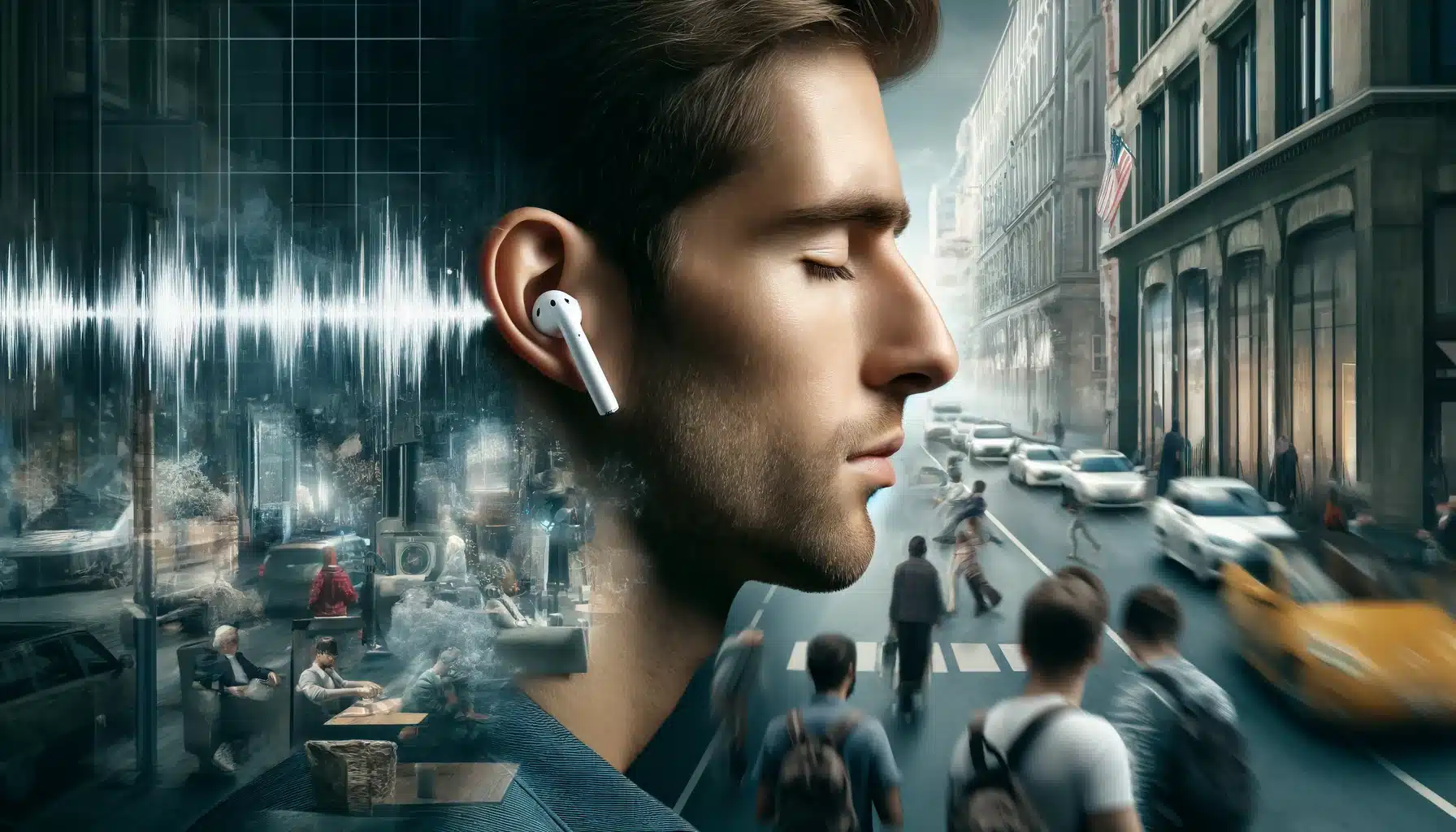
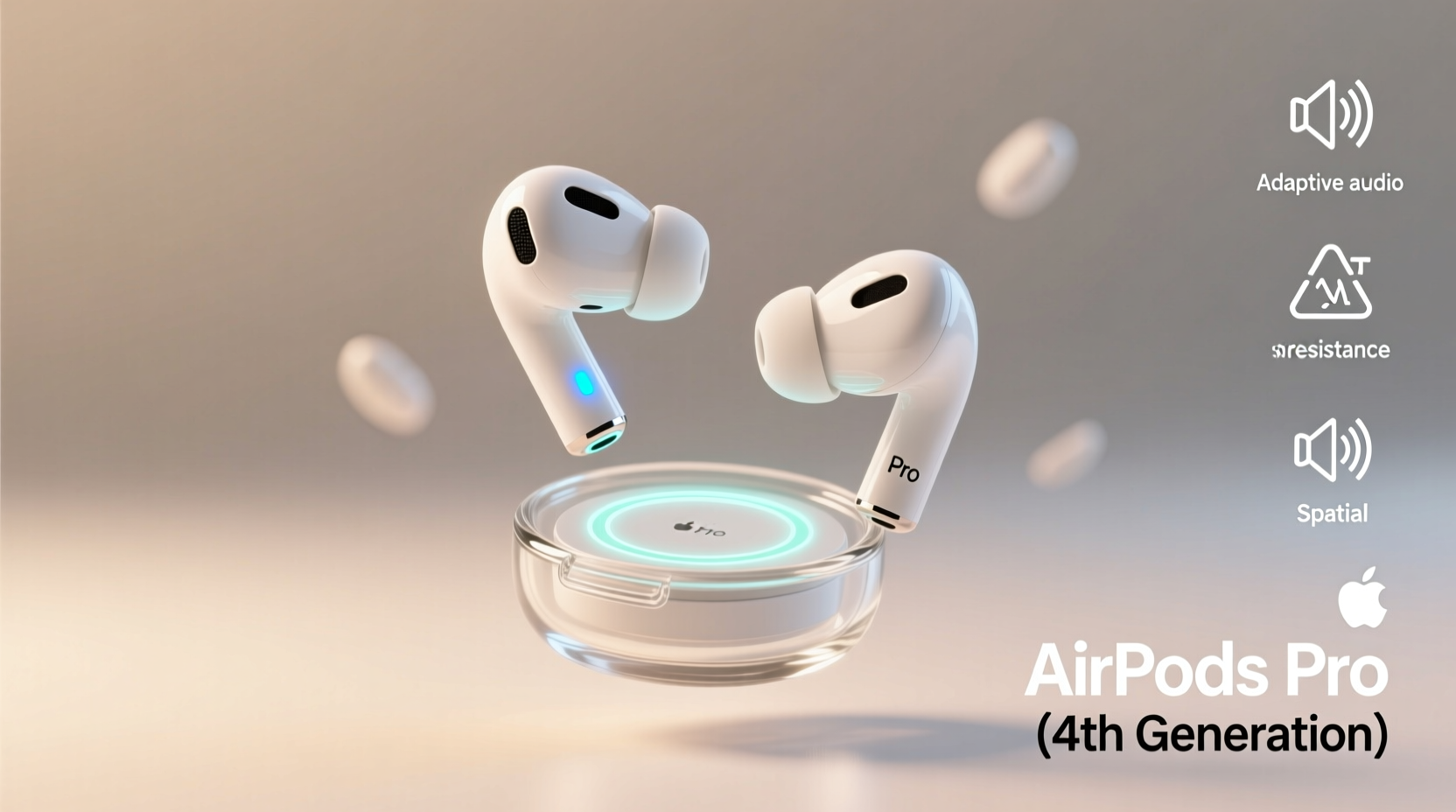
Apple's iconic AirPods commercials rely heavily on high-energy, infectious tracks and catchy jingles to define their cultural footprint, transforming sleek wireless earbuds into global lifestyle symbols through carefully curated music selection.
Understanding the Psychology of Apple's Audio Branding
Apple has long mastered the art of pairing minimalist product design with maximum-impact audio branding. When consumers look into the airpods commercial song the ultimate catchy jingle guide phenomenon, they are usually trying to track down a specific track that wormed its way into their heads during a late-night television broadcast or a targeted digital ad. The strategy behind these selections is deliberate: Apple avoids generic stock music, opting instead for emerging indie artists, electronic producers, and high-energy hip-hop beats that evoke movement, freedom, and effortless cool.
The primary search intent for these commercials revolves around music identification, licensing background, and artist discovery. Viewers are rarely just looking for a title; they want to know who sings the track, where it can be streamed, and how a specific piece of audio managed to make standard wireless earbuds feel like a cultural revolution. By leveraging sync licensing, Apple bridges the gap between underground credibility and mainstream mass marketing, turning indie tracks into chart-topping hits overnight.
Anatomy of a Hit: How Apple Selects Its Commercial Tracks
The selection process for an AirPods commercial is an intensive undertaking managed by Apple’s internal marketing teams alongside specialized creative agencies. Several core criteria govern whether a song makes the final cut for a global campaign:
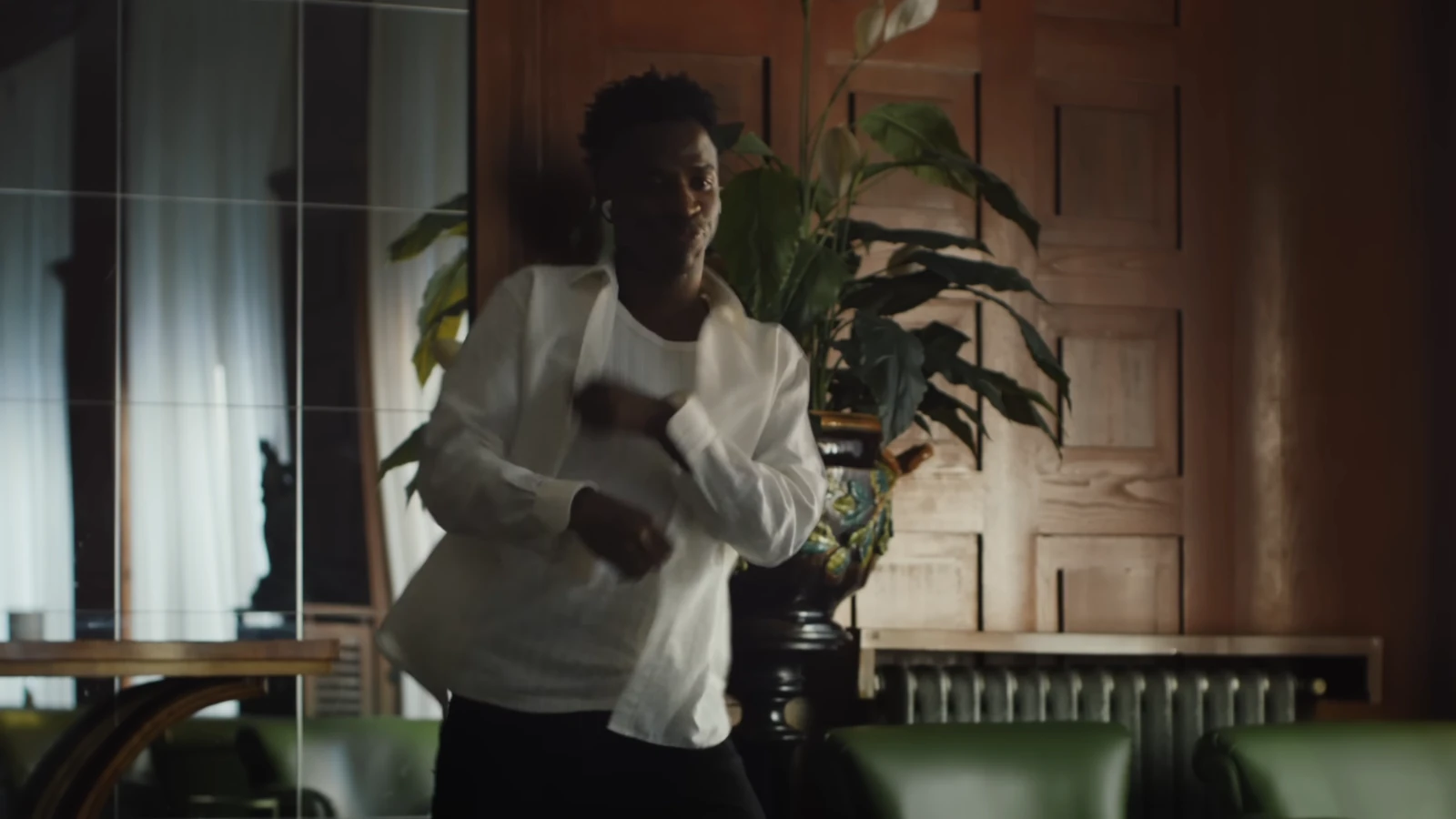
- Rhythmic Momentum: The beat must align with visual cues, such as dancers defying gravity or runners gliding through urban landscapes.
- Lyrical Economy: Instrumental hooks or minimalist, repetitive lyrics prevent the audio from overpowering the product demonstration.
- Cultural Relevance: Selected artists often represent diverse genres and global markets, appealing to a broad demographic of tech consumers.
- Sonic Identity: The track must remain instantly recognizable even when compressed for mobile phone speakers or streaming video ads.
This meticulous curation ensures that the viewer's emotional response to the music seamlessly transfers to the AirPods themselves. The music provides the kinetic energy, while the product remains the silent hero of the narrative.
Historical Evolution of AirPods Advertising Music
To understand the trajectory of AirPods audio branding, it helps to examine how the musical style shifted across different product generations. Early AirPods commercials relied heavily on dance, electronic, and house tracks that emphasized spatial freedom and the elimination of tangled wires.
| Commercial Era / Campaign | Featured Track (Example) | Primary Genre | Cultural Impact |
|---|---|---|---|
| Original AirPods (2016) | "Down" by Marian Hill | Electronic / Indie Pop | Established the sleek, minimalist dance aesthetic. |
| AirPods Pro (2019) | "Panda" or similar syncs | Hip-Hop / Electronic | Highlighted active noise cancellation through heavy bass. |
| AirPods Spatial Audio | Immersive electronic remixes | Cinematic / Ambient | Focused on 360-degree soundstage capabilities. |
| AirPods 4 / Recent Gen | Indie-pop crossovers | Alt-Pop / Electronic | Emphasized everyday utility and seamless ecosystem integration. |
As Apple expanded its lineup to include AirPods Pro and AirPods Max, the musical palette adapted accordingly. While standard AirPods spots favored upbeat, quirky electronic tunes, Pro campaigns often leaned into heavier basslines and cinematic soundscapes to underscore features like Active Noise Cancellation (ANC) and Spatial Audio.
Identifying and Finding Your Favorite AirPods Track
When a new AirPods commercial drops, viewers frequently turn to search engines and music identification apps like Shazam to pinpoint the exact song. Because Apple frequently uses remixes, unreleased edits, or indie tracks that lack widespread radio play, finding the exact version can sometimes require digging into artist soundclouds, official Apple Music playlists, or YouTube descriptions.
The most reliable methods for identifying these tracks involve checking official Apple YouTube channel descriptions, where music credits are routinely updated. Additionally, looking up the creative agency involved in the specific campaign—such as TBWA\Media Arts Lab—can often yield production notes detailing the composer, artist, and licensing house behind the jingle.
The Business Impact of Sync Licensing on Independent Artists
The relationship between Apple commercials and the music industry is a multi-million-dollar engine for artist discovery. When an independent artist has their track selected for an AirPods spot, the financial and exposure benefits are immediate. Millions of impressions translate into instant spikes on Spotify, Apple Music, and social media platforms like TikTok.
This sync licensing model has effectively replaced traditional radio rotation as a primary vehicle for breaking new music. Artists who previously enjoyed niche underground status find themselves thrust into international spotlight, proving that Apple's advertising machine functions just as effectively as a major record label talent scout.
Common Misconceptions About AirPods Commercial Music
Many consumers assume that Apple commissions custom jingles for every single advertisement. In reality, the vast majority of AirPods commercial songs are pre-existing tracks licensed from independent or major labels, occasionally edited or remixed specifically for the pacing of the video cut.
Another frequent misconception is that these songs are chosen purely by algorithm. While data analytics play a role in understanding consumer demographics, the final curation remains a deeply human creative choice driven by directors, choreographers, and Apple’s executive marketing leadership to ensure emotional resonance.
Frequently Asked Questions
How can I find the song from a new AirPods commercial?
You can identify the track by checking the official Apple YouTube channel upload description for artist credits, using music identification software like Shazam while the ad plays, or searching dedicated music-licensing databases and fan forums that track Apple syncs.
Are AirPods commercial songs custom-made or pre-existing?
Most AirPods commercial songs are pre-existing tracks by independent or established artists that have been licensed and occasionally edited to match the exact tempo and cut of the video advertisement.
Why do AirPods commercials feature such distinctive music?
Apple utilizes high-energy electronic, indie, and alternative tracks to create an emotional connection, visually and aurally reinforcing the themes of freedom, movement, and premium audio quality associated with the product line.
Do artists get paid when their song is used in an Apple ad?
Yes, artists receive substantial sync licensing fees and royalties negotiated through their labels and publishers, alongside massive secondary benefits from streaming spikes and global exposure.
Can I find an official playlist of all AirPods commercial songs?
While Apple does not always publish a single permanent master playlist encompassing every historical ad, users frequently maintain crowd-sourced playlists on platforms like Apple Music and Spotify dedicated to Apple commercial tracks.
Optimizing Your Listening Experience with AirPods
Once you have tracked down your favorite commercial jingles, ensuring your listening hardware does justice to the production quality is the next logical step. Whether you are using standard AirPods, AirPods Pro with Adaptive Audio, or over-ear AirPods Max, configuring your device settings—such as Personalized Spatial Audio and Head Tracking—ensures that these carefully curated tracks sound precisely as the mixing engineers and artists intended. Take time to explore your device's audio accessibility features and EQ settings in iOS to unlock the full fidelity of your favorite advertising anthems.