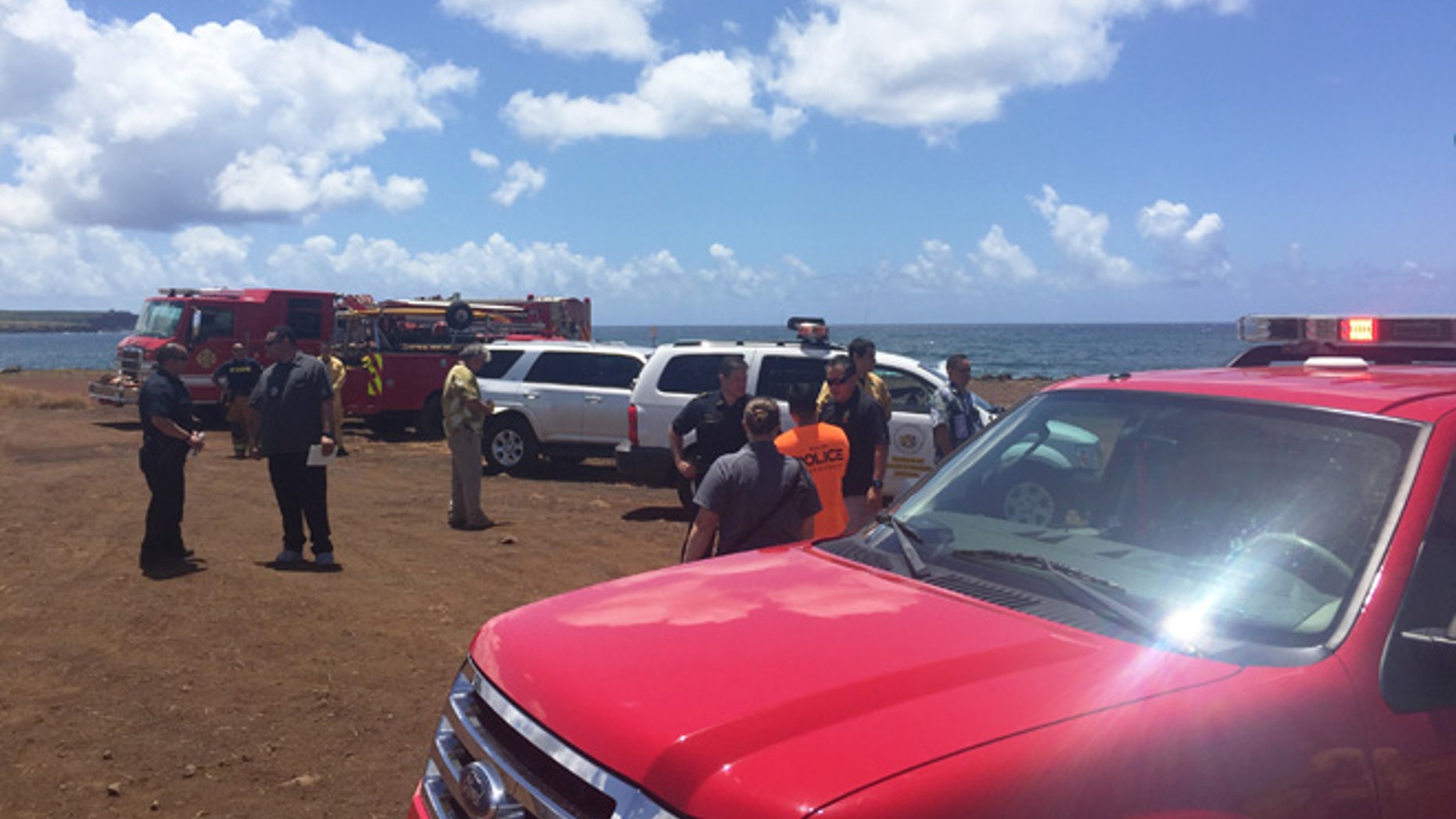
While extremely rare, an airplane crashing into a residential home represents a catastrophic emergency that combines structural collapse, aviation fuel fires, and complex hazardous material exposure. Understanding the underlying factors of these incidents, reviewing recent developments in aviation safety, and knowing how residential areas are evaluated for crash risks can help homeowners contextualize hazards and navigate post-incident protocols.
Historical Context and Statistical Risk Analysis of Residential Aviation Accidents
Statistically, the probability of an aircraft striking a specific residential dwelling remains exceptionally low, but such events do occur, typically during the takeoff and landing phases of flight near airports. General aviation aircraft—including single-engine and twin-engine piston planes—account for the majority of off-field accidents that impact structures, largely due to their higher frequency of operation, lower cruising altitudes, and greater vulnerability to mechanical failure or adverse weather compared to commercial airliners.
Commercial aviation accidents involving residential zones are even rarer due to strict air traffic control corridors, advanced navigation systems, and mandatory safety buffers around major metropolitan airports. However, when incidents do happen near smaller regional airfields or private airstrips, they frequently draw intense media scrutiny and spark local regulatory reviews regarding zoning laws, tree clearances, and perimeter safety zones. Analyzing historical data helps aviation authorities and urban planners refine risk assessment models, though predicting the precise trajectory of a crippled aircraft remains an inherent challenge in flight safety.
Navigating Latest News and Incident Reporting
When an aviation accident impacts a neighborhood, the immediate aftermath involves a complex multi-agency response, followed by intensive investigative reporting and official updates. Keeping track of developing news requires relying on verified sources, such as the National Transportation Safety Board (NTSB) in the United States or equivalent international civil aviation authorities, rather than unverified social media reports.
Official investigations into structural impacts follow a rigorous protocol. Investigators examine flight data recorders when available, air traffic control communications, pilot medical histories, meteorological conditions, and aircraft maintenance logs. For homeowners and community members seeking updates on recent incidents, official government safety bulletins and accredited aviation journalism outlets provide the most accurate assessments of probable cause and safety recommendations. Media coverage often highlights community concerns regarding airport proximity, prompting local authorities to re-examine zoning guidelines and emergency response readiness.
Emergency Response Protocols for Structural Aircraft Impacts
The immediate response to an aircraft striking a house involves specialized emergency services trained to handle hazardous materials, structural instability, and severe thermal events. Aviation fuel, such as Jet-A or 100LL aviation gasoline, ignites rapidly and burns at extremely high temperatures, creating volatile fire conditions that require specialized foam suppression systems rather than standard water streams alone.
First responders prioritize life safety, perimeter containment, and evacuation of adjacent properties to protect against secondary explosions or structural collapses. Homeowners can enhance their basic awareness of local emergency procedures by understanding community disaster response plans, identifying neighborhood evacuation routes, and recognizing the hazards associated with downed utility lines or compromised gas mains that frequently accompany structural impacts.
| Incident Phase | Primary Operational Focus | Key Participating Agencies | Principal Hazards |
|---|---|---|---|
| Immediate Response | Fire suppression, rescue, and perimeter security | Fire departments, local police, EMS | Jet fuel fires, structural collapse, downed power lines |
| Investigation | Evidence collection, wreckage mapping, data retrieval | NTSB, FAA, local coroner | Hazardous materials, unstable debris fields |
| Remediation | Environmental cleanup, structural shoring, debris removal | Environmental protection agencies, insurance adjusters | Soil contamination, asbestos, sharp metal debris |
| Recovery | Claims processing, structural rebuilding, zoning review | Local government, municipal planning, insurance providers | Financial loss, long-term displacement, zoning disputes |
Insurance, Liability, and Financial Protection Measures
Dealing with the aftermath of an aircraft striking a residential property involves intricate insurance and legal considerations. Standard homeowner insurance policies generally cover damage caused by falling objects, which typically includes aircraft impacts, but policy limits, deductibles, and exclusions vary significantly depending on the carrier and geographic location.
When an aircraft hits a house, liability may extend beyond standard property insurance into aviation liability coverage carried by the aircraft owner or operator. If the aircraft was operated commercially, corporate or charter insurance policies apply. Navigating these claims requires comprehensive documentation of structural damage, personal property loss, and temporary relocation expenses. Homeowners living near active flight paths or private airfields should regularly review their property insurance policies to ensure adequate coverage limits for total loss scenarios and catastrophic structural rebuilding.
Regulatory Standards and Airport Land-Use Compatibility
Governments and aviation regulators enforce strict land-use compatibility guidelines to minimize the exposure of residential communities to aviation risks. These frameworks govern runway protection zones (RPZs), height restrictions for surrounding structures, and noise contour mapping that dictates where residential development is permissible relative to active runways.
Municipal planning boards work alongside aviation agencies to restrict high-density residential zoning directly beneath primary approach and departure corridors. However, existing neighborhoods established decades before modern zoning standards often sit adjacent to expanding regional airports. In these areas, ongoing policy discussions focus on voluntary property acquisition programs, sound insulation retrofits, and enhanced obstacle clearance surfaces to balance regional transportation needs with community safety.
Frequently Asked Questions About Residential Aviation Safety
What are the chances of an airplane crashing into a house?
The statistical probability of an airplane striking a specific residential home is extremely low. Most aviation accidents occur near airports during takeoff or landing, making homes located immediately adjacent to runway protection zones or under low-altitude flight paths statistically more vulnerable than those in remote or unrestricted areas.
Does standard homeowners insurance cover airplane crashes?
Yes, standard homeowners insurance policies typically cover damage caused by falling objects, which encompasses aircraft impacts. However, coverage amounts depend on policy limits, actual cash value versus replacement cost provisions, and whether the damage exceeds standard policy caps, potentially requiring supplementary liability claims against the aircraft owner's insurance.
Who investigates airplane crashes into residential structures?
In the United States, the National Transportation Safety Board (NTSB) leads investigations into civil aviation accidents, with assistance from the Federal Aviation Administration (FAA). Local law enforcement and fire marshals also participate to secure the scene, investigate potential criminal activity, and manage public safety hazards.
What should residents do if an aircraft crashes nearby?
Residents should evacuate the immediate area immediately to avoid toxic smoke, burning aviation fuel, and potential structural collapses. Call emergency services instantly and avoid approaching the wreckage due to hazards such as unburned fuel, sharp shrapnel, compressed gas cylinders, and compromised electrical grids.
How do zoning laws protect houses from aviation hazards?
Zoning laws restrict high-density residential development within Runway Protection Zones and beneath critical approach and departure paths. These regulations limit building heights and population densities in high-risk sectors to minimize exposure to potential flight anomalies.
Where can I find official news and safety reports on recent aviation incidents?
Official information regarding aviation accidents and safety recommendations is published directly by government investigative agencies such as the NTSB or international equivalents. Reputable aviation journalism outlets also provide detailed, fact-checked reporting on ongoing safety investigations.
Practical Next Actions for Property Risk Awareness
For homeowners concerned about proximity to flight paths or regional airfields, proactive engagement involves verifying local municipal zoning maps, consulting with insurance agents regarding comprehensive property coverage, and staying informed about proposed changes to local airport master plans. Understanding these safeguards ensures realistic risk perception and preparedness for unexpected emergencies.