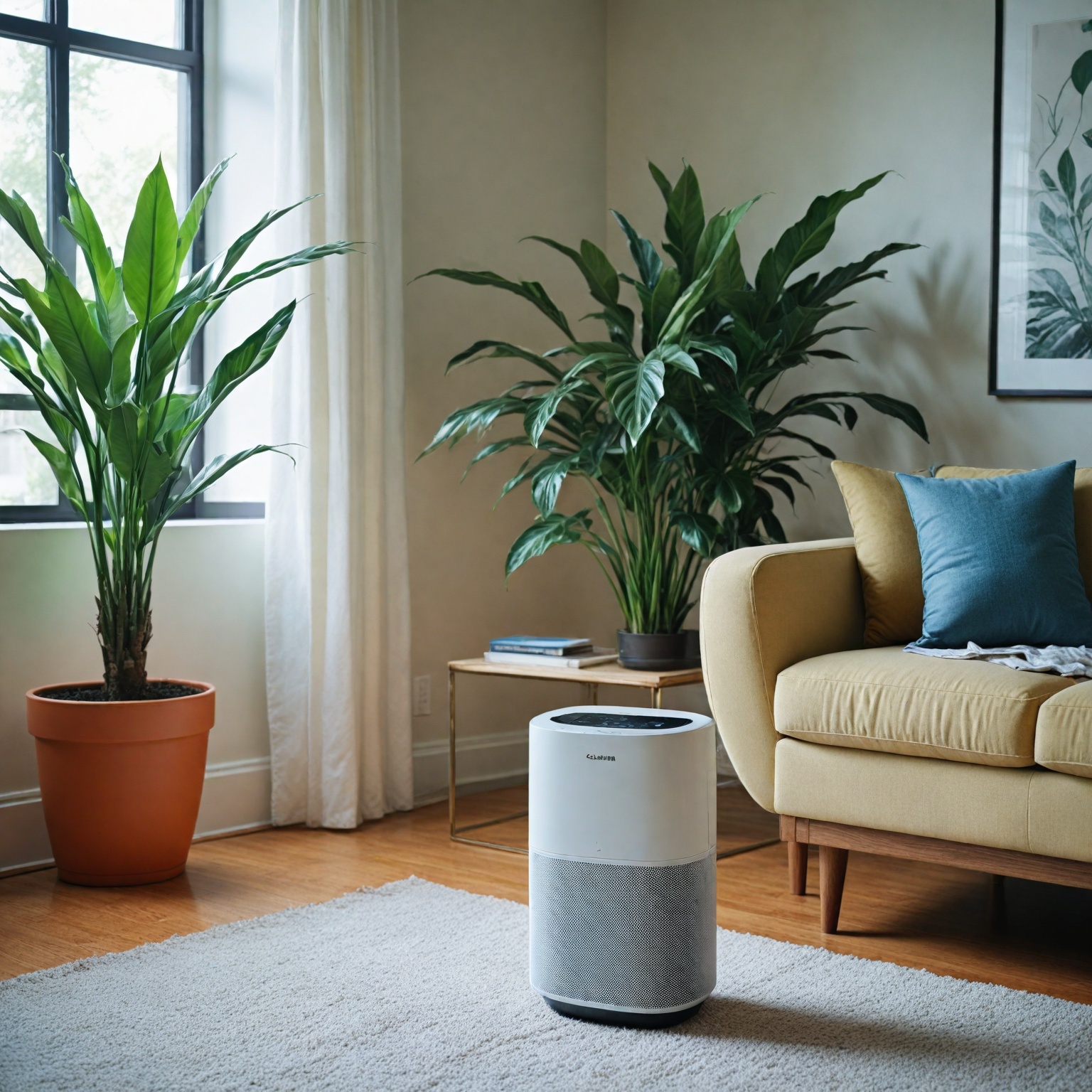
The Airocide air purifier utilizes a NASA-developed Photocatalytic Oxidation (PCO) technology originally designed to destroy ethylene gas on space missions, differentiating it from traditional HEPA filtration units by mineralizing organic pollutants rather than trapping them on a physical medium. Evaluating its real-world performance requires examining how its unique mechanism operates, its strengths in destroying gaseous compounds, and its notable limitations regarding particulate matter and operating costs.
Understanding Airocide and Its NASA-Derived Roots
Air purification technology has evolved significantly over the past several decades, expanding from basic fiberglass furnace filters to complex multi-stage electronic systems. Within this landscape, Airocide occupies a distinct niche. Developed initially through a grant from the National Aeronautics and Space Administration (NASA) to eliminate ethylene gas and volatile organic compounds (VOCs) in closed-loop space systems, the core technology was subsequently commercialized for consumer and medical environments.
Unlike standard air cleaners that rely on high-efficiency particulate air (HEPA) filters to capture dust, pollen, and pet dander, Airocide approaches indoor air quality through molecular destruction. The system draws ambient air into a reaction chamber where air passes over a catalyst-coated matrix illuminated by high-intensity ultraviolet (UV-A) light. This process, known as Photocatalytic Oxidation, breaks down organic molecules at a microscopic level, converting harmful gases and biological contaminants into harmless vapor and carbon dioxide trace elements.
Examining the truth about Airocide air purifier performance necessitates looking beyond marketing claims. While the physics of PCO are well-documented in scientific literature, translating laboratory efficiency into residential or commercial room performance involves variables such as airflow dynamics, dwell time, and the concentration of pollutants. Understanding these foundational mechanics helps consumers align their air quality goals with the specific capabilities of this device.
How Photocatalytic Oxidation (PCO) Operates
The operational core of every Airocide unit is its PCO reactor chamber. To understand how this air purifier performs, one must evaluate the two primary components working in tandem: the catalyst sleeves and the UV-A lamps.
When ambient air is drawn through the unit, it passes through an initial sleeve coated with a specialized titanium dioxide catalyst. The internal UV-A lamps illuminate this catalyst surface, initiating a catalytic reaction. When moisture and oxygen molecules in the air interact with the activated titanium dioxide, hydroxyl radicals and super-oxide ions are generated. These reactive oxygen species instantly oxidize organic contaminants upon contact.
| Feature / Metric | Airocide PCO System | Traditional HEPA Air Purifier |
|---|---|---|
| Primary Mechanism | Molecular destruction via oxidation | Physical trapping and straining |
| Particle Size Target | VOCs, gases, bacteria, viruses, mold | Particulates down to 0.3 microns (and smaller) |
| Filter Replacement | Annual replacement of reaction chamber | Replacement of HEPA filters every 6 to 12 months |
| Ozone Production | None (closed catalytic reaction) | None (in certified units) |
| Airflow Resistance | Low to moderate through catalyst sleeves | High resistance through dense filter media |
A major distinction of the Airocide implementation of PCO is its ability to target the smallest volatile organic compounds, chemical fumes, and microbial pathogens. Because these microscopic entities often slip through or pass completely unhindered through standard physical filters, the chemical breakdown method offers a complementary approach to indoor air sanitation. However, the efficacy of PCO depends heavily on "dwell time"—the duration that air remains in contact with the catalytic surface. If air moves too quickly through the chamber, the oxidation process is truncated, reducing single-pass efficiency.
Evaluating Practical Performance: Strengths and Weaknesses
Analyzing Airocide reviews and independent performance tests reveals a distinct profile of strengths and weaknesses. Prospective buyers must weigh these factors carefully against their specific indoor air quality challenges.
Strengths in Gas and Biological Elimination
The primary strength of the Airocide unit lies in its handling of gaseous pollutants, odors, and biological agents. Because PCO mineralization breaks chemical bonds, the device excels at reducing indoor air pollution originating from building materials, cleaning supplies, cooking fumes, and off-gassing furniture.
Furthermore, clinical testing commissioned by the manufacturer demonstrates high efficacy in neutralizing airborne bacteria, viruses, and mold spores. Because these biological entities are composed of organic matter, the hydroxyl radicals attack their cellular walls or protein coats, rendering them inert. For allergy sufferers sensitive to mold or individuals with compromised immune systems requiring sterile environments, this capability provides a distinct advantage over standard carbon-filtered units that may allow trapped bacteria to colonize inside the filter medium.
Limitations with Large Particulate Matter
Despite its prowess with gases and microorganisms, Airocide's performance drops when confronted with heavy loads of large particulate matter. Because the system does not incorporate a traditional dense HEPA filter as its primary stage, it is not engineered to clear a room rapidly of heavy dust plumes, dense pet hair, or large airborne debris.
While some modern iterations include preliminary sleeves to catch larger lint, consumers seeking relief from heavy dust or visible particulate pollution often find that Airocide alone leaves something to be desired. It functions more as a molecular purifier than a particulate scrubber. Consequently, users with severe particulate allergies frequently pair an Airocide unit with a separate, dedicated HEPA filtration system to achieve comprehensive air treatment.
Cost Considerations and Maintenance Realities
An objective review of any high-end air purifier must account for total cost of ownership, which encompasses purchase price, electricity consumption, and recurring maintenance expenses.
Airocide units typically occupy the premium segment of the consumer air purifier market. This initial investment reflects the specialized engineering of the reaction chambers and medical-grade manufacturing standards. Beyond the upfront cost, users must factor in the ongoing requirement for chamber replacements.
Unlike washable permanent filters or multi-year HEPA cartridges, Airocide’s catalytic reactor chambers (which integrate the UV lamps and catalyst into a single modular assembly) generally require replacement once a year under continuous operation. The manufacturer designs these chambers as consumable units because the catalytic surfaces can gradually lose efficiency over extended periods of continuous chemical bombardment, and the UV-A lamps naturally degrade in intensity. Failing to replace the chamber on schedule leads to a progressive decline in purification performance. Electricity consumption, conversely, remains relatively modest, comparable to standard desktop computing equipment running continuously.
Comparing Airocide to Conventional Air Cleaning Technologies
Choosing the right air purifier requires understanding how Airocide stacks up against mainstream alternatives like HEPA purifiers, activated carbon units, and electronic ionizers.
Traditional HEPA purifiers are the gold standard for trapping particulate matter. They remove 99.97% of particles down to 0.3 microns in size. However, standard HEPA filters do nothing to neutralize gaseous VOCs unless supplemented by a thick bed of activated carbon. Even then, carbon filters saturate over time and can eventually release trapped odors back into the room if not replaced promptly.
Electronic ionizers and electrostatic precipitators charge airborne particles so they drop to the floor or stick to collector plates. However, many traditional ionizers generate ozone—a lung irritant that can exacerbate asthma and other respiratory conditions. Airocide’s PCO technology operates differently; it achieves oxidation on a closed internal catalytic surface, avoiding the emission of harmful ozone into the living space.
By mapping these technologies against individual needs, users can determine whether the chemical destruction method of Airocide or the physical trapping method of HEPA aligns better with their household environment.
Frequently Asked Questions
Does Airocide produce ozone during operation?
No, certified Airocide units do not emit ozone. The Photocatalytic Oxidation reaction occurs entirely within the sealed internal reactor chamber on the surface of the titanium dioxide catalyst, ensuring that reactive species and UV light do not escape into the treated room air.
How often do Airocide reactor chambers need to be replaced?
Under normal continuous operating conditions (24 hours a day, 7 days a week), the reactor chambers should be replaced approximately once a year. The unit features an indicator light or digital alert system that notifies the user when the chamber has reached the end of its effective lifespan.
Is Airocide effective against pet odors and smoke?
Yes, Airocide is highly effective against pet odors, volatile organic compounds, and light smoke. Because these odors are composed of gaseous chemical compounds, the PCO technology breaks down the odor-causing molecules rather than merely masking them with fragrances or trapping them temporarily.
Can Airocide replace a HEPA air purifier for dust allergies?
Not entirely. While Airocide destroys microscopic biological allergens like mold spores and bacteria, it lacks the dense physical media of a true HEPA filter. Therefore, it is less effective at pulling heavy dust, lint, and large pet dander out of the air compared to a dedicated HEPA filtration system.
Why is Airocide more expensive than standard air purifiers?
The higher price point is driven by its specialized NASA-derived PCO technology, medical-grade construction materials, and the use of integrated reactor chambers that combine UV-A lamps and proprietary catalyst coatings into a single precision-engineered module.
Determining Your Best Course of Action
When deciding whether an Airocide purifier fits your indoor air quality requirements, assess your primary pollutant concerns. If your household struggles primarily with chemical sensitivities, severe chemical off-gassing, persistent odors, airborne mold, or viral and bacterial transmission in closed spaces, the molecular destruction capabilities of Airocide deliver proven performance. Conversely, if your main objective is sweeping dust eradication and particulate reduction, prioritize a unit equipped with certified HEPA filtration or consider running an Airocide alongside a traditional particulate scrubber for a dual-action defense strategy.