Airline status refers to elite frequent flyer tier recognition that grants passengers priority services, lounge access, and bonus mileage rewards in exchange for consistent customer loyalty. Achieving this standing requires meeting specific annual spending and distance thresholds set by commercial air carriers.
The Foundations of Frequent Flyer Programs and Elite Tiers
Frequent flyer programs began as basic marketing tools designed to reward repeat passengers, but they have evolved into complex, tiered ecosystems that generate substantial ancillary revenue for commercial airlines. At their core, these programs incentivize brand loyalty by offering incremental benefits as a traveler flies more frequently with a specific carrier or its alliance partners.
Understanding how airline status works requires examining the underlying architecture of these loyalty schemes. Most major legacy carriers operate tiered structures that generally range from entry-level memberships to mid-tier recognition, and finally to top-tier elite status. Each step up the ladder introduces increasingly valuable privileges intended to reduce friction throughout the airport and flight experience.
Carriers measure passenger loyalty using specific metrics, traditionally focusing on physical distance flown, but increasingly shifting toward revenue generated. This structural shift ensures that airlines extract higher yields from their most visible elite members, aligning customer rewards directly with corporate profitability. Consequently, navigating the landscape of airline status demands a firm grasp of both operational mechanics and changing qualification metrics.
Mechanics of Qualification: Miles, Segments, and Revenue
Securing airline status requires accumulating qualifying metrics within a defined calendar or program year. Airlines typically evaluate passenger activity using three primary currencies: Elite Qualifying Miles (EQMs), Elite Qualifying Segments (EQSs), and Elite Qualifying Dollars (EQDs) or their equivalent spend-based metrics.
EQMs measure the actual physical distance flown, often modified by the fare class purchased. Premium cabins or flexible tickets frequently award bonus EQMs, accelerating a traveler's path to status. EQSs count the individual flight legs flown, regardless of distance, which benefits regional travelers who take many short flights. EQDs track the actual monetary amount spent on airfare and carrier-imposed surcharges, excluding government-mandated taxes and fees.
Many global airlines now rely entirely on revenue-based qualification models, minimizing the value of cheap, long-distance mileage runs. Furthermore, co-branded credit cards frequently offer waiver provisions or direct boosts toward status tiers based on annual card expenditure. Travelers must carefully analyze their preferred carrier's specific formula to determine the most cost-effective path toward maintaining or upgrading their standing.
Comparison of Major Elite Status Qualification Pathways
| Qualification Metric | Description | Primary Beneficiary | Typical Annual Requirement (Mid-Tier) |
|---|---|---|---|
| Elite Qualifying Miles (EQMs) | Distance-based calculation adjusted by fare class. | Long-haul international business and leisure travelers. | 25,000 to 50,000 miles |
| Elite Qualifying Segments (EQSs) | Count of individual flight takeoffs and landings. | Frequent short-haul regional commuters and business flyers. | 30 to 60 segments |
| Elite Qualifying Dollars (EQDs) | Total monetary spend on airfare and eligible extras. | High-yield business travelers purchasing last-minute tickets. | $3,000 to $6,000 USD |
| Co-Branded Credit Card Spend | Financial card volume contributing status boosters or spend waivers. | High-spending domestic consumers utilizing partner financial products. | $25,000 to $150,000 USD |
Privileges and Perks Associated with Airline Status
The primary motivation for pursuing airline status is the tangible suite of airport and in-flight privileges designed to streamline travel. While mid-tier status typically offers essential conveniences, top-tier status unlocks comprehensive luxury and operational flexibility during irregular operations.
Airport privileges usually begin with priority check-in lanes, expedited security screening access where available, and increased baggage allowances that waive standard fees while providing higher weight limits. Priority boarding allows elite members to secure overhead bin space before general boarding groups are called. Additionally, standby priority for earlier flights and cleared upgrades to domestic first class or international premium cabins represent some of the most sought-after benefits.
In-flight and ground lounge access forms a cornerstone of the elite experience. Top-tier members routinely gain entry to domestic airline clubs and international alliance lounges, featuring complimentary dining, beverages, and quiet workspaces. Furthermore, many programs grant bonus redeemable miles on every paid flight, allowing elite members to accumulate award currency at an accelerated rate for future travel.
Navigating Airline Alliances and Partner Benefits
Major international airlines consolidate their loyalty offerings through global alliances, primarily Oneworld, SkyTeam, and Star Alliance. These networks allow frequent flyers to earn and redeem miles across member airlines while providing reciprocal elite recognition when flying on partner metal.
Alliances categorize elite status into standardized tiers, such as Oneworld Ruby, Sapphire, and Emerald, or Star Alliance Silver and Gold. When a traveler achieves a specific tier within one member airline, the alliance framework translates that standing into equivalent reciprocal benefits across all participating carriers. For example, holding a Star Alliance Gold status grants lounge access and priority baggage handling regardless of whether the ticket is issued by United Airlines, Lufthansa, or Singapore Airlines.
However, navigating partner benefits requires attention to detail regarding specific exclusions. Lounge access policies, upgrade clearing rules, and baggage exemptions can vary slightly depending on the operating carrier's own operational policies and domestic lounge partnership agreements. Travelers must verify whether partner flights fully credit toward primary status qualification or if specific fare classes are excluded from earning.
Common Pitfalls and Strategies for Maximizing Status Value
Pursuing and maintaining airline status involves financial commitments and strategic planning that can easily result in diminished returns if not managed correctly. A frequent trap for leisure travelers is "status chasing," where individuals spend significantly more out of pocket on premium fares or unnecessary flights solely to retain a tier that they do not utilize frequently enough to justify the cost.
Another operational hurdle involves airline program devaluations. Carriers frequently alter award charts, adjust earning formulas, or modify upgrade clearing hierarchies without extensive notice, which can diminish the practical value of elite perks. To mitigate these risks, travelers should adopt a flexible approach to airline loyalty, avoiding excessive dedication to a single carrier if competing airlines offer better pricing or routing for specific itineraries.
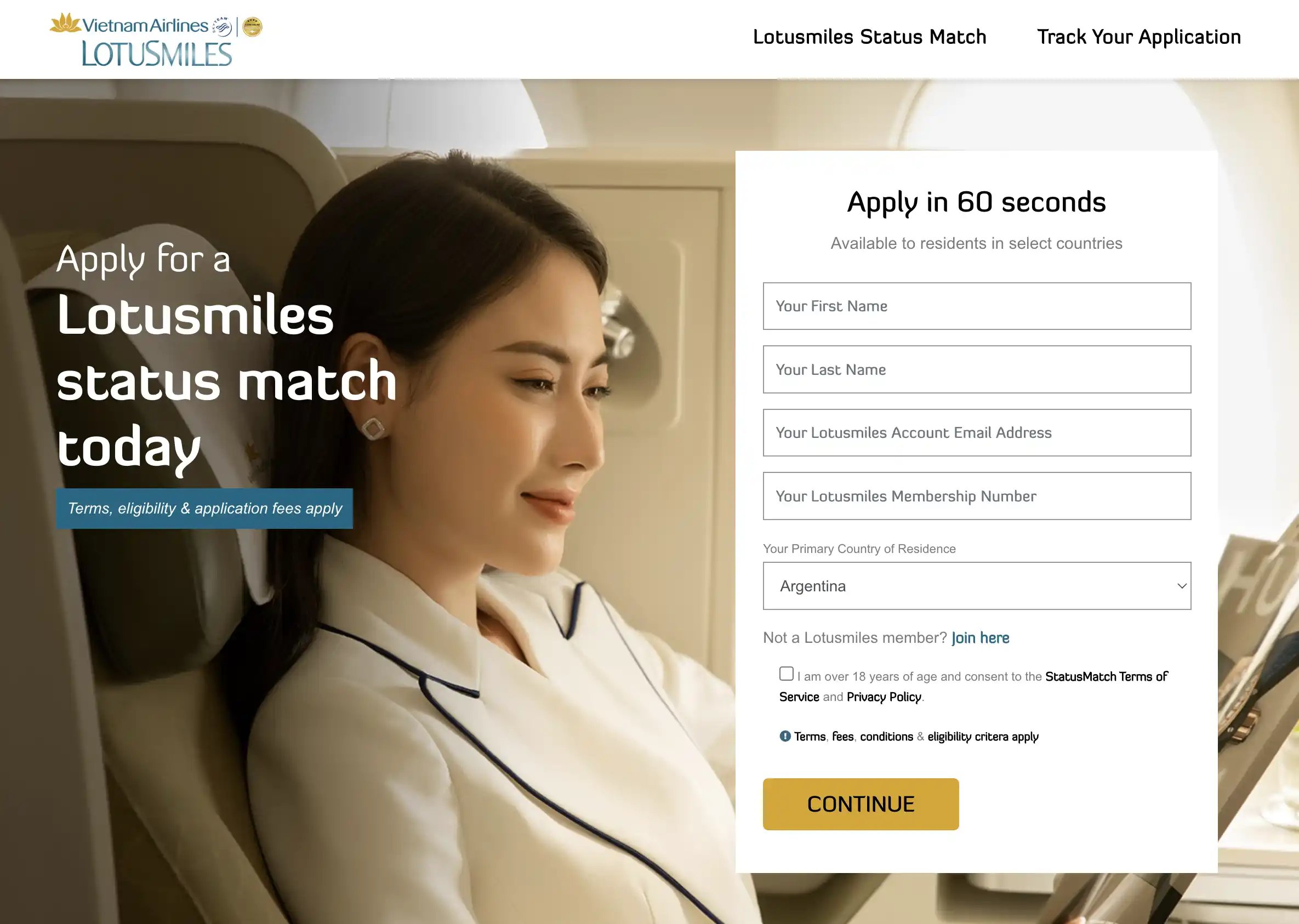
Maximizing the value of airline status requires aligning travel patterns with program rules. Travelers should leverage credit card promotions, targeted status matches, and challenge periods offered by airlines looking to poach frequent flyers from competitors. Carefully timing ticket purchases and concentrating travel within a single alliance further ensures maximum return on investment.
Strategic Next Steps for Managing Frequent Flyer Standing
Evaluating whether to pursue airline status requires auditing your historical flight patterns, annual travel budget, and regional airport dominance. If your travel is heavily concentrated on a specific hub carrier, achieving elite status can dramatically improve your weekly travel experience through reliable upgrades and streamlined airport navigation. Conversely, if your routes vary widely or your travel is primarily leisure-oriented, paying out-of-pocket for specific a-la-carte services like lounge passes and priority boarding often proves more economical than chasing annual elite thresholds. Review your preferred airline's exact qualification guide at the start of each program year to map out a realistic, cost-effective strategy.