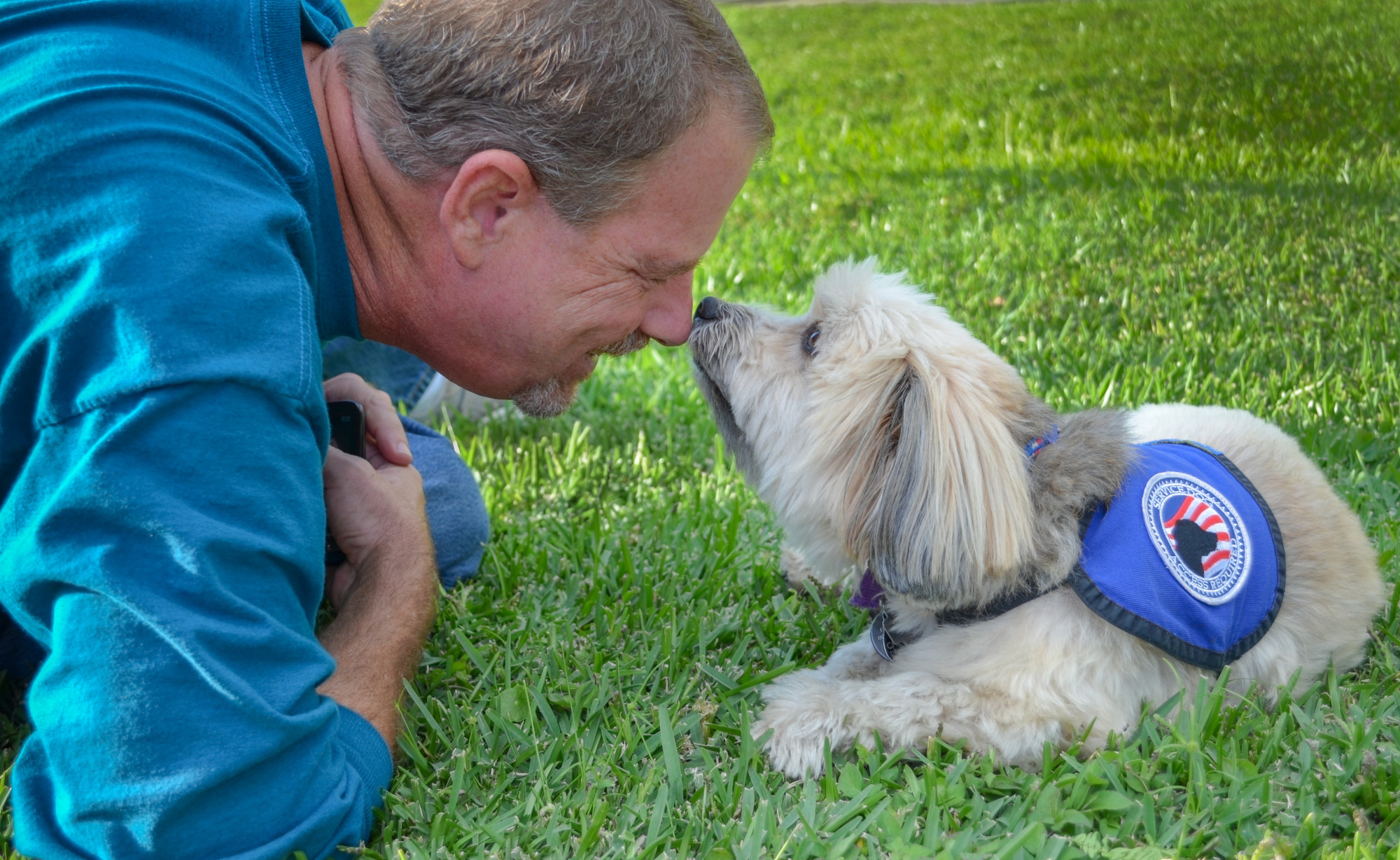
Federal regulations define a service animal strictly as a dog that is individually trained to do work or perform tasks for the benefit of an individual with a disability, including physical, sensory, psychiatric, intellectual, or other mental disabilities. Understanding airline service animal rules requires navigating specific Department of Transportation guidelines, mandatory documentation, and individual carrier policies to ensure a seamless travel experience for handlers and their working dogs.
Understanding the Federal Definition and Scope
The United States Department of Transportation (DOT) enforces regulations under the Air Carrier Access Act (ACAA) that govern how air carriers treat passengers with disabilities traveling with service animals. Under these federal rules, emotional support animals (ESAs) are no longer classified as service animals. Airlines are legally required to recognize only trained dogs as service animals, while other species—regardless of training or past designation—may be transported as traditional pets under standard airline cargo or cabin pet policies, subject to associated fees and container restrictions.
To qualify under airline service animal rules, the animal must be a dog. Miniature horses are the only exception explicitly recognized under specific public accommodation guidelines, though individual airlines maintain varied policies regarding whether they accommodate them in the cabin due to space and safety constraints. The dog's tasks must be directly related to the handler's disability. Examples include guiding individuals who are blind or low vision, pulling a wheelchair, alerting a person to a seizure, or alerting individuals to sudden changes in blood glucose levels.
Furthermore, the animal must be under the control of its handler at all times through the use of a harness, leash, or other tether. If the animal is not under control, or if it exhibits aggressive behavior such as growling, lunging, or snapping at passengers or crew, airlines possess the legal authority to deny boarding or remove the animal mid-journey. Handlers are entirely responsible for the behavior, care, and hygiene of their service animal throughout the duration of the travel itinerary.
Mandatory Documentation and the DOT Service Animal Air Transportation Form
When preparing for a flight, passengers must complete and submit the official U.S. Department of Transportation Service Animal Air Transportation Form before boarding. This document serves as a legal attestation regarding the animal's health, training, and behavioral compliance. Airlines cannot require additional medical documentation or specialized training certificates unless they have a specific reason to doubt the animal’s status or behavior.
The DOT form requires the handler to certify several key conditions:
- The animal has been vaccinated for rabies and is free of contagious diseases.
- The animal has been trained to behave properly in public settings and around crowds.
- The animal will not relieve itself on the aircraft, or can do so in a way that does not create a health or sanitation hazard, typically by using an absorbent pad or designated relief area.
- The handler understands that if the animal causes damage or behaves aggressively, the airline may charge for repairs or deny future transportation.
For flights scheduled to last eight hours or longer, airlines may also require a second document: the U.S. Department of Transportation Service Animal Relief Attestation Form. This form requires the handler to confirm that the animal will not need to relieve itself during the flight, or that it can do so in a way that does not create a public health issue. Completing these forms accurately and submitting them through the airline's designated digital portal prior to arrival at the airport prevents unnecessary delays at the security checkpoint and boarding gate.
Airport Navigation and Transportation Security Administration (TSA) Procedures
Navigating the airport terminal with a service animal involves specific protocols enforced by the Transportation Security Administration (TSA). Service animals must pass through the security screening checkpoint alongside their handlers. Handlers do not need to remove the animal's harness or leash during screening, but the animal must walk through the advanced imaging technology or metal detector with the handler.
If the animal cannot walk through the metal detector—such as very small dogs carried in the arms of their handler—alternative screening procedures apply. TSA agents may perform a pat-down of the handler and conduct explosives trace detection on the handler's hands, leash, or harness. It is essential to arrive at the airport early to accommodate these security measures, particularly during peak travel hours when checkpoint wait times are elevated.
| Requirement / Process | DOT Service Animal Form | TSA Security Screening | Airline Cabin Policies |
|---|---|---|---|
| Primary Purpose | Attests to health, training, and behavioral compliance | Screens handler and animal for security and prohibited items | Governs space allocation, seating, and boarding protocols |
| Timing | Submitted digitally prior to flight or at the ticket counter | Performed at airport security checkpoint before boarding | Managed during booking and check-in procedures |
| Enforcing Body | U.S. Department of Transportation / Air Carrier | Transportation Security Administration (TSA) | Individual commercial air carriers |
| Failure Consequences | Denial of boarding or reclassification as a pet | Secondary screening or prohibited terminal access | Reassignment of seating or refusal of carriage |
Once past security, handlers should utilize designated pet relief areas located within the terminal. Most major airports provide these facilities airside, allowing animals to relieve themselves before boarding. Airlines are not required to provide space inside the cabin for animals that cannot fit safely on the floor space in front of the passenger's assigned seat.
Cabin Accommodation, Space Limits, and Seating Restrictions
Accommodating a service animal inside the aircraft cabin depends on the physical dimensions of the animal relative to the available floor space. Federal regulations state that a service animal must fit comfortably on the floor in the area directly in front of the passenger's assigned seat. The animal may not extend into the aisle, block emergency exit paths, or occupy another passenger's footwell.
If a service animal is too large to fit safely in the foot space of the assigned seat, the airline is required to explore alternative solutions. These solutions may include:
- Moving the passenger and service animal to another seat location within the same class of service where more floor space is available, such as a bulkhead row.
- Purchasing an upgrade to a different cabin class that accommodates the animal's size.
- Offering the option to take a later flight with available seating configurations that fit the animal.
Airlines are prohibited from charging a fee for transporting a service animal, even if the animal requires additional space or an upgraded seat to travel safely. However, if the animal requires a second seat because of its extraordinary size, the airline may charge for that additional seat only if it was necessary to accommodate a non-service animal passenger. Service animals are strictly barred from occupying aircraft seats, tray tables, or emergency evacuation pathways.
Addressing Behavioral Issues and Refusal of Carriage
While airlines must accommodate properly trained service animals, they maintain the right to refuse transport under specific, regulated circumstances. A carrier may deny boarding or remove a service animal if the animal poses a direct threat to the health or safety of others, or if its behavior fundamentally alters the operations of the flight.
Examples of behavior that justify refusal of carriage include:
- Unprovoked growling, snapping, jumping on passengers, or biting.
- Continuous barking, whining, or howling that disrupts the cabin environment.
- Inability to maintain control on a leash or through verbal commands.
- Relieving oneself inside the terminal boarding area or aircraft cabin outside of designated sanitation controls.
If an airline refuses carriage, staff must provide a written explanation to the passenger within ten calendar days of the incident detailing the specific reasons for the denial. Passengers who believe their rights under the Air Carrier Access Act have been violated can file a formal complaint with the airline's designated Complaints Resolution Official (CRO) available at the airport or online, or submit an official complaint directly to the Department of Transportation.
Preparing for International Travel with a Service Animal
International flights introduce a complex layer of regulatory compliance that extends beyond standard U.S. domestic airline rules. Foreign jurisdictions and destination countries enforce independent animal import laws, quarantine requirements, and health documentation standards that take precedence over domestic U.S. regulations.
Before booking an international itinerary, handlers must verify the specific animal import protocols of the destination country. Common international requirements include:
- Microchipping with an ISO-compliant transponder.
- Proof of a current rabies vaccination administered after the microchip implantation date.
- Passing a rabies titer blood test (FAVN test) with a waiting period before entry is permitted.
- Issuance of an official international health certificate endorsed by the United States Department of Agriculture (USDA) or the equivalent national agricultural authority.
Failure to secure the precise documentation required by a destination country can result in the animal being placed into mandatory quarantine upon arrival at the traveler's expense or immediately deported back to the point of origin. Travelers should consult the official embassy or agricultural ministry websites of the destination country well in advance of departure to ensure complete adherence to foreign entry mandates.
Frequently Asked Questions
Can an airline charge a fee for transporting a service animal?
No. Under Department of Transportation regulations, airlines are strictly prohibited from charging passengers any fees, surcharges, or transport costs for carrying a trained service animal in the cabin.
Are emotional support animals allowed on planes under current rules?
No. Emotional support animals (ESAs) are not classified as service animals under federal regulations. Airlines are permitted to treat emotional support animals as standard household pets, subjecting them to standard pet fares, carrier rules, and cargo restrictions.
What happens if my service animal behaves aggressively at the airport?
Airlines have the legal authority to refuse boarding or remove an animal from the aircraft if it exhibits aggressive behaviors such as biting, growling, or lunging at passengers or crew members. Handlers are fully responsible for maintaining control of their animals at all times.
Do I need to submit documentation before arriving at the airport?
Yes. Passengers traveling with a service animal must complete and submit the official U.S. Department of Transportation Service Animal Air Transportation Form prior to travel. Many airlines require this digital submission 48 hours before departure.
Can my service animal sit on my lap or in an empty seat during the flight?
No. Service animals must remain on the floor in the foot space directly in front of the handler's assigned seat. They are never permitted to occupy aircraft seats, sit on laps, or block emergency exit aisles.
What should I do if an airline denies boarding to my service animal?
Request to speak immediately with the airline's designated Complaints Resolution Official (CRO) at the airport to resolve the dispute. If the issue is not resolved, you can file a formal complaint with the U.S. Department of Transportation.
Securing Your Travel Plans and Verification Checklist
Prior to departing for the airport, double-check that all digital DOT service animal forms are submitted, vaccination records are current, and destination country entry requirements are satisfied. Confirming these details in advance safeguards your travel schedule and ensures a smooth, compliant journey for both you and your service animal.