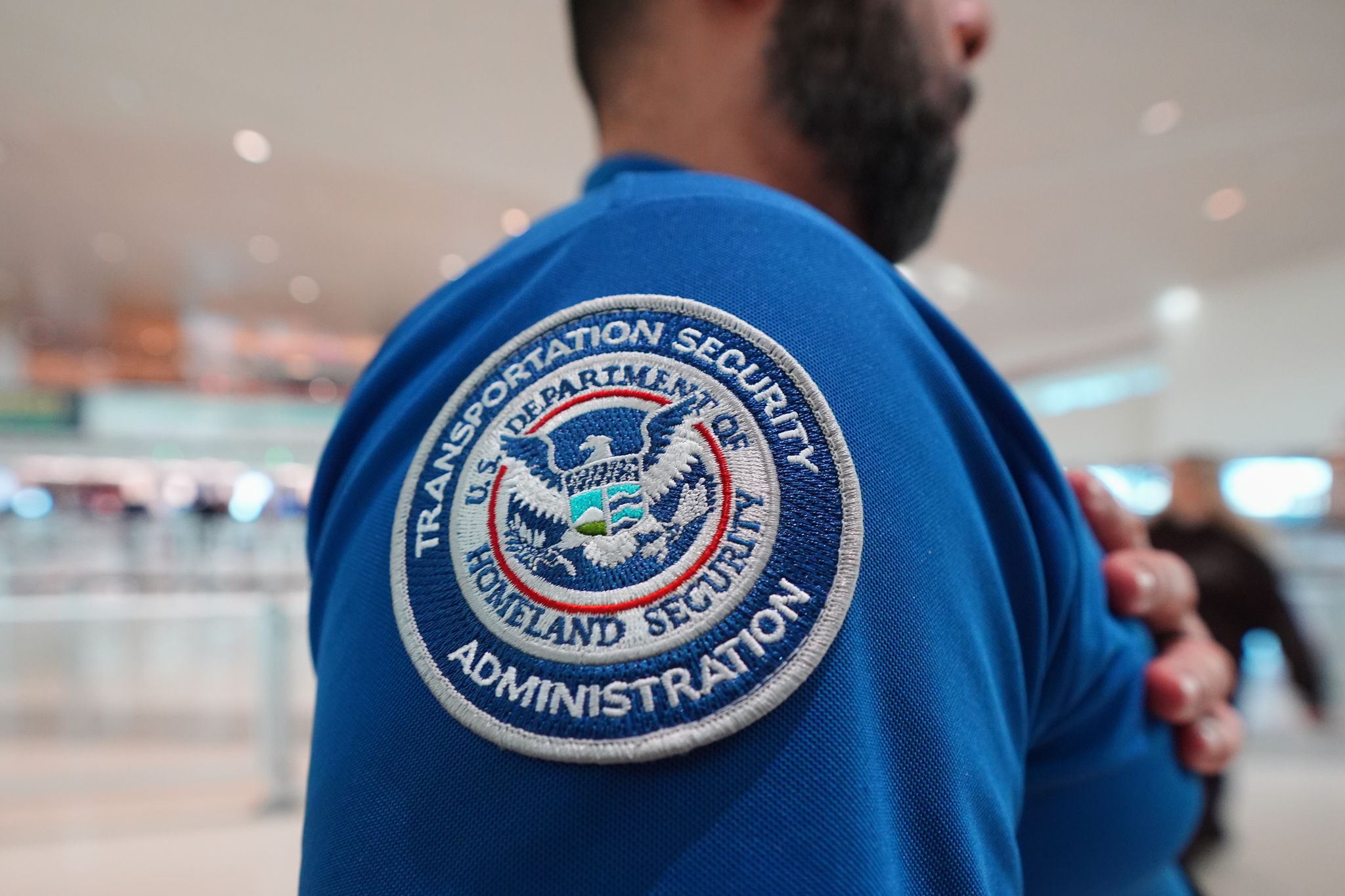
Airline security encompasses the multi-layered system of regulations, technologies, screening procedures, and international protocols designed to protect commercial aviation infrastructure, aircraft, passengers, and crew from unlawful interference, sabotage, and acts of terrorism. Maintaining this security requires continuous risk assessment, standardized screening checkpoints, strict baggage protocols, and coordinated enforcement by national and international governing bodies.
The Evolution and Framework of Global Aviation Security
Modern aviation security operates under a complex framework of international treaties, national legislation, and localized enforcement agencies. The foundation of global civil aviation security is established by the International Civil Aviation Organization (ICAO), a specialized agency of the United Nations that formulates international Standards and Recommended Practices (SARPs) outlined in Annex 17 of the Chicago Convention. These standards require member states to establish national civil aviation security programs, designate competent authorities, and implement security measures tailored to evolving threat environments.
National jurisdictions enforce these frameworks through dedicated government bodies. In the United States, the Transportation Security Administration (TSA), operating under the Department of Homeland Security, regulates civil aviation security. Within the European Union, the European Commission establishes common rules for civil aviation security, which are implemented by member states through national civil aviation security programs and overseen by inspections from the European Commission. These regulatory bodies collaborate closely with airlines, airport operators, and intelligence agencies to share threat data and adapt security postures dynamically.
The operational framework relies on a defense-in-depth model. This philosophy dictates that no single security measure is entirely foolproof; instead, multiple redundant layers of security are layered sequentially. If one layer experiences a vulnerability or failure, subsequent layers—ranging from background checks for airport personnel to reinforced cockpit doors and biometric passenger verification—intervene to mitigate risk and prevent a security breach.
Core Screening Procedures for Passengers and Carry-On Luggage
The passenger screening checkpoint represents the most visible layer of airline security. Passengers and their carry-on baggage must pass through standardized screening processes before entering the sterile area of an airport terminal. These procedures are designed to detect prohibited items, explosives, firearms, knives, and incendiary devices.
Before reaching the physical screening equipment, travelers must present valid travel documents, including a government-issued photo identification or passport, alongside a valid boarding pass. Automated identity verification technologies, such as credential authentication technology, cross-reference travel documents against secure databases to confirm identity and flight status.
Once past document verification, passengers proceed to physical screening stations. Standard procedures require individuals to empty pockets of metallic items, remove outerwear such as coats and jackets, and separate certain electronic devices from their carry-on bags. Screening technologies generally fall into two categories:
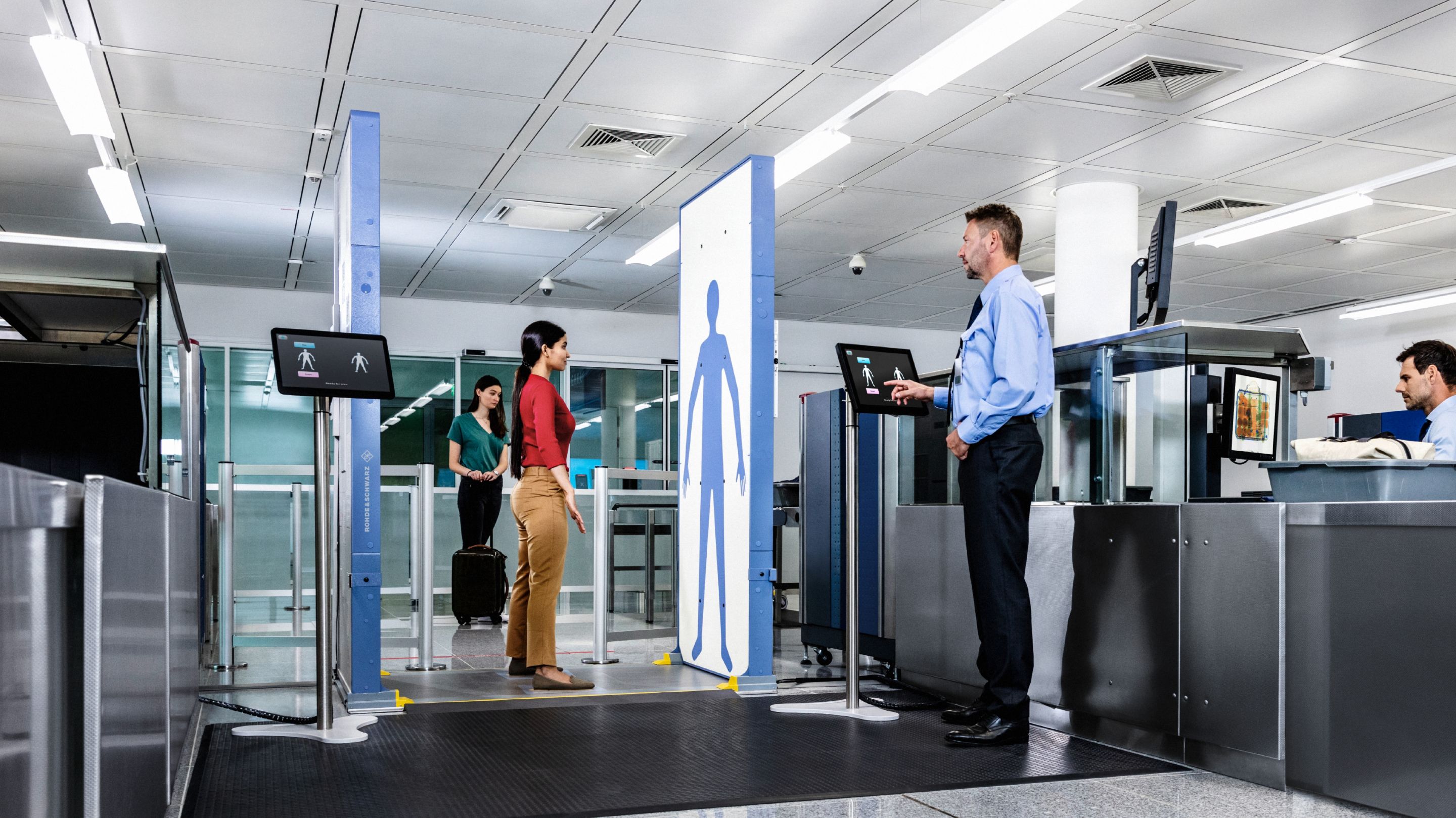
- Advanced Imaging Technology (AIT): Millimeter-wave scanners use non-ionizing electromagnetic waves to detect concealed objects on a person's body, whether metallic or non-metallic. Passengers stand inside a portal while the scanner creates a generic, computer-generated outline of a human body, highlighting areas that require secondary screening.
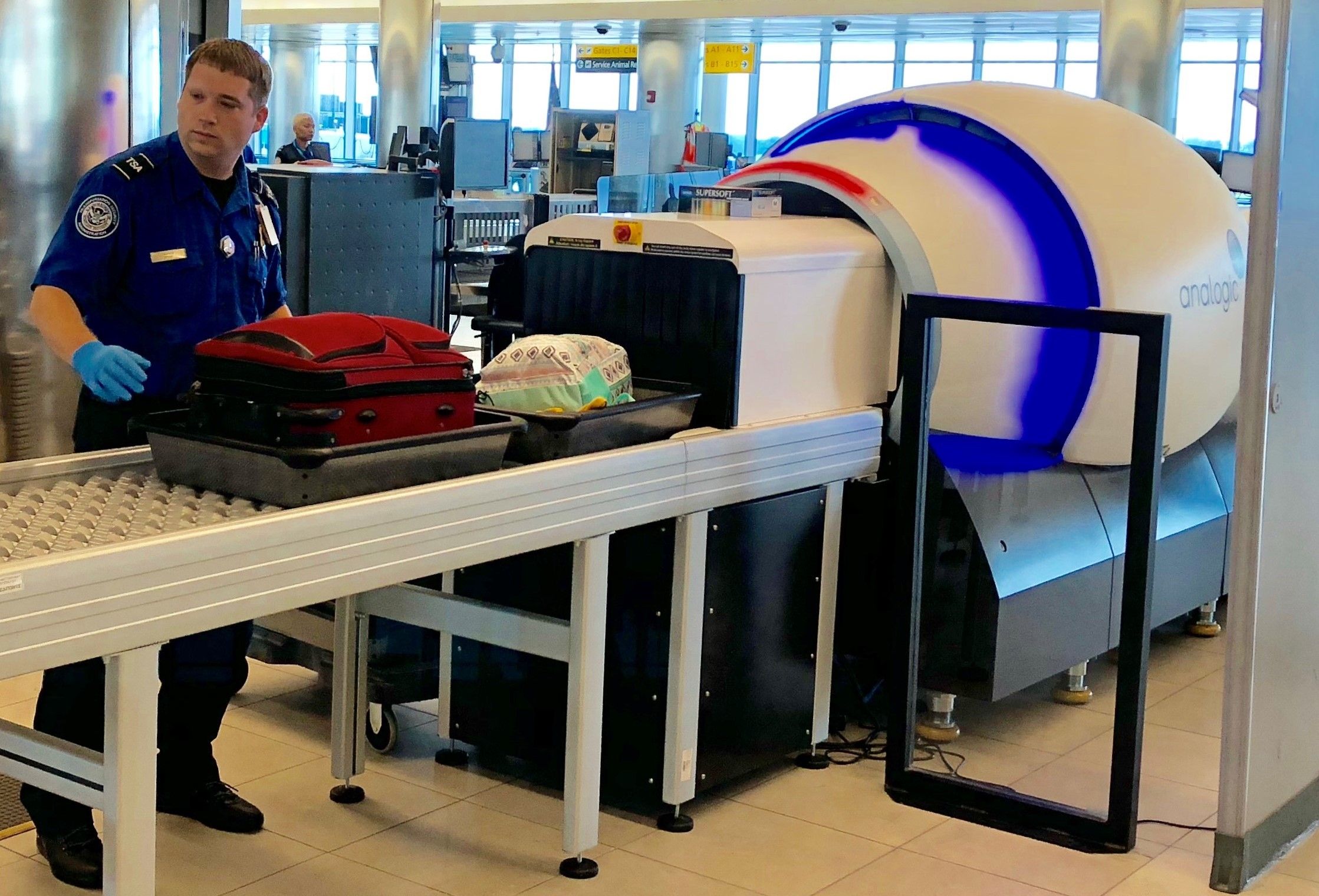
- X-ray and Computed Tomography (CT) Scanners: Traditional X-ray machines generate two-dimensional images of carry-on baggage. Newer Computed Tomography systems generate high-resolution three-dimensional images that security officers can rotate and inspect for explosive materials and complex threats, often allowing passengers to keep electronics and liquids inside their bags.
Liquids, aerosols, and gels carried in cabin baggage remain subject to volume restrictions in many global jurisdictions. Commonly known as the 3-1-1 rule in the United States or corresponding EU regulations, passengers are typically restricted to containers of a specific maximum capacity (usually 100 milliliters or 3.4 ounces) placed inside a single, transparent, resealable plastic bag. These restrictions were originally implemented to mitigate the threat of liquid explosives.
Checked Baggage and Cargo Security Protocols
Security measures extend far beyond the passenger terminal to encompass hold luggage and air cargo shipments. Checked baggage undergoes systematic screening before being loaded onto an aircraft. This process typically utilizes multi-level explosive detection systems (EDS). Level one screening involves automated analysis of baggage via high-speed inline CT scanners. If the automated system detects a potential anomaly or explosive signature, the bag is automatically diverted to secondary levels for manual inspection or resolution by specialized security personnel.
Physical searches of checked bags occur when automated systems cannot clear an item or when prohibited items are identified. In many jurisdictions, passengers are advised to use locks recognized by security agencies (such as Travel Sentry locks in the United States) to allow screeners to open bags without damaging them if a physical inspection is required.
Air cargo security is subject to equally rigorous regulations, given the vast volume of freight transported via commercial passenger and dedicated cargo aircraft. Regulatory frameworks require known consignor programs, where commercial shippers must meet strict supply chain security standards to ensure cargo is secure from the point of origin. Unidentified or unknown cargo undergoes mandatory screening, including the use of large-scale X-ray systems, explosive trace detection, and physical inspection before being cleared for flight loading.
Comparison of Aviation Security Layers and Technologies
| Security Layer | Primary Purpose | Key Technologies & Methods | Operational Focus |
|---|---|---|---|
| Identity & Access | Verify passenger and staff credentials | Credential Authentication Technology (CAT), biometric gates, background checks | Preventing unauthorized entry to airports and sterile areas |
| Passenger Screening | Detect concealed weapons and explosives | Advanced Imaging Technology (AIT), metal detectors, pat-downs | Ensuring individuals entering the cabin are non-threatening |
| Carry-On Inspection | Identify prohibited items in cabin bags | X-ray systems, Computed Tomography (CT), Explosive Trace Detection (ETD) | Preventing dangerous items from reaching the aircraft cabin |
| Checked Baggage | Detect explosives and prohibited items in hold luggage | Inline Explosive Detection Systems (EDS), manual search protocols | Protecting the aircraft structure and occupants from hold-based detonations |
| In-Flight Security | Protect the flight deck and cabin environment | Reinforced cockpit doors, Federal Air Marshals, crew defense training | Mitigating active threats during flight operations |
Behind-the-Scenes Airport Security Measures
While passenger-facing checkpoints are the most familiar aspect of airline security, a vast array of unseen measures protects the aviation ecosystem. Airport perimeter security is managed through physical barriers, intrusion detection systems, closed-circuit television (CCTV) surveillance, and regular patrols by law enforcement and private security forces. Access to restricted areas, including ramps, maintenance hangars, and baggage sorting facilities, is strictly controlled through electronic access control systems and biometric identification cards.
Airport employees, airline staff, and third-party contractors undergo rigorous background checks before receiving employment credentials. These checks typically include fingerprint-based criminal history records checks, employment verification, and continuous vetting against terrorist watchlists.
In-flight security measures have also evolved significantly. Since historical security incidents demonstrated the vulnerability of flight decks, commercial aircraft feature intrusion-resistant, bullet-resistant cockpit doors designed to remain locked throughout the flight. Flight crews receive specialized training in situational awareness, conflict de-escalation, and defensive tactics. Furthermore, programs such as the United States Federal Air Marshal Service deploy armed, undercover law enforcement officers on select domestic and international flights to provide an immediate counter-terrorism response if necessary.
Navigating Airport Security: Best Practices for Travelers
Preparing adequately for airport security screening minimizes delays and ensures compliance with regulatory standards. Travelers can optimize their transit through checkpoints by adhering to established preparation guidelines:
- Review Prohibited Items Lists: Check the official website of the relevant aviation security authority (such as the TSA or EU national civil aviation authority) before packing to verify whether specific items are permitted in carry-on or checked luggage.
- Organize Carry-On Luggage: Pack electronics, liquids, and large items in accessible locations within bags so they can be easily separated if required by screening protocols.
- Wear Appropriate Attire: Choose slip-on shoes and garments without excessive metallic hardware, belts, or bulky layers that may trigger metal detectors or require secondary screening.
- Comply with Instructions Promptly: Follow directional signage and listen carefully to instructions issued by security officers at the checkpoint lanes.
Failure to follow security guidelines can result in extensive delays, secondary screening, confiscation of prohibited items, and potential civil penalties or fines.
Frequently Asked Questions About Airline Security
What happens if I accidentally pack a prohibited item in my carry-on bag?
If a prohibited item is detected in your carry-on luggage, security officers will isolate the bag for secondary inspection. Depending on the nature of the item—such as a sharp object or oversized liquid—you may be given the option to surrender the item, place it in a checked bag, or mail it home if airport facilities permit. Illegal items, firearms, or explosives will result in immediate law enforcement intervention.
Are laptops and electronics always required to be removed from bags?
The requirement to remove laptops and large electronics from carry-on bags depends on the specific imaging technology deployed at the security checkpoint. Traditional 2D X-ray systems typically require electronics to be removed so that internal components can be clearly inspected. Modern Computed Tomography (CT) scanners generate 3D images that allow security officers to inspect bags without requiring electronic devices to be removed.
Can I bring prescription medications and medical liquids through security?
Yes, medically necessary liquids, aerosols, gels, and medications are exempt from standard volume restrictions (such as the 3.4-ounce limit). Passengers should declare these items to security officers before screening begins. While medical documentation or prescriptions are not universally required by all regulatory agencies, having them readily available can facilitate the screening process.
How early should I arrive at the airport to clear security?
General travel recommendations advise arriving at the airport two hours before domestic flights and three hours before international flights. Peak travel times, holiday seasons, busy airport hubs, and varying staffing levels at security checkpoints can significantly impact wait times, making early arrival an effective mitigation strategy.
What is the purpose of secondary security screening?
Secondary screening is a targeted inspection triggered when primary screening equipment detects an anomaly, a passenger is randomly selected according to regulatory mandates, or an alarm is generated during metal detection or imaging. It involves additional checks, such as physical pat-downs, explosive trace detection swabs, or manual searches of personal belongings, to confirm that no security threat is present.
Are security procedures uniform worldwide?
While international standards established by the International Civil Aviation Organization provide a baseline for global aviation security, individual countries retain sovereignty over their national security measures. Consequently, specific rules regarding liquid volumes, permitted items, and screening technologies can vary significantly depending on the departure country and local threat assessments.
Ensuring Compliance and Safe Travel Execution
Maintaining situational awareness and adhering strictly to established aviation regulations remains the most effective way for travelers to support airline security initiatives. Prior to departure, verify current guidelines through official government transportation portals, ensure all baggage complies with size and content restrictions, and arrive at the airport with sufficient time to complete document verification and screening without rushing. By cooperating with security personnel and respecting operational protocols, passengers contribute directly to the collective safety of the global aviation network.