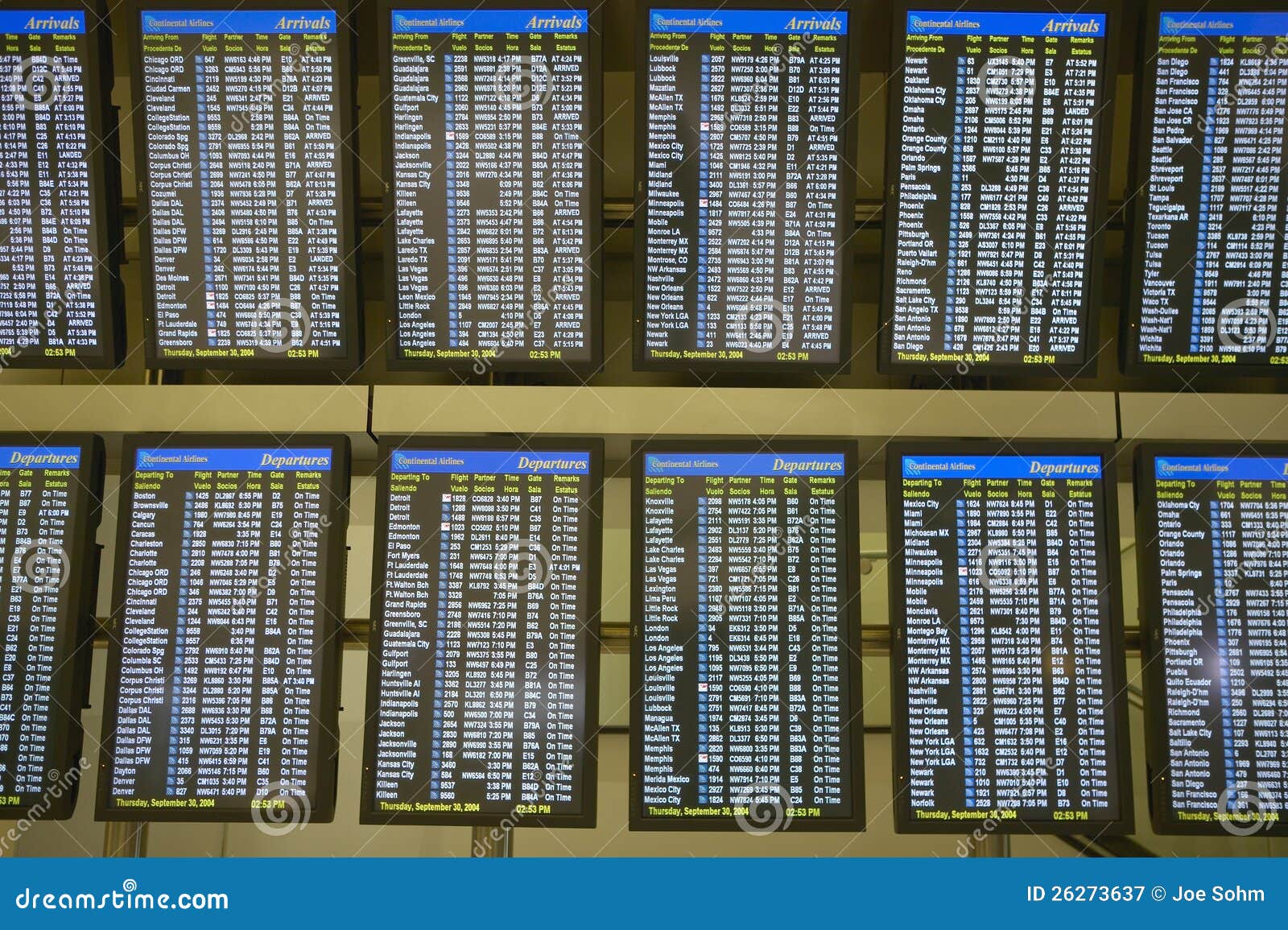
Airline scheduling is the complex process of allocating aircraft, flight crews, and gate resources to maximize operational efficiency, maintain regulatory compliance, and fulfill passenger demand across a global route network. By balancing strict safety constraints, maintenance windows, and financial targets, commercial carriers transform abstract market forecasting into a synchronized, round-the-clock timetable that underpins modern global mobility.
The Core Objectives and Economic Drivers of Airline Scheduling
At its foundational level, airline scheduling aims to optimize asset utilization while mitigating operational risk. Commercial aircraft represent capital-intensive investments that only generate revenue when airborne. Consequently, network planners strive to minimize ground turnaround times—the duration an aircraft spends parked at a gate between flights—while preserving adequate buffers for minor delays. This delicate balance determines an airline's overall profitability, as excessive buffer time leaves expensive assets idle, whereas overly tight schedules trigger cascading delays that propagate across the entire route network.
To achieve economic viability, planners must synchronize flight banks, particularly at hub airports. Hub-and-spoke models rely on synchronized arrival and departure windows, allowing passengers arriving from various regional spokes to connect swiftly to long-haul or high-density trunk routes. This strategy artificially inflates demand on secondary routes by aggregating traffic through central transfer points. However, it also concentrates stress on airport infrastructure, requiring precise synchronization of baggage handling systems, gate availability, and air traffic control slots.
Beyond raw seat-mile revenue, schedule designers evaluate fuel burn profiles, aerodynamic routing efficiencies, and seasonal demand fluctuations. Long-haul routes demand careful payload-range calculations to prevent weight restrictions caused by headwinds or high-altitude temperatures. Short-haul domestic networks, conversely, prioritize high-frequency rotations to capture business travelers willing to pay premium fares for schedule convenience. Every route added or modified alters the marginal cost structure, requiring continuous economic appraisal using advanced operations research algorithms.
Regulatory Frameworks and Compliance Mandates in Timetable Design
Constructing an airline schedule requires strict adherence to international, national, and local regulatory mandates. Aviation authorities, such as the Federal Aviation Administration (FAA) in the United States and the European Union Aviation Safety Agency (EASA), enforce rigorous flight and duty time limitations (FTLs) for flight deck and cabin crews. These rules dictate maximum daily flight hours, minimum required rest periods, and cumulative limits over rolling multi-week windows. Planners must build these legal constraints directly into crew pairing algorithms to prevent regulatory violations that carry severe financial penalties and ground aircraft.
Slot coordination represents another critical external constraint, particularly at congested primary airports designated as Level 3 under International Air Transport Association (IATA) guidelines. At these constrained facilities, carriers must secure specific takeoff and landing times from independent slot coordinators. Historical precedence, known as "historical slots" or grandfather rights, heavily influences slot allocation, but carriers must typically utilize at least 80% of their allocated slots under the "use-it-or-lose-it" rule to retain them for subsequent seasons.
| Airport Coordination Level | Operational Definition | Primary Regulatory Mechanism | Major Industry Constraint |
|---|---|---|---|
| Level 1 | Uncongested airports with adequate capacity to meet all projected demand without formal intervention. | Local airport operator guidelines | General ground handling availability |
| Level 2 | Facilitated schedules where minor congestion occurs during peak hours; schedules are adjusted cooperatively. | Voluntary schedule facilitation | Peak-hour gate and ramp congestion |
| Level 3 | Highly congested facilities where demand vastly exceeds declared capacity; mandatory slot allocation applies. | Strict IATA Worldwide Airport Slot Guidelines | Strict historical slot rules and 80% utilization threshold |
Environmental regulations increasingly dictate scheduling parameters as well. Many major international airports impose strict nighttime noise abatement curfews, prohibiting scheduled arrivals or departures during specific evening hours, or levying heavy financial penalties for aircraft that breach noise quotas. Furthermore, compliance with regional carbon cap-and-trade frameworks, such as the European Union Emissions Trading System (EU ETS) or the Carbon Offsetting and Reduction Scheme for International Aviation (CORSIA), forces network planners to factor carbon intensity and fuel burn efficiency directly into route timing and aircraft assignment.
The Phased Lifecycle of Airline Schedule Development
The creation of an airline schedule is a multi-year, iterative lifecycle that transitions from high-level macroeconomic forecasting down to day-of-operations tactical adjustments. Understanding this sequence is vital for grasping how commercial aviation absorbs shocks and adapts to shifting consumer behaviors.
- Long-Term Fleet and Route Planning (1–5 Years Out): Executives evaluate macroeconomic indicators, long-term fleet acquisition contracts, and strategic alliance partnerships to determine which new markets warrant future entry and what capital expenditures are required.
- Seasonal Schedule Construction (6–12 Months Out): Network planners develop the draft timetable for specific IATA seasons—Summer or Winter—leveraging historical booking data, competitor intelligence, and yield management projections.
- Slot Clearance and Bilateral Coordination (3–6 Months Out): Planners submit proposed timetables to airport coordinators, participate in semiannual IATA slot conferences, and adjust arrival and departure banks to clear regulatory hurdles.
- Fleet Assignment and Maintenance Routing (2–3 Months Out): Specific aircraft tail numbers are assigned to rotations, incorporating mandatory heavy maintenance checks, engine wash cycles, and line maintenance windows.
- Crew Pairing and Rostering (4–8 Weeks Out): Optimization software generates legal crew pairings, which are subsequently bid on and assigned to individual pilots and flight attendants based on seniority and collective bargaining agreements.
- Day-of-Operations Control (Real-Time): Airline operations control centers (OCC) monitor live weather, air traffic flow management restrictions, and mechanical defects, executing real-time schedule recovery maneuvers when disruptions occur.
Fleet Assignment and Aircraft Routing Optimization
Once a commercial schedule's flight legs are defined, the next technical challenge involves fleet assignment—matching specific aircraft sub-fleets to individual flight segments. Because an airline's fleet often comprises diverse aircraft types (e.g., narrow-bodies with varying seat capacities, wide-bodies for transoceanic routes), optimization models must determine which aircraft type maximizes profitability on each route while respecting range limitations and airport compatibility.
Aircraft routing builds directly upon fleet assignment by stringing individual flight legs together into continuous daily itineraries, commonly referred to as "lines of flight" or "rotations." A single aircraft must flow logically from airport to airport throughout the day, eventually returning to a maintenance base for routine inspections or overnight servicing. Planners use integer programming and network flow models to construct these rotations, ensuring that ground times meet minimum safe turnaround thresholds while minimizing empty repositioning flights.
Maintenance routing adds another layer of complexity. Aviation regulations dictate that aircraft undergo mandatory checks after a specified number of flight hours, cycles (takeoffs and landings), or calendar days. Integrating these maintenance requirements without disrupting passenger service requires sophisticated predictive modeling. If an aircraft experiences an unforecasted mechanical delay at an out-station, the maintenance routing model must dynamically recalculate tail assignments to substitute a spare aircraft or reroute passengers with minimal downstream impact.
Crew Scheduling: Pairing, Rostering, and Labor Dynamics
Crew costs typically represent the second-largest operating expense for commercial airlines after fuel, making crew scheduling a high-stakes operational discipline. The process is bifurcated into two distinct phases: crew pairing and crew rostering.
Crew pairing optimization constructs multi-day sequences of duty periods and rest breaks that begin and end at a crew member's home base. These pairings must satisfy thousands of constraints derived from government safety regulations, company safety policies, and complex collective bargaining agreements negotiated with labor unions. Factors include maximum consecutive duty hours, minimum hotel rest quality, deadheading rules (when crew members travel as passengers to position for a flight), and per diem compensation structures.
- Crew Base
- Duty Period 1: Flight A + Flight B
- Legal Rest: Hotel
- Duty Period 2: Flight C + Flight D
- Return to Crew Base / Completion of Pairing
- Duty Period 2: Flight C + Flight D
- Legal Rest: Hotel
- Duty Period 1: Flight A + Flight B
Following pairing generation, crew rostering assigns these anonymous pairings to individual employees. Seniority-based bidding systems allow pilots and flight attendants to express preferences for specific days off, desired layover cities, or particular route pairings. Rostering software must respect these preferences wherever possible while ensuring fair distribution of work hours and adherence to maximum monthly flight hour caps. Labor disputes or sudden rule changes can severely compromise rostering stability, highlighting the vital link between human resources management and operational execution.
Schedule Disruption Management and Recovery Strategies
Despite rigorous planning, external variables—such as severe weather events, air traffic control ground stops, strikes, and mechanical failures—frequently disrupt airline schedules. When a disruption occurs, the initial timetable quickly becomes unfeasible, triggering a cascade of secondary delays where stranded crews and displaced aircraft mismatch passenger demand.
Modern airline operations centers rely on advanced recovery decision-support systems to model restoration strategies. These tools typically fall into four interdependent categories:
- Aircraft Recovery: Reassigning available tail numbers, canceling specific low-yield legs, or ferrying spare aircraft to stranded hubs.
- Crew Recovery: Utilizing reserve crews, adjusting duty time extensions under emergency regulatory exemptions, or deadheading crew members on partner airlines.
- Passenger Re-accommodation: Automatically rebooking disrupted travelers onto alternative itineraries, issuing travel vouchers, or securing overnight hotel accommodations in compliance with passenger rights regulations (such as EU Regulation 261/2004).
- Network Reset: Implementing tactical schedule compressions or ground stops to absorb pent-up delay propagation and restore normal day-of-week schedule periodicity.
The economic cost of irregular operations (IRROPS) can rapidly erode an airline's annual profit margins. Consequently, contemporary research in airline scheduling focuses heavily on "robust scheduling"—the practice of intentionally building buffer times and structural flexibilities directly into the baseline timetable to absorb minor disruptions before they snowball into systemic network failures.
Frequently Asked Questions About Airline Scheduling
What is the difference between fleet assignment and aircraft routing in airline scheduling?
Fleet assignment determines which aircraft category or seat capacity type operates a specific flight leg to maximize revenue. Aircraft routing goes a step further by assigning individual tail numbers to continuous sequences of flights throughout the day, incorporating maintenance requirements and station turnaround constraints.
How do airlines handle airport slot constraints at congested airports?
At Level 3 congested airports, airlines must acquire takeoff and landing slots from independent coordinators based on historical precedence and the 80% utilization rule. If an airline fails to use an allocated slot for at least 80% of the season, it loses legal right to that slot for the following scheduling period.
What are flight and duty time limitations (FTLs)?
Flight and duty time limitations are legally mandated rules enforced by aviation regulators like the FAA and EASA. They restrict the maximum hours pilots and flight attendants can work within a single day, week, or month, and mandate minimum consecutive rest periods to mitigate fatigue-related safety risks.
Why do airlines intentionally build buffer times into their schedules?
Airlines include schedule buffers—extra minutes added to standard block times—to absorb minor delays caused by congestion, weather, or slow ground handling. This prevents initial minor delays from cascading across subsequent legs and disrupting the entire network.
How do disruptions impact crew scheduling versus aircraft scheduling?
Aircraft are physical assets that can be easily repositioned without legal rest constraints, provided maintenance is cleared. Crews, however, are strictly bound by federal rest regulations and labor agreements, making crew displacement significantly more complex and expensive to resolve during irregular operations.
What role do hub-and-spoke networks play in modern timetable design?
Hub-and-spoke networks allow airlines to aggregate passenger traffic from multiple regional origins into centralized hub airports. Timetables must be structured around coordinated "banks" of arrivals and departures so passengers can make rapid connections to a vast array of onward destinations.
Implementing Resilient Schedule Optimization Practices
Navigating the complexities of commercial network planning requires a rigorous, data-driven approach that reconciles operational constraints with financial objectives. Organizations looking to audit or refine their scheduling frameworks must prioritize seamless integration between commercial forecasting, maintenance planning, and crew management departments. By leveraging predictive analytics and robust optimization algorithms, aviation professionals can build timetables capable of withstanding unexpected environmental and operational shocks while safeguarding long-term profitability.