Understanding airline policy is essential for modern air travelers, governing everything from ticket flexibility and baggage allowances to passenger rights and safety requirements. These regulations ensure operational consistency, safety compliance, and clear financial terms across domestic and international flight networks.
Foundations of Commercial Aviation Rules
Commercial aviation operates under a complex framework of internal carrier rules, national aviation authority mandates, and international treaties. Every airline establishes its own contract of carriage, which serves as the legally binding agreement between the passenger and the air carrier. This document outlines the rights, duties, and liabilities of both parties from the moment a ticket is purchased until the passenger exits the destination airport terminal.
Federal and international regulatory bodies, such as the Federal Aviation Administration in the United States or the European Union Aviation Safety Agency, set the baseline standards that all commercial carriers must follow. These standards cover mandatory disclosures, tarmac delay contingencies, and non-negotiable safety protocols. Passengers frequently encounter issues when they assume all airlines share identical standards. In practice, legacy network carriers, low-cost carriers, and ultra-low-cost carriers maintain vastly different operational approaches, particularly regarding ancillary fees, ticket change flexibility, and customer service recovery during weather disruptions.
Ticket Types, Fare Classes, and Change Flexibility
The cost of an airfare typically correlates directly with the flexibility embedded within its governing policy. Modern ticketing structures divide inventory into distinct fare buckets, ranging from highly restrictive basic economy tiers to fully refundable business class tickets. Recognizing these distinctions prevents unexpected expenses and travel disruptions.
Basic economy fares represent the lowest price point for most major carriers, but they carry stringent restrictions. Passengers purchasing these tickets usually cannot select seats in advance, are boarded in the final groups, and face absolute prohibitions against ticket changes or cancellations, even for a fee. Standard economy and premium cabin tickets generally offer more accommodating terms, allowing modifications for a fee or providing full refunds depending on the fare class selected at booking.
| Fare Class Category | Change Permitted | Cancellation Refund | Advance Seat Selection | Checked Baggage Included |
|---|---|---|---|---|
| Basic Economy | No (Except 24-hour rule) | No (Except 24-hour rule) | Fee-based / Random | No (Fee applies) |
| Main Cabin / Standard Economy | Yes (Fee may apply) | Travel Credit / Voucher | Included | Varies by route |
| Flexible / Fully Refundable | Yes (No fee) | Original form of payment | Included | Usually included |
| Business / First Class | Yes (No fee) | Original form of payment | Priority included | Multiple bags included |
Consumer protection regulations in several jurisdictions mandate a grace period for ticket purchases. For flights touching the United States, Department of Transportation regulations require airlines to allow reservations to be canceled without penalty for 24 hours after purchase, provided the booking was made at least one week prior to the scheduled departure date.
Baggage Allowance, Dimensions, and Excess Fees
Baggage policies dictate the exact size, weight, and quantity of items a passenger may bring into the cabin or check into the aircraft hold. Failing to comply with these parameters results in substantial gate-check fees or outright refusal of carriage for oversized items.
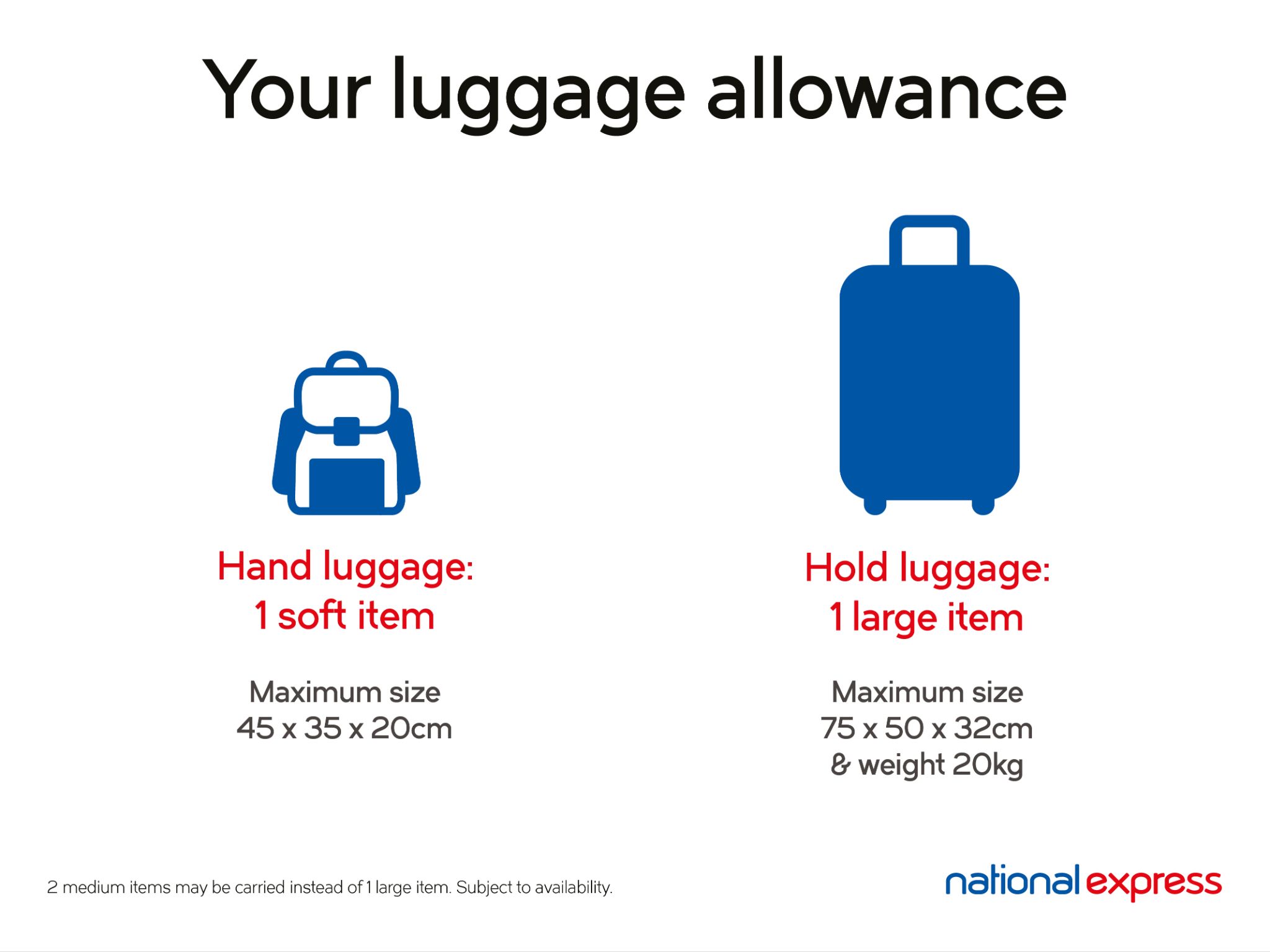
Carry-on baggage rules generally limit passengers to one personal item that fits under the seat ahead and one larger carry-on bag intended for the overhead bin. Linear dimension limits—combining length, width, and height—are strictly enforced by gate agents using sizing boxes. Checked baggage allowances depend heavily on the route, elite frequent flyer status, and the specific fare class purchased. Domestic economy tickets within North America rarely include checked bags in the base fare, whereas long-haul international routes frequently include one or two checked bags as a standard amenity.
Overweight and oversized luggage triggers specialized handling fees that escalate rapidly. Travelers must review weight thresholds—commonly set at 50 pounds or 23 kilograms for standard economy bags—before packing to avoid unexpected financial penalties at the airport check-in counter.
Passenger Rights and Compensation During Disruptions
When flight delays, cancellations, or denied boardings occur, airline policies and regional legal frameworks dictate what compensation or assistance passengers are entitled to receive. The enforceability of these rights depends heavily on the geographic jurisdiction and the root cause of the disruption.
Within the European Union, Regulation (EC) No 261/2004 establishes robust financial compensation mandates for delays exceeding three hours, flight cancellations announced without sufficient notice, and cases of involuntary denied boarding due to overbooking. Under these rules, compensation amounts are fixed based on flight distance, unless the disruption is caused by extraordinary circumstances beyond the airline's control, such as severe weather or air traffic control strikes.
In contrast, United States regulations focus primarily on ensuring passengers receive essential care during controllable delays—such as meal vouchers and hotel accommodations for overnight strandings—alongside mandatory cash refunds if a flight is canceled and the passenger chooses not to travel. Reviewing the specific contract of carriage helps clarify whether a carrier offers voluntary rebooking assistance or travel vouchers during operational emergencies.
Special Assistance, Traveling with Pets, and Restricted Items
Air travel logistics become more complex when accommodating special needs, traveling with animals, or transporting hazardous materials. Airlines maintain meticulous guidelines to ensure safety while complying with disability access laws.
Passengers requiring wheelchair assistance, medical device accommodation, or traveling with trained service animals must notify the airline well in advance of departure. While trained service dogs are generally permitted in the cabin free of charge under strict verification protocols, pet policies for emotional support animals or household pets vary widely. Many carriers limit the number of pets in the cabin per flight, charge a pet-in-cabin fee, or require pets to travel in the temperature-controlled cargo hold depending on aircraft type and destination regulations.
Security and hazardous materials policies, governed globally by civil aviation authorities, strictly prohibit flammable items, certain lithium battery configurations in checked luggage, and pressurized containers. Travelers should consult both the airline policy and the relevant security agency guidelines before packing restricted electronics, sporting goods, or specialized chemical products.
How to Verify and Comply with Specific Carrier Guidelines
To ensure a seamless travel experience, passengers must proactively review and verify the exact policies of the airline operating their specific flight. Because code-share agreements allow airlines to sell tickets for flights operated by partner carriers, the rules of the operating carrier—not necessarily the marketing carrier—apply to baggage limits, seat selection, and airport check-in procedures.
Passengers should check their booking confirmation emails for direct links to the carrier's contract of carriage and baggage calculators. Checking the airline's official mobile application 24 hours prior to departure provides real-time updates regarding gate assignments, terminal changes, and schedule modifications. Maintaining digital and physical copies of ticket receipts, itinerary numbers, and correspondence simplifies dispute resolution if operational irregularities occur at the airport.
Frequently Asked Questions
What happens if I miss my flight under standard airline policy?
If a passenger misses a flight, most airlines enforce the "flat-tire rule," which is an unwritten or informal customer service practice allowing standby placement on the next available flight if the passenger arrives at the airport within a specific window, usually two hours, after the missed departure. However, this is not guaranteed for basic economy tickets, and failure to notify the airline before departure often triggers the "no-show" policy, which automatically cancels all remaining segments on the itinerary without refund.
Are airline ticket change fees permanently eliminated?
Many major legacy carriers have permanently eliminated change fees for standard and premium domestic tickets, but these waivers do not apply to basic economy fares or all international routes. Furthermore, while the change fee may be waived, passengers remain responsible for any fare difference if the new flight is priced higher than the original ticket.
How do I request a refund if my flight is canceled by the airline?
Under most regulatory frameworks, if an airline cancels a flight or makes a significant schedule change and the passenger chooses not to accept the alternative travel arrangements offered, the passenger is legally entitled to a full cash refund to the original form of payment, rather than a mandatory travel voucher or credit.
Can airlines change my seat assignment after I have selected it?
Yes, airlines explicitly retain the right to reassign passenger seats at any time due to operational requirements, aircraft changes, or weight-and-balance adjustments. While elite status holders and passengers who paid for specific seat selections are prioritized, seat assignments are never legally guaranteed until boarding is complete.
What constitutes an extraordinary circumstance under passenger rights laws?
Extraordinary circumstances refer to events that are beyond the actual control of the airline and could not have been avoided even if all reasonable measures had been taken. This includes severe meteorological conditions, political instability, sudden air traffic control restrictions, and hidden manufacturing defects in the aircraft structure, but excludes routine technical maintenance and crew scheduling issues.
Securing Your Travel Experience
Review the complete contract of carriage for your specific airline prior to your travel date to confirm baggage limits, check-in deadlines, and ticketing restrictions. Keep digital records of your itinerary and maintain direct communication channels with your carrier to address operational adjustments swiftly.