Airline operations encompass the vast, real-time coordination of flight crews, aircraft maintenance, network scheduling, meteorology, and regulatory compliance required to transport passengers and cargo safely and efficiently from origin to destination.
Executing a commercial flight requires far more than clearing an aircraft for takeoff; it relies on a continuous, interconnected cycle of planning, monitoring, and real-time intervention. Airline operations serve as the central nervous system of an aviation enterprise, translating commercial schedules into physical reality while navigating unpredictable weather, mechanical anomalies, and strict air traffic management constraints. Understanding this complex domain requires examining how scheduling, flight dispatch, maintenance tracking, and irregular operations management converge to maintain global connectivity.
The Foundations of Airline Network Scheduling and Planning
Network scheduling is the strategic starting point of all airline operations, determining where aircraft fly, when they depart, and how assets are utilized across months and seasons. Network planners analyze historical passenger demand, yield management metrics, bilateral aviation agreements, and airport slot availability to construct profitable flight schedules. This process involves balancing fleet assignments—matching high-capacity widebody aircraft to long-haul trunk routes and efficient narrowbody jets to high-frequency domestic corridors—while maximizing daily aircraft utilization.
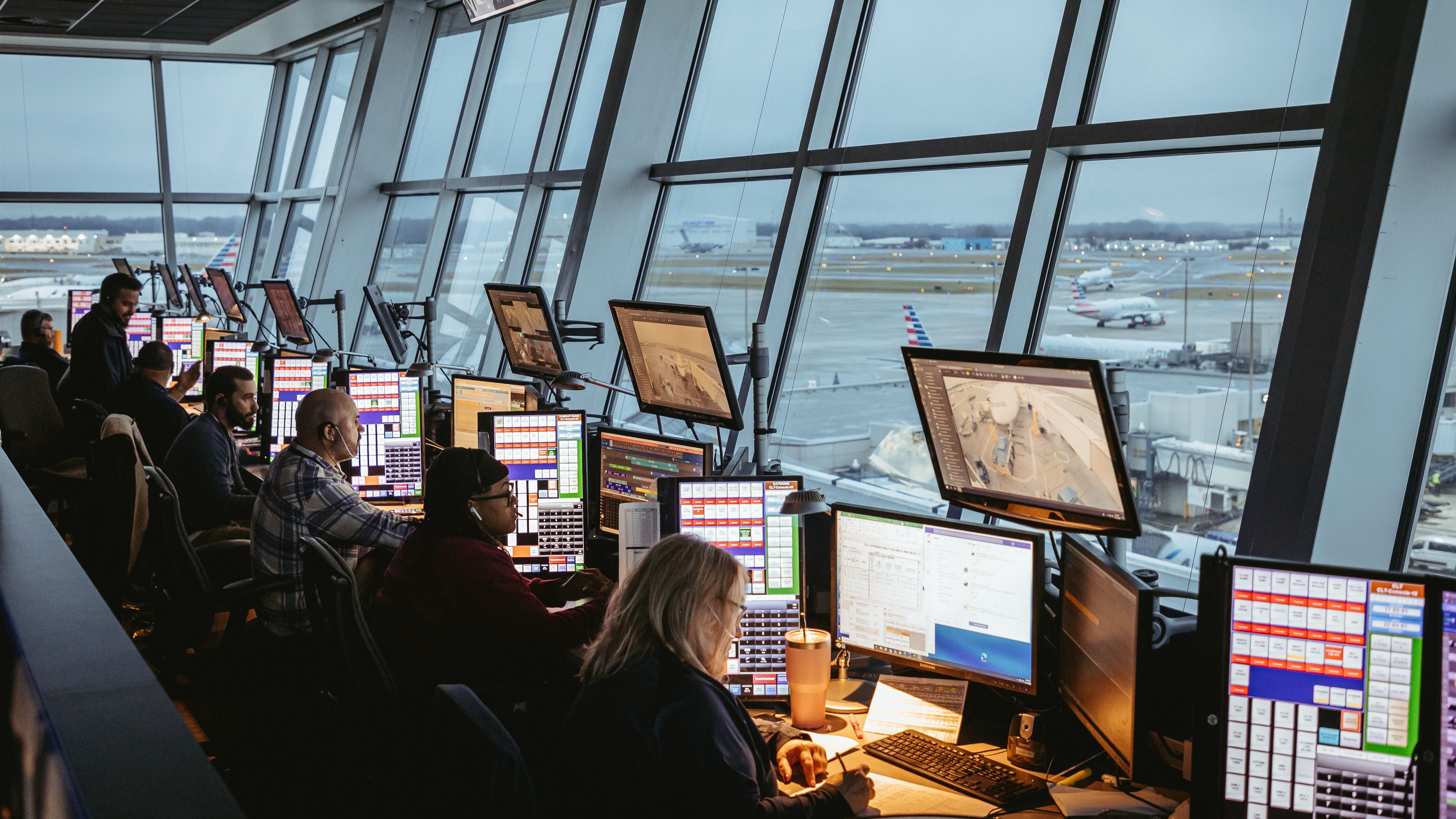
Once the macro schedule is established, schedule integrity depends heavily on robust turn-around times at the gate. Ground operations teams must coordinate refueling, baggage loading, catering replenishment, and cabin cleaning within tight windows—often under 30 minutes for single-aisle aircraft. A delay at the origin station cascades down the line, affecting subsequent flight legs, crew duty periods, and connecting passengers. Consequently, modern schedule planning incorporates buffer times designed to absorb minor operational friction without triggering systemic disruptions.
Flight Dispatch and Operational Control Centers
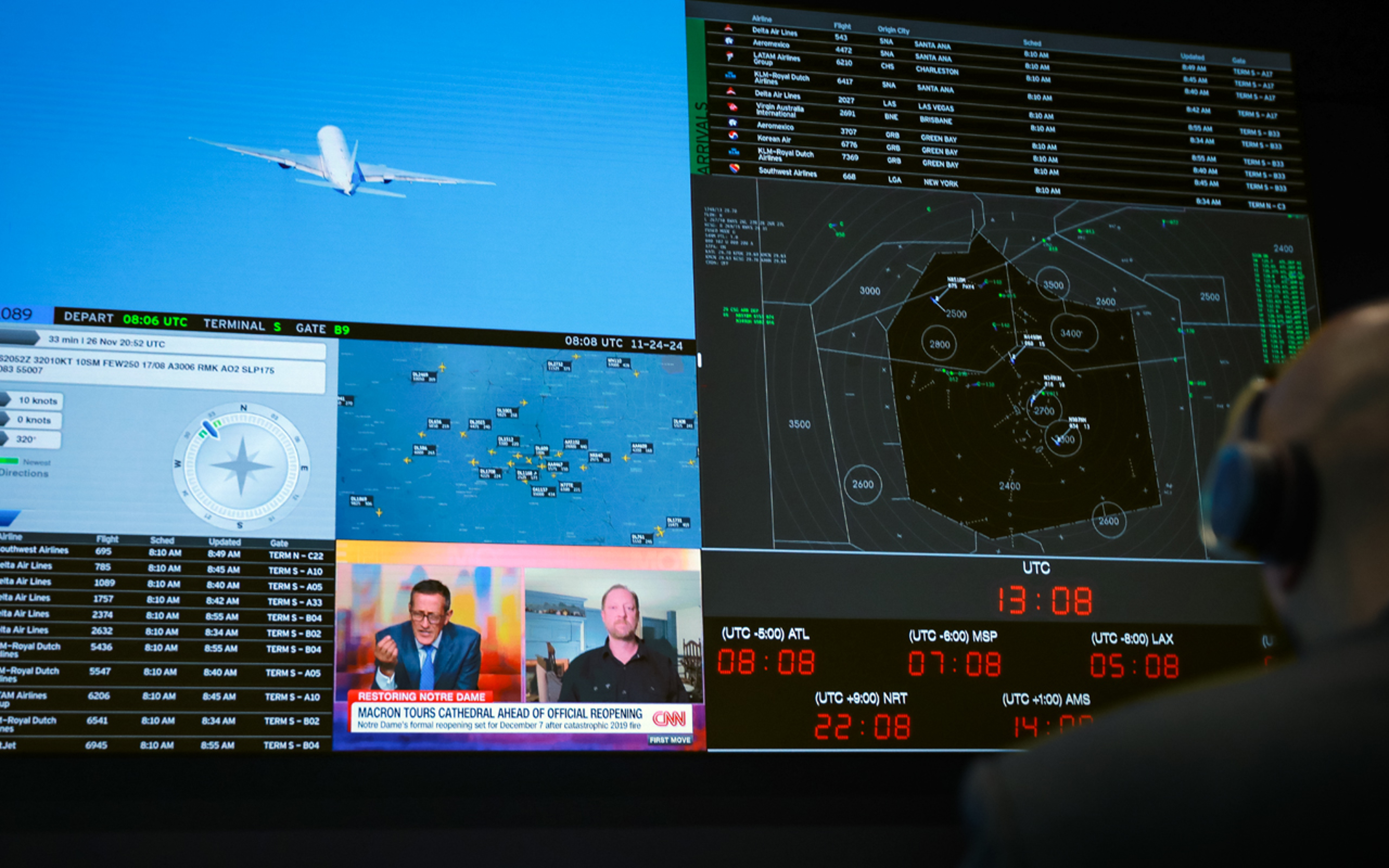
At the heart of daily execution is the Operational Control Center (OCC), where airline dispatchers, meteorologists, air traffic coordinators, and maintenance controllers work in concert. Under regulatory frameworks such as Federal Aviation Administration (FAA) Part 121 or European Union Aviation Safety Agency (EASA) standards, the pilot in command and the certified flight dispatcher share joint responsibility for the safe conduct of a flight. Dispatchers continuously evaluate route weather, upper-level winds, airspace closures, and fuel requirements to generate comprehensive flight plans.
Fuel planning represents one of the most critical operational variables, balancing safety margins against unnecessary weight penalties. Dispatchers calculate trip fuel, contingency fuel, alternate airport requirements, and final reserve fuel based on precise aircraft performance data and meteorological forecasts. Throughout the flight, OCC specialists monitor aircraft positions via ACARS (Aircraft Communications Addressing and Reporting System) data links, allowing them to reroute flights around convective weather or turbulence in real time.
Crew Management and Regulatory Compliance
Managing human capital in airline operations requires navigating complex labor agreements, company policies, and rigorous safety regulations regarding flight time limitations (FTL) and duty periods. Crew schedulers and rostering systems assign pilots and flight attendants to pairings that maximize efficiency while ensuring mandatory rest requirements are strictly observed. Fatigue risk management systems (FRMS) are increasingly deployed alongside prescriptive rules to monitor circadian rhythms and cumulative fatigue, particularly on ultra-long-haul routes spanning multiple time zones.
When disruptions occur, crew recovery becomes a monumental puzzle. If a captain's inbound flight is delayed, they may time out under legal duty limits before operating their outbound flight. Operations controllers must rapidly identify reserve crews, arrange positioning flights (deadheading), or adjust schedules to prevent flight cancellations. Training departments must simultaneously track recurrent simulator checks, medical certifications, and aircraft-specific type ratings to ensure every assigned crew member remains fully qualified.
Aircraft Maintenance and Airworthiness Management
Ensuring structural integrity and mechanical reliability is a continuous operational mandate governed by strict maintenance programs approved by civil aviation authorities. Maintenance operations control centers (MOCC) monitor aircraft health data streamed in real time, allowing engineers to diagnose faults before the aircraft lands and pre-order necessary replacement parts. Maintenance tasks are categorized into line maintenance (minor checks, defect rectification, and daily inspections performed at gates or hangars) and heavy base maintenance (major structural inspections and overhauls).
| Maintenance Category | Scope of Work | Typical Frequency | Operational Impact |
|---|---|---|---|
| Line Maintenance | Daily inspections, transit checks, and minor component swaps | Daily or weekly intervals | Minimal ground time; executed between scheduled flights |
| A-Check | Lubrication, filter changes, and detailed system testing | Approximately every 400 to 600 flight hours | Performed overnight in a hangar facility |
| C-Check | Extensive inspection of major systems, structural areas, and cabins | Every 18 to 24 months | Requires multiple days out of service |
| D-Check | Complete structural teardown, stripping, and overhaul of the airframe | Every 6 to 12 years | Extensive downtime; involves heavy depot-level facilities |
Adhering to these maintenance thresholds is mandatory. If an MEL (Minimum Equipment List) item or CDL (Configuration Deviation List) limit is reached without rectification, the aircraft is grounded until maintenance sign-off is achieved, prioritizing safety above schedule adherence.
Managing Irregular Operations (IRROPS) and Recovery
Despite meticulous planning, severe weather, air traffic control initiatives, and mechanical failures routinely disrupt airline operations, creating periods of irregular operations (IRROPS). During IRROPS, the OCC shifts from execution mode to tactical recovery mode. Algorithms and human controllers must evaluate multiple recovery options simultaneously: delaying flights, canceling non-essential rotations, swapping aircraft, or rebooking passengers onto partner airlines.
Effective IRROPS management minimizes cascading delays and controls operational costs, which include passenger compensation, hotel accommodations, and crew overtime. Automated recovery tools simulate the propagation of delays across the entire network, suggesting optimal interventions to restore schedule stability. Communication infrastructure is equally vital during these events; automated passenger notification systems and customer service agents must push accurate, real-time rebooking options to travelers via mobile applications and airport kiosks to alleviate terminal congestion.
What are the primary responsibilities of an airline operations control center?
An airline operations control center continuously monitors and manages active flights, coordinates flight dispatch and weather routing, handles maintenance tracking, manages crew scheduling, and executes recovery strategies during irregular operations to ensure safety and schedule integrity.
How do airlines calculate required flight fuel?
Airlines calculate required flight fuel by accounting for trip fuel from origin to destination, contingency fuel for unforeseen routing or winds, fuel required to fly from the destination to an alternate airport, and a mandatory final legal reserve.
What is the difference between line maintenance and base maintenance?
Line maintenance involves routine daily checks, minor defect rectifications, and quick component replacements performed at airport gates, whereas base maintenance involves extensive structural inspections and overhauls that require an aircraft to be removed from service for days or weeks.
How do flight time limitations affect crew scheduling?
Flight time limitations are legal regulations established by aviation authorities that dictate maximum allowable flight hours, duty periods, and mandatory rest periods to prevent crew fatigue and ensure aviation safety.
What triggers aircraft grounding under the Minimum Equipment List?
An aircraft is grounded when a non-operational instrument or system exceeds the allowable time frame or operating conditions specified in the airline's regulatory Minimum Equipment List, requiring repair before the next flight.
Optimizing Operational Resilience and Next Actions
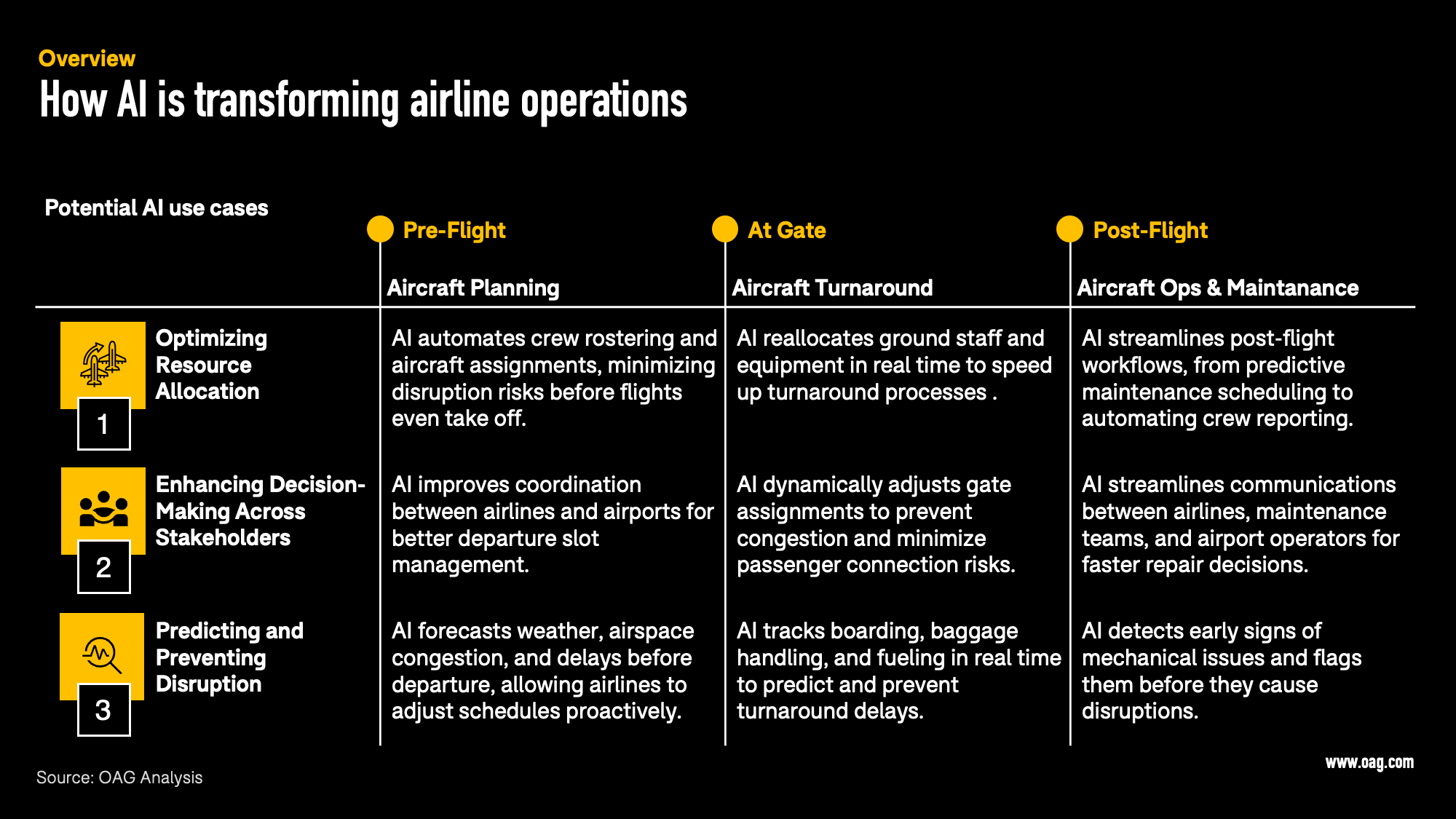
To maintain competitive advantage and uncompromised safety standards, aviation leaders must continuously audit their integrated software platforms, enhance predictive maintenance analytics, and invest in robust cross-training for OCC personnel. Stakeholders seeking to evaluate or improve operational performance should conduct comprehensive stress tests of their disruption recovery workflows, verify compliance with evolving international fatigue management standards, and establish direct communication channels between ground handlers, dispatchers, and flight crews.