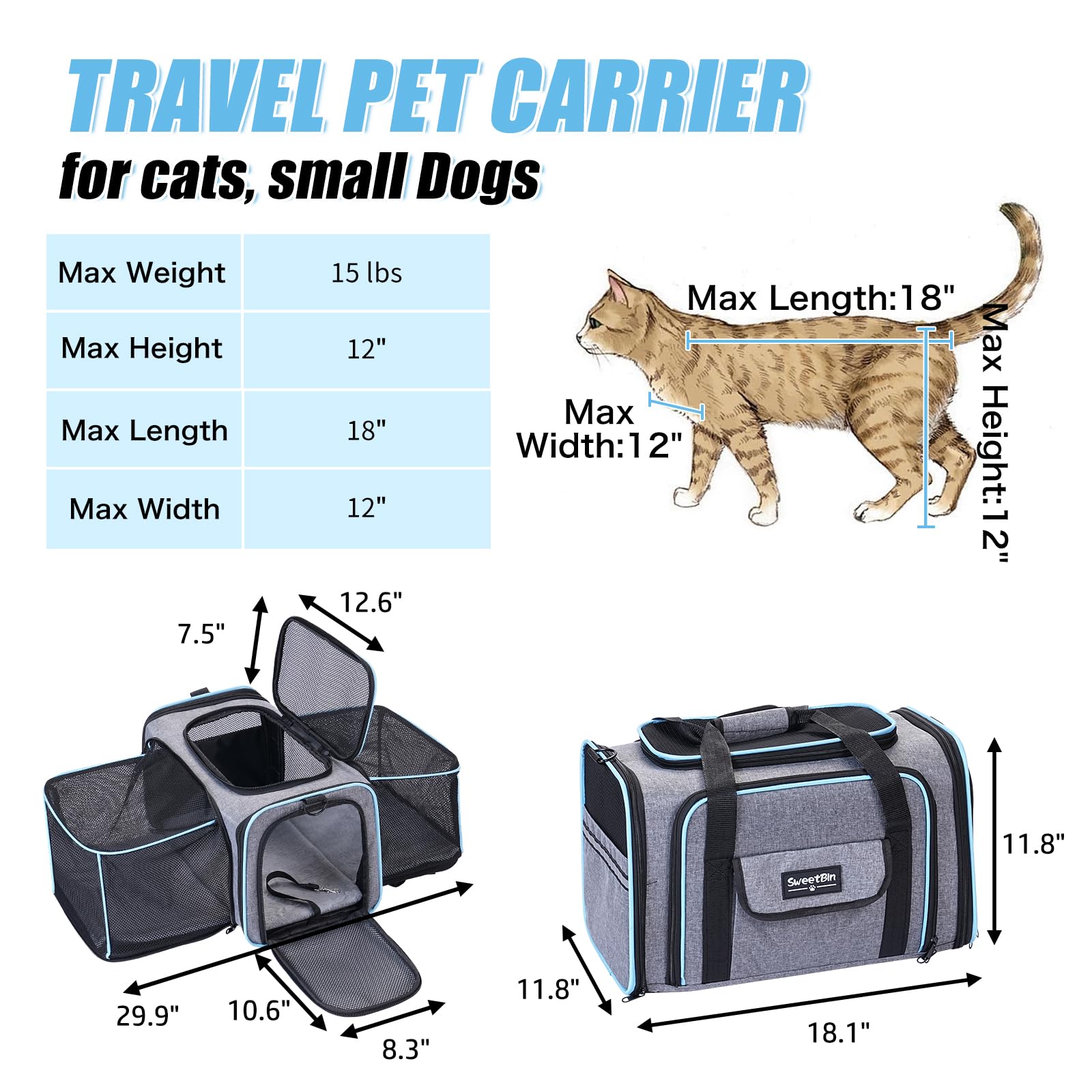
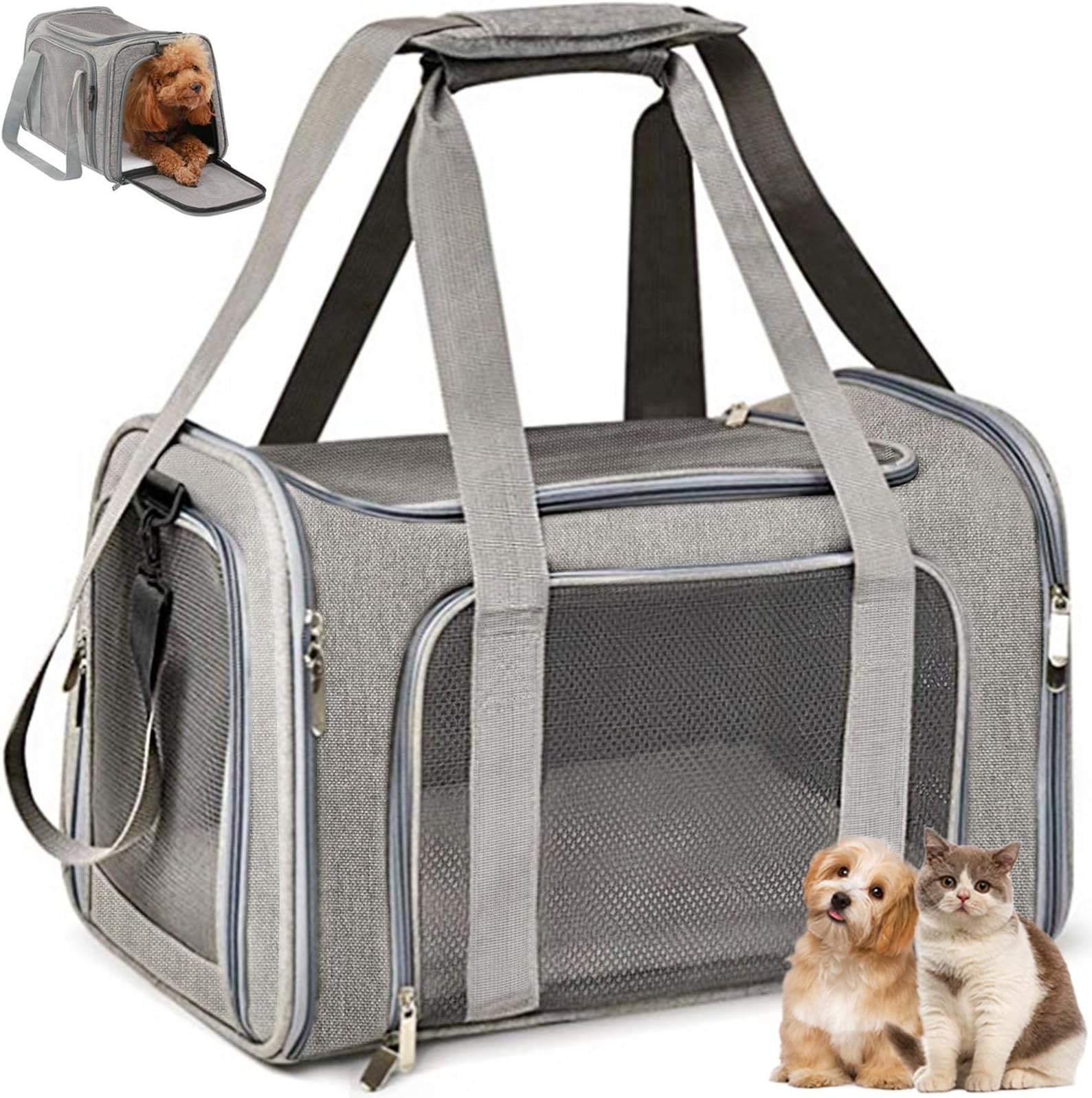
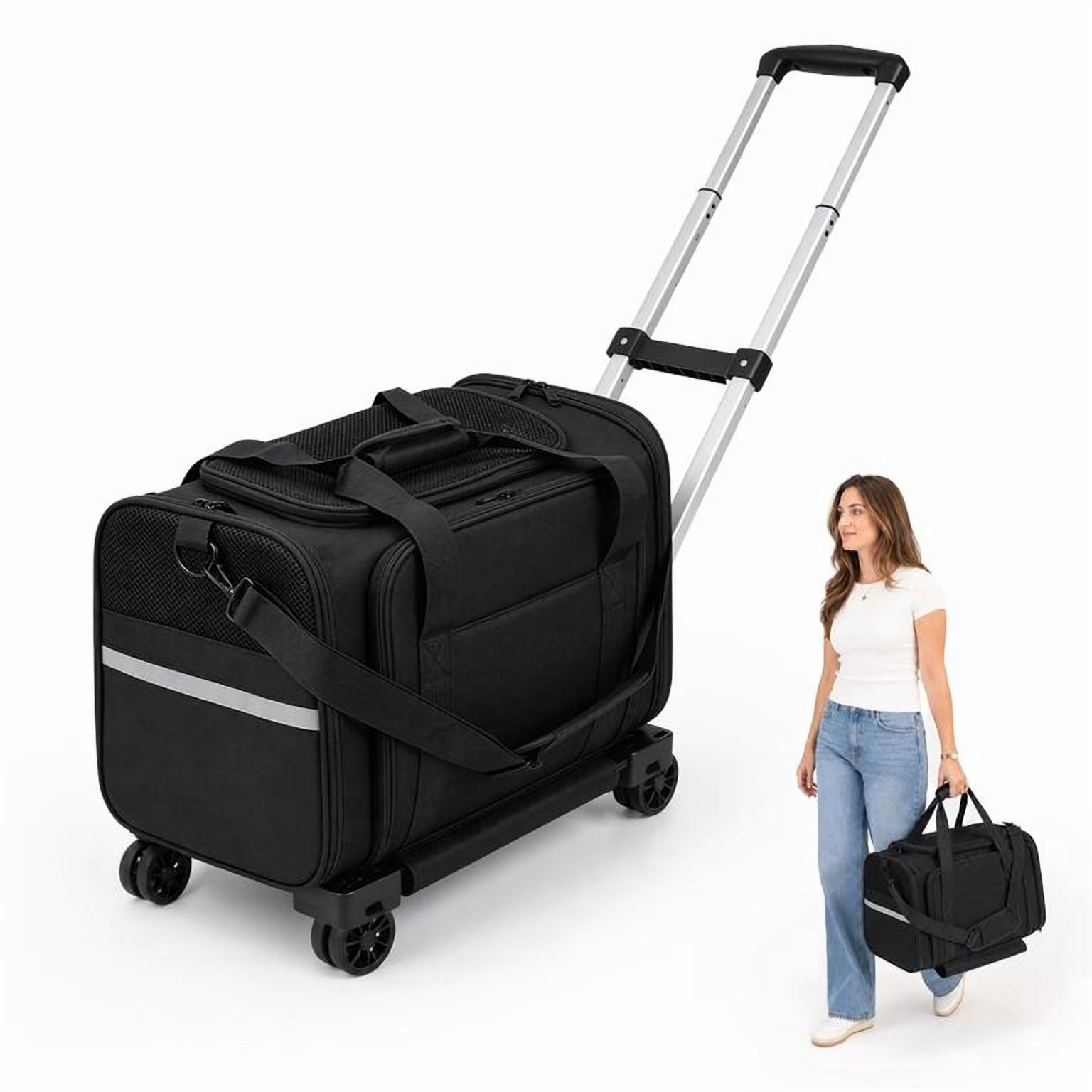
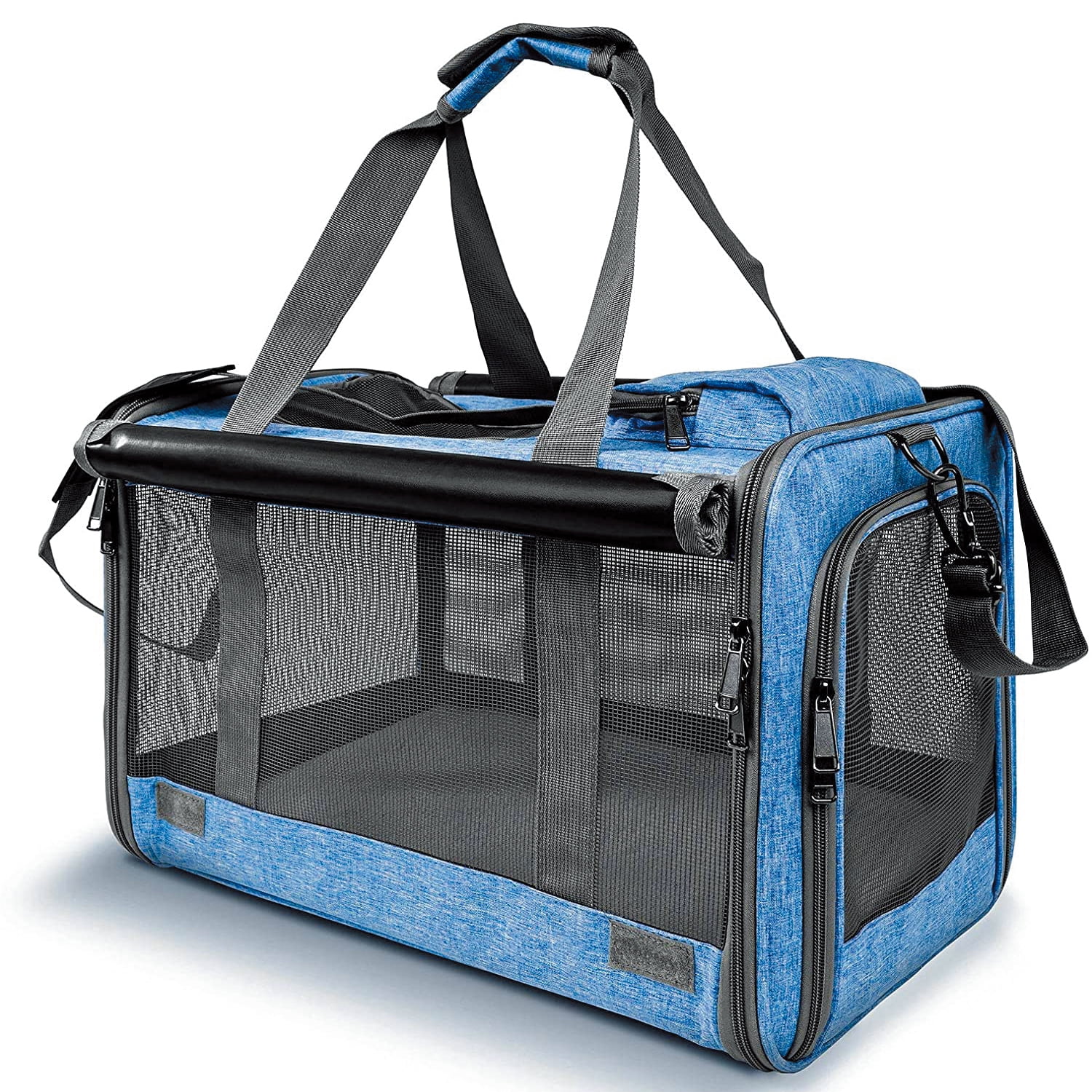
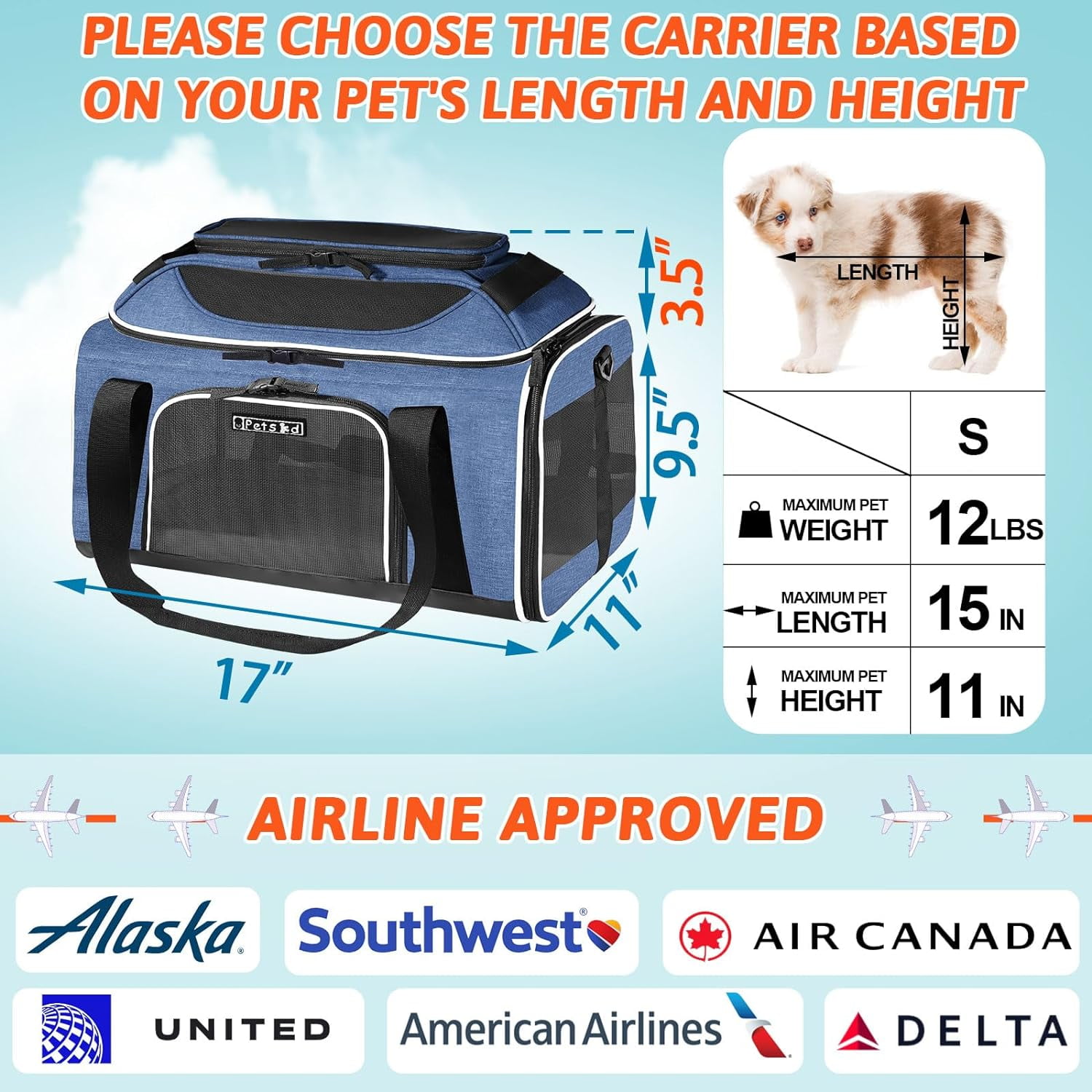
Finding an airline approved pet carrier for a 20 lb dog is uniquely challenging because most standard under-seat soft carriers have a maximum weight limit of 15 to 18 pounds, meaning a 20-pound dog sits near or slightly above typical soft-sided thresholds while remaining too small for conventional rigid cargo crates. To successfully fly with a medium dog in the cabin, you must navigate strict airline dimension policies, weight tolerances, structural rigidity requirements, and ventilation standards.
Understanding Airline Requirements for 20 lb Dogs in Cabin
When traveling with a dog that weighs approximately 20 pounds, the primary obstacle is meeting both the weight restrictions of commercial carriers and the physical space limitations underneath the aircraft seat in front of you. Most major domestic and international airlines stipulate that a pet carrier must fit comfortably beneath the seat without blocking emergency egress, which typically restricts maximum carrier heights to 8.5 to 11 inches. However, a 20-pound dog naturally requires more vertical and horizontal volume to lie down, turn around, and stand comfortably during transit.
Furthermore, airlines evaluate the combined weight of the dog and the carrier. If your dog weighs 20 pounds, the empty carrier itself must be lightweight yet structurally robust to prevent sagging when lifted. Soft-sided carriers featuring spring steel frames or fiberglass rod supports are generally required because they can compress slightly to clear tight under-seat clearances while expanding once stowed. Reviewing individual airline guidelines is essential, as carriers like Delta, United, American Airlines, and Southwest enforce distinct height, width, and length parameters that can vary by aircraft model.
Key Features to Look for in a Medium Dog Carrier
Selecting a high-performance pet carrier for a heavier dog requires evaluating several structural and functional design elements. Because a 20-pound load places considerable stress on zippers, shoulder straps, and bottom panels, substandard materials will fail prematurely or compromise your pet's safety during navigation through busy airport terminals.
- Structural Integrity and Frame Support: Look for carriers with reinforced composite frames, rigid bottom inserts, and interlocking zippers that prevent accidental escapes. A sagging base will reduce interior headroom, making the flight stressful for your dog.
- Ventilation and Visibility: Mesh panels on at least three sides ensure optimal airflow and allow your pet to see its surroundings, which reduces anxiety. Tear-resistant vinyl or rubberized mesh is superior to cheap nylon mesh that can be breached by scratching paws.
- Security Tethers and Zippers: Internal safety leashes or harnesses that clip directly to your dog's collar or harness are mandatory to prevent escape when opening the top or side flaps during security checkpoints. Self-locking zippers ensure your dog cannot nose its way out from the inside.
- Waterproof and Washable Interior: Accidents happen during long travel days. Removable, machine-washable fleece pads and waterproof inner linings make cleanup straightforward and maintain a hygienic environment.
Top Picks and Comprehensive Reviews for 20 Lb Dogs
Because true under-seat space is finite, manufacturers engineer specific models to maximize interior volume for heavier pets without exceeding standard exterior dimensions. Below are the top-performing carriers evaluated for durability, pet comfort, and compliance with major airline regulations.
Sturdibag Large Pet Carrier
The Sturdibag Large is widely recognized by frequent pet travelers as the gold standard for accommodating pets up to 40 pounds while maintaining a flexible, compressible height profile. Its signature feature is a patented spring-wire frame that allows the top of the carrier to flex downward significantly to fit under low aircraft seats, yet instantly springs back into shape once stowed.
The heavy-duty 600-denier polyester construction resists clawing and wear, while the padded shoulder strap and leather handgrip make carrying a 20-pound animal manageable over long distances. While it lacks rigid walls, its interior volume easily accommodates a longer 20-pound dog, allowing them to stretch out horizontally. The primary drawback is that the lack of rigid side panels means the carrier offers less physical separation from neighboring luggage if placed in crowded overhead bins or tight under-seat spaces.
Sherpa Original Deluxe Pet Carrier (Large Size)
The Sherpa Original Deluxe in size Large is officially approved for use on many major airlines through the exclusive on-board Sherpa Pet Trading Program. Featuring a patented spring wire frame in the rear, the large size is engineered to push down to fit under most airline seats while maintaining structural head clearance.
It includes mesh windows for ventilation, top and side entry doors for easy loading, a convenient rear pocket for storing travel documents and waste bags, and a machine-washable faux lambskin liner. However, prospective buyers must verify dimensions carefully: while the Large Sherpa is rated for pets up to 22 pounds, its rigid length and width footprint can occasionally exceed the strict under-seat clearances of smaller regional jets operated by major carriers.
Petmate Two-Door Top Load Kennel
For owners whose dogs exceed soft-sided dimensions or who require a durable hard-sided alternative for mixed travel modes, the Petmate Two-Door Top Load Kennel is a reliable option. While hard-sided plastic kennels are generally restricted to cargo hold transport on commercial flights, some airlines permit small hard-sided kennels in the cabin if they meet specific under-seat dimensions (though this is increasingly rare for a 20 lb dog).
The primary advantage of this model is its dual-access design, allowing you to load your dog easily through the wire front door or the top-loading hatch. It features steel-and-plastic construction, secure wing-nut hardware, and 360-degree ventilation. It is best suited for car travel, airport terminal navigation prior to cargo check-in, or airlines with unusually generous hard-case tolerances.
Comparison of Top Airline Approved Carriers
| Carrier Model | Maximum Weight Rating | Frame Type | Primary Ventilation | Best Suited For |
|---|---|---|---|---|
| Sturdibag Large | Up to 40 lbs | Flexible Spring Wire | Mesh Windows (Sides/Top) | Maximizing interior space under low seats |
| Sherpa Original Deluxe (Large) | Up to 22 lbs | Spring Wire Rear Frame | Mesh Panels & Roll-up Flaps | Approved airline programs and structured support |
| Petmate Two-Door Kennel | Up to 25 lbs | Hard Plastic & Steel | 360-Degree Wire Vents | Versatile travel and secure loading |
Common Mistakes to Avoid When Flying with a Medium Dog
Travelers frequently encounter gate delays, rejections, or stressful check-in experiences due to avoidable preparation errors. Understanding these pitfalls ensures a smoother journey for both owner and animal.
Failing to measure the exact dimensions of the specific aircraft type you are flying on is a frequent error. Regional aircraft feature significantly reduced under-seat clearance compared to wide-body transcontinental jets. Always check your flight equipment code prior to departure. Another common mistake is neglecting to acclimate your dog to the carrier weeks in advance. Forcing a 20-pound dog into an unfamiliar enclosed space on the day of travel triggers acute anxiety. Leave the carrier open in your home with treats and familiar bedding well before your flight date. Finally, do not overpack the carrier side pockets with heavy items, as this shifts the center of gravity and makes carrying a heavier pet awkward and physically exhausting.
Practical Tips for Airport Security and Boarding
Navigating Transportation Security Administration (TSA) checkpoints with a pet requires specific protocols that differ from standard passenger screening procedures. You will not be permitted to send the pet through the X-ray machine inside the carrier.
When you reach the security checkpoint, you must remove your dog from the carrier, hold or leash your dog, and walk through the metal detector or body scanner together. The empty carrier, pet mat, and all accessories must be placed onto the conveyor belt for X-ray screening. Request a private screening room if your dog is prone to bolting or extreme panic in busy environments. Always ensure your dog is wearing a secure harness rather than a loose collar during this process to maintain absolute control in public spaces.
Frequently Asked Questions
Will airlines actually weigh my 20 lb dog and the carrier together?
Yes, many airline gate agents and check-in personnel strictly enforce weight limits and possess portable scales at the ticket counter. If your combined weight exceeds the airline's stated limit (often 20 lbs total, though some carriers permit up to 30 lbs), you may be denied boarding or required to check the pet as cargo.
Can a 20 lb dog stand up and turn around in an airline approved carrier?
Due to strict under-seat height limits imposed by commercial aircraft, most carriers cannot provide enough vertical clearance for a 20-pound dog to stand at full height. However, flexible-frame soft carriers allow the dog to circle and lie down comfortably in a curled position, which satisfies most airline welfare guidelines for in-cabin transit.
Do I need a health certificate to fly domestically with my dog?
Most major U.S. domestic airlines do not require a health certificate for in-cabin pets unless mandated by destination state laws. However, individual carriers maintain the right to request proof of rabies vaccination, and international flights nearly always require comprehensive veterinary documentation, USDA endorsement, and specific microchip verification.
Are soft-sided carriers safer than hard-sided crates for cabin travel?
Soft-sided carriers are generally safer and more practical for in-cabin travel because their compressible frames absorb impacts, fit more reliably beneath passenger seats, and provide easier interaction with your pet through zippered top flaps during flight. Hard-sided crates are structurally superior for cargo holds but rarely fit under cabin seats.
What should I pack inside the carrier pouch during the flight?
Keep essential travel items organized in the carrier's exterior pockets, including a collapsible water bowl, small bag of familiar food or treats, waste disposal bags, a copy of your vaccination records, and wet wipes for quick cleanups. Avoid packing bulky items that distort the carrier's shape or impede under-seat compression.
Preparing for Your Journey
Begin your preparation by reviewing the specific pet policy of your booked airline, verifying aircraft dimensions, and acclimating your dog to a high-capacity soft carrier weeks ahead of departure. Practice walking through crowded environments and executing TSA security separation protocols at home to build confidence. By investing in a resilient, airline-compliant carrier tailored to a medium-sized frame, you ensure a safe, comfortable, and stress-free travel experience for your dog from takeoff to landing.