An airline approved designation indicates that a piece of luggage, pet carrier, medical device, or battery-powered equipment meets the strict safety, size, and operational regulations established by aviation authorities and individual commercial carriers. Securing the right compliant equipment prevents costly gate-check fees, confiscated items, and denied boarding situations.
Understanding Aviation Standards and Regulatory Bodies
When planning a trip that involves specialized gear, understanding the regulatory landscape is the foundation of compliance. Aviation security and safety are governed by international and national authorities that set the baseline standards for what can enter an aircraft cabin or cargo hold. Recognizing these governing bodies helps travelers decipher conflicting manufacturer claims and airline policies.
The primary regulatory bodies include the Federal Aviation Administration (FAA) in the United States, the European Union Aviation Safety Agency (EASA) internationally, and the International Air Transport Association (IATA), which represents the global airline industry. While national regulators enforce safety laws—particularly regarding hazardous materials like lithium-ion batteries—IATA provides operational guidelines and standardized dimensions that help harmonize rules across hundreds of international carriers.
However, individual airlines retain the legal right to enforce rules that are stricter than the baseline regulatory minimums. A pet carrier or lithium battery might technically satisfy baseline IATA specifications, but a specific regional carrier may impose lower weight restrictions or narrower under-seat dimensions. Consequently, verifying a product status requires checking both the overarching regulatory compliance and the individual carrier contract of carriage before departure.
Airline Approved Pet Carriers and Travel Crates
Traveling with domestic animals requires strict adherence to container specifications designed to ensure the safety, health, and comfort of the animal throughout the journey. An airline approved pet carrier must meet specific structural and dimensional criteria to qualify for in-cabin transport or cargo hold travel. For in-cabin pets, the carrier must fit securely beneath the passenger seat directly in front of the traveler.
Manufacturers design these soft-sided or hard-sided enclosures to provide adequate ventilation while maintaining structural integrity under pressure. Key specifications typically mandated by carriers include:
- Ventilation: Mesh panels must be present on at least two to four sides to ensure continuous airflow.
- Waterproofing: The interior floor must feature a leak-proof, absorbent pad or removable tray to manage accidents cleanly.
- Dimensions: The carrier must be pliable enough to compress slightly to fit under seats without blocking emergency evacuation pathways, yet rigid enough not to collapse onto the animal.
- Security: Heavy-duty zippers and locking mechanisms prevent the pet from pushing open the enclosure during transit.
Travelers must also ensure the animal can stand up, turn around, and lie down comfortably inside the carrier. Failure to meet these sizing dimensions can result in the airline refusing transport at the boarding gate, regardless of whether a generic manufacturer label claims the product is compliant.
Lithium-Ion Batteries, Power Banks, and Electronic Devices
Electronics powered by lithium-ion and lithium-metal batteries are subject to rigorous safety controls due to the intrinsic risk of thermal runaway and fire. An airline approved power bank, medical device, or spare battery must comply with strict watt-hour (Wh) capacity limits and carriage rules. Regulatory frameworks universally prohibit loose lithium batteries and spare power banks from checked luggage; they must travel exclusively in carry-on baggage.
The capacity threshold is the critical metric for compliance. Most commercial airlines permit power banks and spare batteries up to 100 watt-hours without prior airline approval. Batteries rated between 100Wh and 160Wh generally require explicit airline authorization and are often limited to a maximum of two spare units per passenger. Anything exceeding 160Wh is strictly prohibited on passenger aircraft unless shipped under specialized hazardous cargo regulations.
| Battery Type / Device | Maximum Capacity Limit | Permitted Baggage Location | Advance Airline Approval Required |
|---|---|---|---|
| Smart Phones & Laptops | Standard built-in device limits | Carry-on or Checked | No |
| Power Banks & Spare Batteries | Under 100 Wh | Carry-on Only | No |
| Larger Spare Batteries | 100 Wh to 160 Wh | Carry-on Only | Yes (Usually) |
| Heavy Industrial Batteries | Over 160 Wh | Prohibited (Cargo Only) | N/A |
Passengers must ensure that the watt-hour rating is clearly printed on the exterior casing of the battery. If a power bank only displays milliamp-hours (mAh), travelers can calculate the watt-hours by multiplying the mAh by the voltage (usually 3.7V for standard cells) and dividing by 1,000. Worn, faded, or unlabeled batteries are routinely confiscated by airport security checkpoints regardless of their actual technical capacity.
Carry-On Luggage and Personal Item Dimensions
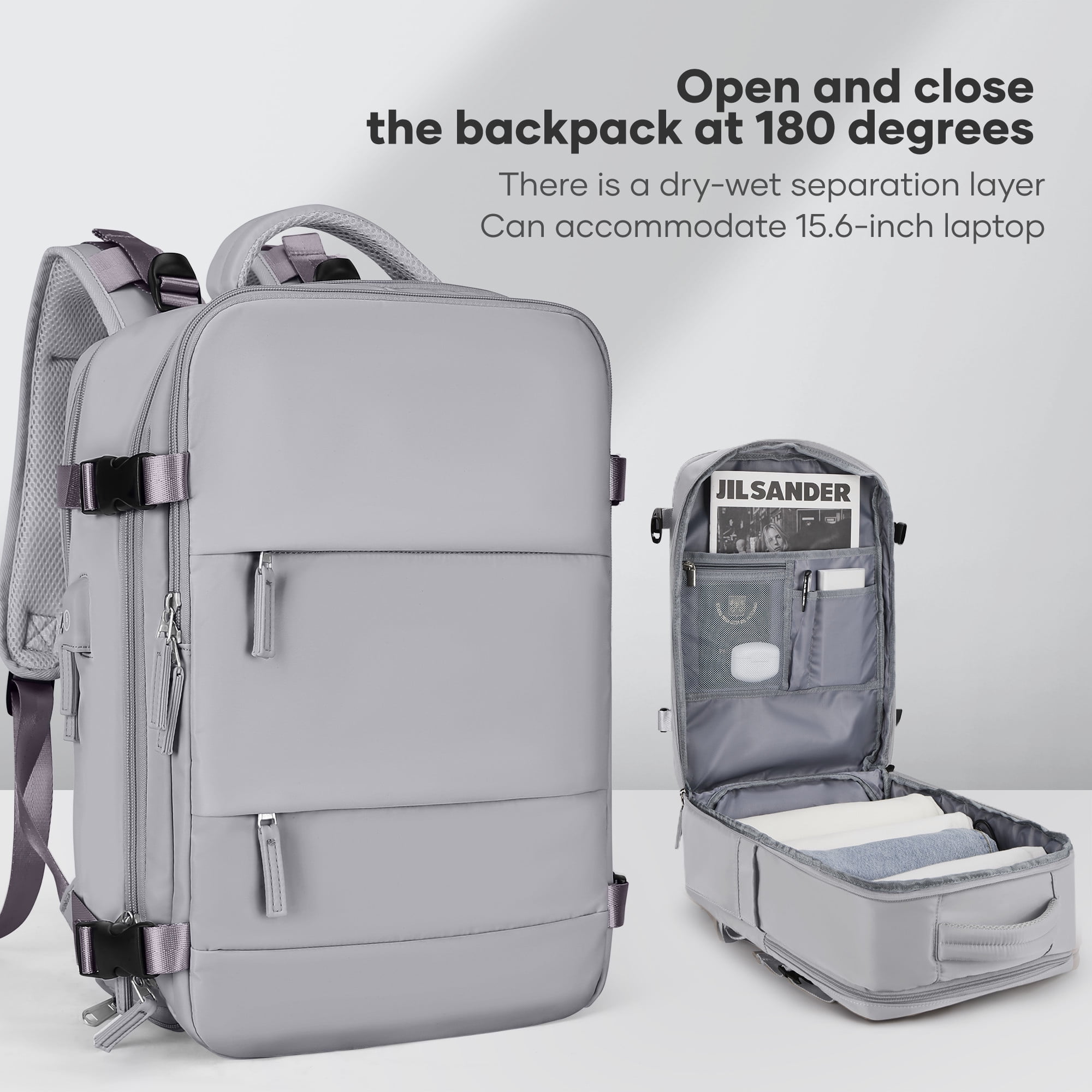
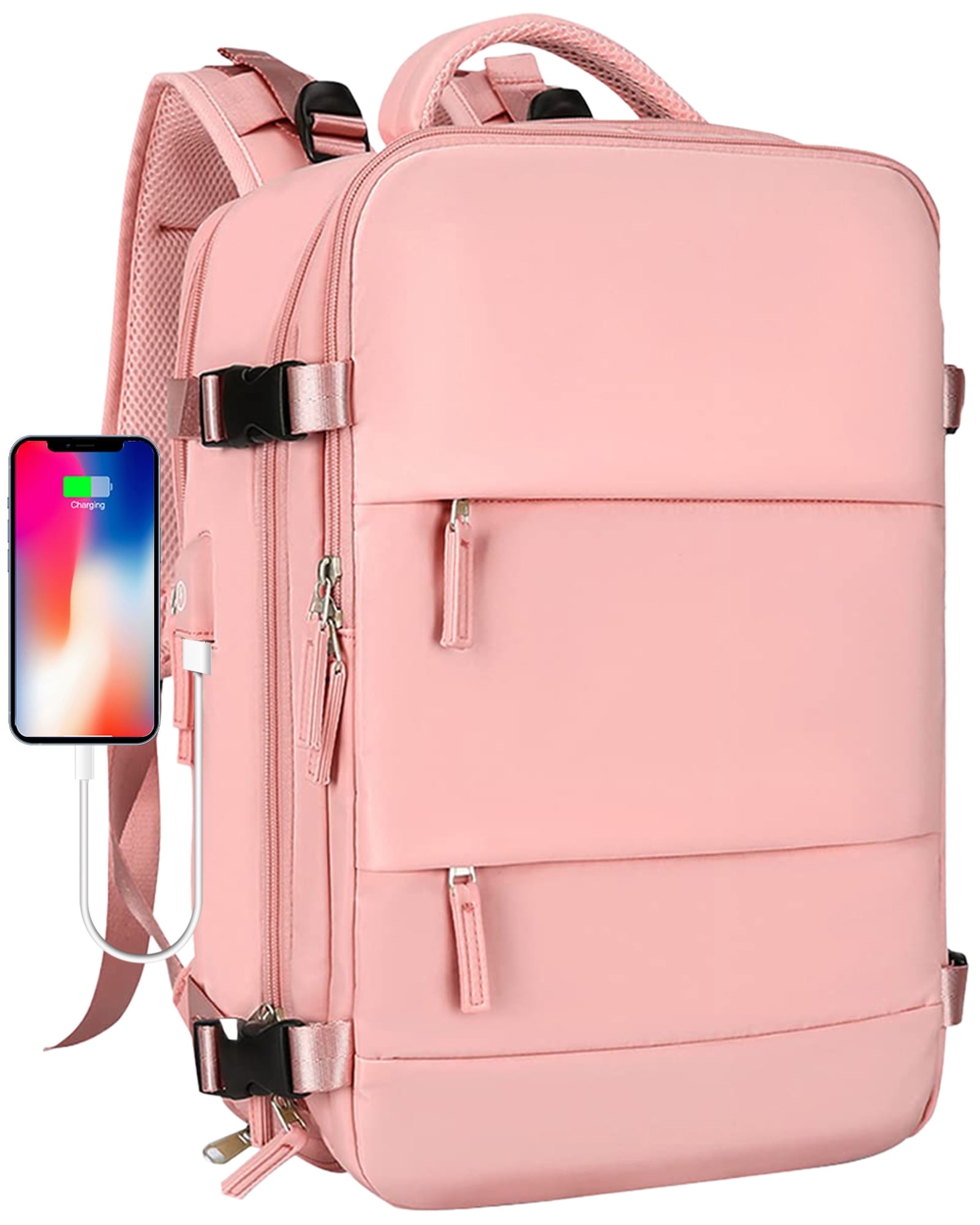
Cabin luggage dimensions represent another critical category where airline approved labeling requires careful independent verification. Luggage manufacturers frequently market rolling suitcases and backpacks as "airline approved carry-on," yet these dimensions vary significantly across domestic and international carriers. A bag designed to fit overhead bins on a wide-body international aircraft may exceed the linear dimension limits enforced by low-cost regional operators.
Major legacy domestic carriers typically mandate a maximum overhead bin size of 22 x 14 x 9 inches (56 x 36 x 23 cm), including handles and wheels. Regional jets and ultra-low-cost carriers often enforce significantly smaller personal item or carry-on limits. Relying solely on a marketing tag can lead to mandatory gate-checking fees at the boarding bridge.
Smart luggage equipped with integrated lithium batteries for device charging introduces another layer of complexity. If the battery cannot be easily and completely removed from the suitcase by the passenger, the entire bag is rejected for transport if checked, or prohibited in the cabin if it exceeds dimensional limits. Travelers must verify that smart bags feature tool-free battery removal systems to maintain compliance.
Medical Equipment and Assistive Devices
Assistive technology and medical devices enjoy specific legal protections under transportation laws in many jurisdictions, such as the Air Carrier Access Act in the United States. Devices such as Portable Oxygen Concentrators (POCs), CPAP machines, and electronic mobility aids are generally exempt from standard carry-on piece counts and standard weight restrictions, provided they meet specific safety guidelines.
For Portable Oxygen Concentrators, the device must be on the list of FAA-approved models. Manufacturers test and label these specific units for operational safety during all phases of flight. Additionally, passengers utilizing medical equipment must secure a physician statement or medical clearance letter if required by the operating carrier, and they must carry sufficient battery power to last for 150 percent of the anticipated flight duration, including connection times.
Mobility devices powered by batteries—such as motorized wheelchairs—require advance notification to the airline. The type of battery chemistry (dry cell, spillable, or non-spillable lithium-ion) dictates how the ground crew must handle, stow, and disconnect the unit in the cargo hold. Ensuring compliance in this category prevents operational delays and protects essential medical independence during travel.
Frequently Asked Questions
What does airline approved actually mean when shopping for travel gear?
Airline approved means a product meets baseline safety, dimensional, or operational standards established by aviation regulators like the FAA or IATA. However, because individual airlines enforce their own specific rules, travelers must always cross-reference product specifications with their specific carrier contract of carriage.
Can I pack power banks and spare lithium batteries in my checked luggage?
No, spare lithium-ion batteries, e-cigarettes, and external power banks are strictly prohibited in checked luggage due to fire safety risks. They must be carried inside your carry-on baggage or personal item, and their capacity must generally remain under 100 watt-hours.
How do I calculate the watt-hours of my power bank if only mAh is listed?
Multiply the milliamp-hours (mAh) by the nominal voltage (typically 3.7V for standard lithium cells) and divide the total by 1,000. For example, a 20,000 mAh power bank multiplied by 3.7V equals 74,000 mWh, which divides down to 74 Wh, placing it safely under the standard 100Wh limit.
Are pet carriers required to fit under the seat in front of me?
Yes, if your pet is traveling in the cabin with you, the carrier must fit entirely underneath the seat directly in front of your assigned position. Carriers that are too tall or rigid to compress into this space are rejected at the boarding gate.
Do medical devices count toward my standard carry-on baggage limit?
In most jurisdictions, certified medical devices, assistive technology, and Portable Oxygen Concentrators do not count against your standard carry-on allowance. They are treated as essential medical gear, though they must still conform to safety and battery capacity guidelines.
Pre-Flight Compliance Verification Checklist
Before heading to the airport, execute this systematic verification process to ensure all items meet current travel regulations:
- Measure Physical Dimensions: Use a physical tape measure to check your luggage, pet carrier, or device dimensions, including protruding wheels, pockets, and handles, against your specific airline current baggage limits.
- Inspect Battery Labels: Verify that all power banks, laptops, and medical batteries display legible wattage (Wh) or capacity ratings on their exterior casing.
- Confirm Airline Policies: Visit the official website of your operating carrier to review their exact policies regarding specialized items, pet reservations, and battery exceptions.
- Prepare Removable Power Sources: Ensure any smart luggage batteries or secondary electronic power sources can be quickly and easily detached by hand if requested by security or gate agents.