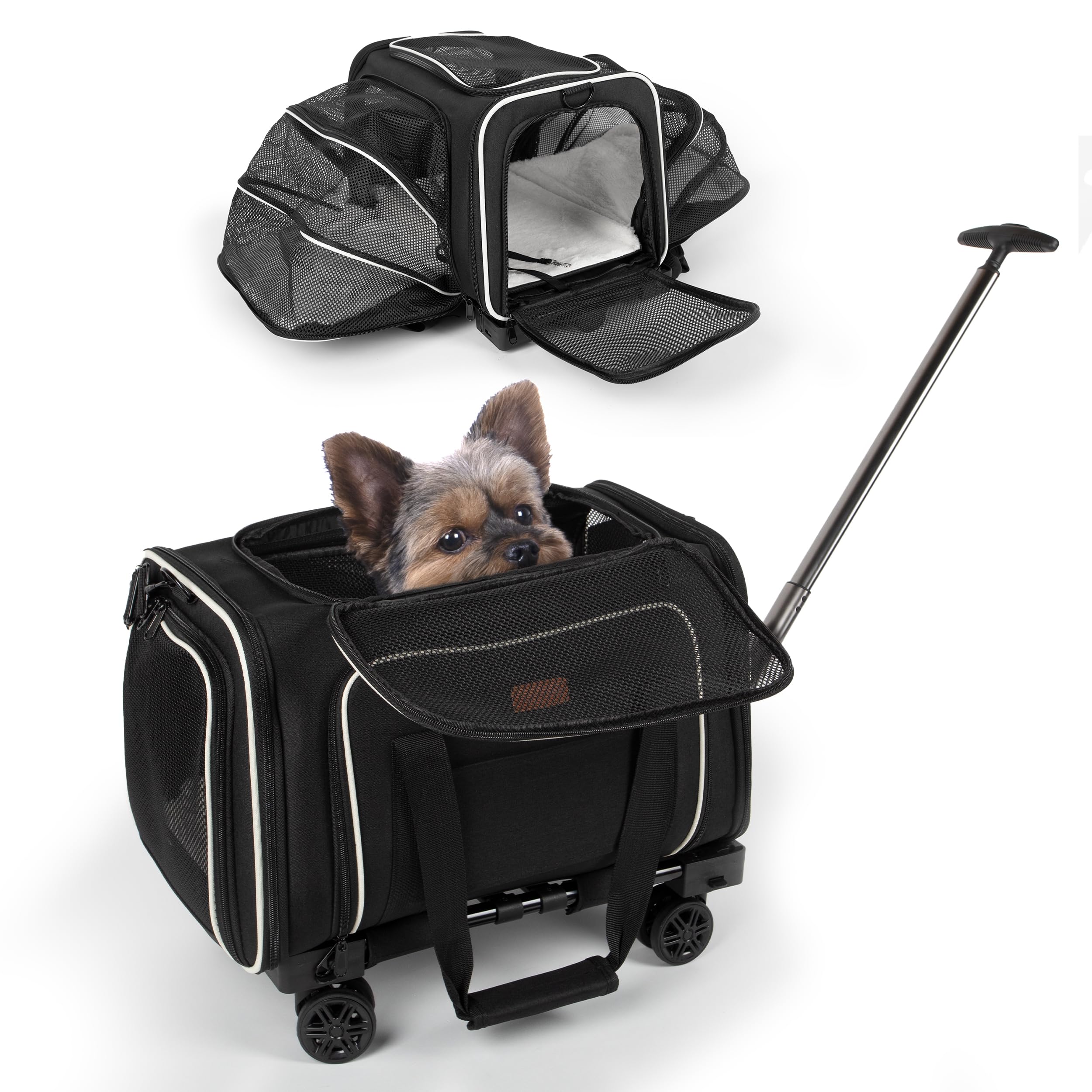
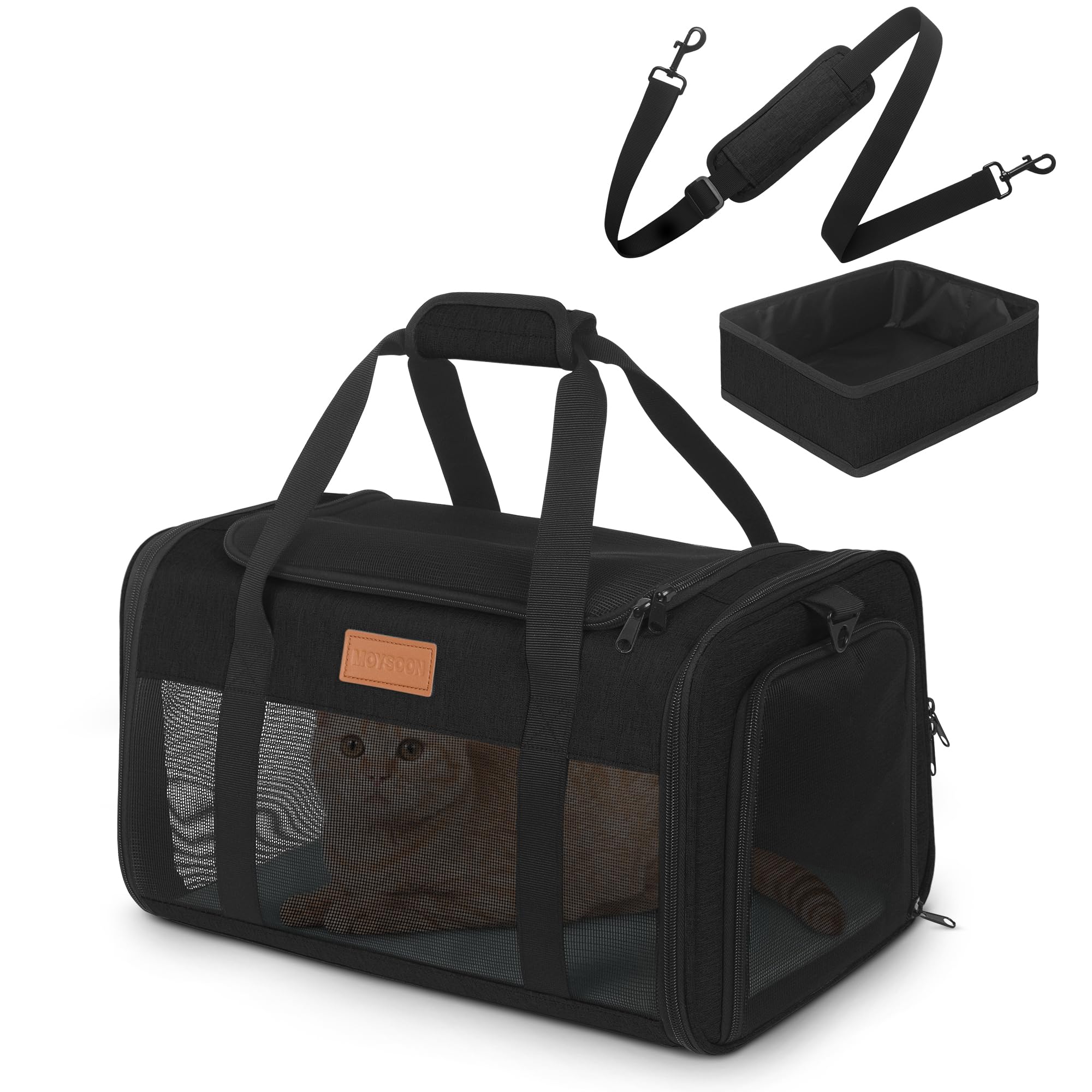
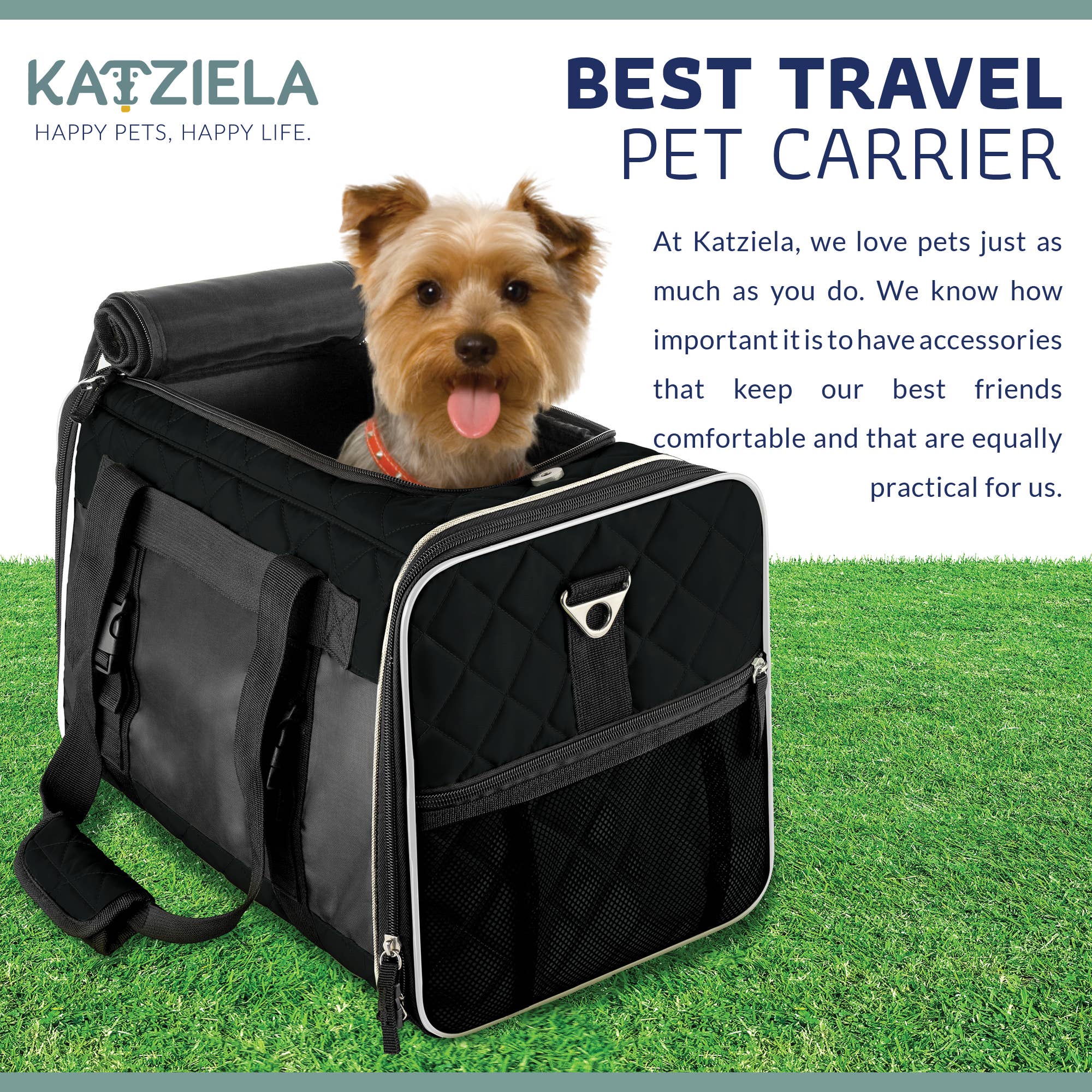
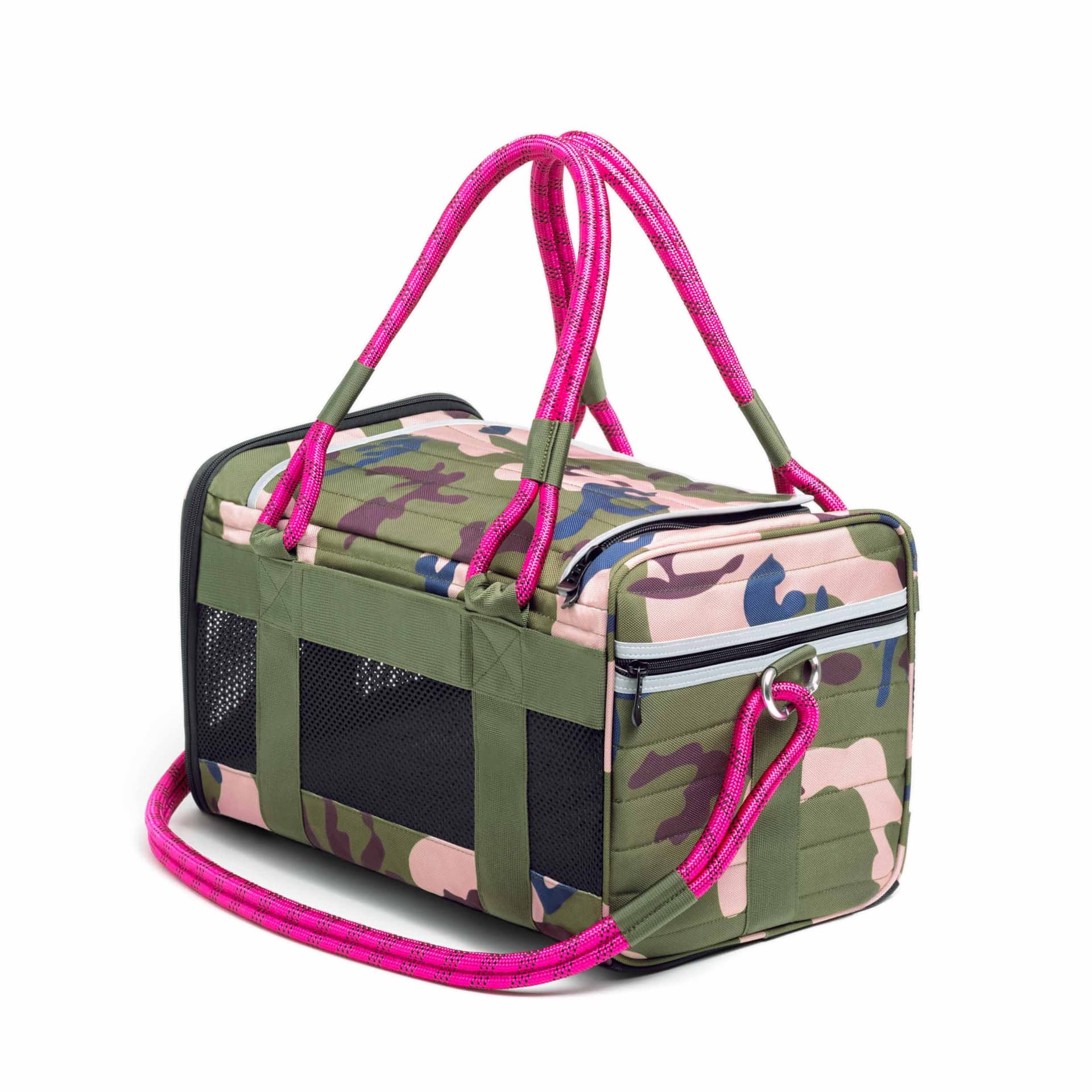
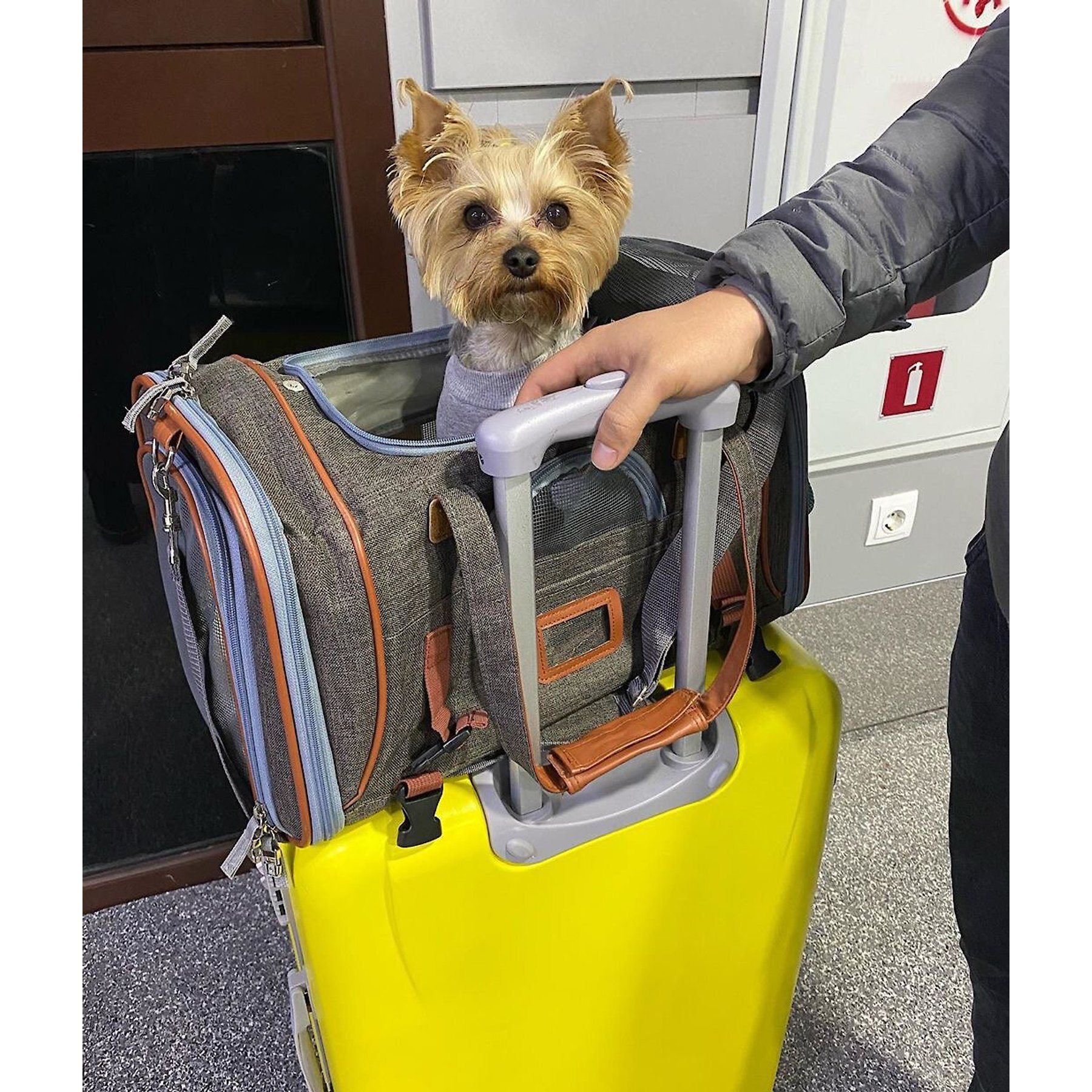
Finding an airline approved dog carrier for cabin travel that balances safety, structural integrity, and aesthetic appeal requires careful attention to carrier dimensions, airline regulations, and ventilation standards. Selecting the right model ensures your pet remains secure and comfortable under the seat in front of you while meeting strict commercial carrier policies.
Understanding Airline Cabin Regulations and Carrier Requirements
Preparing for in-cabin pet travel begins with mastering the complex web of airline regulations that govern pet carriers. Major commercial airlines enforce strict limits on the maximum dimensions allowed for carrier storage beneath the passenger seat. Because aircraft seat configurations vary significantly between aircraft models—such as a Boeing 737 versus an Airbus A320—carriers must possess flexible or collapsible structural elements while maintaining enough rigidity to prevent collapsing inward on the animal.
Federal and international aviation standards require that any pet carrier brought into the aircraft cabin must be well-ventilated on at least three sides for domestic flights, with many international carriers demanding ventilation on four sides. The material must be durable, typically constructed from heavy-duty polyester, nylon, or specialized leather accents, and feature claw-proof mesh windows. Furthermore, the interior must feature a leak-proof base or a removable, washable absorbent pad to manage unexpected accidents during transit. Ignoring these baseline dimensional and structural rules can result in denied boarding at the gate, making verification against your specific airline's current pet policy an absolute prerequisite before purchase.
Balancing Safety Standards with Modern Aesthetics
Travel accessories for pets no longer require sacrificing personal style for functional utility. Modern manufacturers recognize that stylish pet owners demand sleek silhouettes, sophisticated hardware, and premium fabrics that complement modern luggage and apparel. High-end airline-approved dog carriers often incorporate vegan leather trim, understated hardware finishes, and classic colorways like charcoal, navy, and tan, ensuring the carrier resembles a chic weekender bag rather than a clinical medical crate.
However, design sophistication must never compromise fundamental safety features. A stylish exterior should conceal robust internal reinforcement panels that prevent the carrier from sagging when lifted by the shoulder straps. Safety features must include interior tether attachments that securely clip to your dog’s harness—never attach a leash or tether directly to a collar, as sudden movement or turbulence can cause tracheal injury. Additionally, reliable locking zippers are mandatory; clever dogs can easily paw open standard zippers unless they feature interlocking pulls or secondary clasp fasteners.
| Carrier Type | Primary Structural Material | Typical Weight Limit | Best Feature for Cabin Travel | Potential Drawback |
|---|---|---|---|---|
| Soft-Sided Flexible | 600D Nylon with Mesh | Up to 15-20 lbs | Compresses slightly to fit under tight seat frames | Less structural rigidity |
| Expandable Side | Polyester with Wire Frame | Up to 16 lbs | Provides extra floor space once airborne | Bulkier profile when fully zipped |
| Semi-Rigid Shell | EVA Foam and Canvas | Up to 12 lbs | Maximum protection against shifting luggage | Fixed dimensions cannot be compressed |
| Designer Tote | Premium Canvas & Leather | Up to 10 lbs | Seamlessly blends with high-fashion travel gear | Higher price point and limited ventilation surface |
Soft-Sided Versus Semi-Rigid Designs for Under-Seat Storage
When evaluating carrier categories, travelers generally choose between soft-sided collapsible models and semi-rigid structured options. Soft-sided carriers represent the industry standard for cabin travel because their flexible frames allow them to squish down by one to two inches to clear low-clearance under-seat spaces. This compressibility is invaluable on regional jets or older aircraft where life jackets stored beneath seats eat into usable vertical clearance.
Semi-rigid options, constructed using molded EVA foam or internal wire frames, maintain a rigid box shape at all times. While they do not conform to tight spaces, they offer superior protection against accidental impacts from fellow passengers or service carts moving down the aisle. If you travel with an exceptionally timid dog, a semi-rigid carrier provides a stable, cave-like sanctuary that blocks out chaotic visual stimuli in the cabin. The key is measuring the specific height of the under-seat space on your booked aircraft type and matching it against the collapsed or fixed height of your chosen carrier.
Essential Features for Maximizing Pet Comfort During Flight
A truly functional travel carrier must prioritize the physiological and psychological comfort of the animal over extended periods. Air travel introduces unfamiliar sounds, engine vibrations, and atmospheric pressure changes that can elevate a dog's anxiety levels. To mitigate stress, look for carriers equipped with multi-stage mesh panels that allow your dog to maintain visual contact with you while offering privacy flaps that can be rolled down when the cabin environment becomes too overwhelming.
Internal ergonomics are equally critical. The floor of the carrier must remain flat and stable under the dog's weight; cheap inserts often bow downward, causing the dog to slide uncomfortably toward the center. Look for thick, fleece-lined wooden or plastic base boards wrapped in machine-washable covers. Adequate airflow depends on strategic mesh placement positioned at both head height and floor level to ensure optimal cross-ventilation, particularly during extended tarmac delays where cabin air circulation may temporarily decrease.
Practical Steps for Acclimating Your Dog Before Departure
Purchasing an airline-approved carrier is only the first step; preparing your dog to occupy it calmly for several hours is essential for a smooth journey. Introduce the carrier weeks before your flight by placing it in your living room with the door permanently open and a favorite blanket or toy inside. Allow your dog to explore the space voluntarily, rewarding them with treats when they enter or rest inside the carrier.
Once your dog is comfortable resting inside, begin closing the mesh flaps for short intervals while offering praise and high-value treats. Progress to lifting the carrier and walking around the house, and eventually simulate travel conditions by taking a short trip in a car or public transit. This desensitization process ensures that the airport security checkpoint and boarding procedures do not trigger acute panic responses, keeping your travel experience manageable for both you and airport personnel.
Frequently Asked Questions
What exact dimensions should an airline approved dog carrier be?
Most major commercial airlines require soft-sided carriers to measure approximately 17 to 18 inches long, 10 to 11 inches wide, and 8 to 11 inches high. However, because exact maximums vary significantly by carrier and aircraft type, you must verify the specific limitations published by your airline before purchasing.
Can my dog stand up and turn around inside an in-cabin carrier?
Airlines generally require that a pet be able to comfortably stand, turn around, and lie down naturally while inside the closed carrier. Because under-seat height restrictions typically limit vertical clearance to 8 to 10 inches, small and toy breeds meet this requirement easily, whereas larger dogs may not qualify for cabin travel.
Are mesh windows durable enough for strong chewers or scratchers?
High-quality airline-approved carriers utilize reinforced, heavy-duty claw-proof vinyl-coated mesh designed to withstand scratching and light chewing. If your dog suffers from severe separation anxiety or attempts to chew through fabric, you should spend adequate time on crate training or consult a veterinarian for behavioral management strategies before flying.
Do airline-approved carriers count as a personal item or carry-on luggage?
A pet carrier traveling in the cabin typically counts as your designated carry-on bag or your personal item, depending on the specific airline's tariff rules. Most airlines require you to stow either the pet carrier under the seat and place a small personal item in the overhead bin, or vice versa, meaning you must pack efficiently.
What documents do I need to pack alongside my carrier?
For domestic flights, most airlines require proof of rabies vaccination, though policies vary. International or cross-border travel demands comprehensive veterinary health certificates, microchip documentation, and import permits complying with destination country regulations, which should be stored in an external pocket of your carrier for rapid access.
Securing Your Travel Setup
Before finalizing your purchase, cross-reference your dog’s exact measurements and weight against the manufacturer’s structural specifications and your chosen airline's current cabin guidelines. Investing in a durable, well-ventilated, and stylish carrier ensures compliance with aviation standards while providing your pet with a secure, comfortable environment throughout your journey.