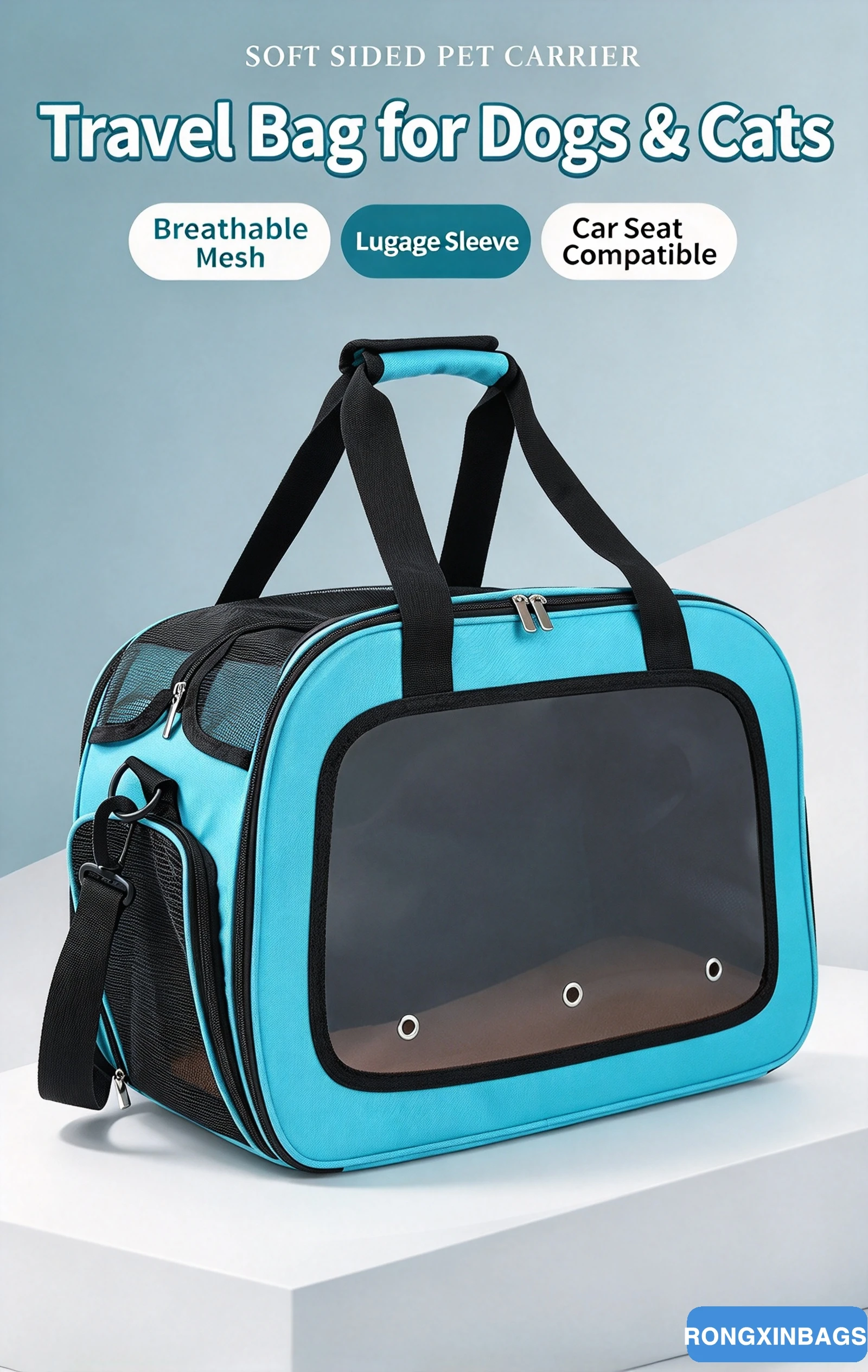
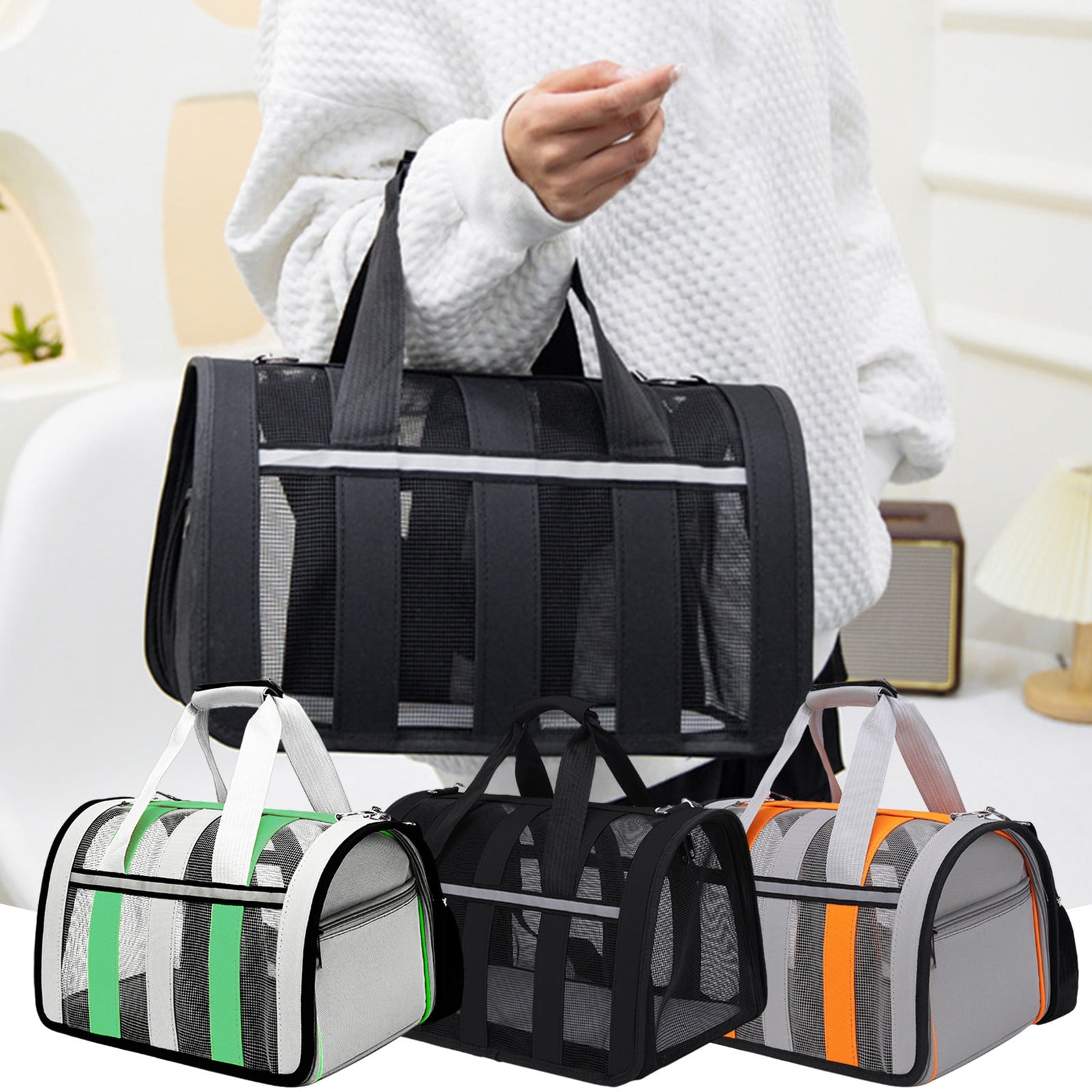
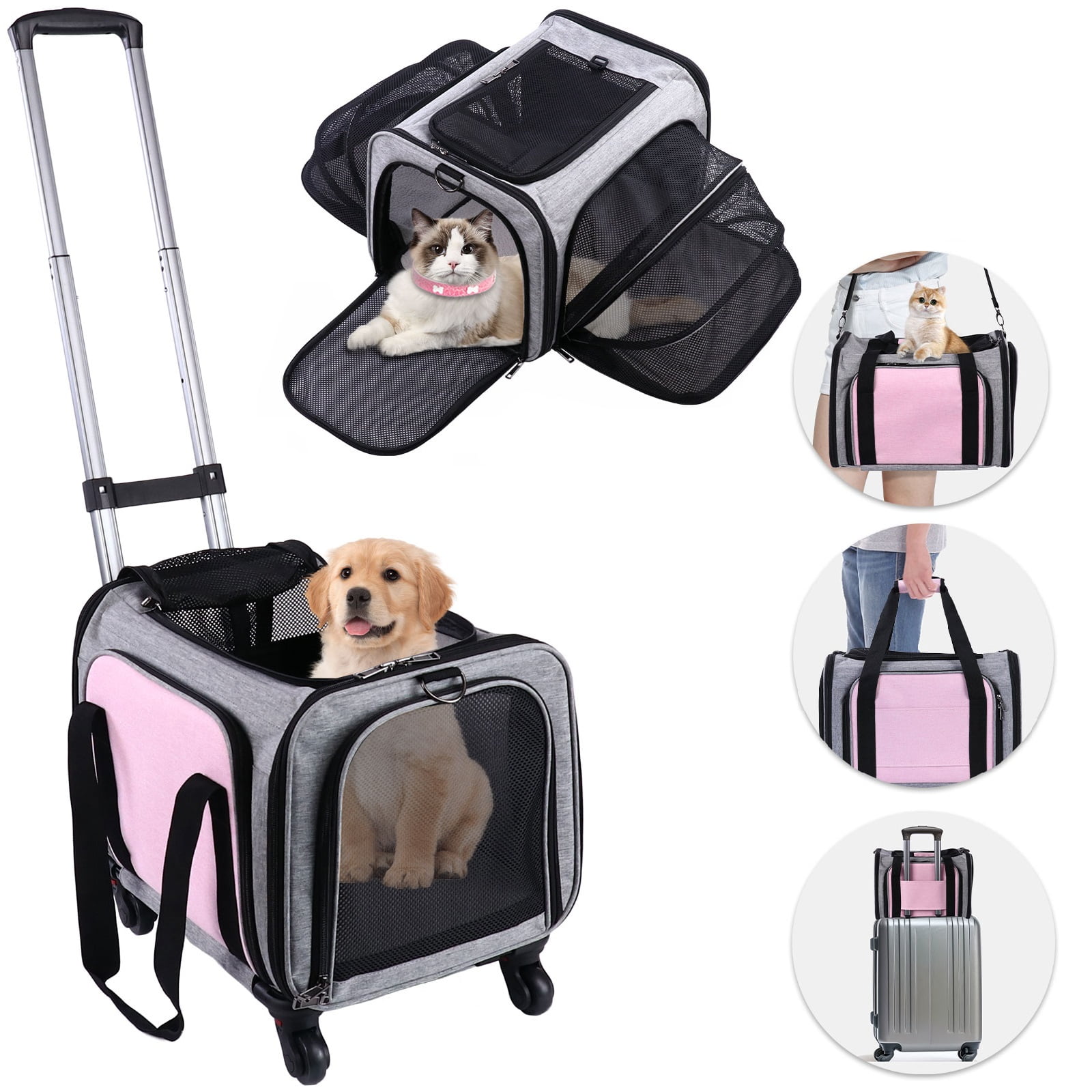
Navigating commercial air travel with a canine companion requires an airline approved dog carrier bag, travel tote, or pet pod that complies with specific carrier dimensions, ventilation mandates, and structural safety standards. Selecting the correct enclosure ensures your pet remains secure, comfortable, and permitted inside the aircraft cabin under individual airline regulations.
Understanding Airline Approval Standards for Pet Carriers
Commercial airlines enforce strict guidelines regarding pet containment equipment transported inside the passenger cabin. The phrase "airline approved" is a frequently used marketing term rather than a universal certification issued by a governing body like the Federal Aviation Administration (FAA). Because every air carrier maintains individual policies regarding animal transport, an enclosure accepted by one airline might violate the structural dimensions or ventilation requirements of another.
When evaluating a dog carrier bag, travel tote, or rigid pet pod, you must examine three critical criteria: under-seat clearance dimensions, structural integrity, and ventilation percentage. Most major commercial carriers specify maximum height, width, and depth limits for soft-sided containers, typically ranging between 8 to 11 inches in height to allow the bag to compress slightly when pushed beneath the seat ahead. Rigid pet pods, while occasionally permitted, often fail to flex and may be rejected at the gate if they exceed the rigid height boundaries of the aircraft's under-seat space.
Furthermore, air carriers generally require that soft-sided and hard-sided enclosures feature adequate ventilation on at least two to four sides. These mesh panels or structural openings must provide proper airflow while remaining secure against clawing or chewing. Waterproof interior bases, removable and washable fleece bedding, and secure, locking zippers are additional baseline requirements mandated by many domestic and international airlines to ensure sanitary travel conditions throughout the duration of the flight.
Soft-Sided Totes Versus Hard-Sided Pet Pods
Choosing between a flexible soft-sided carrier bag and a rigid pet pod depends heavily on your dog’s temperament, the specific airline's structural preferences, and your personal travel ergonomics. Soft-sided travel totes represent the most popular choice for in-cabin pet transport due to their adaptability, lightweight frame, and capacity to compress under tight seats. These bags often feature zippered mesh doors, expandable side compartments for pre-flight staging, and multiple pockets for carrying travel documentation, waste bags, and treats.
Conversely, hard-sided pet pods offer superior impact protection and structural rigidity. If you have an anxious dog that tends to scratch, claw, or attempt to chew through fabric mesh, a rigid pod prevents escape attempts and shields the animal from shifting luggage or accidental impacts in crowded terminals. However, traditional hard-sided plastic crates are rarely permitted inside the passenger cabin unless they conform to soft-sided flexibility standards or are specifically approved as collapsible soft-sided hybrid pods.
To determine which style best matches your journey, review the comparative breakdown of structural attributes, safety features, and airline compatibility factors below.
| Feature / Attribute | Soft-Sided Travel Totes | Rigid Pet Pods | Hybrid Expandable Carriers |
|---|---|---|---|
| Under-Seat Flexibility | High (Compresses to fit tight clearances) | Low (Fixed rigid dimensions) | Moderate (Flexible body with reinforced frame) |
| Ventilation Quality | High (Mesh panels on 3 to 4 sides) | Moderate (Vented slats on sides and door) | High (Mesh panels combined with structural framing) |
| Escape Resistance | Moderate (Relies on heavy-duty mesh and zippers) | High (Solid walls and secure latch doors) | Moderate to High (Reinforced mesh and secure zippers) |
| Storage & Portability | Folds flat for compact storage; lightweight | Bulky; occupies permanent storage space | Collapses partially or folds flat |
| Cabin Compatibility | Universally accepted if dimensions comply | Frequently restricted to cargo or specific in-cabin limits | Generally accepted if dimensions remain compliant |
Essential Measurements and Sizing Methodology
The most common reason for denied boarding at airport security or departure gates is an improperly sized carrier. Before purchasing any travel tote or pet pod, you must measure your dog accurately while they are standing, sitting, and turning around inside their intended enclosure. Airlines require that the animal be able to stand up without touching the top of the carrier, turn around comfortably, and lie down in a natural posture.
To calculate the correct container dimensions, measure your dog from the tip of their nose to the base of their tail while standing, and from the top of their head (or ears if erect) to the floor. Add two to three inches to these measurements to establish the minimum interior height and length required. Next, weigh your dog alongside the carrier bag. Most airlines enforce a combined weight limit—typically 20 pounds total for the dog and the carrier combined—though some carriers enforce no weight limit provided the animal fits comfortably beneath the seat and remains inside the closed bag at all times.
Once you have your pet's measurements, cross-reference them against the exact interior dimensions of the carrier rather than its exterior frame. External pockets, reinforced frames, and curved handles can add several inches to the listed dimensions, creating discrepancies that may result in gate rejection if airline personnel measure the exterior footprint.
Pre-Flight Acclimation and Training Strategies
Introducing your dog to their travel tote or pet pod weeks before your scheduled departure date significantly reduces travel-related anxiety and prevents mid-flight distress. Dogs naturally view enclosed spaces with caution; rushing them into an unfamiliar bag on the day of travel often leads to panting, whining, and excessive scratching.
Begin the acclimation process by placing the carrier in your living area with the doors permanently unzipped and tied open. Toss high-value treats, familiar toys, and a worn piece of your clothing inside the pod to create a positive sensory association. Encourage your dog to enter the carrier voluntarily for meals or rest periods. Once your pet enters the enclosure calmly, close the door for a few seconds, gradually increasing the duration of confinement over multiple training sessions.
After your dog is comfortable remaining inside the closed carrier in a stationary environment, practice lifting the bag and walking short distances around your home. Progress to placing the carrier inside a moving vehicle for short practice drives to simulate the motion, engine sounds, and sensory changes associated with taxicabs, shuttles, and aircraft boarding. Ensuring your dog associates the carrier bag with safety and comfort ensures a smoother journey through crowded airports and security checkpoints.
Navigating Airport Security and Boarding Procedures
Passing through airport security with a dog carrier requires adherence to specific Transportation Security Administration (TSA) protocols. Federal security regulations mandate that pets cannot pass through the advanced imaging technology or metal detectors while inside their carriers. You must remove your dog from the carrier bag or travel tote, hold them securely in your arms, and walk through the metal detector together. Meanwhile, the empty carrier bag, pet pod, and all related accessories must undergo x-ray screening on the conveyor belt.
To streamline this process, remove all leashes, toys, and loose items from the interior of the carrier before placing it on the belt. Utilize a slip-resistant harness and a secure leash on your dog during the screening process to prevent an unexpected escape in a busy terminal. Many airports feature designated animal relief areas post-security, allowing you to walk your dog and allow elimination breaks immediately prior to boarding.
When boarding the aircraft, keep your pet completely enclosed inside the carrier bag. Flight attendant regulations strictly prohibit opening the bag or allowing the dog to protrude its head or paws while the aircraft is in motion, taxiing, taking off, or landing. Placing a familiar lightweight blanket over the top of the carrier can also help calm an anxious dog by reducing visual stimulation in the cabin environment.
Common Mistakes to Avoid When Purchasing Pet Carriers
Purchasing the wrong pet carrier can instantly derail travel plans and result in costly last-minute replacements or denied boarding. One of the most frequent errors travelers make is relying entirely on unverified online product titles that claim a bag is "airline approved." Because specifications vary widely between airlines, you must independently verify that the product's exact measurements match your specific carrier's maximum cabin allowance.
Another common mistake involves ignoring structural ventilation. Some aesthetic fashion totes feature minimal airflow, relying on small grommets or opaque fabrics that restrict vital oxygen exchange. Ensure your chosen bag features heavy-duty rubberized mesh panels that resist tearing while maximizing cross-ventilation. Additionally, avoid purchasing rigid pods without checking whether the aircraft operating your specific flight features restrictive under-seat electrical boxes or life-raft equipment housings that reduce standard clearance heights.
Finally, do not overlook the importance of build quality and hardware security. Zippers without self-locking mechanisms or durable metal sliders can easily be forced open by an enterprising dog using its paws or nose. Inspect all zippers, seams, and shoulder strap attachment points for reinforced stitching and heavy-duty hardware to guarantee structural integrity during transit.
Frequently Asked Questions
What size carrier is typically approved for airline cabin travel?
Most domestic airlines require soft-sided carriers with maximum approximate dimensions of 17 to 18 inches in length, 11 inches in width, and 8 to 11 inches in height. However, exact dimensions vary by airline and aircraft type, making direct verification with your specific air carrier mandatory prior to booking.
Can my dog's head stick out of the carrier during the flight?
No. Commercial airline regulations strictly require that the animal remain completely enclosed inside the carrier bag with all zippers and doors securely fastened for the entire duration of the flight, from boarding until deplaning at the destination gate.
Are rigid pet pods allowed in the aircraft cabin?
Rigid pet pods are occasionally permitted by specific airlines if their dimensions comply with under-seat limits. However, because rigid pods cannot compress to fit tight vertical clearances, most travelers prefer flexible soft-sided totes that offer a higher margin of acceptance.
Do airlines weigh the dog and the carrier together?
Many airlines enforce a combined weight limit—typically ranging from 15 to 20 pounds total for the animal and the carrier combined—while other carriers have no weight restrictions provided the bag fits beneath the seat and the animal can move comfortably.
How can I clean my pet carrier after travel?
Most quality airline approved carriers feature a waterproof, removable base pad covered in machine-washable fleece. The exterior fabric can typically be spot-cleaned using mild soap and warm water, followed by thorough air drying to eliminate lingering odors and maintain sanitary conditions.
Strategic Preparation for Stress-Free Pet Air Travel
Ensuring a successful travel experience with your canine companion requires meticulous pre-trip planning, strict adherence to airline dimensional limits, and thorough pre-flight acclimation. Begin by verifying your airline's pet policies weeks in advance, secure a veterinarian-issued health certificate if required for your destination, and practice loading your dog into their carrier bag regularly. By prioritizing safety, comfort, and compliance over aesthetic appeal, you can navigate terminals and cabins with confidence.