Flying with a 20-pound dog requires careful adherence to commercial airline regulations, as pets of this weight class often sit precisely on the boundary between cabin eligibility and cargo holds. While most major airlines restrict in-cabin pets to carriers that can fit comfortably under the seat ahead—which usually limits total weight to 20 pounds including the carrier—finding an airline-approved soft-sided carrier for a dog of this size demands precise measurements, strict adherence to airline rules, and thorough advance preparation.
Understanding In-Cabin vs. Cargo Restrictions for 20-Pound Dogs
Navigating airline pet policies starts with understanding the strict physical and weight thresholds enforced by commercial carriers. For a dog weighing right around 20 pounds, the combined weight of the animal and the carrier frequently pushes past the maximum limit allowed for in-cabin travel. Most domestic and international airlines specify that the total weight of the pet plus the carrier must not exceed 20 pounds, though some carriers set the threshold at 15 or 18 pounds. If your dog weighs 20 pounds on its own, a standard under-seat carrier will exceed allowable cabin limits once you factor in the weight of the bag, bedding, and travel essentials.
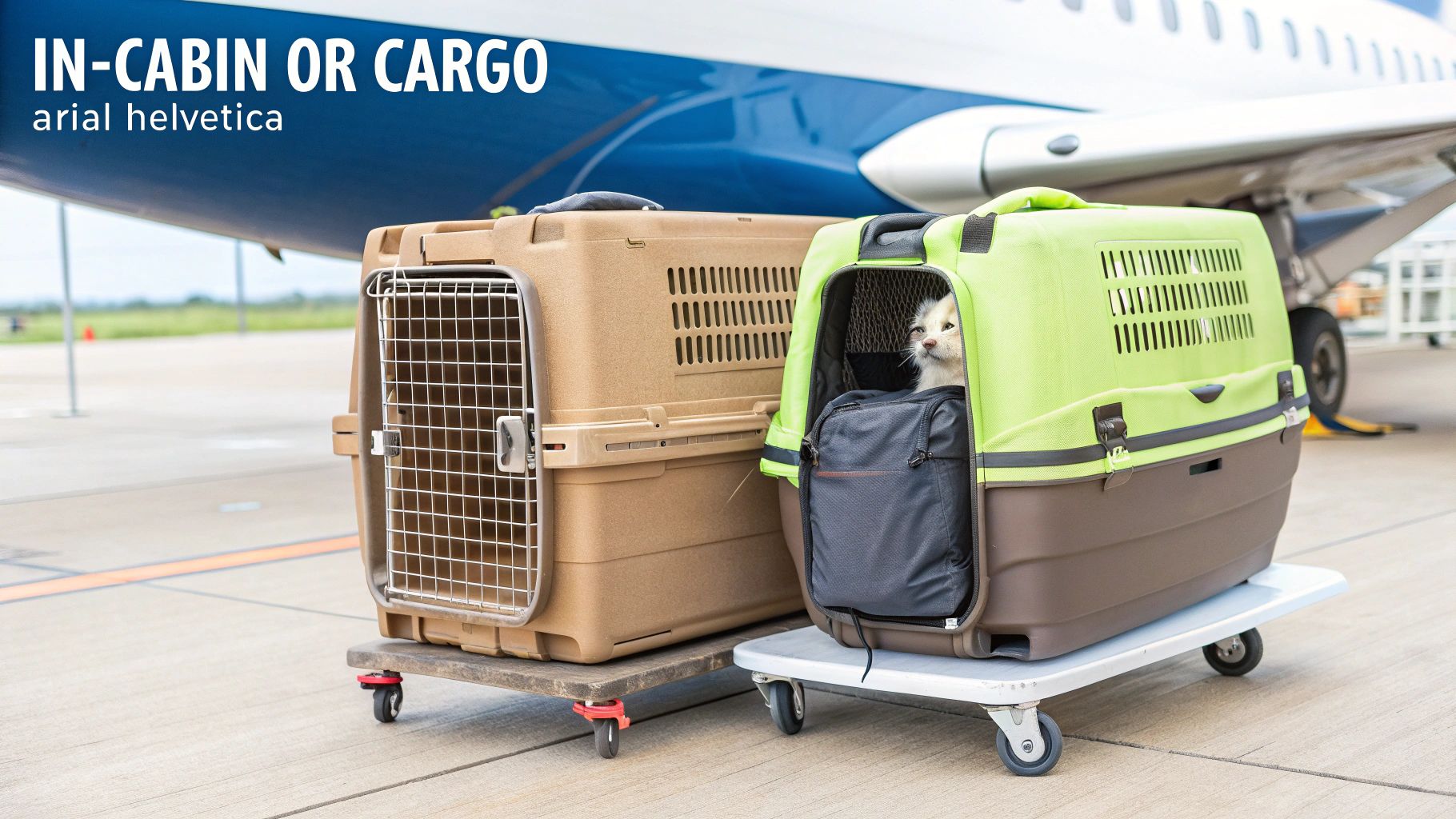
When a pet exceeds in-cabin weight limitations, owners must evaluate whether the animal is suited for checked baggage or cargo travel, assuming the airline permits live animal transport in the cargo hold. However, many airlines have permanently suspended or significantly restricted checked pet programs, leaving in-cabin travel as the only viable option for small-to-medium dogs. Consequently, owners of 20-pound dogs must look for lightweight, structurally efficient carriers and ensure their pet maintains a healthy travel weight. If the dog is slightly overweight, trimming a pound or two under veterinary supervision can make the difference between qualifying for the cabin and facing a denied boarding situation at the gate.
Dimensional Requirements and Under-Seat Realities
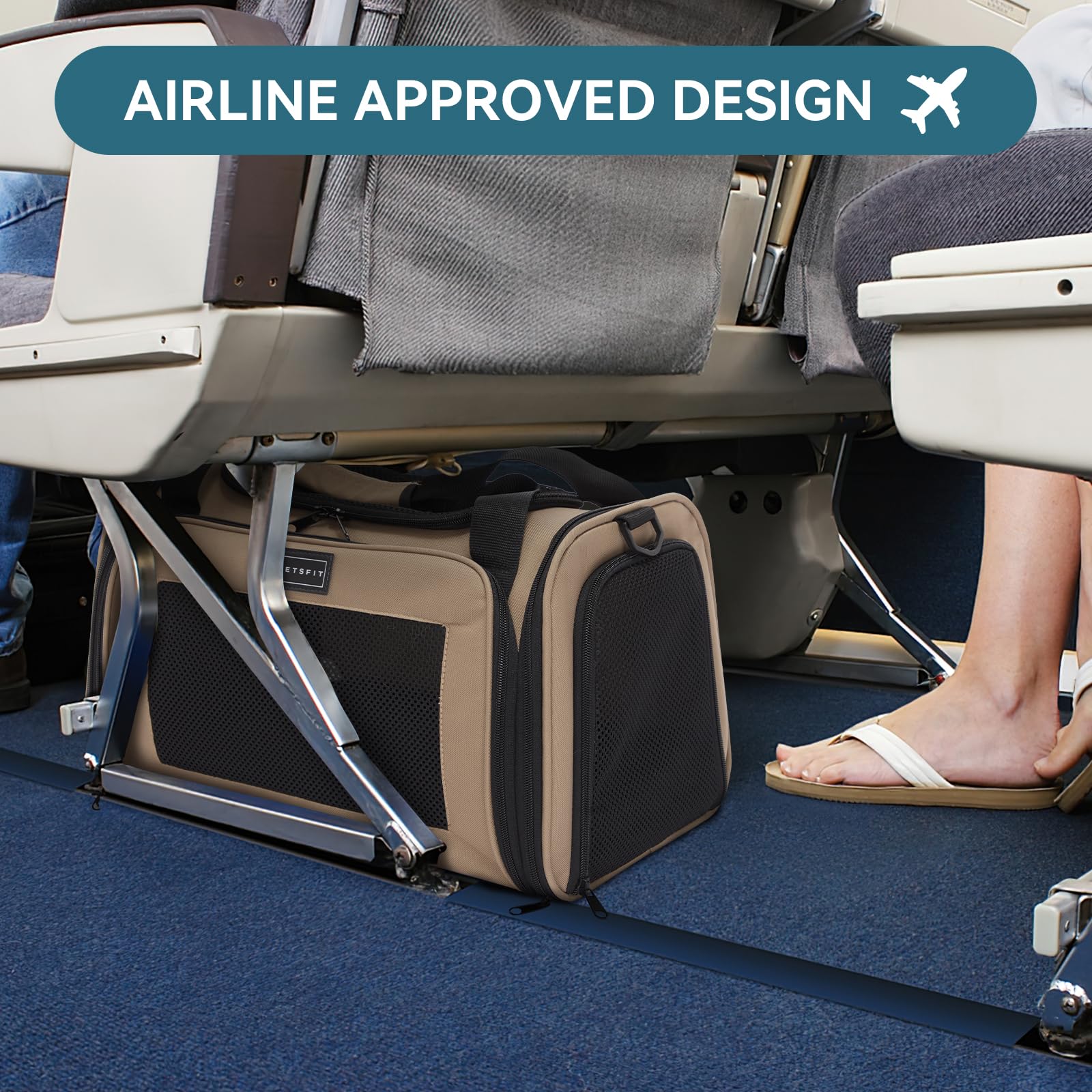
Even if your 20-pound dog and its carrier squeeze underneath the 20-pound total weight limit, the physical dimensions of the carrier must conform to the specific aircraft type operating your flight. Unlike rigid plastic kennels used for cargo, in-cabin carriers must be soft-sided and flexible enough to compress slightly to fit beneath the seat in front of you. Aircraft seating configurations vary drastically between wide-body jets and regional commuter planes, meaning a carrier that fits comfortably under a seat in a Boeing 777 might be too tall for an Embraer regional jet.
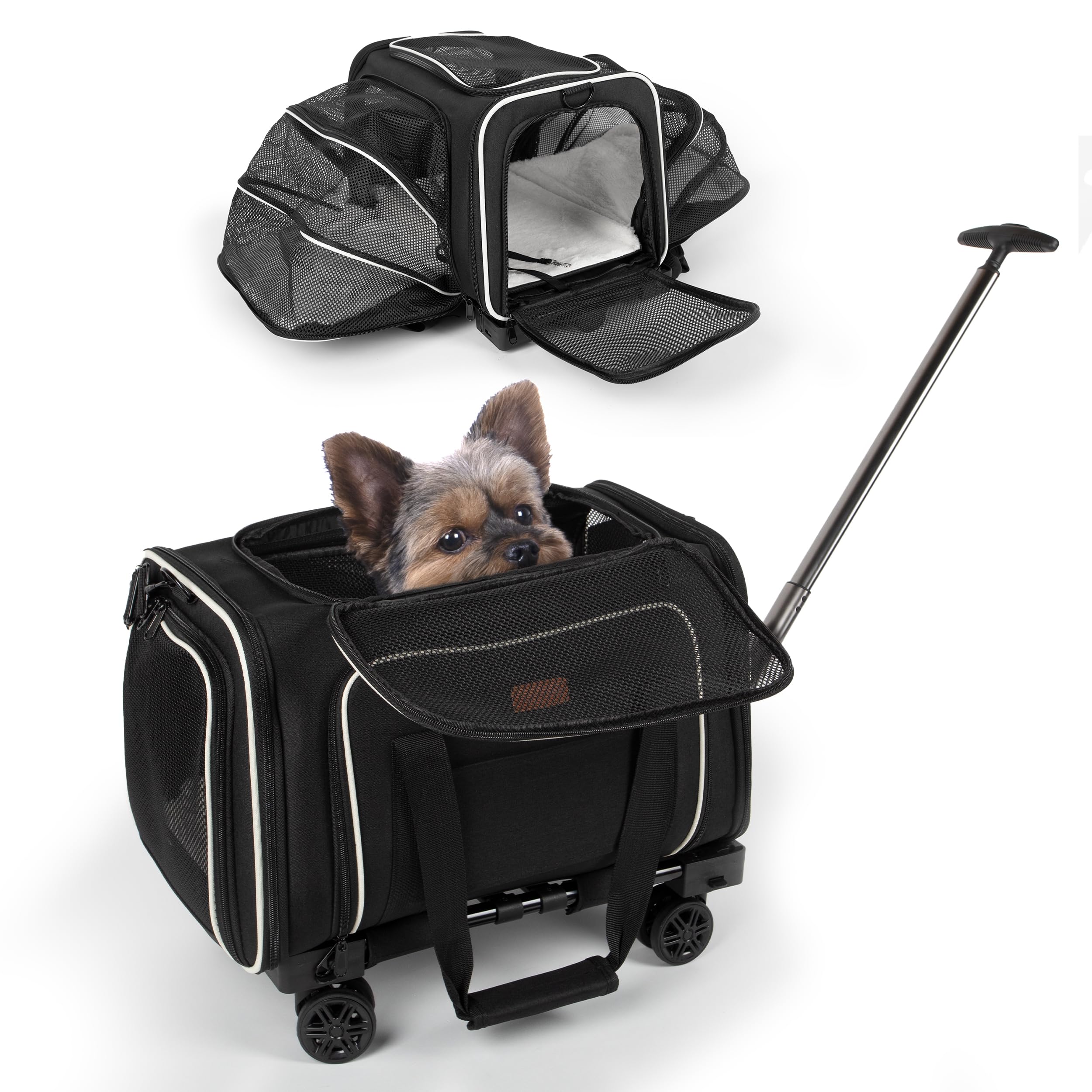
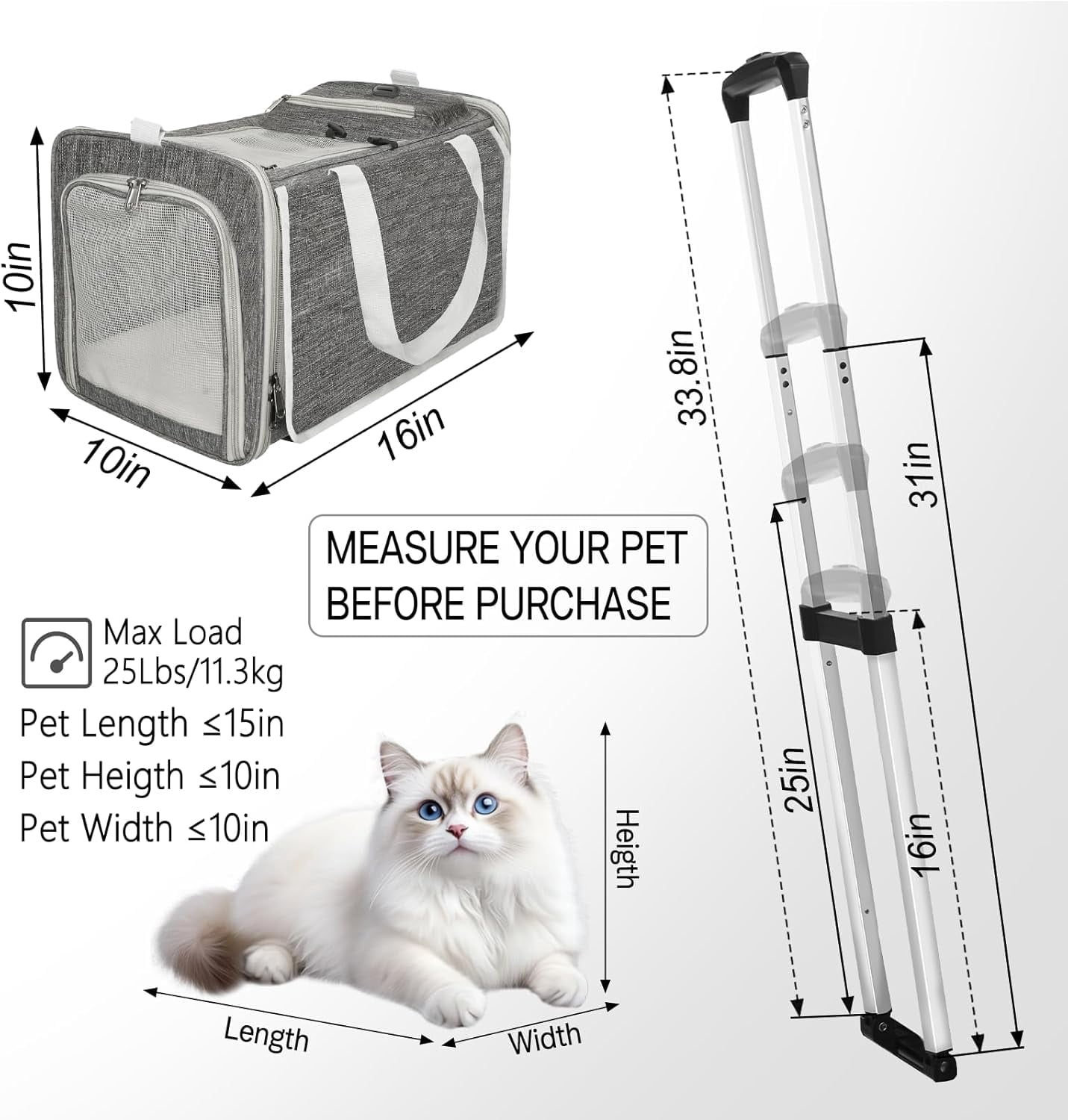
Airlines typically publish maximum dimensions for soft-sided carriers, such as 17 inches long by 10 inches wide by 10 inches high, though exact numbers vary by carrier. Because a 20-pound dog has a longer body and stands taller than a 5-pound Chihuahua, finding a carrier that satisfies airline dimensional caps while offering enough interior volume for the dog to stand, turn around, and lie down comfortably is a major challenge. Expandable soft-sided carriers offer a clever compromise: they feature mesh panels that zip out to provide extra space while the aircraft is in flight or parked at the gate, but they must be zipped back down to standard dimensions during taxi, takeoff, and landing.
Key Features of Quality Carriers for Heavier Small Dogs
Selecting a carrier for a 20-pound dog requires prioritizing structural integrity, safety zippers, ventilation, and ergonomic transport features over aesthetic appeal. Because a 20-pound animal exerts substantial downward force and shifts weight dynamically, cheap mesh panels and flimsy bottom boards will sag, compromise structural stability, and cause discomfort for the animal.
- Reinforced Frames and Solid Bases: Look for carriers with integrated fiberglass rods, wire frames, or rigid internal support plates. A solid base prevents the carrier from bowing downward when lifted, protecting your dog from feeling unstable.
- Durable Ventilation Mesh: Heavy-duty, claw-resistant mesh on at least three sides is essential for proper airflow and visibility. Avoid single-layer nylon mesh that can be easily ripped by anxious nails.
- Locking Zippers: Clever dogs can nose open standard zippers. Ensure the carrier features self-locking sliders or metal clips that secure the zipper pulls together so your dog cannot stage an in-flight escape.
- Secure Tether Attachments: An interior safety leash or strap that clips directly to your dog's harness prevents them from leaping out the moment the carrier door is unzipped during security screening or baggage claim.
Airline Pet Policies and Documentation Checklists
Before booking any ticket, you must verify the specific pet policies of your chosen airline, as regulations are entirely carrier-specific and subject to change without notice. Most airlines limit the total number of pets allowed in the cabin per flight—often capping it at two to six animals total—meaning you must reserve your pet space well in advance of your departure date. Simply purchasing a ticket for yourself and showing up with a carrier will result in denied boarding if the pet quota for that specific aircraft has already been met.
| Airline Requirement | Typical Domestic Standard | What to Verify |
|---|---|---|
| Reservation Window | 24 to 48 hours prior | Call airline immediately after booking passenger ticket to add pet. |
| In-Cabin Fee | $95 to $150 each way | Confirm accepted payment methods and whether fees are paid at check-in. |
| Health Certificates | Required for international; recommended domestic | Check if destination state or country mandates a USDA-accredited vet exam within 10 days of travel. |
| Age Minimum | At least 8 weeks old | Ensure your dog meets minimum weaning and vaccination milestones. |
| Carrier Space | Must fit under seat ahead | Measure exact dimensions of aircraft seats if flying regional jets. |
Beyond airline reservations, international travel or certain domestic routes may require comprehensive health documentation, proof of rabies vaccination, and import permits. While domestic flights within the United States rarely require a health certificate at the gate, airlines reserve the right to request proof that the animal is healthy and free of contagious diseases. Always consult the United States Department of Agriculture (USDA) Animal and Plant Health Inspection Service (APHIS) guidelines or the destination country's embassy website weeks before departure.
Preparing Your Dog for the Journey
A successful flight with a 20-pound dog depends heavily on pre-trip desensitization and training. Dogs do not naturally understand why they are being zipped into a dark, confined space surrounded by the roaring engines and strange smells of an commercial airliner. Introducing the carrier weeks before your travel date transforms the bag from a source of anxiety into a safe, familiar den.
Start by placing the carrier in your living room with the door permanently open, tossing treats inside, and encouraging your dog to nap or eat meals within the enclosure. Once your dog enters willingly, zip the door closed for a few seconds, gradually increasing the duration. Next, lift the carrier with your dog inside and walk around the house, and eventually take short trips in the car to simulate the motion and ambient noise of transit. Feeding your dog a light meal several hours before departure and withholding heavy water intake immediately before boarding will minimize the risk of motion sickness or accidents while in the air.
Troubleshooting Common Airport and In-Flight Challenges
Even with meticulous planning, unexpected hurdles can arise during the airport security screening process and the flight itself. Understanding how to handle these situations prevents panic and keeps your travel day running smoothly.
During TSA security screening, passengers cannot carry pets through the metal detector or advanced imaging machine. You must remove your dog from the carrier, hold them in your arms, and walk through the scanner together, while the empty carrier goes through the X-ray machine. To prevent a startled dog from bolting in a busy airport terminal, fit your dog with a secure harness and a sturdy leash before approaching the checkpoint, and attach the leash before unzipping the carrier door.
If your dog whines or barks during the flight, resist the urge to pull them out of the carrier, as flight attendants are strictly prohibited from allowing pets to sit on laps or out of their containers during flight operations. Instead, soothe your dog by sliding a hand through a partially unzipped mesh panel to offer gentle tactile reassurance. Packing a favorite chew toy or a comfort item scented with home can also help keep a restless 20-pound dog calm until touchdown.
Best Practices for Seamless Pet Air Travel
To ensure a smooth journey from curb to destination, focus on a streamlined checklist that prioritizes early verification, lightweight packing, and stress management. Confirm your pet reservation with the airline customer service desk at least 48 hours before departure, and double-check aircraft equipment changes in case your assigned seat has been shifted to a model with restricted under-seat clearance. Keep all required vaccination records, airline pet fee receipts, and identification tags easily accessible in an exterior pocket of the carrier. By balancing strict adherence to airline dimensional limits with patient conditioning for your dog, you can ensure a safe and compliant travel experience for both you and your pet.