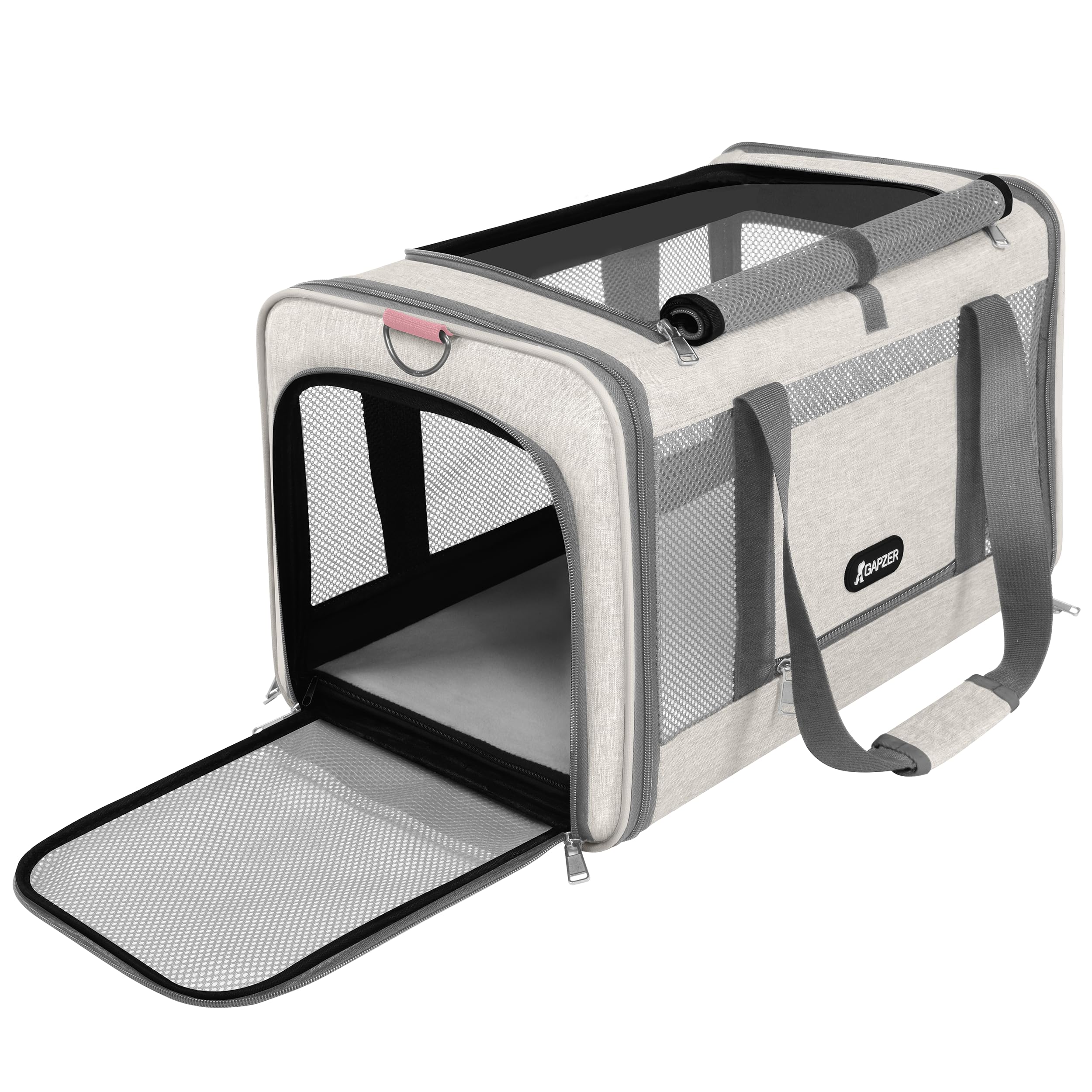
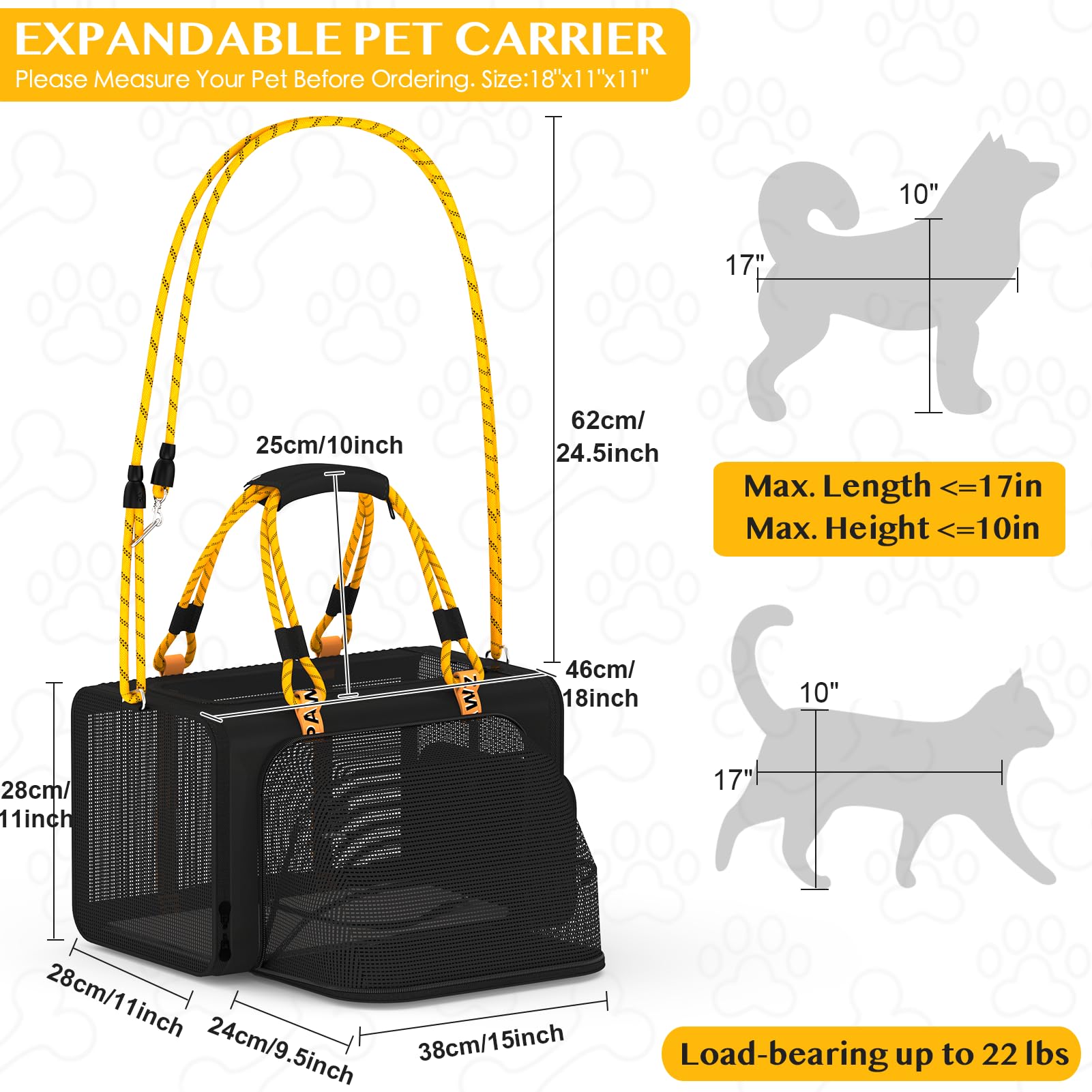
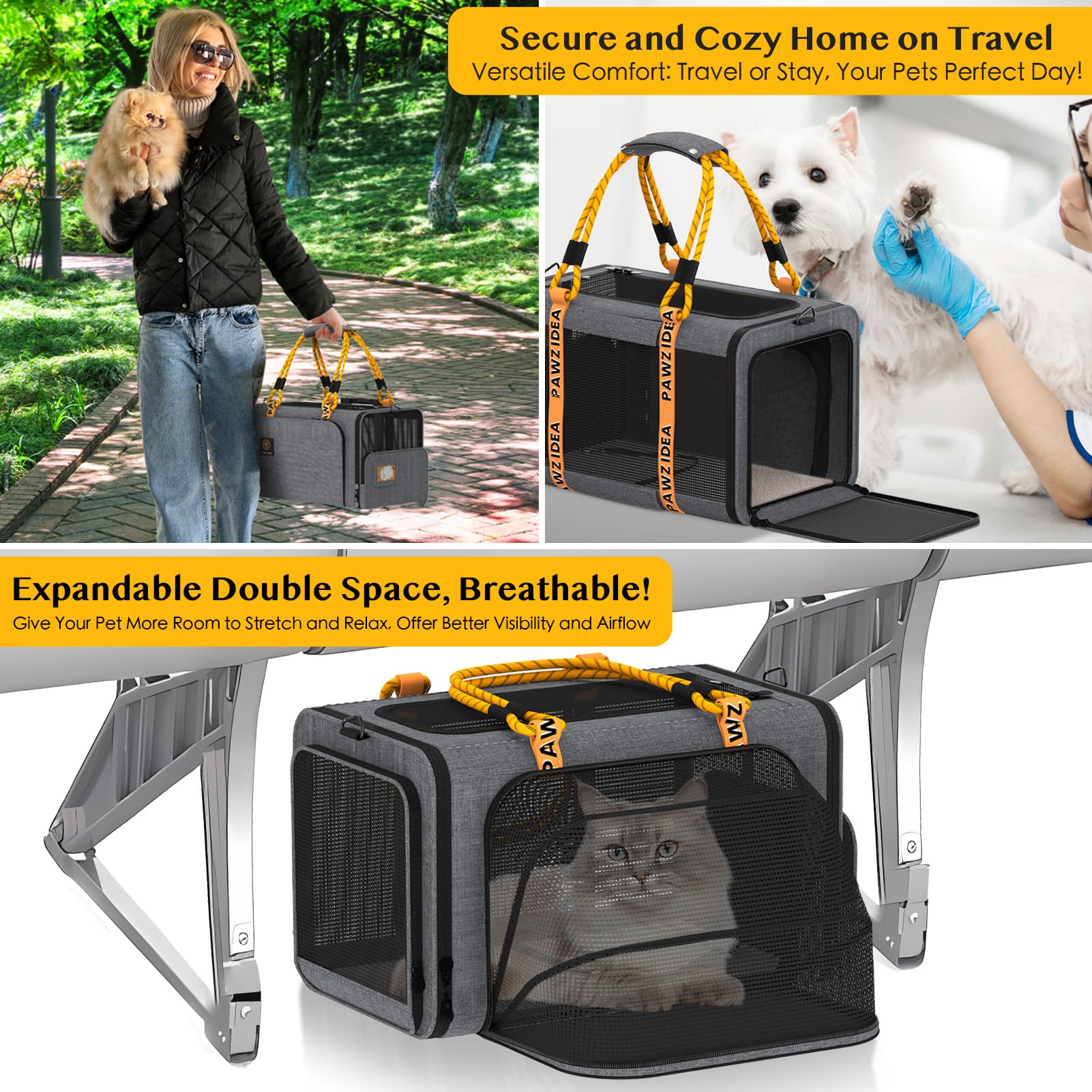
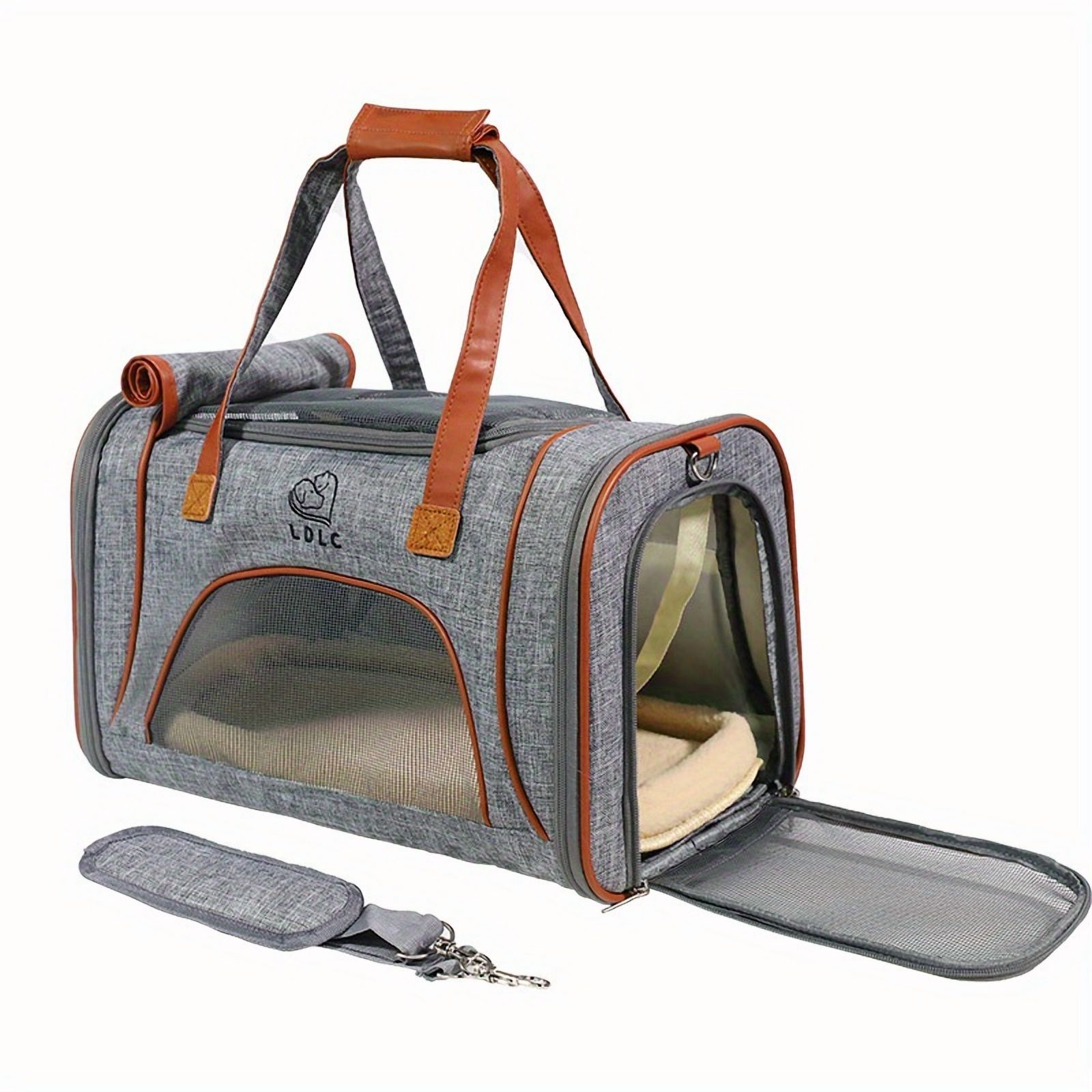
An airline approved 18x11x11 pet carrier provides a specifically sized, soft-sided or hard-sided enclosure engineered to fit underneath most commercial aircraft passenger seats while meeting strict carrier-specific height, length, and width restrictions. Securing a compliant model ensures seamless check-in processing, passenger peace of mind, and a safe, secure environment for a cat or small dog throughout domestic or international flight operations.
Selecting the right pet carrier for air travel requires balancing rigid airline dimensional mandates with animal welfare and functional durability. Commercial airlines enforce strict limits on stowage space beneath seats, meaning that minor sizing deviations can lead to denied boarding at the gate. Understanding the exact specifications, construction requirements, and compliance protocols associated with an 18x11x11 carrier transforms a potentially stressful travel day into a predictable routine. Whether flying on legacy carriers or low-cost operators, preparation begins with verifying how these specific measurements interact with individual airline policies.
Understanding Under-Seat Dimensions and Airline Compliance
Commercial aircraft cabin configurations dictate the maximum dimensions allowable for in-cabin pet containers. While many travelers assume a universal standard exists across the aviation industry, individual airlines maintain independent rules regarding under-seat storage clearances. An 18x11x11 pet carrier is purposefully engineered to approach the absolute maximum threshold permitted by major carriers, maximizing interior volume for the animal while remaining structurally compressible enough to slide beneath the forward seat.
The primary engineering challenge of an 18x11x11 footprint lies in its height and width distribution. Aircraft seat frames often feature structural steel bars, electrical boxes for inflight entertainment systems, and life vest pouches that reduce the usable vertical and horizontal space. A soft-sided carrier with a flexible frame can yield slightly under pressure, allowing an 11-inch height to compress by an inch or two when necessary. However, relying entirely on compression can cause discomfort for the pet and violate strict carrier guidelines if the rigid frame panels are forced out of alignment.
Compliance involves more than simple tape-measure verification. Gate agents and ticket counter staff evaluate whether the carrier fits naturally into the designated space without blocking emergency egress pathways or protruding into legroom. Selecting a model that matches the 18x11x11 specification while featuring flexible mesh ventilation panels guarantees that the unit satisfies both structural compliance checks and practical animal comfort needs.
Essential Structural Features of a Travel-Ready Carrier
A truly travel-ready pet carrier must incorporate specific structural attributes to pass security checkpoints and airline inspections. Beyond the basic 18x11x11 dimensions, the materials used must withstand the rigors of terminal navigation, security screening, and long periods of confinement.
Ventilation stands as the foremost requirement for cabin compliance. Federal regulations and airline policies generally mandate that soft-sided carriers feature mesh ventilation on at least three sides to ensure adequate airflow and allow the animal to observe its surroundings, reducing travel-related anxiety. However, the mesh must be claw-proof and tear-resistant, constructed from heavy-duty PVC or coated nylon that prevents an anxious pet from chewing or scratching through the barrier.
| Feature Component | Compliance Standard & Functional Requirement |
|---|---|
| Exterior Dimensions | Exactly or under 18" L x 11" W x 11" H for under-seat |
| Frame Flexibility | Semi-rigid structure with collapsible top/sides |
| Ventilation Panels | Minimum 3 sides of claw-resistant mesh |
| Closure Mechanism | Self-locking heavy-duty zippers with security clips |
| Interior Pad | Removable, machine-washable faux fleece or waterproof |
Security mechanisms are equally critical. Zippers must feature interlocking sliders or secondary latch clips to prevent a clever pet from nudging the opening apart from the inside. Airlines frequently inspect these closures during check-in. Additionally, a water-resistant interior lining paired with a removable, machine-washable faux-fleece base pad ensures that minor accidents or spills do not compromise the integrity of the carrier or create unsanitary conditions during flight.
Preparing Your Pet for In-Cabin Transit
Even the most sophisticated 18x11x11 carrier will prove ineffective if the animal panics upon entry. Acclimating a pet to the enclosure weeks before departure represents a mandatory step in ensuring a smooth travel experience. Animals associate enclosed spaces with confinement and stress unless positive reinforcement training establishes the carrier as a safe, secure den.
Begin the desensitization process by placing the carrier in a common living area with the door permanently open or removed. Lining the interior with familiar bedding, favorite toys, and treats encourages voluntary exploration. Once the pet enters willingly and rests inside comfortably, practice closing the mesh flap for short intervals, gradually increasing the duration. Lifting the carrier and walking short distances around the home helps the animal adjust to the shifting motion and balance associated with transit through bustling airport terminals.
Veterinary preparation runs parallel to behavioral training. Most airlines require a valid health certificate issued by a licensed veterinarian within 10 days of travel, particularly for interstate or international routes. Owners must also verify that rabies vaccination tags and microchip documentation are fully up to date. Sedating pets during flight is generally discouraged by veterinary associations due to potential respiratory and cardiovascular risks at cruising altitudes, making behavioral conditioning through carrier familiarity the safest alternative.
Navigating Airport Security and Boarding Procedures
The journey through the airport terminal tests both the carrier's functional design and the owner's preparation. Security checkpoints present the first major procedural hurdle where specific protocols dictate how an 18x11x11 carrier and its occupant must be handled.
When arriving at the Transportation Security Administration (TSA) or equivalent security checkpoint, pets are never permitted to pass through X-ray imaging machines inside their carriers. Owners must remove the pet from the carrier, hold or leash the animal, and walk through the metal detector or body scanner together. Meanwhile, the empty carrier—along with all loose accessories, toys, and food bowls—must be placed onto the conveyor belt for X-ray screening. Selecting a carrier with straightforward, unobstructed interior pockets speeds up this process significantly.
- Complete check-in at the airline counter and obtain the required pet bag tag.
- Proceed to the security checkpoint with the pet secured inside the 18x11x11 carrier.
- Remove the pet from the carrier and secure it on a leash or in your arms.
- Send the empty carrier and all loose items through the X-ray scanner belt.
- Walk through the security screening archway with your pet.
- Return the pet to the carrier immediately after clearing the screening area.
Once security screening is complete, the pet must be returned to the carrier before proceeding to the boarding gate. Gate agents will inspect the carrier tag—issued during counter check-in after payment of applicable pet fees—to confirm compliance. Throughout the boarding process and flight, the carrier must remain fully zipped and stowed securely beneath the seat directly in front of the passenger, adhering strictly to crew instructions during taxi, takeoff, and landing.
Evaluating Alternatives to Soft-Sided Under-Seat Carriers
While an 18x11x11 soft-sided carrier represents the gold standard for in-cabin travel, certain situations call for alternative containment strategies. Understanding the limitations of soft-sided models helps travelers choose the correct equipment for unique animal temperaments, aircraft types, or journey profiles.
Hard-plastic kennels, often referred to as hard-shell carriers, provide superior impact protection and are mandatory for pets traveling in the cargo hold (checked baggage). However, rigid plastic shells rarely conform to the 18x11x11 under-seat dimensions required for cabin travel. An airline that permits a soft-sided 18x11x11 carrier may reject a hard-shell kennel of identical nominal length because the unyielding plastic walls cannot compress to fit beneath tight passenger seats.
Backpack-style pet carriers offer another alternative, favored by travelers navigating crowded terminals on foot. While convenient for walking, many backpacks exceed the 11-inch height limitation when packed or feature a vertical orientation that prevents proper under-seat stowage. Travelers opting for backpack designs must verify that the unit can be laid horizontally beneath a seat without restricting the pet's head clearance or violating airline footprint rules.
Common Mistakes to Avoid When Flying with a Pet Carrier
Traveling with pets involves strict operational parameters where minor oversights can result in severe disruptions. Avoiding common pitfalls ensures compliance and protects the safety and comfort of the animal.
- Failing to Verify Airline-Specific Dimensions: Assuming that an "airline approved" label guarantees acceptance on every carrier is a dangerous mistake. Each airline publishes exact millimeter or inch limits; always cross-reference the 18x11x11 dimensions against the specific carrier's current cabin guidelines.
- Overloading the Carrier Interior: Packing extra blankets, heavy toys, or excessive supplies inside an 18x11x11 carrier reduces the animal's cubic living space and can cause the structure to bulge, preventing proper under-seat stowage.
- Neglecting Waterproof Protection: Forgetting to install a high-absorbency, waterproof pad beneath the fleece liner risks moisture leakage during long travel days, ruining the carrier base and causing distress to the animal.
- Skipping Pre-Travel Acclimation: Introducing a pet to the carrier on the morning of the flight almost invariably leads to extreme anxiety, vocalization, and resistance during security screening.
Frequently Asked Questions
Will an 18x11x11 pet carrier fit under all airline seats?
No. While an 18x11x11 carrier fits comfortably beneath the seats of many major domestic carriers, regional jets, bulkhead rows, and exit rows often feature reduced clearance due to structural equipment boxes. Always check the specific aircraft configuration before your flight.
Can I place my pet in the overhead bin during flight?
Never. Federal aviation regulations strictly prohibit placing live animals in overhead storage bins. Pets must remain inside their properly secured carrier on the cabin floor beneath the seat in front of you at all times.
Are soft-sided carriers safer than hard-sided ones for cabin travel?
Soft-sided carriers are generally preferred for cabin travel because their flexible frames can compress slightly to fit under seats while offering better ventilation mesh and easier handling in cramped aircraft aisles.
Do airlines charge an additional fee for an in-cabin pet carrier?
Yes. Almost all commercial airlines charge a pet-in-cabin fee, which typically ranges from $95 to $125 each way. This fee must be paid during check-in or reservation booking, and carriers usually limit the total number of pets allowed per flight.
What should I do if my pet has an accident inside the carrier mid-flight?
Carry a travel hygiene kit containing pet-safe wipes, disposable waste bags, paper towels, and a spare absorbent liner. Request a cup of water from a flight attendant if needed, slip into the aircraft lavatory during a non-turbulent period to clean the liner, and replace the soiled pad discreetly.
How do I prove my carrier meets airline compliance standards?
Review the airline's published pet policy online to match their maximum dimensional limits against your carrier's exact measurements. Keep a printed or digital copy of the specifications accessible during check-in in case a gate agent requests verification.