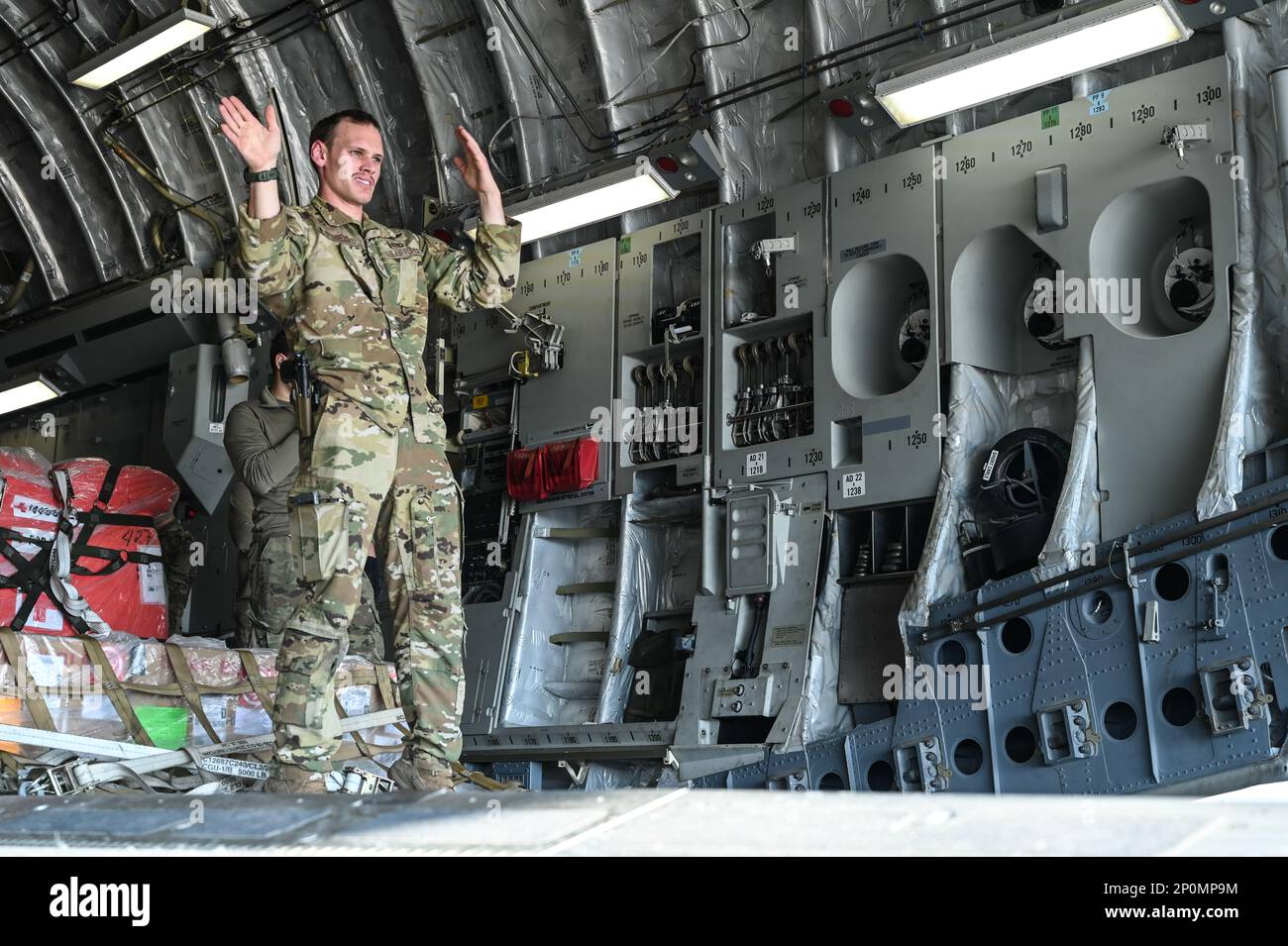
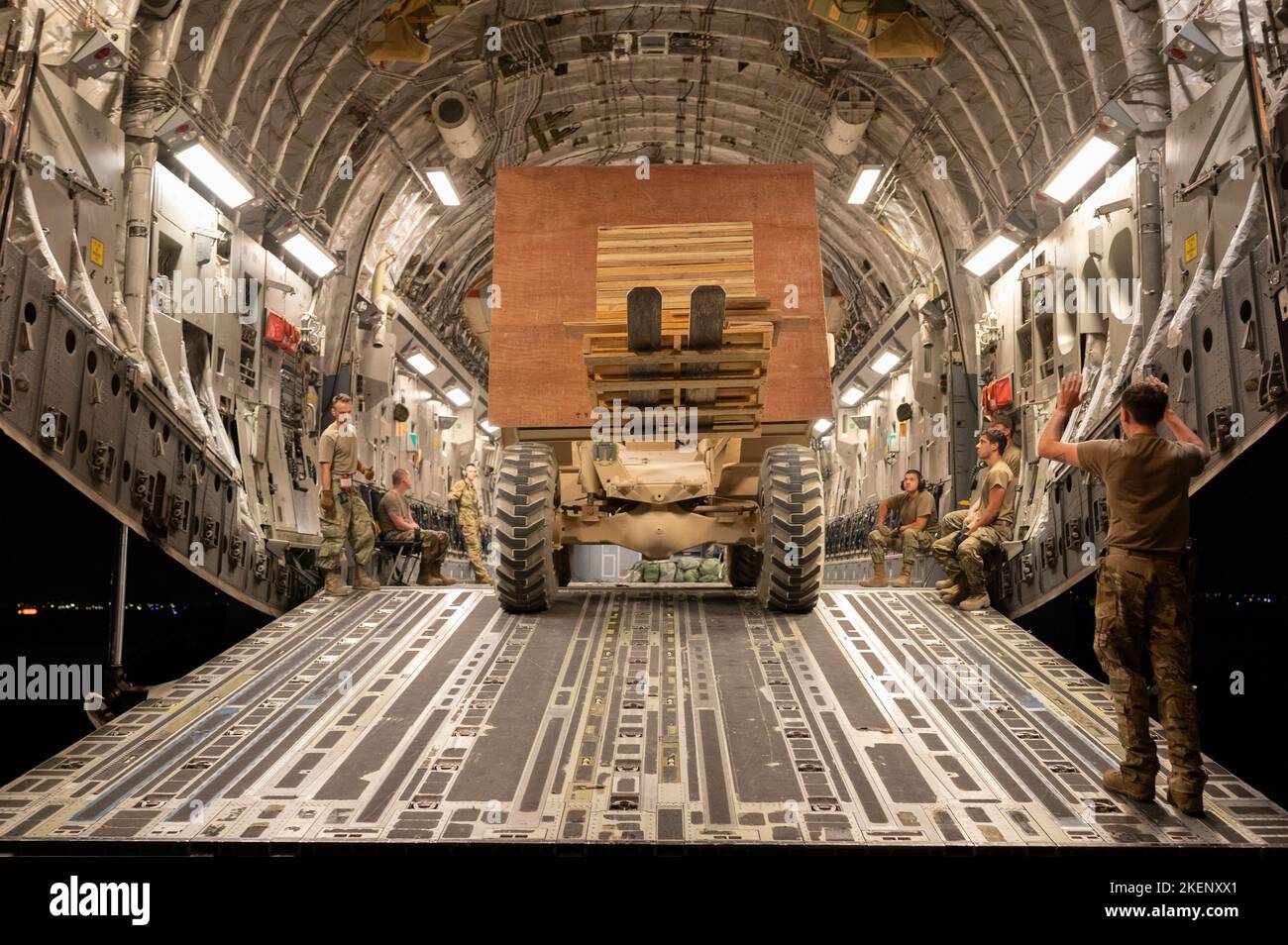
Airlift operations encompass the strategic, operational, and tactical transport of personnel, equipment, and supplies by military or civilian aircraft to sustain theater campaigns, execute rapid deployments, and deliver humanitarian relief. These complex missions require meticulous planning, precise load calculations, coordination of specialized airframes, and adherence to rigorous safety standards to bridge vast geographical distances under routine or hostile conditions.
Strategic Foundations and Scope of Airlift Operations
Airlift operations serve as the primary bridge between global strategic command and tactical theater execution. By leveraging the speed and vertical mobility of fixed-wing and rotary-wing aircraft, military and civilian agencies can bypass geographic barriers, congested ground infrastructure, and hostile terrain. The overarching scope of these operations ranges from strategic inter-theater transport—moving heavy forces across continents—to tactical intra-theater airdrops that supply frontline units operating in isolated sectors.
The successful execution of any airlift mission relies heavily on synchronized scheduling, air traffic management, and diplomatic clearances. Planners must assess the geopolitical landscape, obtain overflight and landing rights from sovereign nations, and establish secure communication protocols. Furthermore, airlift operations must integrate seamlessly with ground transportation networks. This multimodal transition, often referred to as joint reception, staging, and onward movement, ensures that cargo and personnel delivered to an airfield are rapidly deployed to their final destinations without causing crippling logistical bottlenecks on the tarmac.
Classification of Airlift Missions: Strategic Versus Tactical
Airlift missions are traditionally categorized into strategic and tactical operations, each fulfilling distinct logistical requirements and utilizing specialized aircraft configurations. Understanding this dichotomy is essential for planners who must allocate scarce aviation assets against competing operational priorities.
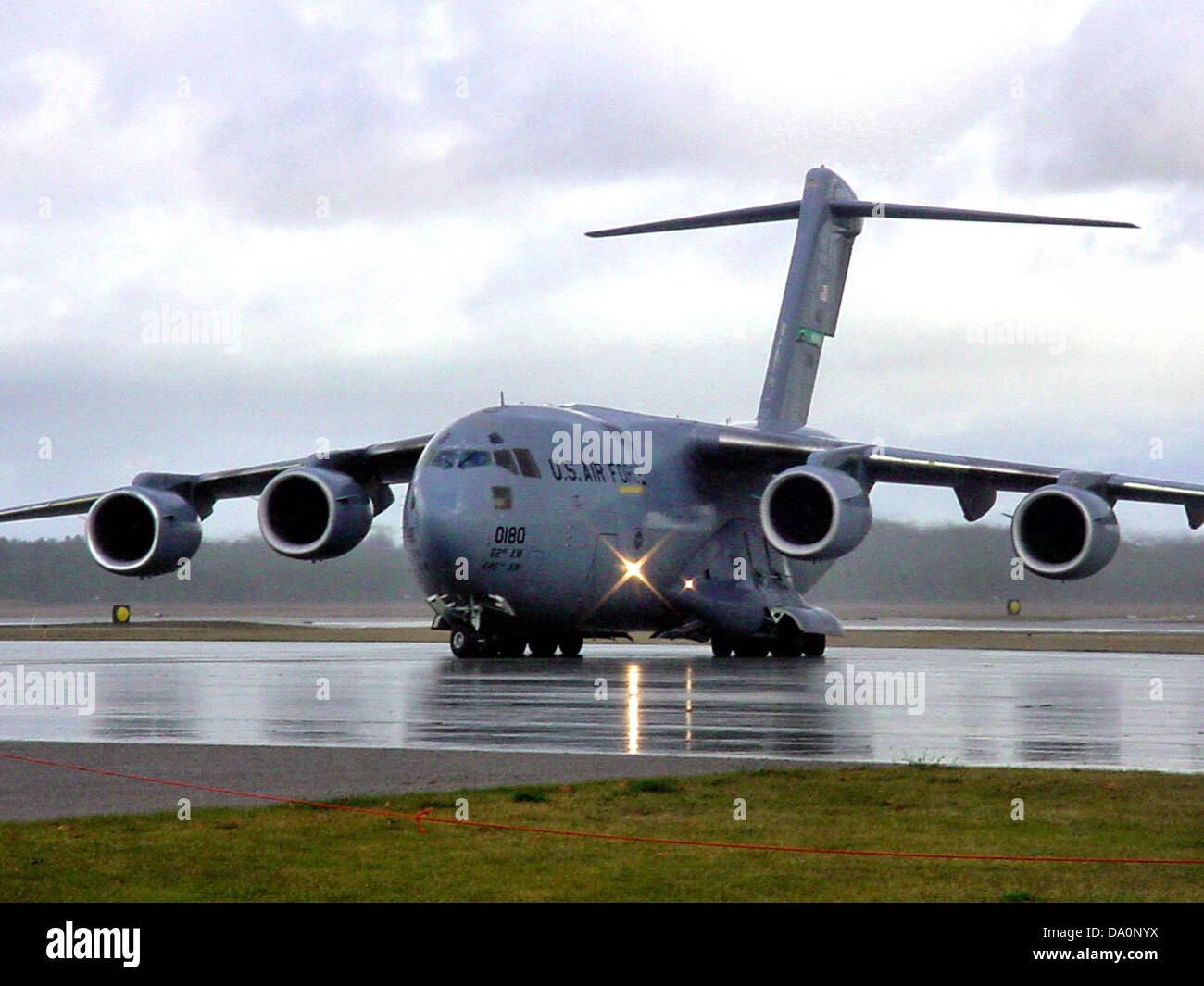
Strategic airlift involves the long-range transport of bulk cargo, heavy armor, and large troop increments between continents or across major theaters of operation. Aircraft designed for strategic missions, such as the C-17 Globemaster III or the C-5 Galaxy, feature massive cargo holds, high weight capacities, and intercontinental flight ranges. These platforms are engineered to haul outsized equipment, including main battle tanks, artillery pieces, and heavy engineering machinery, directly into well-established hubs capable of handling large-frame aircraft.
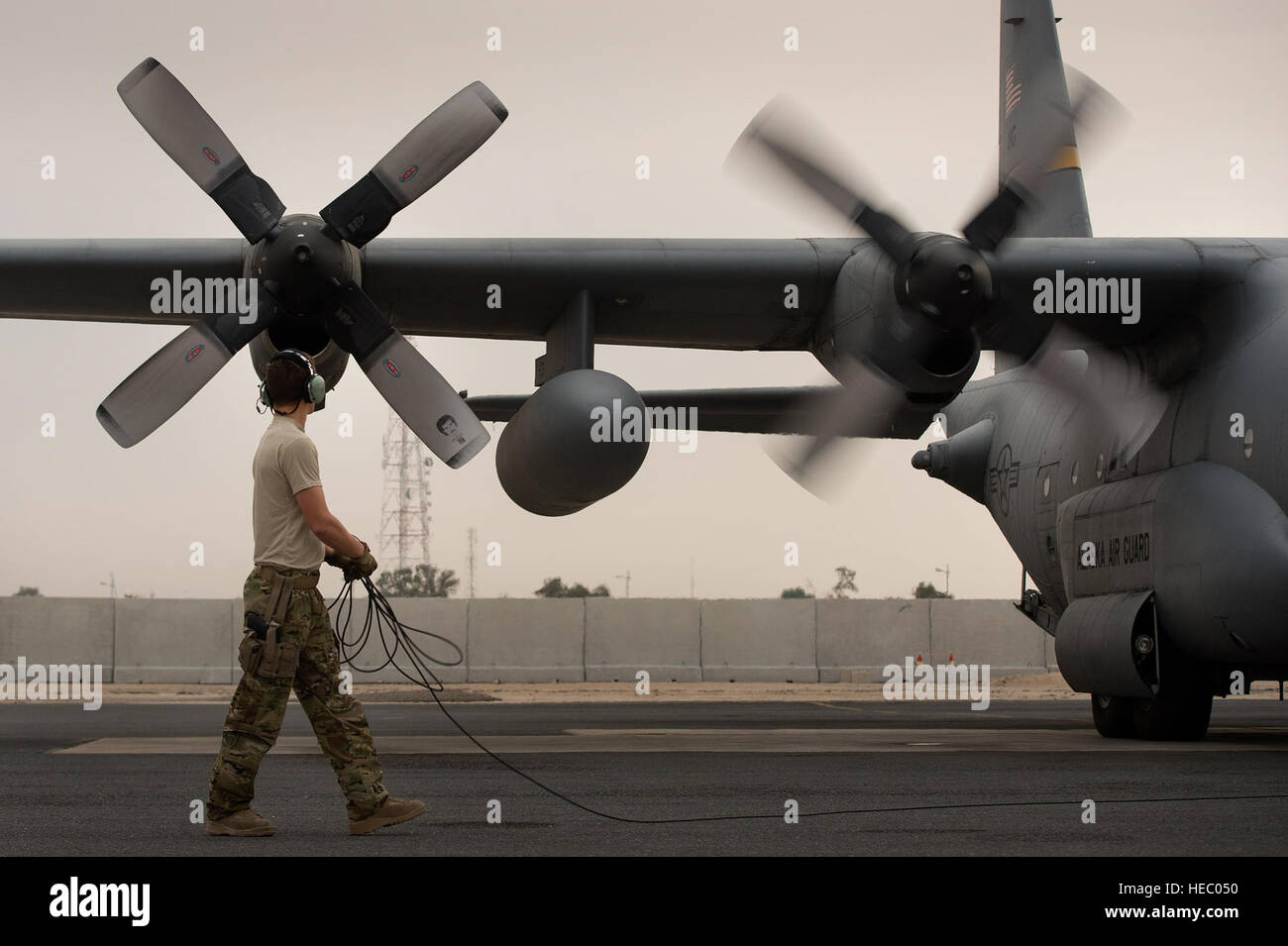
Conversely, tactical airlift focuses on intra-theater distribution, operating closer to the front lines or within austere environments characterized by short, semi-prepared runways. Tactical aircraft like the C-130 Hercules or specialized short takeoff and landing (STOL) transports are built for maneuverability and rugged durability. They execute combat offloads, low-level flight profiles, and precision airdrops of supplies directly to isolated or encircled forces. The following table contrasts the key operational parameters of these two distinct mission types.
| Parameter | Strategic Airlift | Tactical Airlift |
|---|---|---|
| Primary Objective | Inter-theater movement of heavy forces and bulk supplies | Intra-theater distribution and frontline support |
| Typical Aircraft | C-5 Galaxy, C-17 Globemaster III, Antonov An-124 | C-130 Hercules, A400M Atlas, C-27J Spartan |
| Operational Range | Intercontinental (thousands of miles without refueling) | Regional or localized (shorter legs within a theater) |
| Runway Requirements | Long, high-capacity, paved runways (CBR-rated) | Short, unpaved, austere, or damaged airstrips |
| Payload Focus | Outsized cargo, main battle tanks, bulk personnel | Palletized supplies, paratroopers, medical evacuees |
Fleet Management, Airframe Capabilities, and Payload Planning
The backbone of any robust airlift operation is its fleet diversity and the rigorous application of payload planning principles. Aircraft performance is governed by strict physical and environmental constraints, including air density, runway length, obstacle clearance, and fuel weight requirements. Loadmasters and operations planners must calculate the center of gravity meticulously for every sortie. An improperly balanced cargo bay can drastically degrade an aircraft's flight characteristics, compromise stability during takeoff and landing, and endanger the safety of the crew.
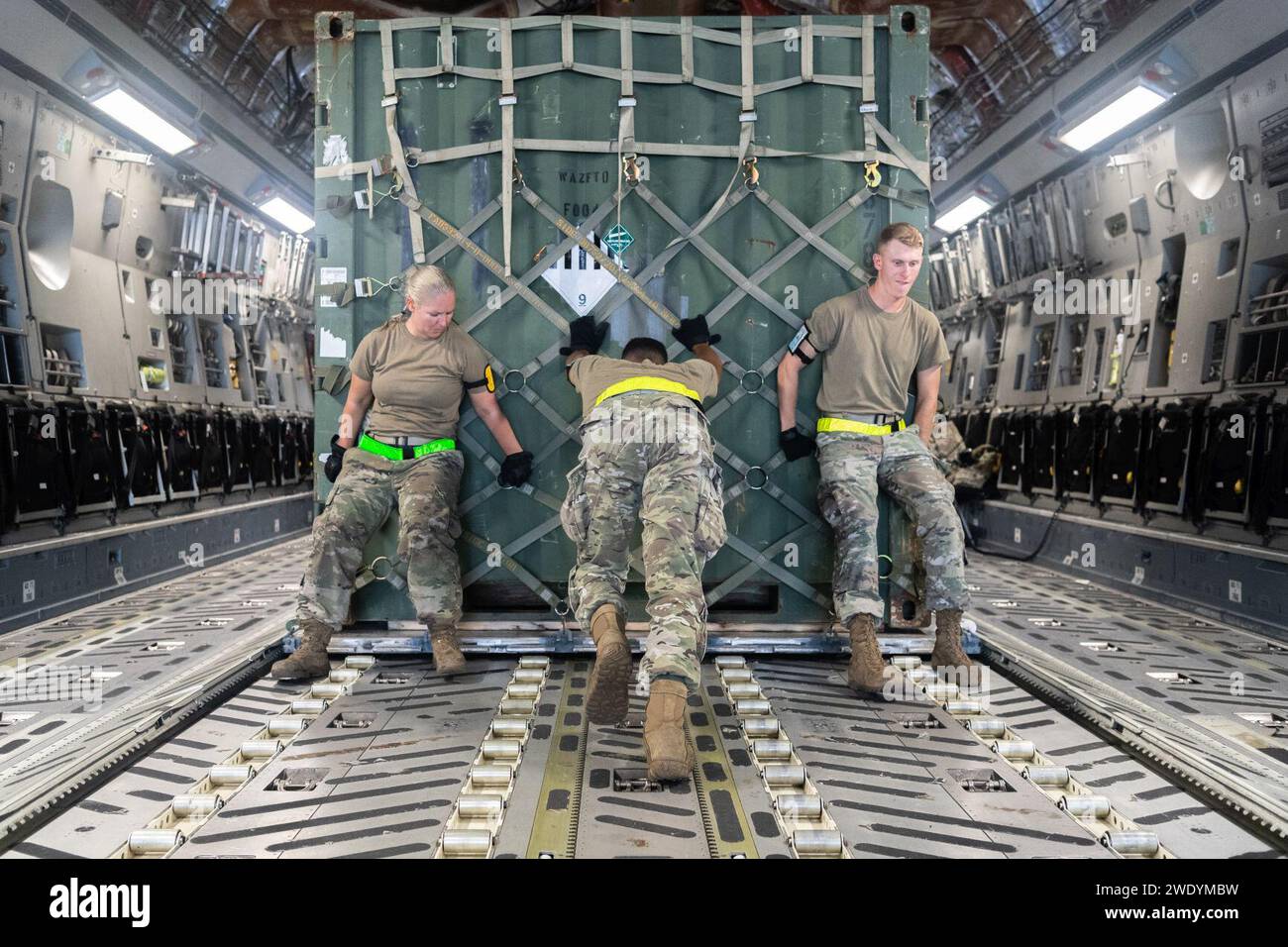
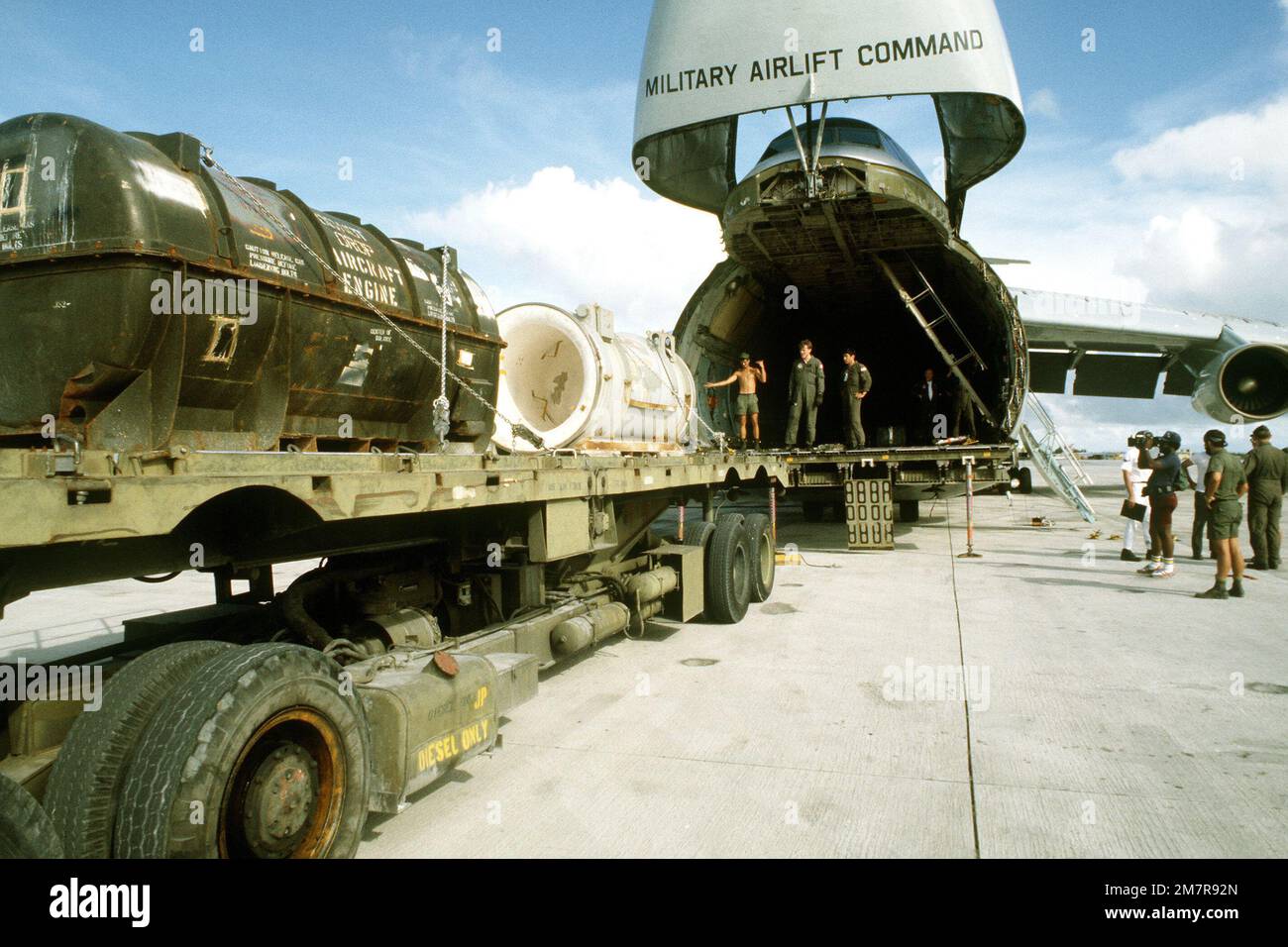
Payload planning requires a deep understanding of cargo characteristics, categorized generally as bulk, rolling, or outsized stock. Bulk cargo consists of standard pallets and containers that can be rapidly loaded using roller systems and aerial delivery rails. Rolling stock comprises vehicles and wheeled apparatus that drive directly onto the cargo ramp, necessitating careful axle-weight distributions to prevent structural damage to the aircraft floor. Outsized cargo represents items that exceed standard dimensional limits, requiring specialized loading gear, custom shoring, and precise clearance measurements.
Maintenance schedules and aircraft availability further complicate fleet management. High-tempo airlift environments subject airframes to extreme mechanical stress, requiring continuous diagnostic monitoring, preventative maintenance cycles, and rapid parts replacement. Fleet managers must balance operational readiness rates against projected mission demands, ensuring that a sufficient percentage of airframes remain mission-capable at any given moment.
Execution Methodologies: Airland Versus Airdrop
When delivering supplies and personnel to a destination, planners must choose between two primary execution methodologies: Airland and airdrop. Each approach presents distinct tactical advantages, procedural complexities, and risk profiles that must be weighed against the operational environment.
Airland Operations
Airland is the preferred method of delivery whenever conditions permit, as it ensures the highest survivability of cargo and personnel. During an Airland mission, the transport aircraft lands at a designated airfield, comes to a complete stop, and offloads its cargo and passengers via ramp or side doors. This method allows for the safe transfer of sensitive electronics, fragile medical supplies, heavy vehicles, and human personnel without the shock forces associated with airdrop deployment. However, Airland operations require a secure airfield with adequate ground handling equipment, functional runway lighting, and parking space to prevent ground congestion.
Airdrop Operations
Airdrop operations are deployed when landing is physically impossible, tactically imprudent, or prohibited by hostile enemy defenses. Airdrops are subdivided into three primary techniques based on weight and precision requirements:
- Low-Velocity Airdrop System (LVAS): Utilizes multiple large parachutes to decelerate heavy equipment and sensitive supplies, ensuring a gentle impact with the ground.
- High-Velocity Airdrop System (HVAS): Employs a single stabilizing parachute designed to drop durable supplies, such as rations and fuel drums, in a stabilized vertical descent where rapid delivery is paramount.
- Container Delivery System (CDS): Bundles cargo into standardized containers rigged with parachutes, frequently deployed from the rear ramp of tactical transports using gravity or extraction parachutes.
Executing an airdrop demands precise meteorological forecasting, particularly wind drift calculations, to ensure that payloads land within designated drop zones rather than hazardous terrain or enemy territory.
Human Factors, Crew Resource Management, and Training
The operational tempo of airlift missions places immense psychological and physical strain on aircrews, making human factors engineering and Crew Resource Management (CRM) critical components of mission success. Long-range strategic flights often exceed standard circadian rhythms, inducing severe fatigue, dehydration, and cognitive degradation. To mitigate these risks, military and civilian cargo operators enforce strict crew-rest regulations, utilize augmented flight deck crews for trans-oceanic routes, and implement in-flight relief protocols.
Training regimens for airlift personnel are exceptionally rigorous, blending advanced simulation technology with live flight training in austere environments. Pilots undergo continuous evaluation in simulator bays programmed to replicate engine failures, hydraulic loss, severe weather phenomena, and hostile surface-to-air threats. Loadmasters complete extensive technical certification courses covering weight-and-balance mathematics, hazardous materials regulations, and emergency winch operations. CRM principles ensure that communication remains open and egalitarian across the flight deck and cargo bay, empowering any crew member to voice a safety concern regardless of their rank or seniority.
Logistical Challenges and Future Trends
Modern airlift operations face an evolving matrix of logistical hurdles, ranging from contested electromagnetic environments to fuel efficiency mandates and aging infrastructure. As global adversaries develop sophisticated anti-access/area-denial (A2/AD) capabilities, traditional airlift hubs face unprecedented vulnerability. Planners are increasingly forced to explore decentralized logistics concepts, such as Agile Combat Employment, which rely on dispersing smaller formations across austere, remote locations rather than concentrating assets at large, well-defended main operating bases.
Technological advancements are rapidly reshaping the future of cargo transport. Autonomous and semi-autonomous flight control systems are undergoing rigorous evaluation to reduce crew workloads and enable uncrewed resupply missions into high-threat zones. Furthermore, research into hybrid-electric propulsion, advanced aerodynamic wing designs, and alternative sustainable aviation fuels aims to reduce the massive carbon footprint and logistical fuel dependency inherent in global military and humanitarian airlift networks.
Frequently Asked Questions
What is the primary difference between strategic and tactical airlift?
Strategic airlift involves long-range, intercontinental transport of heavy equipment and large troop formations between major hubs using large-frame aircraft. Tactical airlift focuses on intra-theater distribution, utilizing rugged, smaller aircraft to deliver supplies and personnel to austere airstrips or directly to frontline units.
How do loadmasters calculate aircraft center of gravity?
Loadmasters use standardized weight-and-balance manuals, computer software, and physical measurements to track the exact weight and placement of every pallet, vehicle, and passenger. Ensuring the center of gravity remains within specified longitudinal and lateral limits is vital for maintaining aircraft stability and safe flight characteristics.
When is an airdrop preferred over an Airland delivery?
An airdrop is utilized when the destination airfield is non-existent, heavily damaged, controlled by hostile forces, or situated in terrain that prevents the transport aircraft from safely landing and taking off. It allows for the rapid resupply of isolated forces without risking the loss of the airframe on the ground.
What are the main challenges of operating in austere environments?
Austere environments present short or unpaved runways, lack of ground handling equipment, unpredictable weather, limited or absent air traffic control infrastructure, and potential security threats from hostile actors. These factors require aircraft to be self-sufficient and crews to possess specialized tactical training.
How do weather conditions impact airlift execution?
Adverse weather conditions such as high crosswinds, severe turbulence, icing, and low visibility ceilings directly impact takeoff weights, landing safety, and airdrop accuracy. Wind drift calculations are particularly critical during airdrop operations to prevent cargo from missing the designated drop zone.
Operational Execution and Mission Verification
To guarantee mission success and personnel survivability, aviation units must enforce a standardized pre-flight verification protocol before every deployment. Planners, aircrews, and ground handlers should execute the following sequence:
- Validate Intelligence and Clearance: Confirm current threat assessments, weather forecasts, diplomatic overflight permissions, and landing rights for all transit and destination airfields.
- Execute Load Planning and Inspection: Verify that all cargo weights, restraint configurations, and center-of-gravity calculations comply with airframe structural manuals and safety limits.
- Conduct Crew Briefings: Review flight profiles, emergency procedures, communication frequencies, and specific drop-zone or offload protocols with all flight deck and cargo bay personnel.
- Perform Pre-Flight Walkarounds: Inspect control surfaces, landing gear, hydraulic lines, and cargo ramp mechanisms to ensure total mechanical readiness prior to engine startup.